 中文简体
中文简体
 English
 Español
 عربى
عربى
Content
- 1 Why Velvet Remains Relevant in Modern Furniture Design
- 2 Tactile and Visual Qualities That Drive Preference
- 3 Versatility: Adapting Velvet to Different Design Languages
- 4 Performance Considerations: Durability and Practicality
- 5 Maintenance and Care: Practical Tips That Preserve Looks
- 6 Sustainability and Fiber Choices
- 7 Application Examples: Where Velvet Adds Value
- 8 Buying Guide: What to Inspect Before You Specify
- 9 Final Notes: Use Velvet Where Intentional Quality Shows
Why Velvet Remains Relevant in Modern Furniture Design
Velvet upholstery fabric continues to appear in contemporary interiors because it combines tactile luxury with strong visual impact. Designers and buyers choose velvet not for nostalgia alone, but because it reliably upgrades perceived comfort and value while working with a wide range of styles — from minimalist to maximalist. The following sections break down the concrete reasons velvet is so widely used and how to apply it effectively in real projects.
Tactile and Visual Qualities That Drive Preference
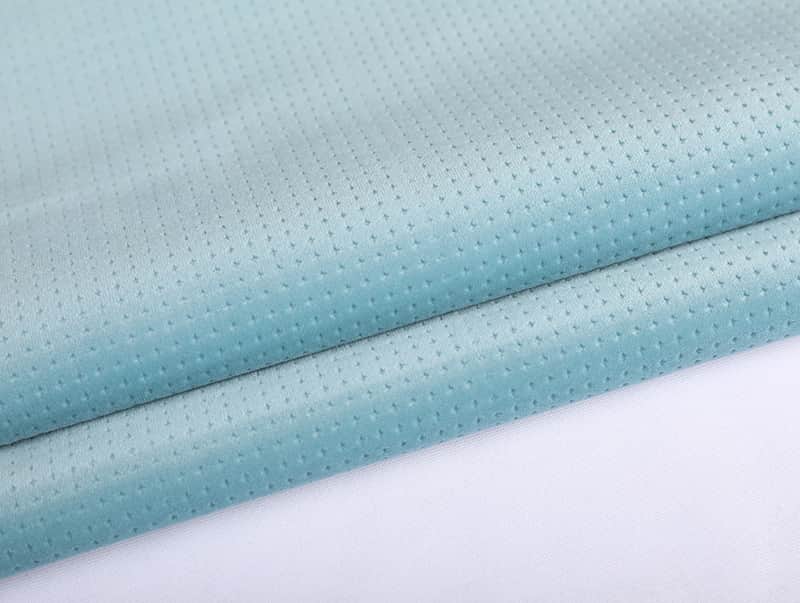
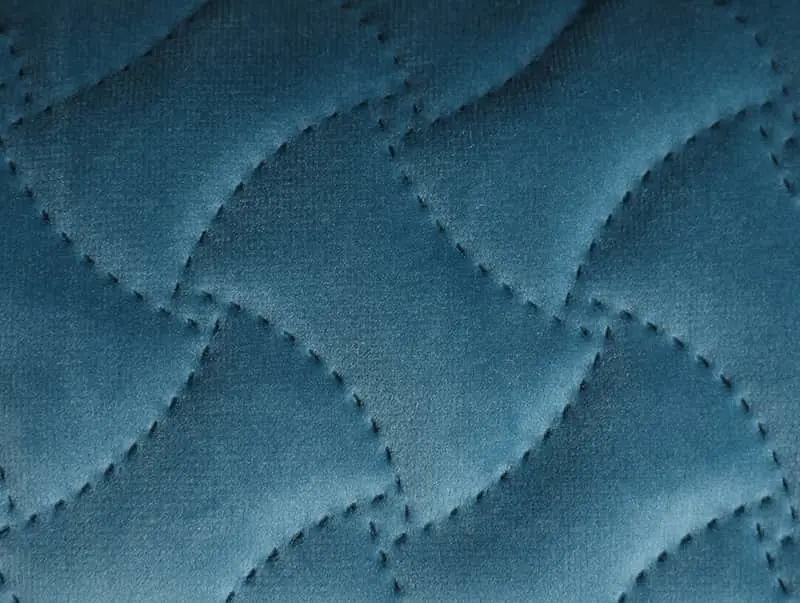
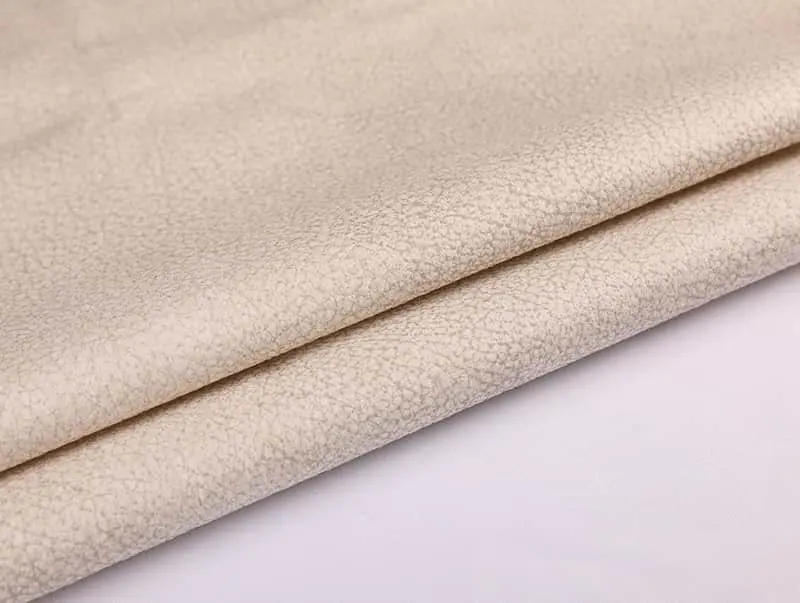
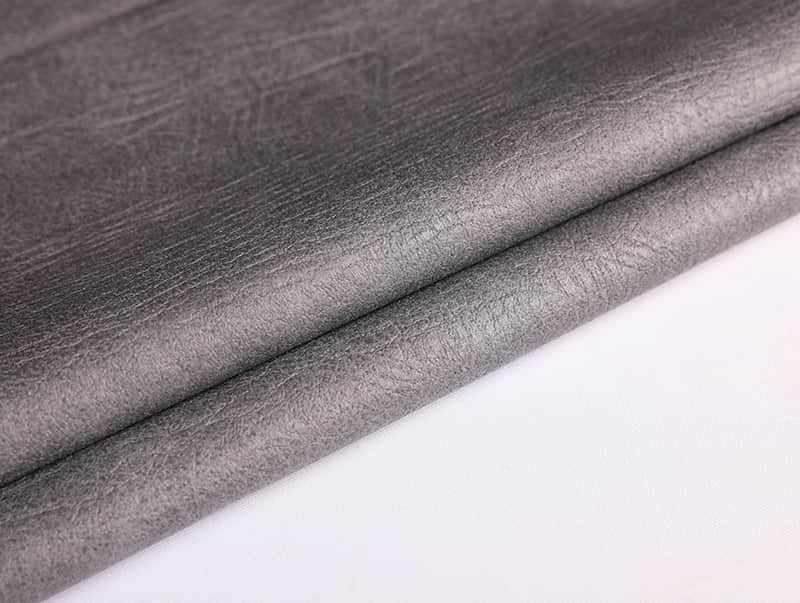
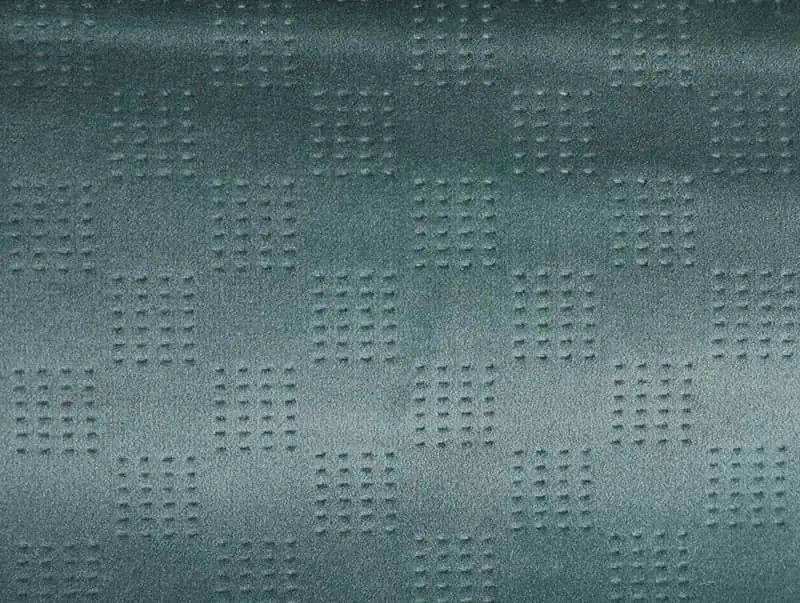
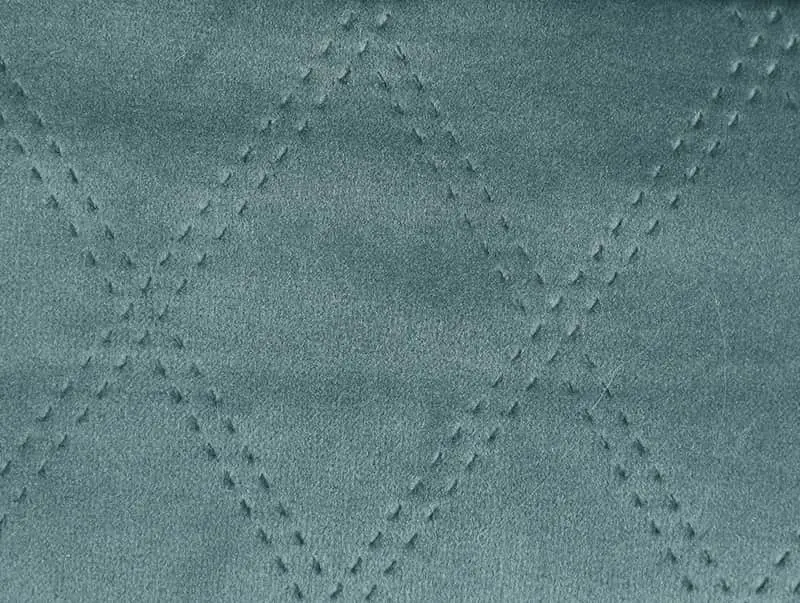
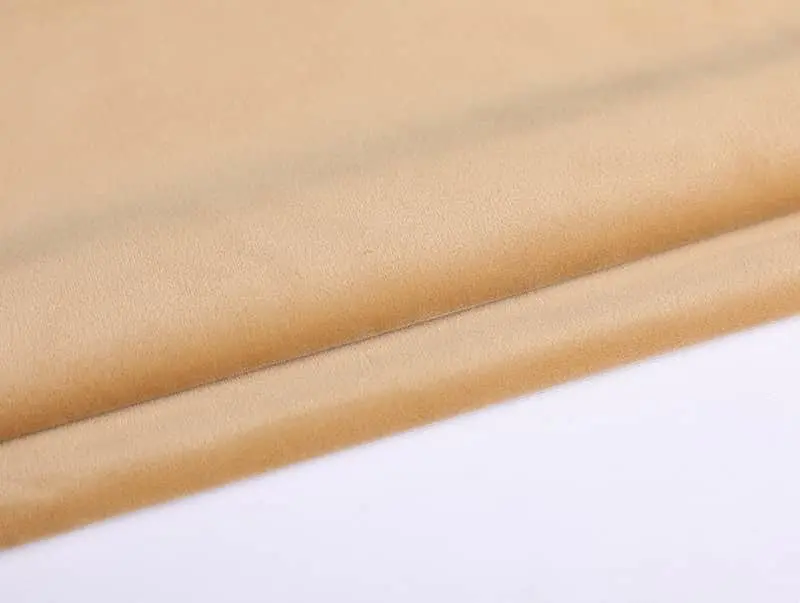
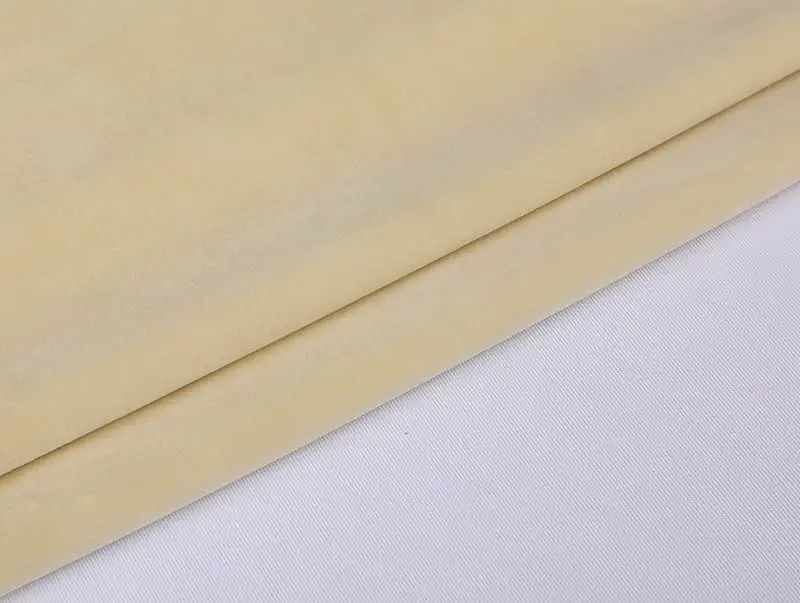
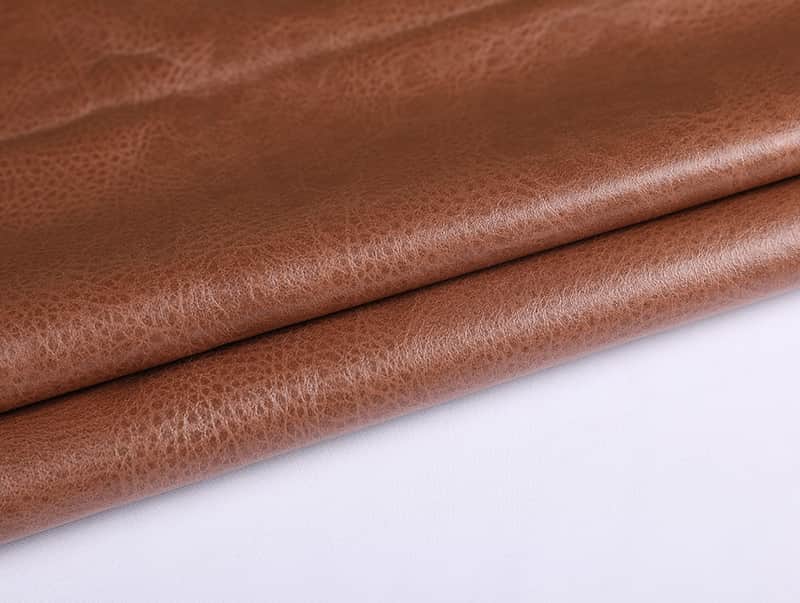
Velvet’s short, dense pile gives it a soft hand and a subtle sheen that changes with light and touch. That interplay between texture and reflection makes surfaces read richer without adding visual clutter. For modern furniture, where finishes and material contrasts matter, velvet can act as a focal surface that still reads clean and intentional.
How pile and sheen affect perception
A fine, low pile produces a matte, sophisticated look suitable for contemporary minimalist sofas; a slightly higher pile brings more warmth and depth, ideal for lounge chairs or statement pieces. Designers exploit these differences to control how a piece anchors a space.
Color saturation and light interaction
Velvet holds dye well, so colors appear saturated and stable. In daylight or directional lighting, velvet can shift subtly, giving single-color pieces the complexity of layered textiles without introducing multiple patterns.
Versatility: Adapting Velvet to Different Design Languages
Velvet adapts to many styles because its core properties — soft texture and depth of color — can be framed by different forms, trims, and hardware. The same upholstery in different silhouettes reads entirely differently: a slim, low-profile sofa in muted velvet reads modern; a tufted armchair in the same fabric reads classic-luxe. That flexibility makes velvet a practical choice for designers working across client briefs.
Pairing velvet with other materials
Use velvet with matte metals, natural wood, or leather to create contrast. For example, a velvet lounge chair against a matte metal floor lamp creates a deliberate interplay of soft and hard surfaces. Keep surrounding materials simple when the velvet has vivid color or pattern to avoid competing elements.
Performance Considerations: Durability and Practicality
Modern velvet options include performance finishes and synthetic fiber blends that increase abrasion resistance and stain tolerance. Choosing the right velvet for a project depends on expected use: low-traffic decorative seating calls for different fabric choices than commercial lounge seating. Match fabric construction to use-case rather than assuming all velvet behaves the same.
- Residential accent pieces: plush natural- or synthetic-blend velvets give the richest hand and are appropriate for bedrooms and formal living rooms.
- Family rooms and high-use seating: opt for velvets with protective finishes or technical fibers designed to resist pilling and stains.
- Commercial settings: select contractual-grade velvets with proven abrasion performance and serviceable backing.
Maintenance and Care: Practical Tips That Preserve Looks
Velvet requires specific care to maintain pile direction and sheen. Routine care is straightforward and practical: regular gentle vacuuming with an upholstery brush, prompt blotting of spills, and occasional professional cleaning for deep maintenance. Avoid aggressive scrubbing, which damages pile and creates irregular sheen.
Everyday handling and quick fixes
Rotate cushions to distribute wear, use a soft lint roller to pick up surface debris, and always test spot-clean methods on an inconspicuous area. For pressed pile, steam lightly from the reverse side and brush the pile with a soft brush to restore direction and loft.
Sustainability and Fiber Choices
Velvet is available in a range of fibers — natural (cotton, silk), synthetic (polyester, nylon), and blends. Each choice carries different sustainability and performance implications. Recycled-content synthetic velvets balance lower environmental impact with durability, while responsibly sourced natural velvets can offer biodegradability and superior breathability. Specify fiber selection based on client priorities and project lifecycle expectations.
Application Examples: Where Velvet Adds Value
Velvet performs well in many use cases when selected and specified correctly. Below are practical scenarios and what to prioritize for each.
| Scenario | Design Priority | Fabric Recommendation |
| Boutique hotel lobby | Durability + Luxury feel | Performance velvet with robust backing |
| Residential living room | Comfort and color depth | Cotton or blend velvet with rich dye |
| Restaurant banquette | Cleanability and wear resistance | Contract-grade synthetic velvet |
Buying Guide: What to Inspect Before You Specify
Before committing to a velvet fabric, evaluate its construction, backing, and any protective finishes. Request physical samples and view them under the lighting conditions where the furniture will live. Test how the fabric behaves when you brush the pile and check colorfastness with a damp white cloth. Always confirm the recommended cleaning method and whether a performance finish is factory-applied or an aftermarket treatment.
- Inspect pile hand and density to match the intended look and use.
- Confirm backing and sewability for the chosen furniture frame and construction method.
- Verify manufacturer cleaning recommendations and any warranty related to commercial use.
Final Notes: Use Velvet Where Intentional Quality Shows
Velvet remains popular because it produces an immediate sense of refinement while being adaptable to many contemporary design directions. The key to success is specifying the right velvet for the environment, detailing maintenance into the design brief, and balancing velvet with complementary materials. When used deliberately, velvet elevates modern furniture with both sensory appeal and practical performance.