 中文简体
中文简体
 English
 Español
 عربى
عربى
Velvet is one of the most versatile and enduring fabrics in interior design. Whether you're choosing a velvet printed sofa fabric, exploring patterned velvet upholstery, or deciding what materials pair best with it, velvet delivers a combination of visual richness and tactile comfort that few other textiles can match. Used correctly, it elevates any room — from a minimalist living space to a maximalist bedroom — without requiring a complete redesign.
Content
What Velvet Actually Is: Types and Construction
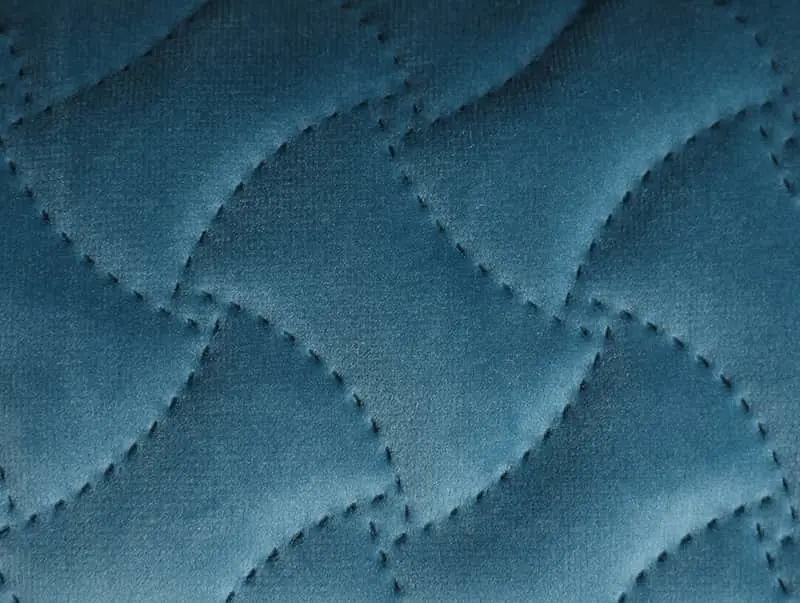
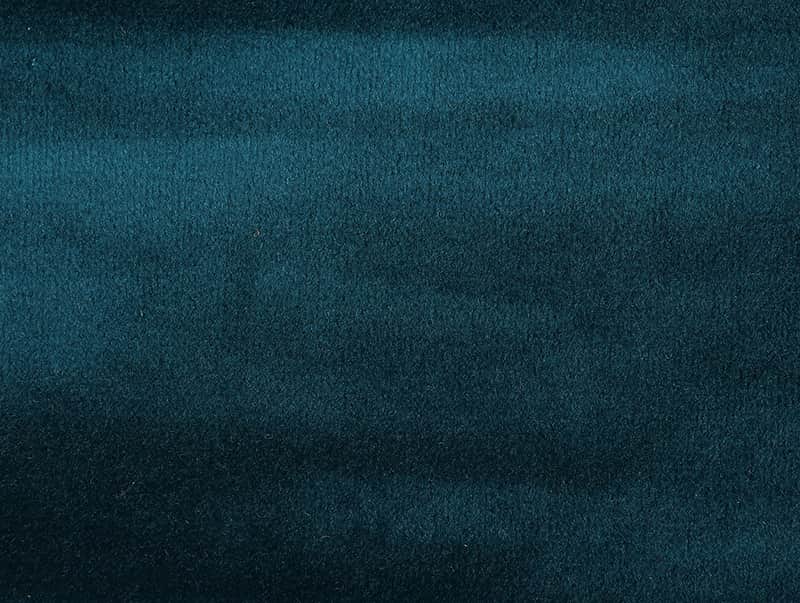
Velvet is a cut-pile woven fabric with a dense, even surface of upright fibers that create its signature sheen and softness. It is not a single material but a weave structure applied to multiple fiber types. Understanding the types of velvet cloth is the first step to making the right choice for furniture or décor.
| Velvet Type | Fiber Base | Key Characteristic | Best Use |
|---|---|---|---|
| Cotton Velvet | 100% Cotton | Matte finish, breathable, durable | Sofas, armchairs, curtains |
| Silk Velvet | Silk | High sheen, delicate, luxurious | Accent cushions, headboards |
| Polyester Velvet | Synthetic | Stain-resistant, affordable, wide color range | Everyday upholstery, family homes |
| Velveteen | Cotton / Blended | Shorter pile, lighter weight, less sheen | Cushions, table runners, light upholstery |
| Crushed / Distressed Velvet | Polyester / Rayon | Multi-directional pile, iridescent effect | Statement sofas, feature chairs |
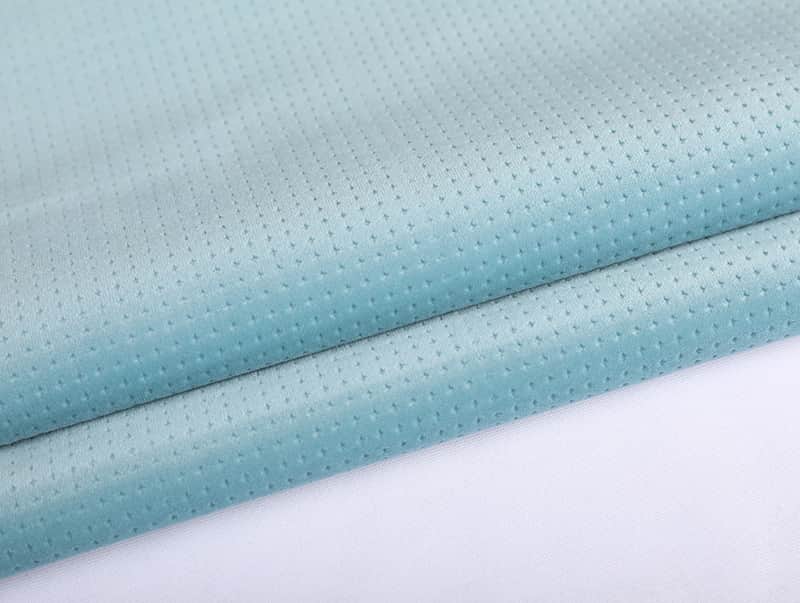
| Patterned / Printed Velvet | Various | Embossed or printed design on pile surface | Accent furniture, bold upholstery |
Velveteen vs. Velvet: Not the Same Fabric
A frequent source of confusion is velveteen. While velvet has a pile woven from a separate yarn on a loom, velveteen is produced by weaving a plain or satin base and then cutting weft floats to create the pile. The result is a shorter, denser pile with less sheen and a lighter drape. Velveteen fabric uses in interiors lean toward decorative accessories — cushion covers, upholstered ottomans, table runners, and lightweight chair pads — rather than full sofa upholstery where the wear demands a more robust pile.
Velvet Fabric for Sofas: Choosing the Right Specification
Choosing velvet material for sofas requires more than picking a color. The structural performance of the fabric — its rub count, pile weight, and fiber type — determines whether it will look good after two years or two decades.
Rub Count and Durability
Upholstery fabrics are tested using the Martindale abrasion test. For a velvet couch fabric in a family home with regular use, look for a minimum rating of 25,000 Martindale rubs. Contract-grade or heavy-use settings require 40,000 rubs or above. Many polyester velvets now achieve 50,000–100,000 rubs, making them exceptionally practical for everyday sofas without sacrificing the velvet finish.
Pile Weight and Sofa Feel
Pile weight is measured in grams per linear meter (g/lm) or grams per square meter (gsm). For sofa velvet cloth, a pile weight of 300–500 gsm is typical for residential upholstery. Heavier piles feel plusher and resist flattening better under repeated pressure. Lighter piles, such as those used in velveteen, are more prone to developing worn patches at seat contact points.
Sofa Fabric with Velvet Finish: Performance Coatings
Many modern upholstery velvets are treated with stain-repellent or moisture-barrier finishes — sometimes marketed as a sofa fabric velvet finish. Scotchgard-type treatments and nanotechnology coatings cause liquids to bead on the surface rather than soaking into the pile. These treatments extend the cleaning window significantly and are particularly valuable in households with children or pets. Re-application is typically recommended every 12–18 months after professional cleaning.
Patterned and Printed Velvet: Design Options for Upholstery
Plain velvet is a classic choice, but patterned velvet upholstery and printed velvet material open up a far wider range of design possibilities. Understanding how patterns are created in velvet helps in selecting the right type for specific interior styles.
Embossed and Cut Velvet Patterns
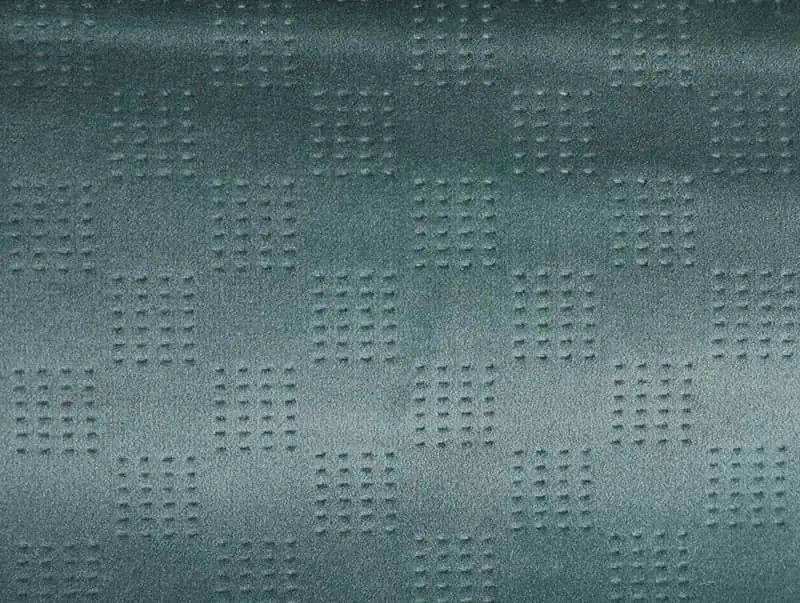
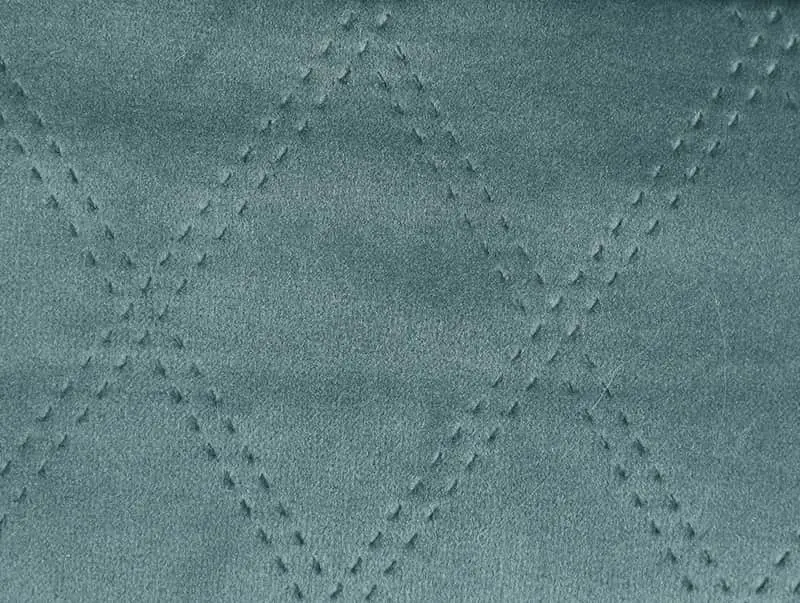
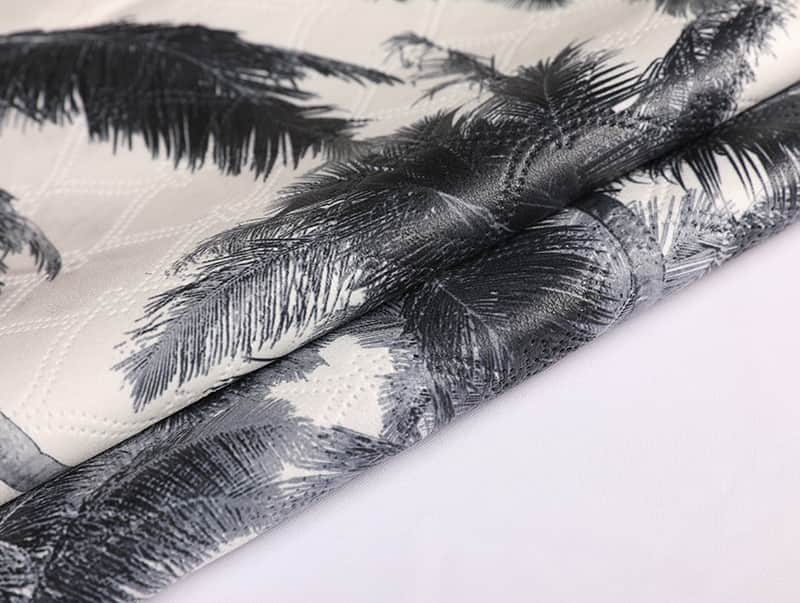
Patterned upholstery velvet is most often achieved through embossing — pressing a heated roller with a relief pattern into the pile to flatten sections and create contrast between cut and uncut areas. This creates geometric, floral, or damask-style motifs that catch light differently across the pattern. Cut velvet (where the pile is selectively cut) produces a similar effect with more depth and texture definition.
Velvet Fabric Print: Digital and Screen Printing
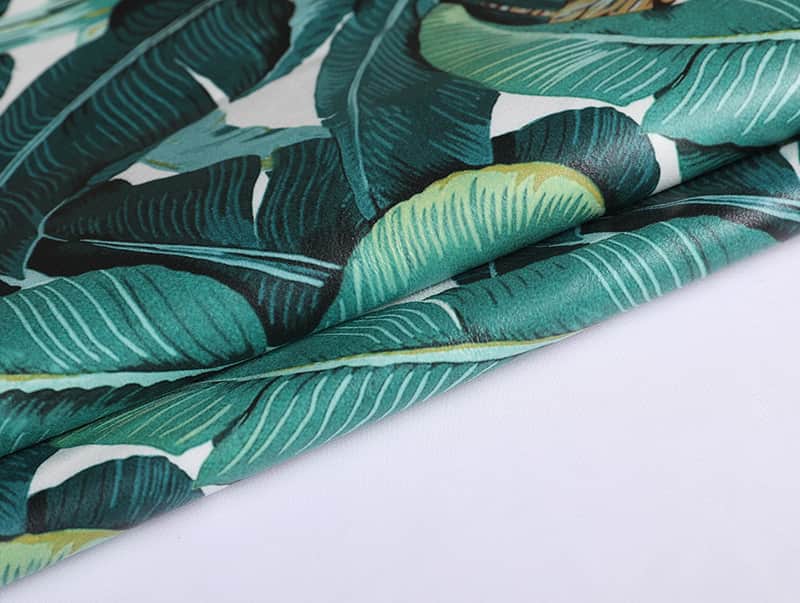
Velvet fabric print using digital inkjet or rotary screen printing allows full photographic imagery, botanical prints, and abstract designs to be applied directly to the pile surface. The unique texture of velvet causes printed colors to shift subtly with the viewing angle — an effect called pile shading — which gives velvet printed sofa fabric a depth that flat-printed cotton or linen cannot replicate. Botanical and animal prints on deep jewel-toned velvets have been among the strongest upholstery trends since 2020.
Velvet with Lines: Ribbed and Corded Surfaces
Velvet with lines — often called ribbed velvet, corduroy velvet, or pinwale velvet — features parallel ridges or channels running through the pile. This is achieved by weaving vertical channels into the pile structure. The ribbed surface adds directional texture that reads differently from different angles, making it ideal for structured contemporary furniture where clean geometry matters. Rib widths range from fine pinwale (16 wales per inch) to wide-wale styles with 4–6 ridges per inch.
Distressed Velvet Upholstery Fabric: Texture with Character
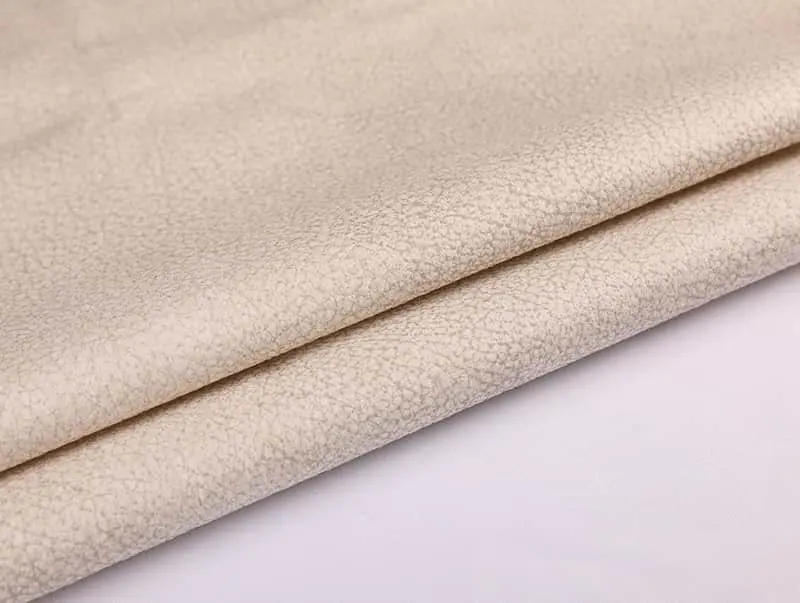
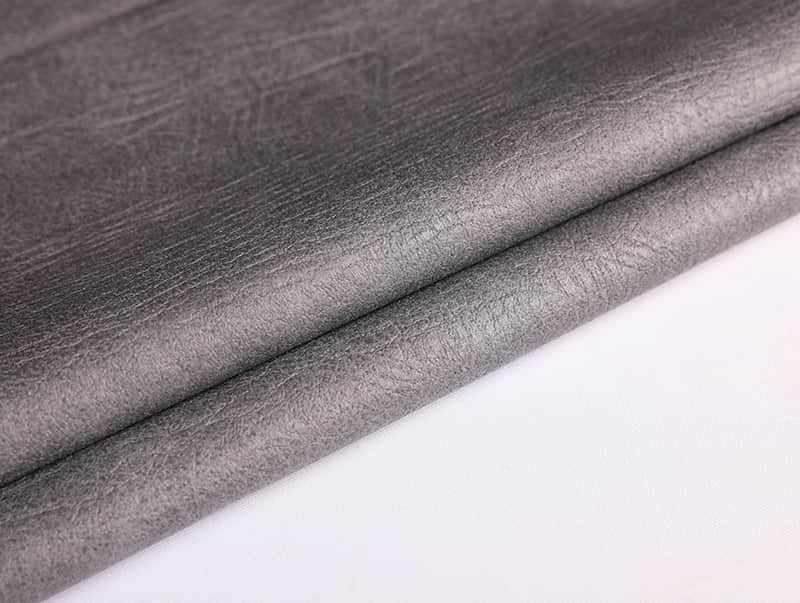
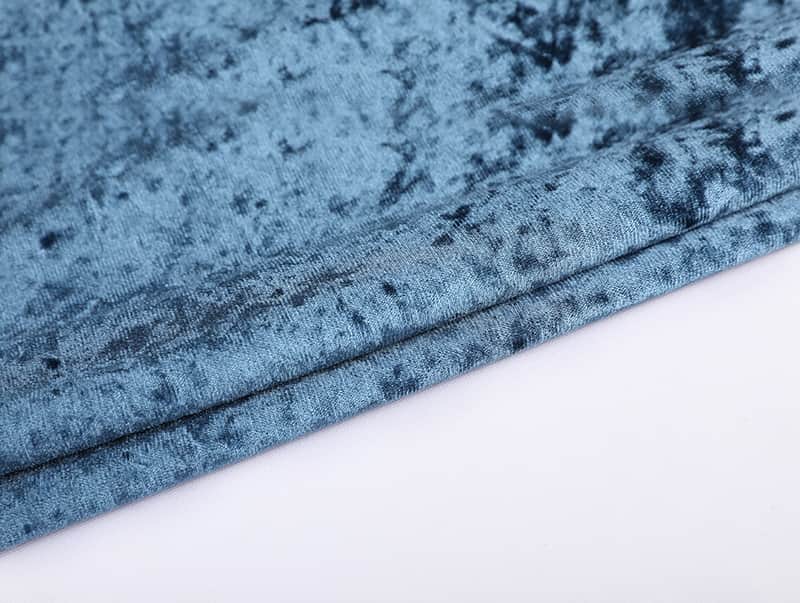
Distressed velvet upholstery fabric — also referred to as crushed, burnout, or devore velvet — is created through deliberate manipulation of the pile to produce a textured, irregular surface. This is not accidental wear but an engineered finish.
- Crushed velvet is produced by twisting or pressing the fabric while wet, then heat-setting the pile in random directions. The result is an iridescent, multi-tonal surface where the pile reflects light inconsistently.
- Burnout velvet (devore) uses a chemical process — typically sodium bisulfate — to dissolve the pile in selected areas, leaving a semi-sheer pattern against the solid background. This creates dramatic botanical or geometric motifs with translucent sections.
- Distressed vintage velvet is manufactured to mimic aged, worn velvet — with intentional pile variation, subtle color irregularity, and slight pile flattening that evokes antique furniture. This suits period-inspired interiors and eclectic maximalist spaces.
Distressed velvets are best used on statement pieces — a single accent chair, a chaise longue, or a headboard — rather than entire suites, w