 中文简体
中文简体
 English
 Español
 عربى
عربى
Content
- 1 Why Fabric Choice Matters More Than You Might Think for School Nurse Uniforms
- 2 The Most Popular Fabric Types Used in School Nurse Uniforms
- 3 Key Selection Criteria: A Practical Framework for Choosing the Right Fabric
- 4 Hygiene and Infection Control: Non-Negotiable Fabric Requirements
- 5 Comfort Across Different School Environments and Climates
- 6 Fabric Weight, Construction, and GSM Guidance
- 7 Practical Tips for Evaluating and Specifying Uniform Fabric
Why Fabric Choice Matters More Than You Might Think for School Nurse Uniforms
A school nurse's uniform is not simply a matter of professional appearance — it is a functional garment that must perform reliably through long working days that involve constant movement, physical contact with students, exposure to bodily fluids, and the need to project calm authority and approachability simultaneously. The fabric selected for a school nurse uniform determines how comfortable the wearer is at hour eight of a demanding shift, how hygienic the garment remains throughout the day, how easily it can be laundered to the standard required in a healthcare-adjacent environment, and how long it will last under repeated industrial washing cycles before showing signs of wear.
School nurses occupy a unique position that distinguishes their uniform requirements from those of hospital clinical staff. They interact with children across all age groups — from reception-age students who may be frightened of medical settings to teenagers managing chronic conditions — and the approachability and professionalism that their uniform conveys influences whether a student feels comfortable seeking help. Fabric quality, colour retention, drape, and finish all contribute to this professional presentation. Getting the fabric selection right from the outset saves significant cost in premature uniform replacement, reduces laundry facility stress, and directly supports the wearer's comfort and performance throughout the working day.
The Most Popular Fabric Types Used in School Nurse Uniforms
The healthcare uniform market offers a wide range of fabric options, but a relatively small number of fabric constructions dominate school nurse uniform supply due to their proven performance balance across the key criteria of comfort, durability, hygiene, and easy care.
Polyester-Cotton Blends (65/35 and 80/20)
Polyester-cotton blended fabrics are the most widely used construction for school nurse uniforms globally and represent the standard against which other options are evaluated. The 65 percent polyester / 35 percent cotton blend is the most common specification, offering a well-established balance of polyester's durability, shape retention, and easy-care properties with cotton's natural moisture absorption and skin-comfort characteristics. The polyester component provides resistance to wrinkling, maintains the garment's pressed appearance throughout a full working day, and resists pilling under repeated abrasion. The cotton component absorbs perspiration from the skin surface, improving thermal comfort during physically active periods, and reduces the static electricity buildup that pure polyester fabrics are prone to generating in dry indoor environments.
The 80/20 polyester-cotton blend shifts the balance further toward polyester for applications where wrinkle resistance and dimensional stability after washing are prioritised over maximum breathability. These fabrics emerge from washing almost ready to wear, requiring minimal ironing — a practical advantage for school nurses who may be responsible for their own uniform care rather than using a managed laundry service. Polyester-cotton blends accept vat dyes that produce excellent colour fastness, maintaining the saturated blues, greens, and whites that school nurse uniforms typically specify through 50 or more industrial wash cycles without significant fading.
100% Polyester with Moisture-Wicking Finish
High-performance 100 percent polyester fabrics with moisture management (wicking) finishes have gained significant market share in healthcare uniforms over the past decade. These fabrics use fine-denier polyester yarns knitted or woven into structures with increased surface area that transport moisture away from the skin through capillary action and spread it across a larger fabric surface for faster evaporative drying. For school nurses who are physically active — moving between classrooms and buildings, assisting with first aid procedures, and supporting students with mobility needs — moisture-wicking polyester provides noticeably better thermal comfort during periods of exertion compared to standard woven poly-cotton.
The primary disadvantage of 100 percent polyester fabrics is their synthetic feel against the skin and their tendency to retain odour-causing bacteria within the synthetic fibre structure unless antimicrobial finishes are applied. Premium moisture-wicking polyester fabrics for healthcare use incorporate silver ion or zinc-based antimicrobial treatments that inhibit bacterial growth and odour development — extending the wearable period between launderings while maintaining the hygiene standards expected in a school health environment.
Stretch Fabrics: Polyester-Spandex and Cotton-Spandex Blends
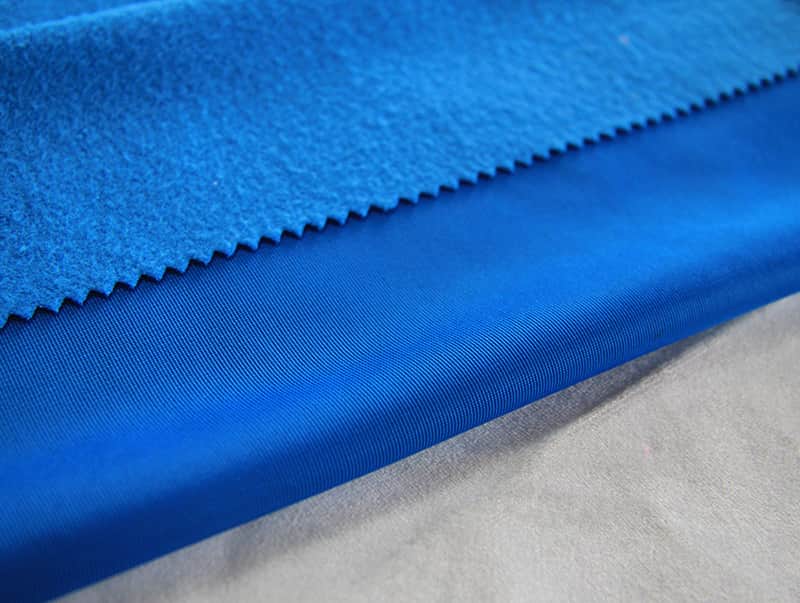
Stretch uniform fabrics incorporating 2 to 8 percent spandex (elastane) within a polyester or polyester-cotton base have become increasingly popular in school nurse uniform ranges as healthcare employers have recognised the direct relationship between freedom of movement and occupational fatigue. Uniforms cut from four-way stretch fabrics allow bending, reaching, kneeling, and lifting without the fabric pulling, binding, or restricting the wearer's range of motion — a meaningful practical benefit over traditional woven constructions that have minimal stretch. The garments also return to their original shape after stretching, maintaining a neat professional appearance throughout the day rather than sagging or deforming at areas of repeated movement stress such as the elbows and knees.
100% Cotton and Cotton-Rich Fabrics
Pure cotton and high-cotton-content fabrics (cotton content above 50 percent) remain a preference for some school nurses and institutional buyers, primarily on grounds of natural fibre comfort and hypoallergenic properties. Cotton is the most breathable of the mainstream uniform fabrics, provides a soft hand feel that students, particularly younger children, respond positively to during physical contact, and is free from synthetic chemical treatments in its unfinished state. However, cotton uniforms wrinkle significantly during wear and after washing, require more rigorous ironing to maintain a professional appearance, have lower durability than polyester blends under repeated high-temperature laundering, and are slower to dry — factors that increase the labour and cost of uniform care in a school setting.
Key Selection Criteria: A Practical Framework for Choosing the Right Fabric
With multiple viable fabric options available, the selection decision should be structured around the specific operational context of the school health environment and the individual or institutional priorities that matter most. The following criteria provide a practical framework for comparing fabric options systematically.
| Fabric Type | Breathability | Durability | Wrinkle Resistance | Ease of Care | Cost |
|---|---|---|---|---|---|
| 65/35 Poly-Cotton | Good | Very Good | Very Good | Very Easy | Low–Medium |
| 100% Wicking Polyester | Very Good | Excellent | Excellent | Very Easy | Medium |
| Polyester-Spandex Stretch | Good | Good | Very Good | Easy | Medium–High |
| 100% Cotton | Excellent | Moderate | Poor | Demanding | Low–Medium |
| Cotton-Spandex Blend | Very Good | Good | Moderate | Moderate | Medium |
Hygiene and Infection Control: Non-Negotiable Fabric Requirements
In a school health room, the uniform is a potential vector for pathogen transmission between students. A child presenting with a suspected infectious illness will come into close physical contact with the nurse, and the fabric of the uniform must support — rather than undermine — the infection control practices that are fundamental to the school nurse's professional responsibilities. This means the chosen fabric must withstand the laundering temperatures and disinfectant agents required to achieve the microbial reduction standards expected in a healthcare-adjacent setting.
Most institutional laundering guidelines for healthcare uniforms specify washing at 60°C minimum, with some protocols requiring 71°C thermal disinfection cycles. Polyester-cotton and 100 percent polyester fabrics generally withstand repeated laundering at 60°C with excellent dimensional stability and colour retention. High-cotton fabrics may be prone to shrinkage at these temperatures unless pre-shrunk and specified with adequate size tolerance. Spandex-containing fabrics require careful attention to maximum washing temperature — most elastane degrades with repeated exposure above 60°C, reducing stretch performance and garment life. Always verify the manufacturer's wash temperature rating against your actual laundry protocol before specifying a stretch fabric for institutional use.
- Fluid resistance — fabrics with a durable water repellent (DWR) or liquid-repellent finish prevent blood, saliva, and other bodily fluids from immediately soaking into the fabric structure, allowing prompt surface wiping and reducing contamination penetration to the inner layers. This finish is particularly valuable on the front panels of scrub tops and tunics where fluid contact is most likely.
- Antimicrobial treatment — fabrics treated with silver-based or zinc-based antimicrobial agents inhibit bacterial multiplication on the fabric surface between launderings, reducing odour development and surface bioburden. These treatments are particularly relevant for schools in hot climates or without air-conditioned health rooms where uniform moisture levels are higher.
- Bleach compatibility — some school laundry protocols use dilute hypochlorite bleach for periodic disinfection cycles. Not all uniform fabrics tolerate bleach without colour degradation or fibre damage. Confirm bleach compatibility with the fabric specification before purchasing if this is a requirement of your laundry regime.
Comfort Across Different School Environments and Climates
School nurses work across a wide range of physical environments — from air-conditioned secondary school health centres to poorly ventilated primary school buildings, outdoor sports fields during games lessons, and cold corridors in older building stock. The fabric's thermal regulation properties must match the primary environment in which it will be worn, and in many cases the nurse's route through the day will span significantly different thermal conditions within a single shift.
In warm or poorly ventilated environments, breathability and moisture management are the dominant fabric comfort priorities. Lightweight woven or knitted polyester-cotton fabrics in the 150 to 190 gsm weight range provide adequate body coverage and professional appearance while allowing sufficient air movement and perspiration management for comfort during physically active periods. Heavier fabrics above 220 gsm — more common in traditional hospital uniform supply — are unnecessarily warm for most school environments and add unwanted weight to a garment worn for eight or more hours continuously.
In colder environments or schools with inconsistent heating, the layering compatibility of the uniform fabric matters. A smooth-surfaced outer uniform layer in a mid-weight poly-cotton allows a fitted thermal base layer to be worn underneath without creating bulk or restricting movement — a practical system that maintains thermal comfort as the nurse moves between cold outdoor spaces and heated indoor areas throughout the day.
Fabric Weight, Construction, and GSM Guidance
Fabric weight — measured in grams per square metre (gsm) — is one of the most practical specification parameters when comparing uniform fabric options. It directly indicates how substantial the fabric feels in wear, how opaque it will be, how well it will drape, and how it will perform in terms of durability and laundering.
- 140–175 gsm — lightweight fabrics suited to warm climates or air-conditioned environments. Comfortable and breathable but may lack the structured appearance appropriate for professional healthcare settings in some institutional contexts.
- 175–210 gsm — the ideal weight range for most school nurse uniform applications. Provides a professional, structured appearance with adequate opacity and durability, while remaining comfortable across a normal working day in temperate environments.
- 210–240 gsm — heavier fabrics with excellent durability and a particularly structured appearance. Better suited to cooler environments or garments that must maintain a formal appearance despite frequent laundering. Can feel warm during physically demanding activities.
- Above 240 gsm — typically reserved for outer garments, lab coat-style uniforms, or specific protective workwear applications. Generally too heavy for all-day comfort in standard school nurse uniform use.
Practical Tips for Evaluating and Specifying Uniform Fabric
Whether selecting fabric for an individual uniform or specifying a batch for an entire school health department, applying a structured evaluation process before committing to a purchase reduces the risk of a specification that disappoints in actual use. The following practical steps are recommended:
- Request fabric swatches before ordering — handle the fabric and assess its hand feel, weight, drape, and opacity in the actual lighting conditions of the health room. What appears professional under warehouse lighting may appear differently under fluorescent school lights.
- Conduct a wash trial on sample garments — launder a sample garment five to ten times using your actual laundry protocol (temperature, detergent, drying method) before approving the specification. Check for shrinkage, colour change, pilling, and surface texture changes.
- Verify colour matching across fabric batches — if ordering uniforms in multiple batches over time, confirm with the supplier that the fabric is dyed from the same dye lot or that colour matching tolerances are specified and controlled to prevent mismatched uniforms within the same team.
- Check certification standards — for healthcare-adjacent applications, fabrics complying with OEKO-TEX Standard 100 (absence of harmful chemicals), ISO 15797 (industrial laundering performance), or equivalent national standards provide documented assurance of safety and performance that generic fabric specifications do not.
- Involve the end users in the selection — school nurses who will wear the uniform daily have practical insights into comfort requirements, movement needs, and functional pocket placement that administrative buyers may overlook. A brief structured wear trial with a small group of nursing staff before bulk ordering significantly improves the likelihood of a specification that supports rather than compromises daily professional performance.
The right fabric for a school nurse uniform is ultimately the one that best balances the specific priorities of the individual wearer and institution — comfort, durability, hygiene, appearance, and total cost of ownership over the uniform's service life. Applying the criteria and process outlined in this guide ensures that the selection is based on informed, practical reasoning rather than habit, assumption, or marketing claims alone.