 中文简体
中文简体
 English
 Español
 عربى
عربى
Content
- 1 Why Velvet Remains the Benchmark for Upholstery Fabric
- 2 How Velvet Fabric Is Constructed
- 3 Velvet Printed Sofa Fabric: How Surface Printing Works on Pile Textiles
- 4 Patterned Velvet Upholstery: Woven vs. Printed Construction
- 5 Sofa Fabric Velvet Finish: Performance Standards and Durability Testing
- 6 Velvet Fabric Furniture: Design Applications and Specification Guidance
- 7 Sourcing and Specifying Velvet Upholstery Fabric
Why Velvet Remains the Benchmark for Upholstery Fabric
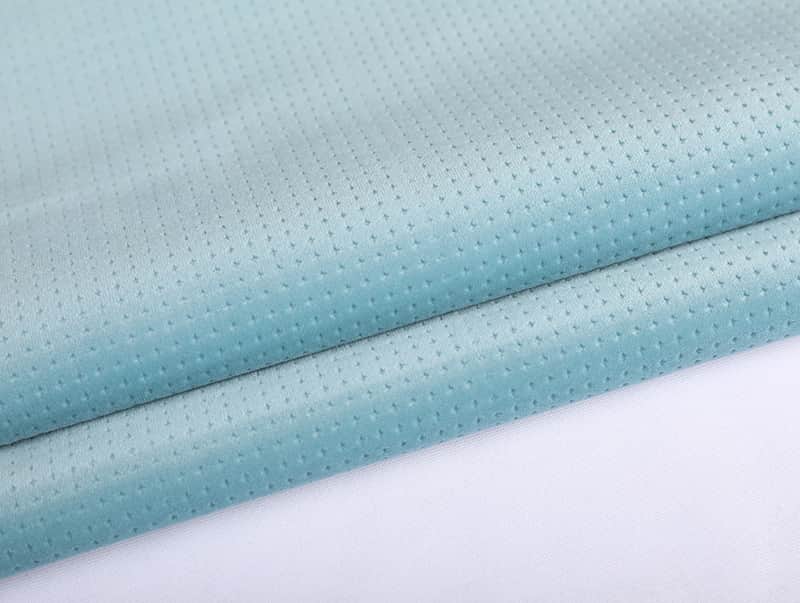
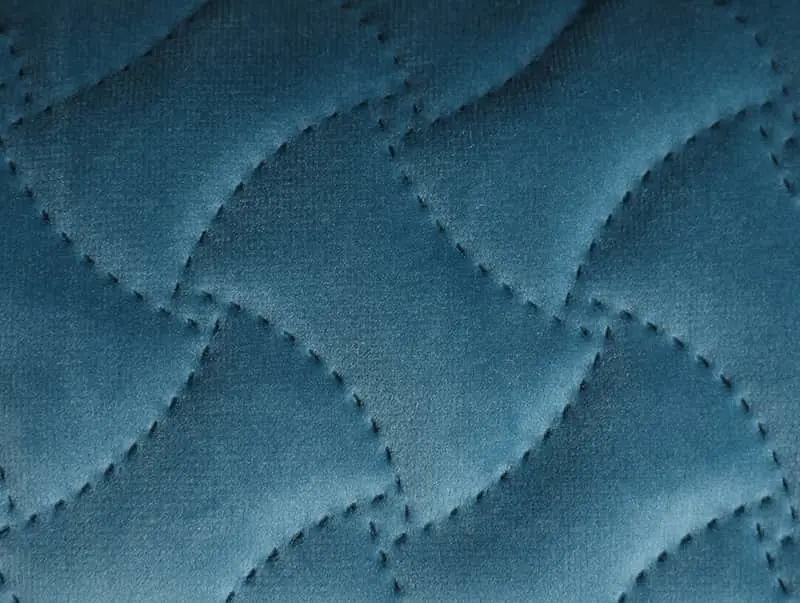
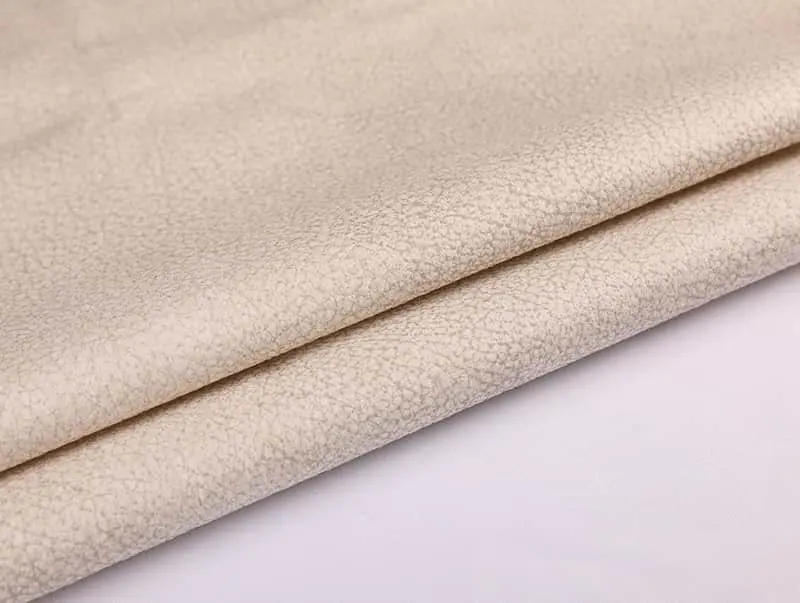
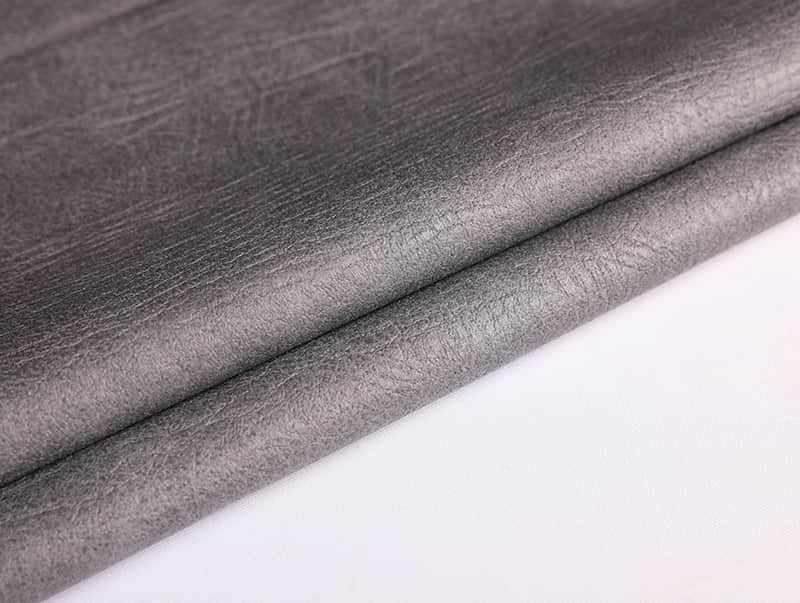
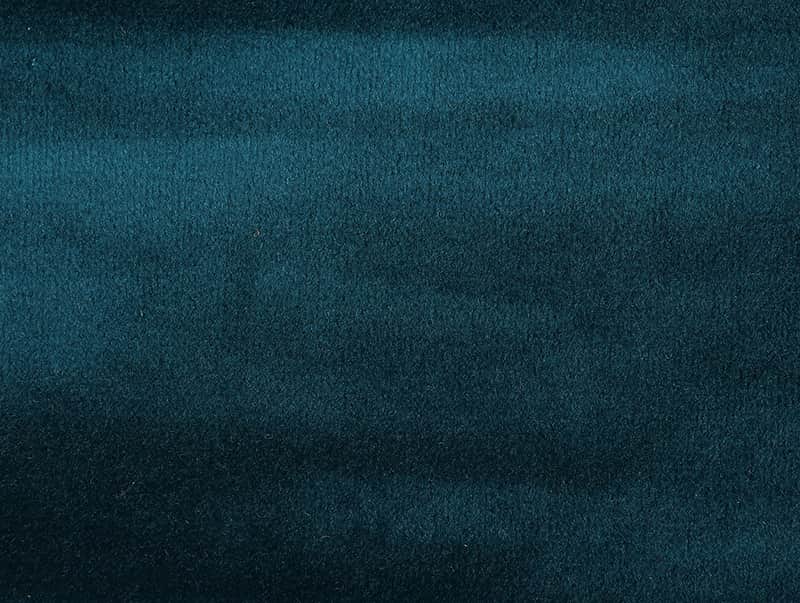
Velvet has held a central position in upholstery for centuries, and its continued dominance in contemporary furniture design is not simply a matter of tradition. The fabric's distinctive surface -- a dense, cut pile that catches and reflects light in multiple directions -- produces a depth of color and tactile quality that no flat-woven or printed textile can replicate. For sofas and seating in particular, velvet upholstery combines visual richness with a surface softness that directly affects how a piece of furniture feels to use, not just to look at.
The category has expanded considerably in recent decades. Where velvet once meant plain silk or cotton pile in solid colors, the segment now encompasses printed velvets with surface patterns, jacquard-woven patterned constructions, performance velvets engineered for durability and cleanability, and multi-fiber blends that replicate the velvet finish at lower cost and with improved practical properties. Understanding the differences between these variants is the starting point for any serious upholstery specification decision.
How Velvet Fabric Is Constructed
Velvet is defined by its pile construction rather than its fiber content. The pile -- the short, upright fibers that form the visible surface -- is created through one of two primary weaving methods:
- Warp pile weaving: Two layers of fabric are woven simultaneously face-to-face, connected by pile yarns running vertically between them. A blade cuts the pile yarns at the center as the fabric is woven, producing two separate velvet lengths with an upright cut pile surface. This is the traditional method for woven velvet and produces the most uniform, dense pile.
- Tufted or knitted pile construction: Loop pile is inserted into a backing fabric and then cut. More economical than warp pile weaving and widely used for velvet-finish fabrics in the mass upholstery market. Pile density and height consistency are generally lower than woven construction but have improved significantly with modern manufacturing.
Pile height is a key specification variable. Shorter pile (1mm to 2mm) produces a denser, more formal appearance and is more resistant to crushing under sustained pressure. Longer pile (3mm and above) creates a softer, more plush hand feel but is more susceptible to pile lay -- the directional flattening that occurs in areas of heavy contact such as seat cushions and armrests.
Fiber Content and Its Effect on Velvet Performance
The fiber composition of velvet fabric furniture determines its appearance, durability, and maintenance requirements more than any other single variable:
- Polyester velvet: The dominant fiber in contemporary upholstery velvet. Polyester pile offers excellent color fastness, resistance to fading under UV exposure, low moisture absorption (reducing staining risk), and consistent pile recovery. Most velvet printed sofa fabric is produced on a polyester pile base because the fiber accepts digital and screen printing with high fidelity and vibrant color saturation.
- Cotton velvet: A natural fiber option with a warmer, softer hand feel than polyester. Cotton velvet absorbs dye deeply, producing rich, nuanced color in solid constructions. However, cotton pile is more susceptible to crushing, staining, and moisture damage -- factors that limit its suitability for high-traffic upholstery without protective finishing.
- Viscose and rayon velvet: Often blended with polyester or cotton to add luster and a slight sheen to the pile surface. Viscose enhances the light-reflective quality that gives velvet its characteristic appearance but reduces the fabric's abrasion resistance if used in high proportions.
- Silk velvet: The original velvet fiber, now used almost exclusively in luxury decorative applications rather than functional upholstery. Silk pile produces exceptional luster and color depth but is highly sensitive to abrasion, moisture, and sunlight, making it impractical for seating that receives daily use.
- Polyester-cotton blends: Common in mid-range upholstery velvet, combining the durability and cleanability of polyester with the softness and natural appearance of cotton. Typical blend ratios range from 70/30 to 80/20 polyester to cotton.
Velvet Printed Sofa Fabric: How Surface Printing Works on Pile Textiles
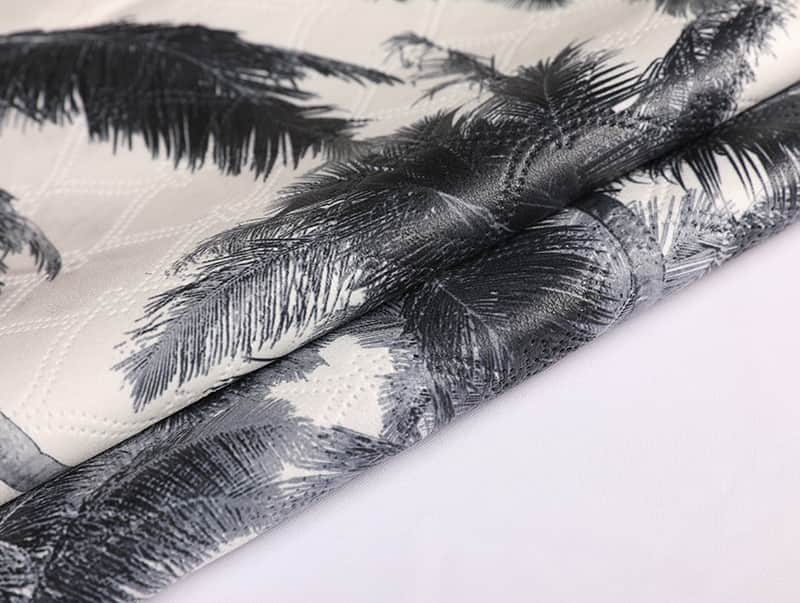
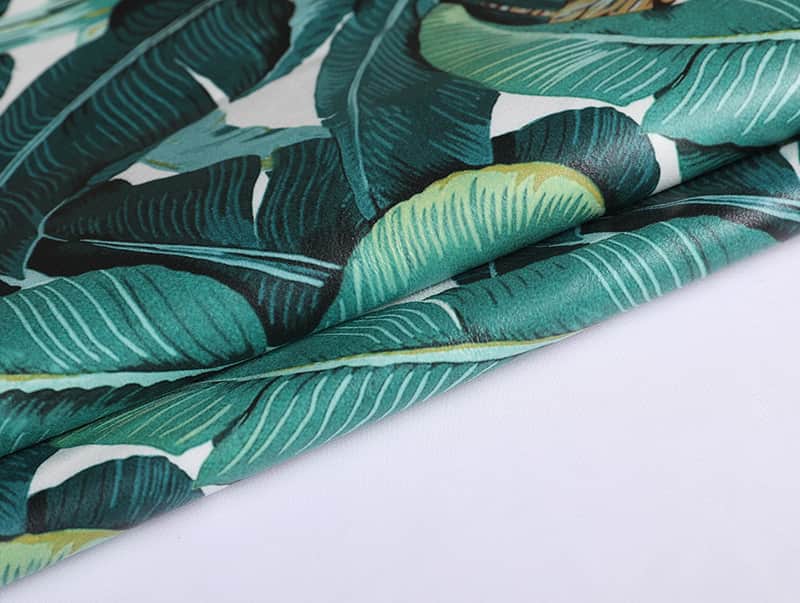
Velvet printed sofa fabric represents one of the most technically demanding categories in upholstery textiles. Printing onto a pile surface is fundamentally different from printing onto a flat woven fabric because the ink or dye must penetrate the pile fibers evenly rather than sitting on a flat substrate. The pile height, density, and fiber type all directly affect how sharply a pattern is rendered on the finished surface.
Printing Methods Used on Velvet
- Rotary screen printing: The most widely used commercial method for high-volume velvet printing. Cylindrical screens apply dye paste to the pile surface as the fabric passes beneath. Produces consistent, repeatable patterns at production scale. Pattern repeat size is limited by screen circumference, typically 64cm to 100cm. Best suited to bold, graphic patterns rather than fine-detail designs.
- Digital inkjet printing: Increasingly used for velvet printed sofa fabric, particularly for shorter runs, bespoke colorways, and designs requiring photographic detail or very fine line work. Digital printing applies ink droplets directly to the pile surface without physical screens, allowing unlimited pattern repeat sizes and rapid colorway changes. Print resolution on velvet is lower than on flat fabrics due to pile surface variation, but modern print heads and purpose-formulated velvet inks have substantially narrowed this gap.
- Discharge printing: A chemical process that selectively removes the dye from a pre-dyed velvet base, leaving a lighter pattern against the original color ground. Produces a soft-hand result without additional dye application and is used for tonal and two-color effects on dark ground velvets.
- Devore (burnout) printing: A specialist technique in which a chemical paste selectively destroys the pile in defined areas, leaving a pattern of flat, transparent ground against the remaining pile. Produces a distinctive contrast between the light-transmitting cut-out areas and the opaque velvet pile -- widely used in decorative upholstery and drapery velvet with botanical and geometric motifs.
Pattern Fidelity and Pile Direction
Pile direction has a significant effect on how a printed pattern appears in use. Velvet pile laid in one direction reflects light differently from pile pushed the other way, which means upholstered pieces cut from the same print can appear to have slightly different color values depending on how the fabric was positioned during cutting. Pattern-matching in velvet printed sofa fabric requires careful attention to pile direction consistency across all cut panels, and fabric allowances for upholstery projects with printed velvets should account for both pattern repeat and directional alignment.
Patterned Velvet Upholstery: Woven vs. Printed Construction
Patterned upholstery velvet is produced through two fundamentally different methods -- weaving the pattern into the fabric structure, or printing it onto the pile surface after weaving. Each approach has distinct visual characteristics, performance properties, and price implications.
Jacquard-Woven Patterned Velvet
Jacquard-woven patterned velvet creates its design by varying pile height, pile density, or pile fiber type across the fabric width as it is woven. The jacquard mechanism controls individual warp ends independently, allowing complex geometric, floral, and abstract patterns to be built directly into the weave structure. The result is a pattern that is integral to the fabric construction rather than applied to its surface -- it cannot wear off, wash out, or fade independently of the base fabric.
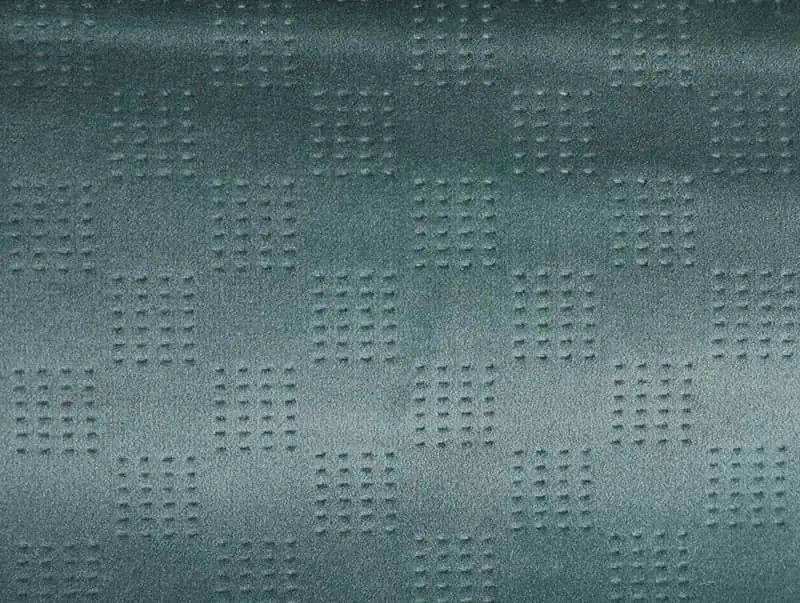
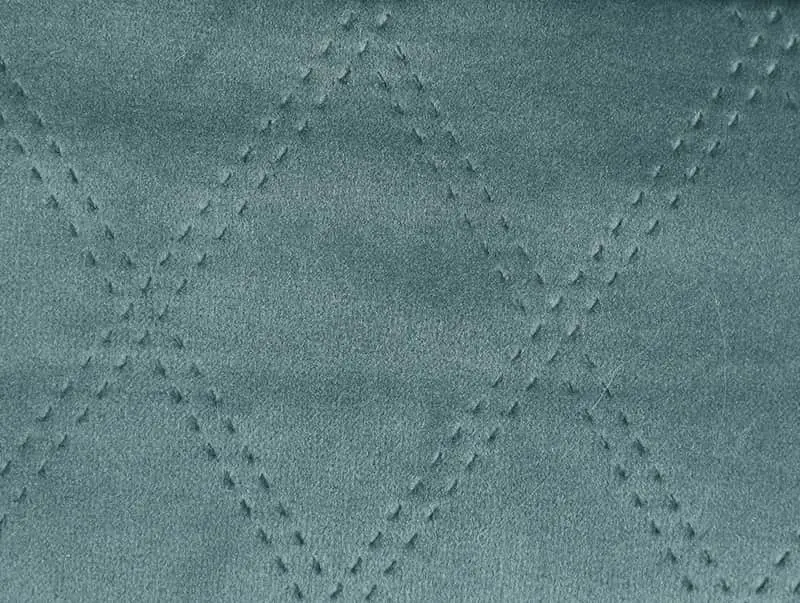
Cut-and-loop jacquard velvet is a common variant in which some pile areas are left as uncut loops while others are cut, creating tactile contrast between the two surface types that reinforces the pattern visually. This technique is widely used in patterned velvet upholstery for geometric and Art Deco-influenced designs.
Printed Patterned Velvet
Printed patterned velvet applies the design after the base velvet is woven, using the printing methods described above. Printed constructions offer greater design flexibility -- photographic imagery, gradients, and unlimited colorways are achievable through digital printing -- but the print sits on the surface of the pile rather than being structurally embedded. With proper fiber selection (polyester pile in particular) and high-quality ink systems, printed velvet upholstery can achieve excellent durability and colorfastness ratings suitable for residential upholstery use.
| Property | Jacquard-Woven Velvet | Printed Velvet |
|---|---|---|
| Pattern permanence | Integral to weave structure | Applied to pile surface |
| Design complexity | Limited by loom capabilities | Unlimited (digital printing) |
| Colorway flexibility | High tooling cost per colorway | Low cost colorway changes (digital) |
| Tactile surface variation | Yes (cut and loop contrast) | No (uniform pile surface) |
| Minimum order quantity | Higher (loom setup costs) | Lower (especially digital) |
| Typical price range | Mid to premium | Entry to mid |
Sofa Fabric Velvet Finish: Performance Standards and Durability Testing
A fabric that presents a convincing velvet finish on the bolt can fail rapidly in upholstery use if its performance characteristics are not matched to the demands of the application. For sofa upholstery specifically, the key performance benchmarks are abrasion resistance, pilling resistance, colorfastness, and pile recovery after compression.
Abrasion Resistance
Abrasion resistance in upholstery fabrics is measured using the Martindale test (ISO 12947), which subjects the fabric to a circular rubbing motion against a standard abradant under defined pressure. Results are expressed in cycles to visible surface change or yarn breakage. For residential sofa upholstery, a minimum rating of 20,000 Martindale cycles is generally accepted, with 30,000 to 50,000 cycles recommended for pieces in frequent daily use. Contract or commercial upholstery applications typically require 50,000 cycles or above.
Velvet pile fabrics are inherently more vulnerable to abrasion than flat-woven constructions because the pile fibers are held at only one end. Pile density -- the number of pile ends per unit area -- is the primary determinant of abrasion resistance in velvet; denser pile distributes abrasive stress across more fibers, reducing the rate of pile loss.
Colorfastness
Colorfastness is evaluated across several exposure types relevant to upholstery use: light fastness (ISO 105-B02, measuring resistance to UV fading), rubbing fastness (ISO 105-X12, measuring dye transfer under dry and wet rubbing), and washing or cleaning fastness where applicable. Velvet upholstery fabrics for residential use should achieve a minimum rating of 4 out of 5 on the grey scale for both light and rubbing fastness.
Printed velvets introduce an additional variable: the colorfastness of the print ink or dye system relative to the pile fiber. Reactive dye systems used on cotton pile and disperse dye systems used on polyester pile both achieve high colorfastness when correctly applied and fixed, but the fixation process must be precisely controlled to avoid uneven fastness across the printed design.
Pile Recovery and Crushing Resistance
Pile crushing -- the permanent flattening of velvet pile in areas of sustained pressure -- is the characteristic wear pattern most visible in velvet sofa fabric after extended use. Seat cushion areas and armrests are the most affected zones. Pile recovery is influenced by fiber type (polyester recovers better than cotton or viscose), pile height (shorter pile crushes less visibly), and pile density. Performance velvets engineered for upholstery use incorporate higher pile density and tighter backing constructions specifically to improve crushing resistance compared to velvets designed for drapery or decorative use.
Velvet Fabric Furniture: Design Applications and Specification Guidance
Velvet fabric furniture spans a wide range of interior styles and price points, and the fabric selection should be aligned to both the aesthetic intent and the practical demands of the piece and its environment.
Solid vs. Patterned Velvet for Sofas
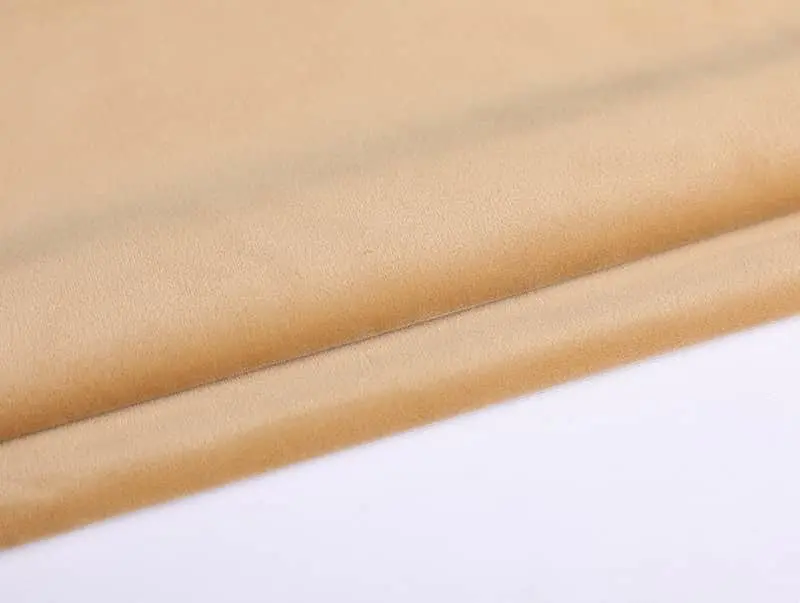
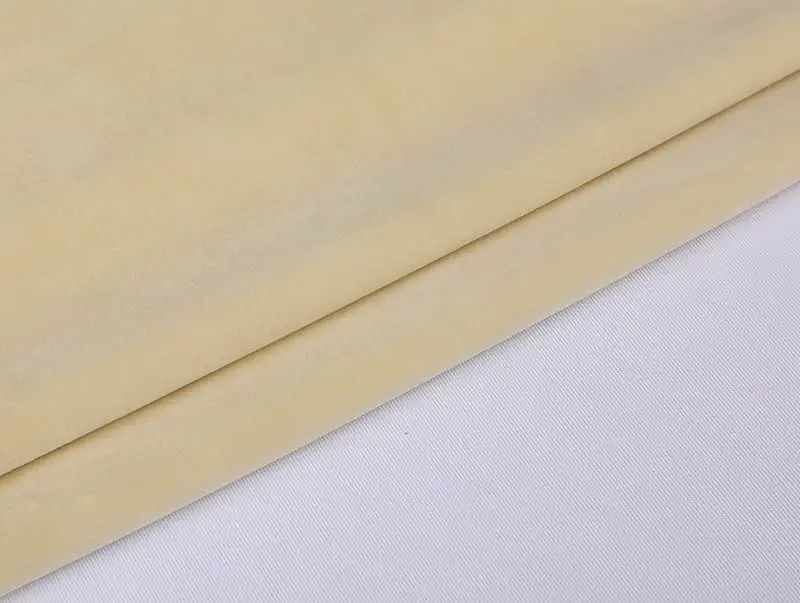
Solid color velvet upholstery emphasizes the inherent surface characteristics of the fabric -- the light-play of the pile, the depth of the color, and the tactile quality of the surface. It suits both statement pieces (a jewel-tone sofa as a room focal point) and neutral anchor pieces (a mid-grey or stone velvet sofa as a backdrop for other furnishings). The absence of a pattern means pile direction and color consistency across panels are visually prominent; careful cutting and panel alignment are essential.
Patterned upholstery velvet -- whether woven or printed -- introduces a graphic element that can define the visual character of a piece independently of its silhouette. Large-scale botanical prints, geometric repeats, and abstract designs are all well-established in the patterned velvet upholstery segment. Pattern scale should be considered relative to the size of the upholstered surface: a large repeat that reads well on a full sofa back may fragment awkwardly on a chair seat or cushion panel.
Velvet in Commercial and Hospitality Upholstery
Velvet fabric furniture has expanded significantly into hospitality and commercial interiors -- hotel lobbies, restaurant seating, boutique retail environments -- where the material's ability to convey luxury and warmth is valued alongside its visual distinctiveness. In these contexts, performance requirements are more stringent than for residential use. Commercial velvet upholstery specifications typically include FR (flame retardant) treatment to meet relevant building regulations, higher Martindale ratings (50,000 cycles and above), and resistance to cleaning chemicals used in commercial maintenance programs.
Inherently FR fiber systems -- such as modacrylic or inherently flame-retardant polyester pile -- are increasingly preferred over topically applied FR treatments in high-use commercial applications, as topical treatments can diminish with repeated cleaning cycles.
Care and Maintenance of Velvet Upholstery
Velvet upholstery requires more attentive maintenance than flat-woven fabrics to preserve its appearance over time. The following practices apply to most velvet sofa fabric types:
- Regular brushing: Use a soft-bristled upholstery brush in the direction of the pile to lift flattened areas and remove surface dust before it works into the pile base.
- Steam treatment for crush marks: Light steaming followed by gentle brushing against the pile direction can restore flattened pile in crush-marked areas. Do not apply steam directly to printed velvet without testing on an inconspicuous area first, as high-temperature steam can affect some ink systems.
- Spot cleaning: Blot (do not rub) liquid spills immediately with a clean, dry cloth. Rubbing spreads the liquid and pushes it deeper into the pile. For water-based stains on polyester velvet, a damp cloth followed by gentle blotting is usually sufficient. For oil-based stains or printed velvet, a solvent-based upholstery cleaner appropriate to the fiber type should be used.
- Avoid prolonged pressure: Where possible, rotate cushions and redistribute seating positions to prevent localized pile crushing in the same areas over extended periods.
- Sunlight exposure: Position velvet fabric furniture away from prolonged direct sunlight wherever practical. Even high-fastness velvet upholstery will experience color shift over years of direct UV exposure, and the pile surface may develop an uneven sheen in strongly lit areas.
Sourcing and Specifying Velvet Upholstery Fabric
For furniture manufacturers, upholsterers, and interior designers specifying velvet fabric for sofa and seating projects, the following framework covers the key parameters to confirm before fabric selection is finalized:
- Fiber content and pile construction: Confirm the pile fiber (polyester, cotton, blend), pile height, and pile density. Request the fabric data sheet rather than relying on visual assessment alone.
- Martindale abrasion rating: Verify the test result and the abradant used. Confirm the rating is appropriate for the intended use environment -- residential, light contract, or heavy contract.
- Colorfastness ratings: Request light fastness and rubbing fastness test results to ISO standards. For printed velvet, confirm that the print ink system fastness has been tested independently from the base fabric.
- FR compliance: For commercial upholstery or markets with mandatory furniture flammability regulations, confirm the FR standard met and whether the treatment is topical or inherent.
- Fabric width and usable repeat: Confirm the fabric width (typically 140cm to 150cm for upholstery velvet) and, for patterned velvet, the pattern repeat dimensions in both directions. Calculate fabric requirements with appropriate allowances for pile direction and pattern matching.
- Minimum order quantity and lead time: For printed and woven patterned velvets, minimum order quantities can be significant. Confirm availability of stock versus made-to-order supply and the lead time implications for the production schedule.
Requesting physical samples before finalizing specification is essential for velvet upholstery decisions. The pile surface interacts with light and touch in ways that are impossible to evaluate from a digital image or a written description, and the difference between an acceptable fabric and the right fabric for a given project is often only apparent when a substantial sample is placed in the actual lighting conditions of the installation environment.