 中文简体
中文简体
 English
 Español
 عربى
عربى
Content
Introduction to Supersonic Laminated Polyester Velvet
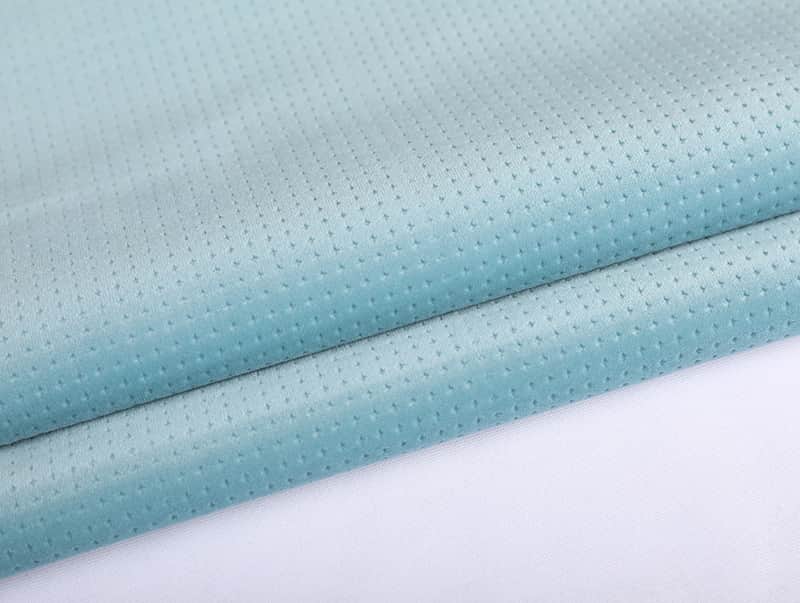
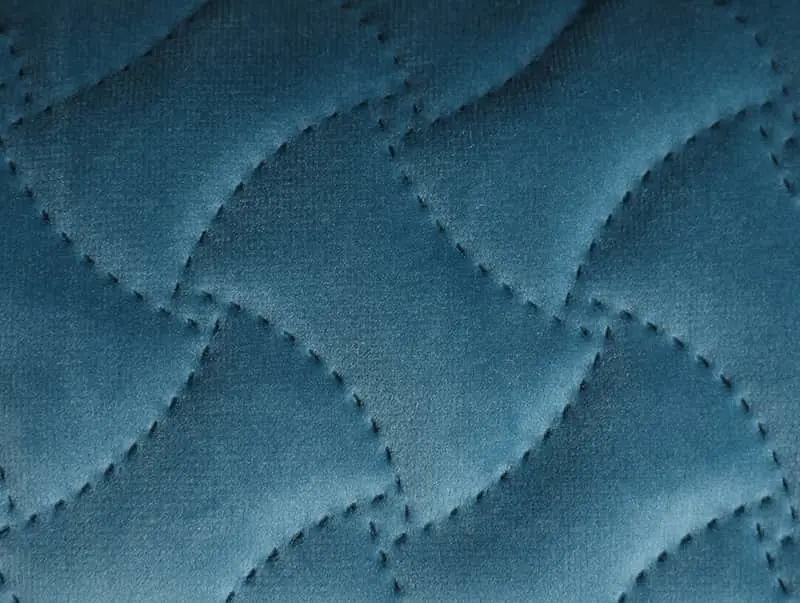
Supersonic laminated polyester velvet represents a premium upholstery option for sofas, combining the aesthetic richness of velvet with the durability and resistance of laminated polyester. This hybrid material enhances the tactile comfort, visual depth, and long-term wear resistance of furniture, making it popular in residential and commercial interiors. Within this category, Dutch velvet and French velvet are widely recognized, yet they differ significantly in texture, finish, and application suitability.
Key Differences Between Dutch Velvet and French Velvet
Although both Dutch and French velvets share the common characteristic of being supersonic laminated polyester, they are differentiated by weaving techniques, fiber density, and surface finish. These factors influence softness, durability, and visual appeal.
Fiber Structure and Pile Density
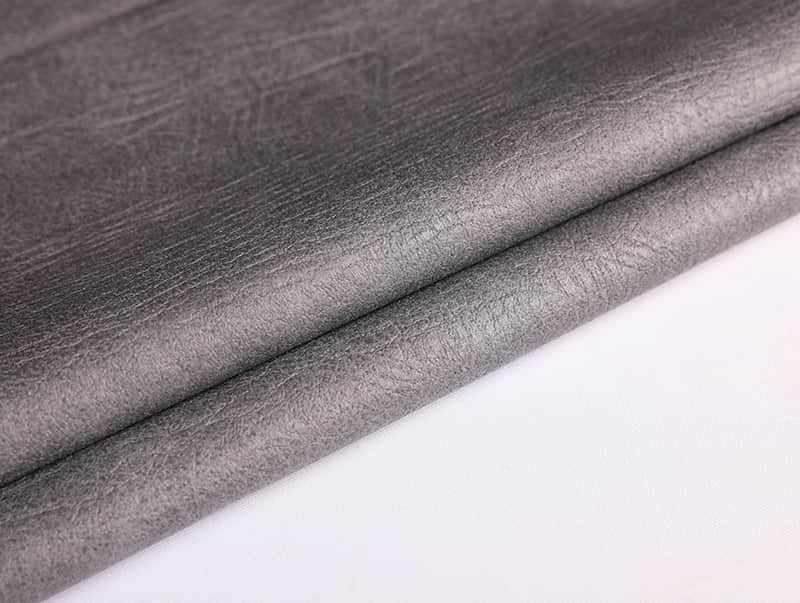
Dutch velvet typically has a slightly looser pile with medium-density fibers, providing a plush but structured feel. French velvet, by contrast, features higher pile density and finer fiber strands, resulting in a smoother and silkier surface. This distinction affects the tactile experience and the level of sheen visible under light.
Surface Finish and Sheen
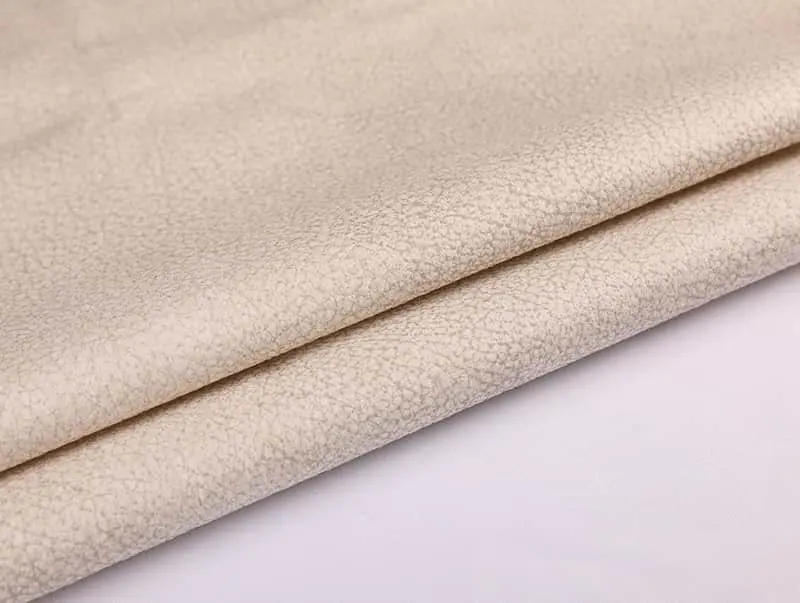
French velvet often exhibits a higher luster due to finer fibers and tighter weaving, giving it a more reflective and luxurious appearance. Dutch velvet presents a softer matte finish, emphasizing a cozy and inviting look rather than brilliance. These visual differences are crucial when matching upholstery to interior aesthetics.
Durability and Resistance
Both types benefit from the laminated polyester backing, which provides resistance against stains, abrasions, and fading. However, Dutch velvet’s medium pile density offers greater resilience against pressure marks and prolonged sitting, while French velvet, being finer and denser, is slightly more delicate and may require careful maintenance to retain its pristine appearance.
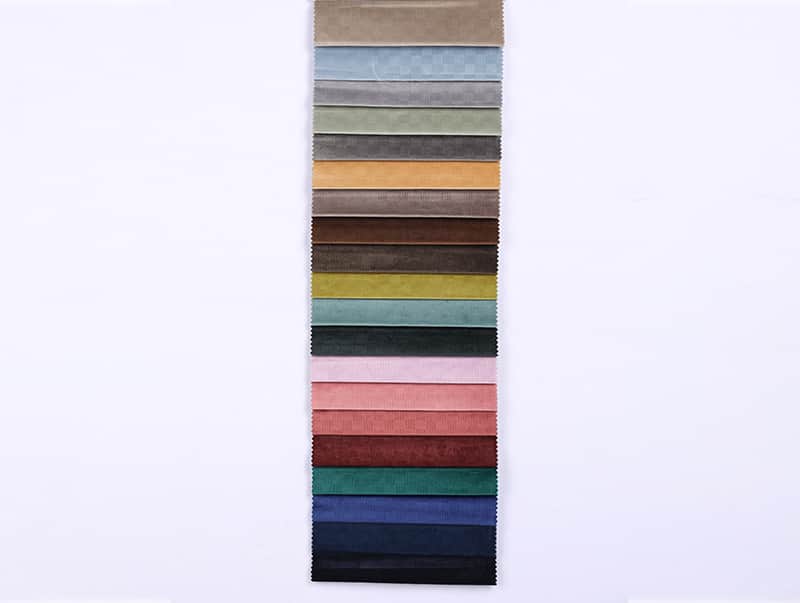
Comparative Table of Dutch Velvet vs French Velvet
| Feature | Dutch Velvet | French Velvet |
| Pile Density | Medium | High |
| Surface Texture | Soft matte | Smooth and silky |
| Durability | High, resilient to wear | Moderate, requires careful maintenance |
| Visual Appeal | Warm, cozy look | Luxurious and reflective |
| Maintenance | Easy to maintain | Moderate, avoid excessive abrasion |
Typical Application Scenarios
The choice between Dutch and French velvet depends on design requirements, usage intensity, and aesthetic goals.
Dutch Velvet Applications
- Family living rooms and lounges where daily use demands durability and resilience.
- Commercial seating areas such as cafes or hotels, benefiting from easy maintenance.
- Spaces emphasizing a warm, cozy, and inviting atmosphere rather than high reflectivity.
- Furniture designs requiring a plush texture without the need for high sheen.
French Velvet Applications
- Luxury residential interiors where visual impact and reflective surface are prioritized.
- Decorative accent furniture pieces, including statement sofas, chaise lounges, and headboards.
- Premium hospitality spaces seeking opulent aesthetics and tactile sophistication.
- Low-traffic areas where careful maintenance can preserve the lustrous appearance over time.
Maintenance Tips for Supersonic Laminated Velvet
Regardless of the velvet type, proper care ensures longevity and aesthetic quality. Tips include:
- Regular vacuuming with a soft brush to remove dust and debris from the pile.
- Immediate attention to spills using blotting techniques and non-abrasive cleaning solutions.
- Rotating cushions periodically to prevent uneven wear and pressure marks.
- Avoiding exposure to direct sunlight for prolonged periods to prevent color fading.
- Using protective covers in high-traffic areas to maintain the surface sheen, particularly for French velvet.
Conclusion
Understanding the distinctions between Dutch and French velvet is essential for selecting the right upholstery for supersonic laminated polyester sofas. Dutch velvet is ideal for high-traffic, cozy environments with lower maintenance needs, while French velvet excels in luxury, low-traffic applications that prioritize aesthetic impact. By aligning fabric choice with intended usage, designers and consumers can maximize comfort, durability, and visual appeal, ensuring long-term satisfaction with their upholstered furniture.