 中文简体
中文简体
 English
 Español
 عربى
عربى
Content
- 1 What Makes Curtain Velvet Fabrics Stand Out
- 2 Why Theaters Rely on Velvet Curtains
- 3 Velvet Curtains in Hotel Interiors
- 4 Event Venues: Where Elegance Meets Practicality
- 5 Comparing Common Curtain Velvet Fabric Types
- 6 Key Factors to Consider When Selecting Velvet Curtain Fabric
- 7 Installation and Maintenance Best Practices
- 8 The Long-Term Value of Investing in Quality Velvet
What Makes Curtain Velvet Fabrics Stand Out
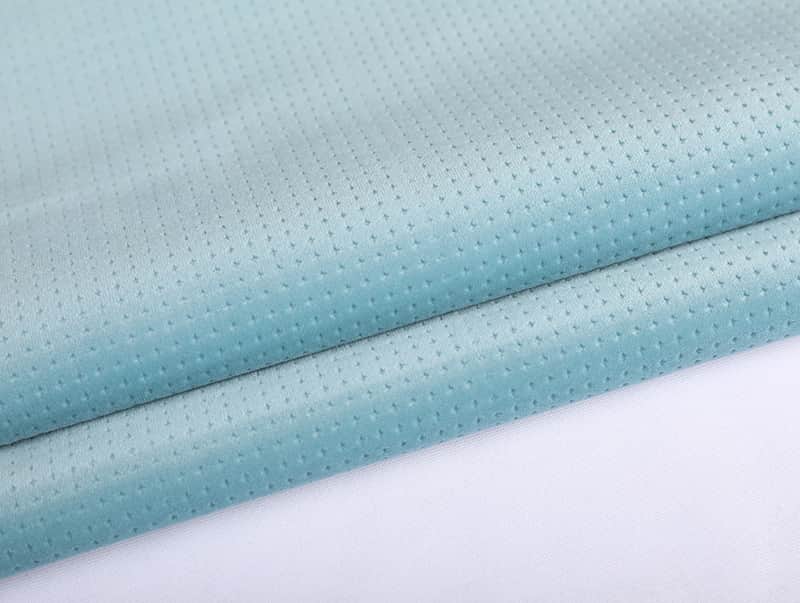
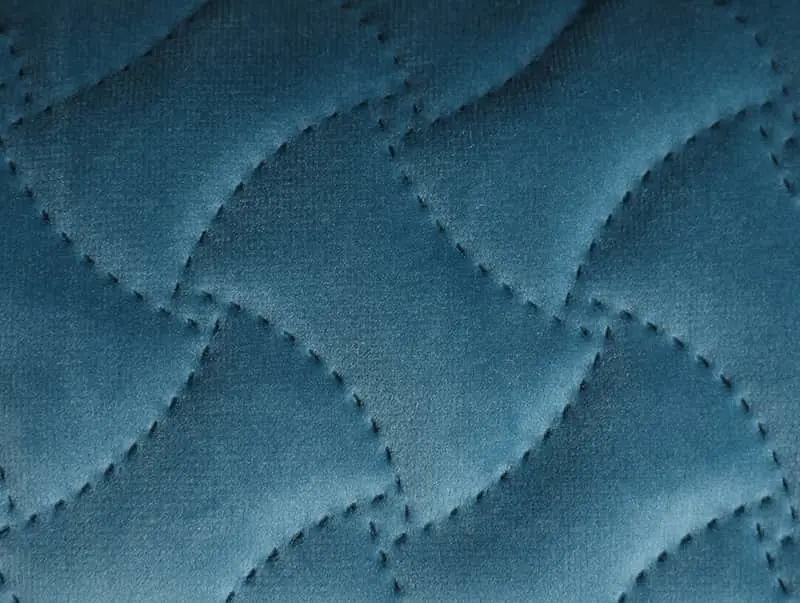
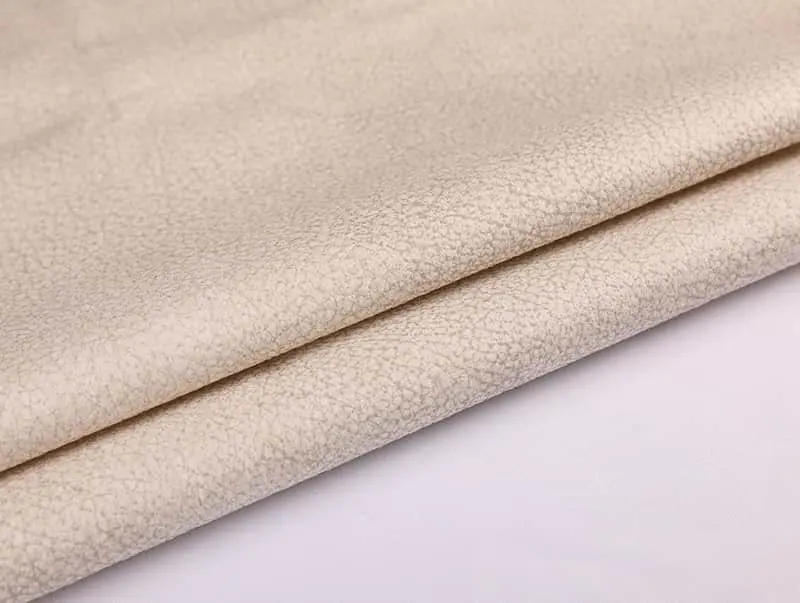
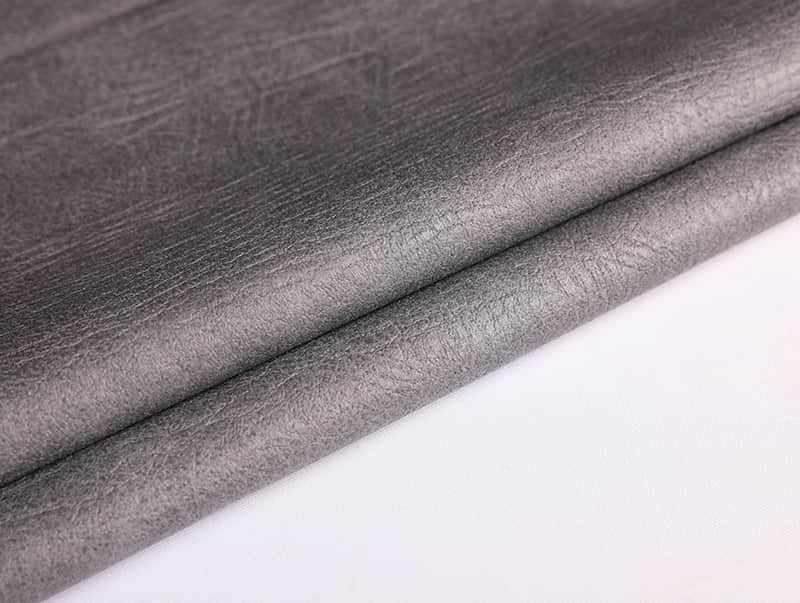
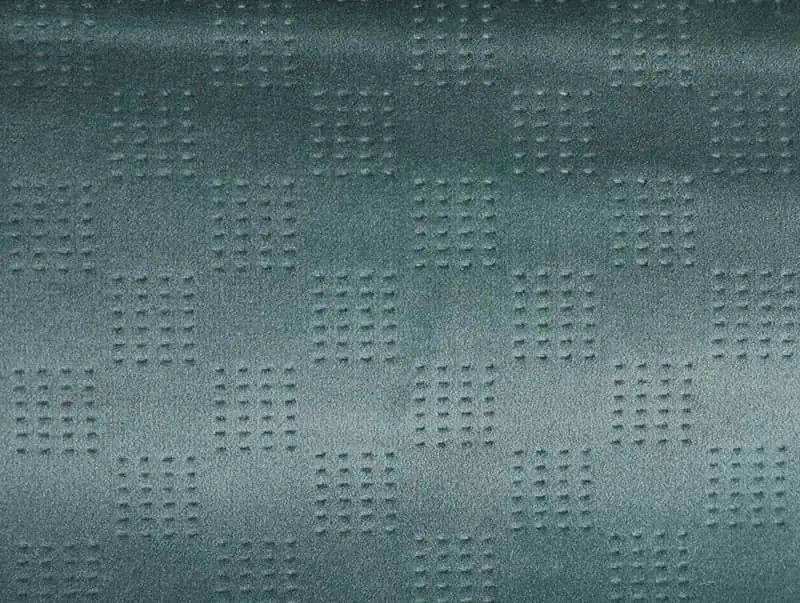
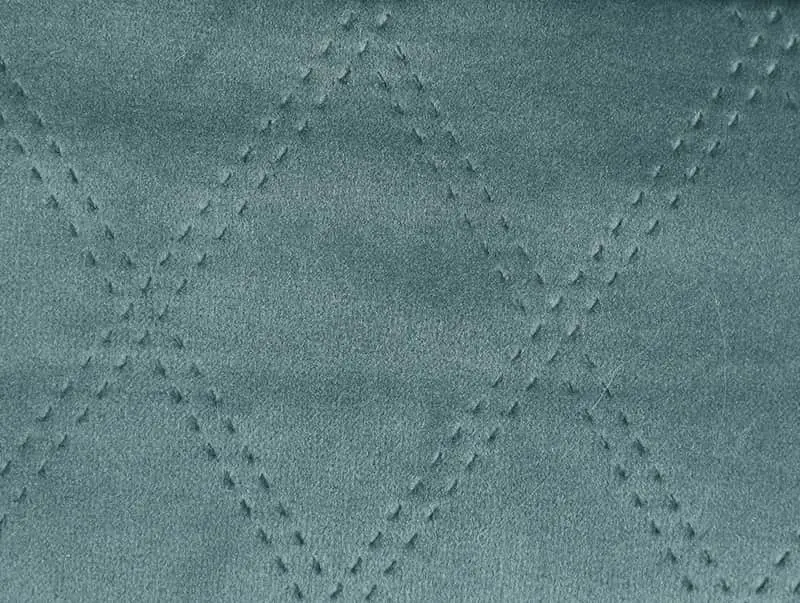
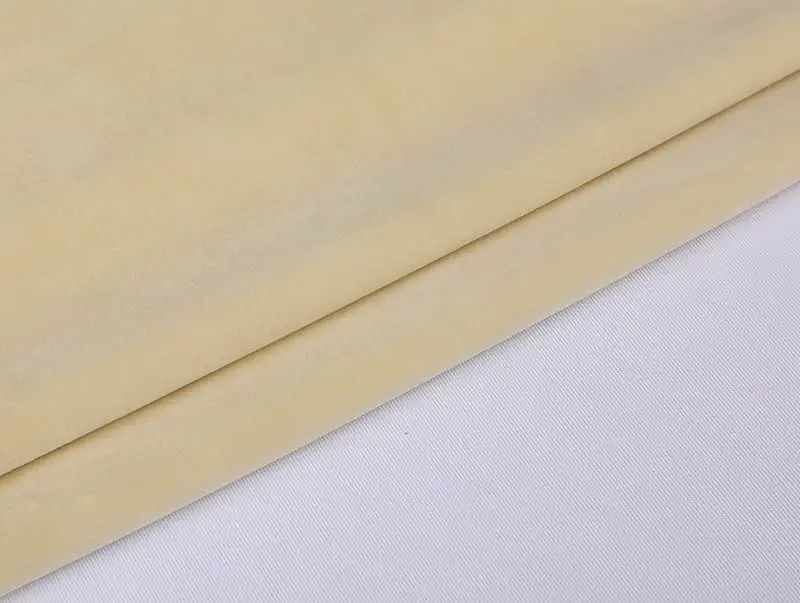
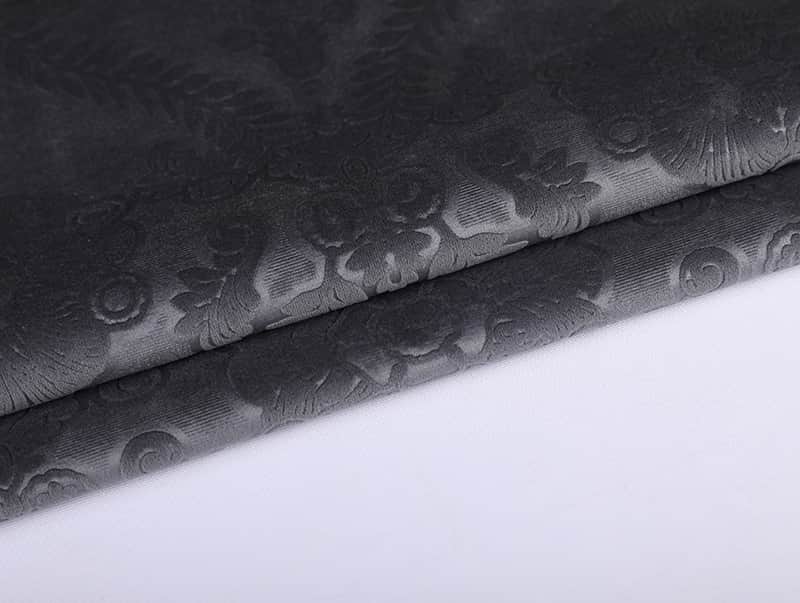
When it comes to window treatments and stage drapery that balance elegance with genuine functionality, curtain velvet fabrics consistently rise to the top. Velvet has been a symbol of luxury and refinement for centuries, but its enduring popularity in professional settings like theaters, hotels, and event venues is not purely aesthetic. The fabric's unique construction — a dense pile of cut fibers that stand upright on a woven backing — gives it a combination of visual depth, acoustic performance, and light-blocking capability that few other materials can replicate. Understanding what sets velvet apart helps explain why it remains the industry standard across some of the most demanding interior environments in the world.
Modern curtain velvet is available in a wide range of fiber compositions, including polyester, cotton, silk, and blended variants. Each type offers a distinct balance of durability, sheen, and cost-effectiveness. Polyester velvet, for example, is the most commonly used in commercial applications because it is highly resistant to fading, easy to clean, and significantly more affordable than natural-fiber alternatives, while still delivering that signature rich drape and soft surface texture that velvet is known for.
Why Theaters Rely on Velvet Curtains
In theatrical environments, curtains serve a purpose far beyond decoration. They are functional tools that shape the audience's experience from the moment they walk into the venue. Curtain velvet fabrics are the material of choice in theaters around the world for several well-established reasons that go straight to the heart of what a stage requires.
Acoustic Absorption and Sound Control
Velvet's dense pile structure makes it one of the most effective passive sound-absorbing materials available in fabric form. In a theater, controlling sound reflections and reverb is critical to ensuring that dialogue, music, and sound effects reach the audience clearly. Heavy velvet stage curtains — often referred to as drapes or legs — absorb stray sound waves that would otherwise bounce off hard walls and create echo. This acoustic benefit alone justifies the use of velvet in performance venues, particularly in spaces with high ceilings or hard architectural surfaces.
Complete Light Blackout for Stage Effects
Theatrical lighting is a precise art, and any unwanted ambient light can undermine a carefully designed lighting scheme. Velvet curtains, especially those made with a blackout lining or constructed from heavyweight fabric, block virtually all external light. This makes them indispensable for controlling the stage environment, masking off-stage areas from audience view, and enabling dramatic lighting transitions. A deep black velvet curtain becomes essentially invisible to the audience under stage lighting, creating the impression of infinite depth behind performers.
Flame Retardancy for Safety Compliance
Professional theatrical velvet curtains are almost universally treated with flame-retardant finishes or manufactured from inherently flame-resistant fibers. This is not optional — fire safety regulations in most countries require that all stage drapery in public performance venues meet specific flammability standards. Many manufacturers produce velvet fabrics that carry certifications such as NFPA 701 (USA), BS 5867 (UK), or DIN 4102 (Germany), ensuring compliance without compromising on appearance or performance.
Velvet Curtains in Hotel Interiors
The hospitality industry has long understood that the physical environment of a hotel communicates its brand values before a single word is spoken. Curtain velvet fabrics are a cornerstone of luxury hotel design because they immediately signal quality, attention to detail, and comfort — all values that guests associate with a premium stay experience.
In hotel guest rooms, velvet blackout curtains play a practical role in ensuring guests can sleep at any hour without disturbance from outside light, which is particularly important in urban locations. In lobbies, ballrooms, and event spaces, velvet drapery creates a sense of grandeur and warmth that lighter or more utilitarian fabrics simply cannot achieve. The way velvet catches and diffuses light — creating those characteristic highlights and shadows across its surface — adds a three-dimensional visual richness to any interior space.
Color Range and Interior Design Flexibility
One reason hotel designers favor velvet is its extraordinary range of available colors. Unlike some specialty fabrics that come in limited palettes, curtain velvet is produced in hundreds of shades — from deep jewel tones like emerald, sapphire, and burgundy to neutral taupes, creams, and charcoals. This versatility means velvet can anchor a traditional, ornate interior as easily as it can complement a modern, minimalist design scheme. The fabric's inherent ability to absorb and reflect color with unusual depth makes even standard hues look more saturated and intentional on velvet than on flat-weave alternatives.
Event Venues: Where Elegance Meets Practicality
Event venues — including conference centers, banquet halls, wedding venues, and exhibition spaces — face a unique challenge: they must accommodate a constantly changing range of events and aesthetics while maintaining a consistently high standard of appearance. Curtain velvet fabrics are exceptionally well-suited to this environment because they are durable enough to withstand frequent use and movement while remaining visually impressive under varied lighting conditions.
Velvet pipe-and-drape systems are a staple in the events industry for this reason. They can be rapidly configured to divide large open spaces, create intimate breakout areas, mask unsightly service corridors or equipment, and frame stages or presentation areas. The weight and fullness of velvet gives these temporary structures a polished, permanent look — an important quality when creating an atmosphere for a high-profile corporate event, gala dinner, or wedding reception.
Comparing Common Curtain Velvet Fabric Types
Not all velvet curtain fabrics are the same. Choosing the right type for a specific venue or application requires understanding the key differences in material, performance, and cost.
| Fabric Type | Key Qualities | Best For |
| Polyester Velvet | Fade-resistant, easy care, affordable | Theaters, event venues, commercial use |
| Cotton Velvet | Natural feel, rich color depth, breathable | Boutique hotels, residential luxury |
| Silk Velvet | Exceptional luster, ultra-soft, premium | High-end hotels, bespoke interiors |
| Velvet Blend | Balanced durability and appearance | Multi-purpose venues, hospitality |
| FR Treated Velvet | Flame retardant certified, safety compliant | All public venues, stage use |
Key Factors to Consider When Selecting Velvet Curtain Fabric
Choosing the right curtain velvet fabric for a professional setting involves evaluating several interconnected factors. Making the wrong choice can lead to increased maintenance costs, premature fabric deterioration, or failure to meet safety standards.
- Weight and pile density: Heavier velvet with a denser pile provides better light blocking and acoustic absorption, making it more suitable for theaters and cinema environments. Lighter velvets work better for decorative hotel drapery where drape and movement are prioritized.
- Flame retardancy certification: Always verify that the fabric carries the appropriate fire safety certification for your country or region. In public assembly venues, this is a legal requirement, not a preference.
- Colorfastness: In venues where curtains are exposed to stage lighting, sunlight, or frequent use, the fabric must resist fading. Look for velvet rated to a minimum of Grade 5 on the ISO colorfastness scale for light exposure.
- Maintenance requirements: Commercial velvet curtains need to be cleaned periodically. Confirm whether the fabric can be machine washed, dry cleaned, or requires specialist treatment, and factor this into total cost of ownership.
- Width and repeat pattern: For large installations such as stage drops or ballroom drapes, selecting fabric with adequate width minimizes visible seams. Custom-width velvet is available from specialist suppliers for large-scale projects.
- Pile direction: Velvet has a directional pile that affects how color appears. Always cut and hang panels with the pile running in the same direction to avoid panels that look like different shades of the same color under lighting.
Installation and Maintenance Best Practices
Even the highest-quality curtain velvet fabric will underperform if it is installed or maintained incorrectly. Professional installation is strongly recommended for large commercial applications, as the weight of velvet — particularly heavy theatrical grades — requires robust track systems, appropriate rigging hardware, and precise measurement to hang correctly and safely.
For routine maintenance, velvet curtains should be vacuumed regularly using a soft brush attachment to remove dust from the pile without crushing or distorting the fibers. Spot cleaning should be done with care, using a damp cloth and gentle pressure — never rubbing, as this can permanently alter the pile direction and create visible marks. Professional steam cleaning is effective for refreshing the pile and removing light odors, particularly after events or performances. Deep cleaning should be handled by a specialist textile cleaning service experienced with velvet to avoid shrinkage, pile damage, or loss of flame-retardant treatment.
The Long-Term Value of Investing in Quality Velvet
The initial cost of high-quality curtain velvet fabric is higher than many alternatives, but for theaters, hotels, and event venues, it represents a sound long-term investment. Properly maintained velvet curtains last significantly longer than lighter-weight fabrics under comparable conditions of use. They retain their visual impact over many years, meaning venues avoid the recurring cost and disruption of frequent replacements. Beyond economics, the atmospheric quality that velvet brings to a space — the sense of warmth, luxury, and theatrical presence — is genuinely difficult to replicate with any other material, and it continues to define the standard of excellence in professional venue design worldwide.