 中文简体
 English
 Español
 عربى
A beige roman shade looks like the easiest decision in a room, right up until the sample arrives and reads pink on your wall at four in the afternoon. We have been weaving and finishing curtain fabrics in Haining since 2002, and the questions we hear about beige shades barely change: which beige, how heavy should the cloth be, and how much daylight should still come through. What follows is roughly the order in which those questions actually matter.
Content
- 1 Why Beige Roman Shades Keep Coming Back
- 2 Start With the Undertone, Not the Word
- 3 Fabric Weight Changes How a Shade Folds
- 4 Lining and Backing Decide How the Room Feels
- 5 Matching Beige to Light Direction and Room Use
- 6 Care That Keeps Beige Looking Clean
- 7 Sourcing Beige Shade Fabric in Practice
- 8 A Last Word on Choosing
Why Beige Roman Shades Keep Coming Back
A roman shade is geometry. It is a flat panel that stacks into horizontal folds, with no gathering and no generous drape to hide behind, so the fabric either holds a clean line or it does not. Beige supports that geometry instead of arguing with it. It lets the shadow lines of the folds do the visual work, which is why the same shade that looks unremarkable in a photograph can look quietly expensive above a kitchen sink.
There is a practical side as well. A neutral beige survives repainting, new furniture and the slow drift of taste far better than most colours, and it sits comfortably beside oak, rattan, brass and painted joinery. The honest downside is maintenance: pale beige shows dust and cooking haze sooner than a mid-tone greige, so the lighter the shade, the more regularly it needs brushing.
Start With the Undertone, Not the Word
Beige is a family, not a colour. Two swatches can carry the same name and still behave like strangers once they are hanging in front of a window. Before you fall for a name on a sample card, look at what sits underneath it.
| Undertone | What it does in a room | Pairs well with |
|---|---|---|
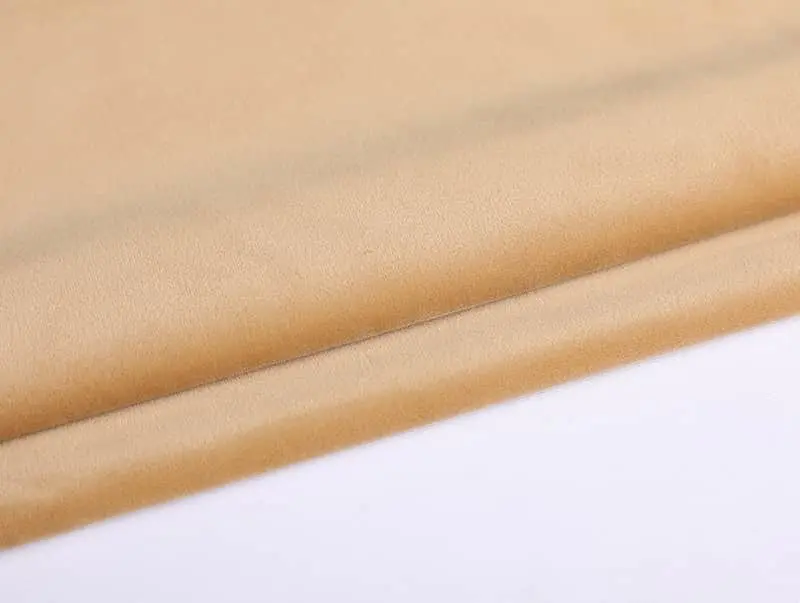
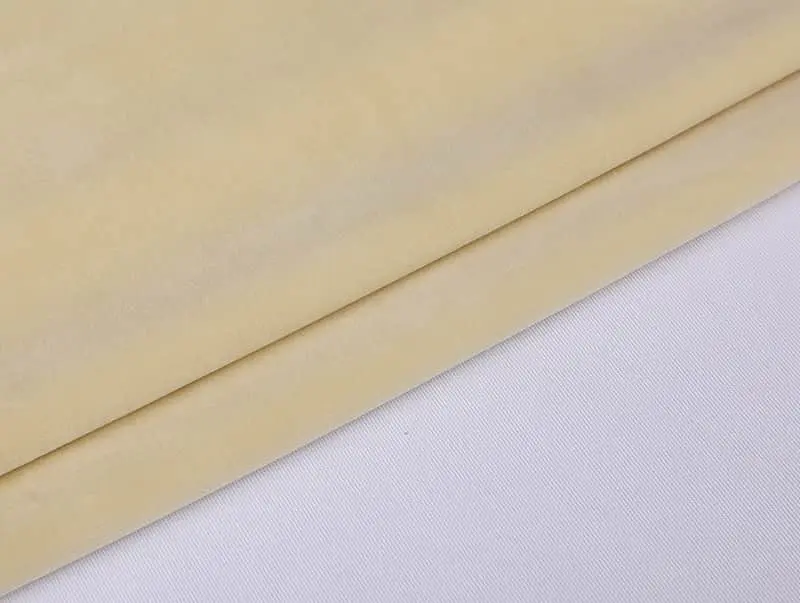
| Oatmeal or warm sand | Creamy, with a yellow lean; glows in late afternoon light | Oak, cane, terracotta, natural linen |
| Greige | Grey leaning and calm; stays quiet in cool light | Concrete, black metal, pale grey walls |
| Taupe | Brown-grey with depth; darkens noticeably when the shade is down | Walnut, leather, deep greens |
| Blush beige | A whisper of pink that softens hard light | Brass, warm white, dusty rose |
Then test it where it will live. Tape the sample to the window and look at it at eight in the morning, at midday, and again under a lamp in the evening. A warm beige facing cool north light can turn grey without warning, and a cool greige in a west-facing room can read slightly muddy once the sun drops. Ten minutes of this saves a very long twelve months of regret.
Fabric Weight Changes How a Shade Folds
Roman shades stack, and every stack of folds is a small pile of fabric sitting at the top of the window. The heavier the cloth, the bulkier that pile becomes, the deeper the folds sit, and the stronger the lift mechanism has to be. This is where fabric choice stops being purely visual.
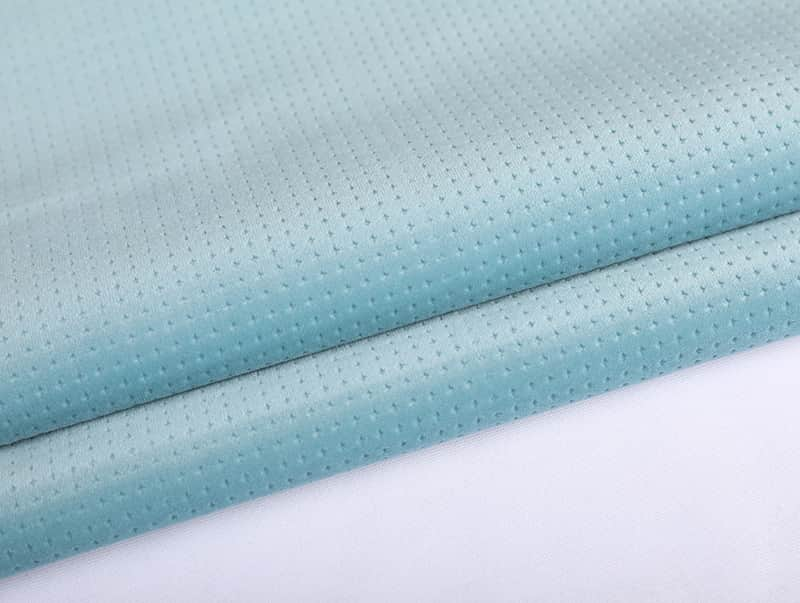
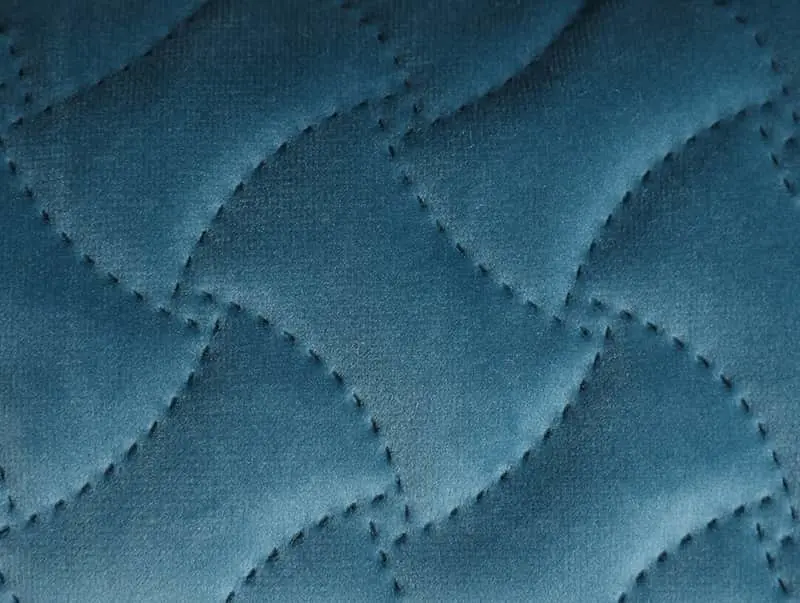
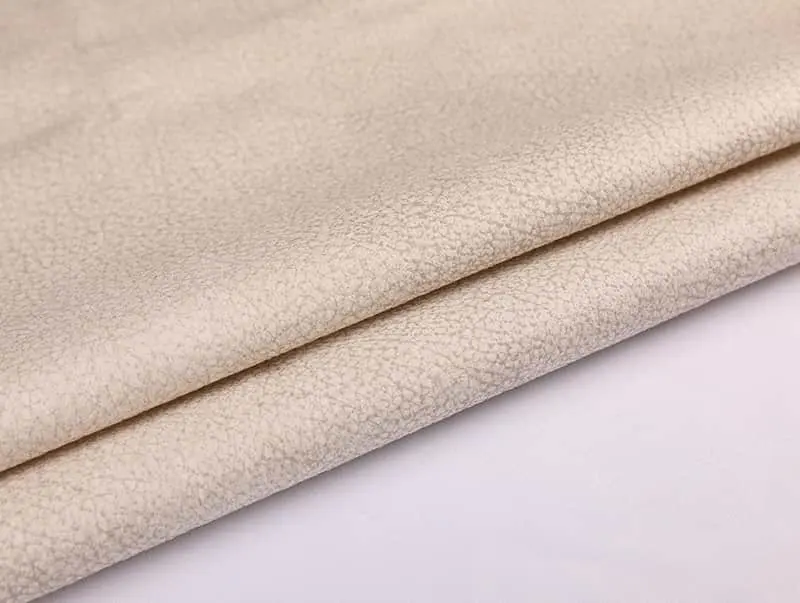
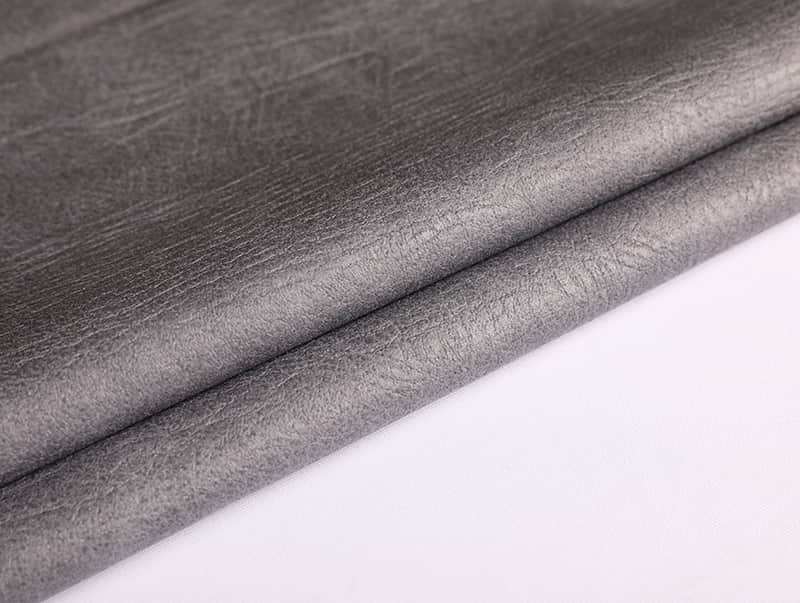
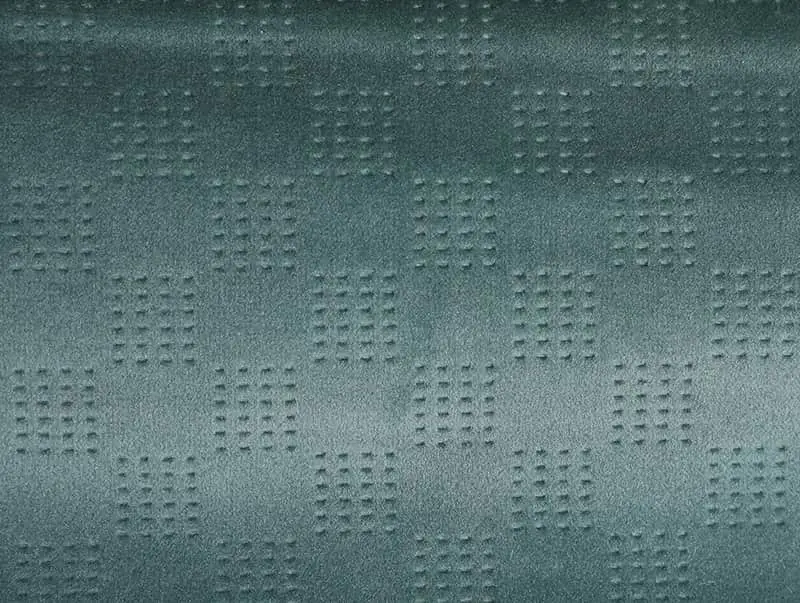
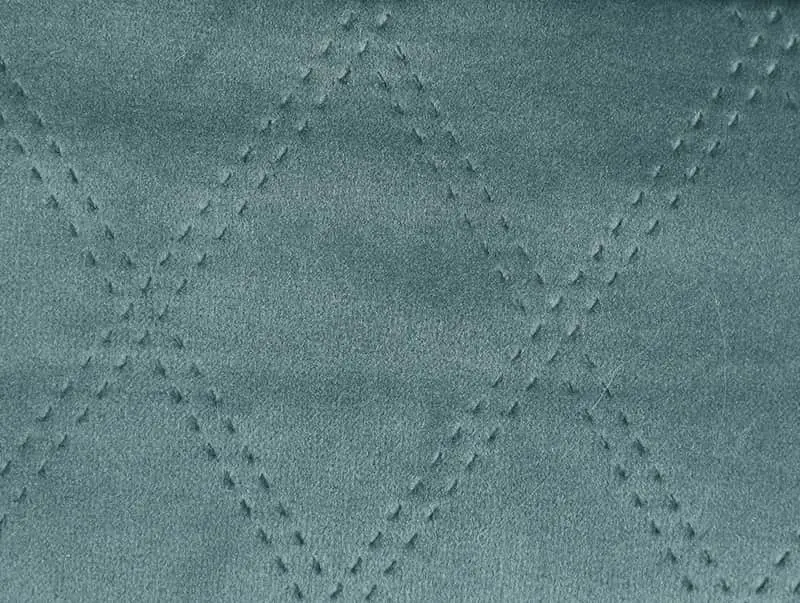
For shades, a lighter plain velvet or a closely woven pile fabric usually folds crisply and keeps its edges sharp. Heavier, bonded or laminated velvets are wonderful in a fixed drape, where weight is an asset, but they can look overstuffed in a roman construction. Texture deserves a thought too: an embossed or crushed surface carries real character, yet its pattern can fight the horizontal fold lines and make the shade look busy when it is raised. Plain, softly sheened cloth lets the folds themselves be the decoration.
Lining and Backing Decide How the Room Feels
Two shades cut from the same beige can behave like different colours once lining enters the picture. Unlined, a velvet shade filters light and glows warmly from behind, softening the whole room. With a room-darkening lining, the beige reads flatter and truer, the folds crisp, the window edge sharp. If you want to understand the mechanics before committing, it is worth reading about how backing and lining change light control and insulation — the principles apply to shades just as much as to full-length curtains.
Interlining sits in the middle and is often overlooked. It adds body without much extra weight, helps the shade hold a straight bottom edge, and takes the sharpness off bright side light. For bedrooms we usually suggest a light-filtering face cloth with a separate blackout liner rather than a single heavy blackout fabric, because the two-layer build folds better and is easier to clean.
 Polyester Velour Curtain and Upholstery Fabric CCA 280 cm-wide polyester velour in holland and French velvet styles, useful when comparing dense curtain fabrics for layered window treatments.View Product →
Matching Beige to Light Direction and Room Use
Light direction does more to a beige than any trend report. North-facing rooms receive cool, even light that flatters grey-leaning beiges and drains yellow ones, so a warm oatmeal is usually the safer choice there. South-facing rooms get strong, bleaching light that can wash out very pale shades by mid-morning; a mid-tone greige holds its colour longer. West-facing rooms turn golden in the late afternoon, which makes warm beige glow amber and can push blush tones towards peach. East-facing rooms are gentlest and forgive almost anything.
Room function matters just as much. In a kitchen, choose a mid-tone beige that tolerates wiping and hides airborne cooking residue between cleanings. In a bedroom, light control usually outranks colour nuance. In a bathroom, humidity resistance and quick drying deserve priority over a delicate surface. A tightly woven pile fabric with a sun-resistant construction earns its place in bright rooms where a lighter cloth would fade unevenly across the folds.
 Black Yarn Mosha Velvet Curtain and Upholstery FabricA heavier 420 g/m² black-yarn velvet at 300 cm wide, offered for sunproof curtains and sofa upholstery in brighter rooms.View Product →
Care That Keeps Beige Looking Clean
Beige is unforgiving about neglect and very forgiving about routine. A few habits keep a shade looking new for years.
- Dust the folds weekly with a soft brush attachment, working from the top down so loosened dust falls away rather than settling back in.
- Vacuum on the lowest suction with an upholstery tool, holding the fabric flat with your free hand so the pile is not pulled.
- Blot spills immediately with a clean white cloth; rubbing a beige velvet is how a permanent pale patch appears.
- Use distilled water with a mild detergent for spot cleaning, then dry the area flat and away from direct sun to avoid a tide mark.
- Brush the pile back into one direction once dry, since velvet and similar pile fabrics show every change of nap.
Water marks are the classic beige problem. If a ring appears, dampen the whole panel edge to edge rather than dabbing at the ring itself, then let it dry evenly. When in doubt, a professional clean costs less than a replacement shade.
Sourcing Beige Shade Fabric in Practice
When buyers come to us for a beige roman shade programme, the conversation usually moves through the same few stages, and it helps to know them before you request samples.
- Fix the undertone against the real light, not against a screen.
- Decide the construction: face cloth only, or face cloth plus a separate lining for light control.
- Confirm weight and fold behaviour on a short trial length before committing to a full order.
- Agree the finish — plain, embossed, crushed or laminated — and check that any pattern still reads well once folded.
- Lock colour continuity across dye lots if the shades are going into several rooms of the same building.
Our plain velvet curtain fabrics are produced on our own warp knitting machines, which means colour, weight and hand feel can be adjusted together rather than treated as separate compromises. If your project calls for a beige that must repeat exactly across a hotel corridor or a show home, that flexibility is worth more than a marginally lower price.
 CC004 Black-Out Polyester Velvet Curtain FabricA 280 cm-wide black-out polyester velvet for curtains and upholstery, relevant when a repeatable plain velvet is needed across larger projects.View Product →
A Last Word on Choosing
Beige roman shades work best when nobody notices the decision being made. Choose the undertone under your own window light, keep the fabric weight honest about the fold stack, and let the lining — not the colour — solve the light problem. Do those three things in that order and the shade will quietly hold the room together for a decade, which is roughly what a good neutral is for.