 中文简体
中文简体
 English
 Español
 عربى
عربى
If you live with a cat, you know the sound: a soft ripping noise from the sofa, followed by a look of complete innocence. The damage is rarely deliberate. A claw hooks, a fiber gives, and once a loop of yarn has been pulled out of line it rarely sits back neatly.
That is why cat friendly fabric is less about a magic material and more about construction. Two velvets can look identical on a swatch card and behave completely differently after six months with a cat in the house: one is dense, tight and backed, the other is loose, tall and waiting to be snagged. We have been knitting polyester velvet since 2002, so we see the question from both directions, from homeowners choosing a sofa to furniture and pet brands choosing what goes on it.
Content
- 1 Why Cat Claws Are So Hard on Upholstery
- 2 What Actually Makes a Fabric Cat Friendly
- 3 Cat Friendly Fabrics That Genuinely Hold Up
- 4 Fabrics That Look Beautiful but Fight With Claws
- 5 Cat Friendly Fabric Comparison at a Glance
- 6 How to Test a Fabric Before You Buy
- 7 Care Habits That Keep Cat Friendly Fabric Looking New
- 8 For Furniture and Pet Brands: Getting the Construction Right
- 9 The Short Version
Why Cat Claws Are So Hard on Upholstery
A cat's claw is a curved hook with a fine point. It is built to grip rather than slice, which is why most damage starts as a snag rather than a tear. When a claw catches a yarn and the cat pulls away, the yarn either springs back, is pulled into a permanent loop, or is dragged across the surface as a run. What decides which happens is not the fiber name on the label, but how firmly the fibers are locked together.
- Tight structures leave a claw almost no space to slide between yarns.
- Short cut pile lets claws skate across the surface; tall pile gives them something to grab.
- Uncut loops, as found in boucle and many chenilles, are effectively a built-in scratching post.
- A laminated or bonded backing holds the face fabric in tension so a pulled yarn cannot travel.
- Fine continuous filament yarns slide back into place more easily than loose spun yarns.
What Actually Makes a Fabric Cat Friendly
Before you fall for a colour, ask three structural questions: how tight is the surface, how short is the pile, and how easy will it be to clean? Most fabrics that pass all three still look good two years in.
The numbers worth asking for
Abrasion resistance is measured on a Martindale or Wyzenbeek machine and reported as double rubs. For a family sofa in a home with a cat, 30,000 double rubs is a sensible floor and 50,000 or more is comfortable. Snag resistance is a separate property and is not captured by that number, which is why a high-rub fabric can still pick badly if its structure is loose. Pilling and colourfastness reports are worth a glance too, especially if you plan to spot clean often.
Backing and lamination matter more than people expect
Two velvets can come off the same machine and behave very differently once a cat is involved. The difference is often underneath the surface: a face fabric laminated to a knitted or TC backing, or bonded to a fleece layer, keeps its yarns under tension, so a caught thread has nowhere to run.
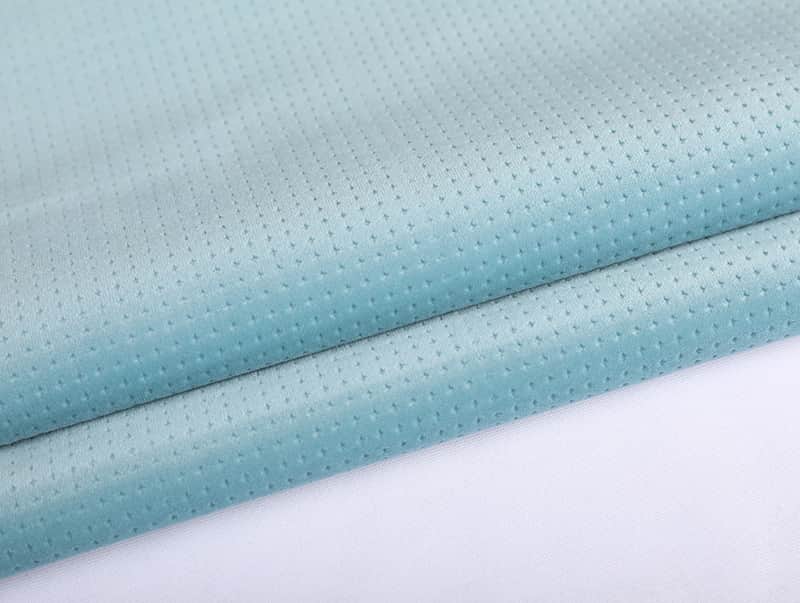
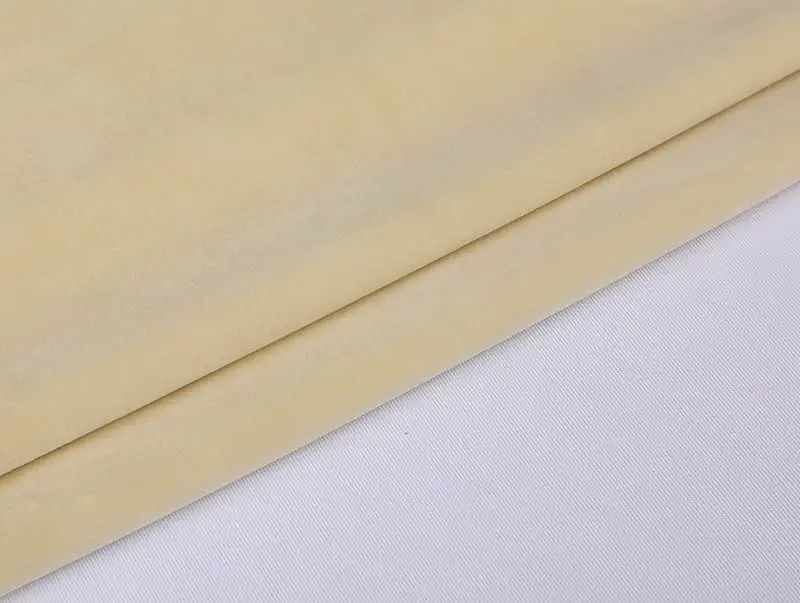
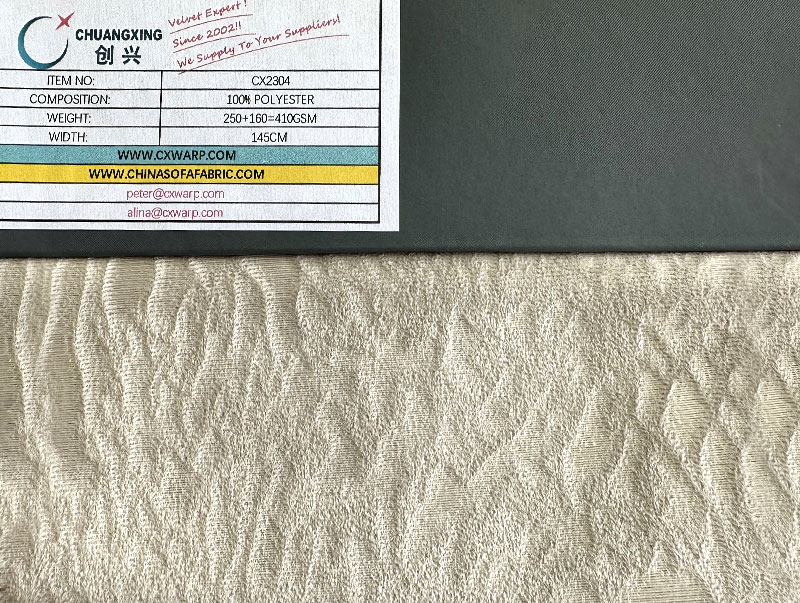 Half-Brushed Upholstery Velvet with Backing for SofasBacked half-brushed velvet for sofas and lounging furniture; its reinforced structure suits high-traffic seating and supports stable, plush upholstery.View Product →
Cat Friendly Fabrics That Genuinely Hold Up
Short-pile velvet
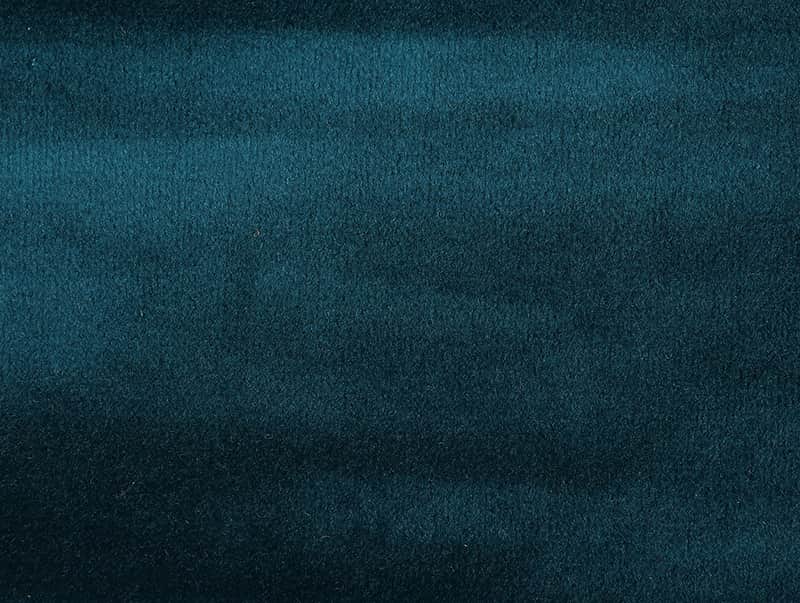
Velvet sits near the top of most cat-owner lists for a reason that has nothing to do with luxury. When the pile is short and dense and the yarn is cut rather than looped, a claw tends to skate across the surface instead of catching. Polyester velvet made on a warp knitting machine is especially steady, because the pile is anchored into a stable ground structure rather than floating on top of it.
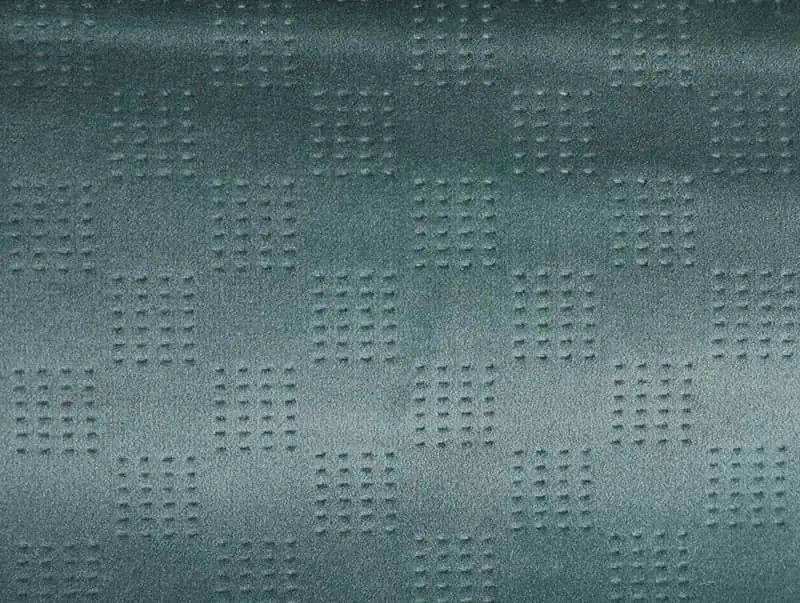
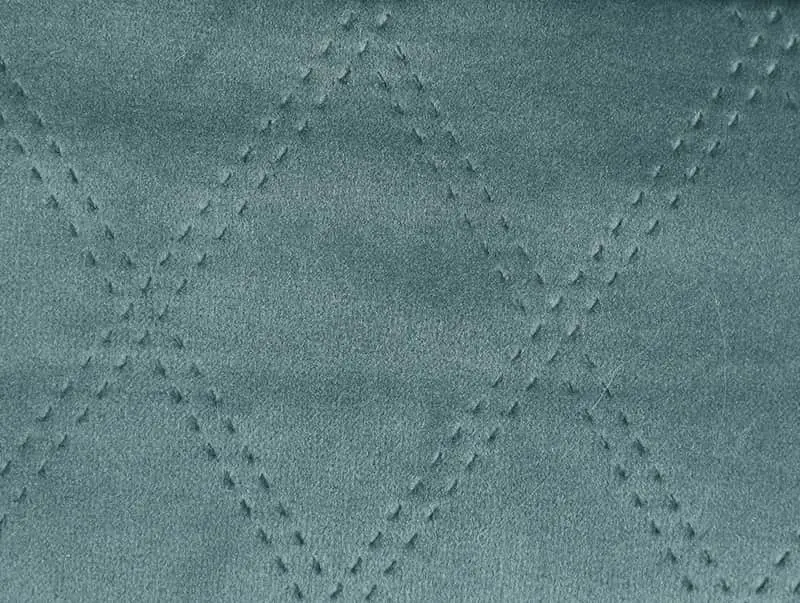
Dull polished velvets, Holland velvet and French velvet styles with a pile under roughly two millimetres all behave well. Crushed and iced velvets are a reasonable second choice, since the surface texture hides paw marks and the occasional light snag. What to avoid is tall, sparse pile velvet, which is the version cats adore and owners regret.
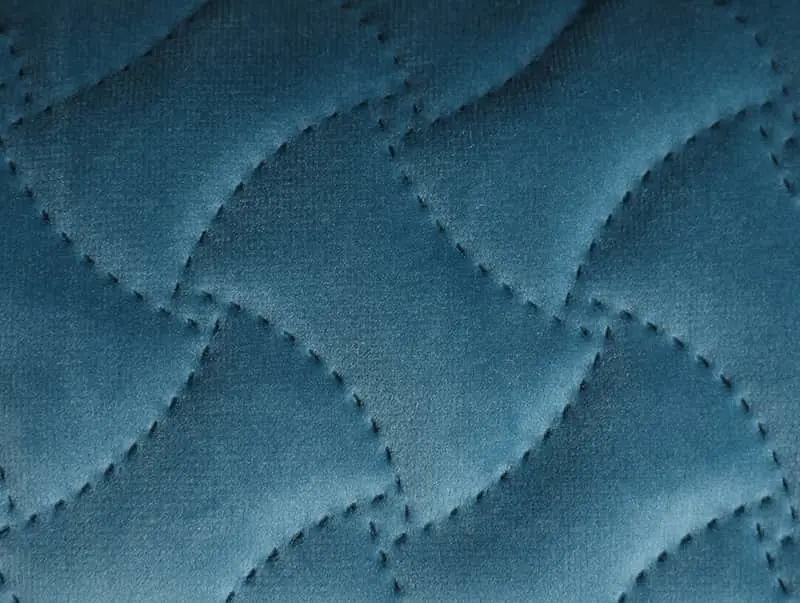
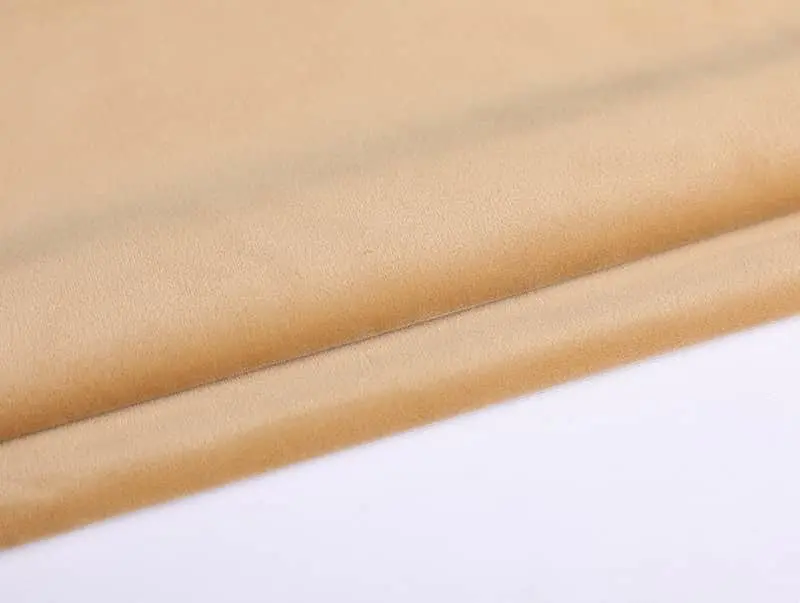
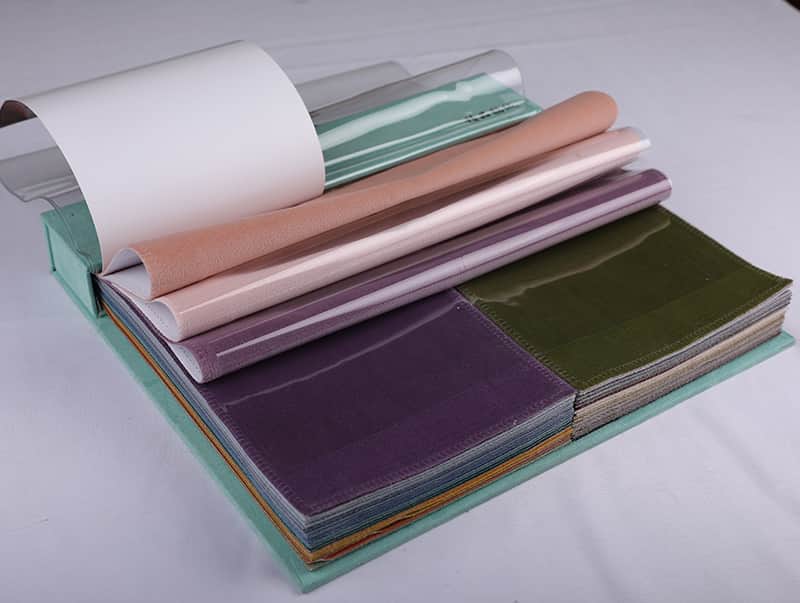 Dull Polished Polyester Velvet for Sofa UpholsteryDull polished velvet for sofa upholstery, offering polyester colorfastness and fading resistance; its low-sheen finish aligns with lower-pile velvet choices.View Product →
Microfiber and microsuede
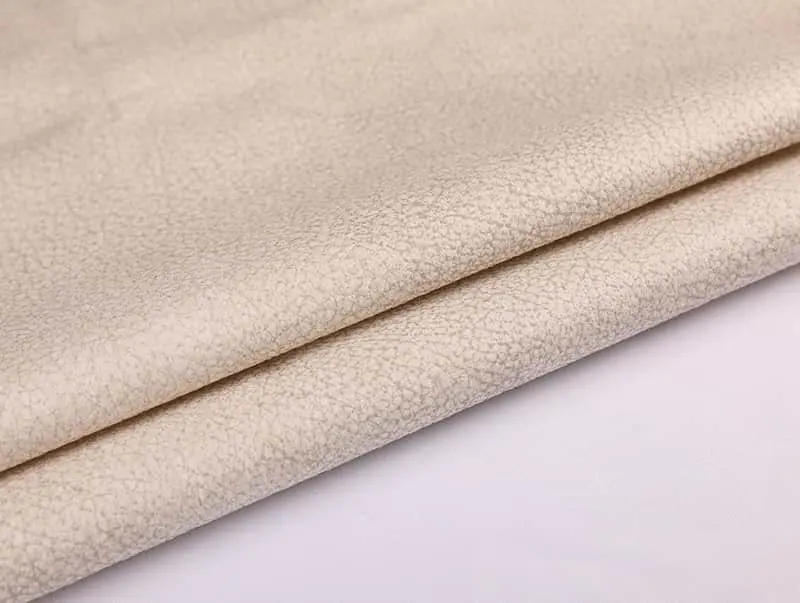
Microfiber is the quiet workhorse of cat-friendly upholstery. Its fibers are very fine and tightly packed, so there is little space for a claw to wedge into, and most spills sit on the surface long enough to be blotted. It is not indestructible, but it recovers better than almost anything else at a similar price.
Faux leather and artificial leather base fabric
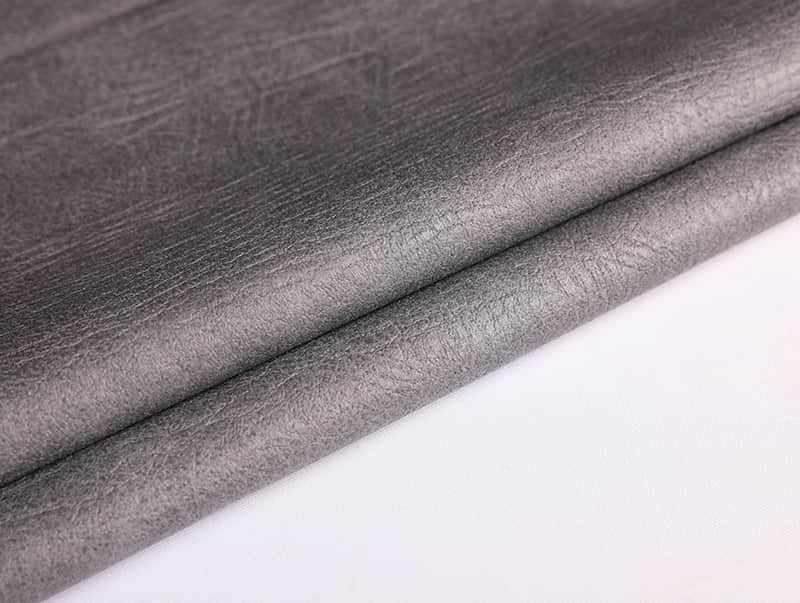
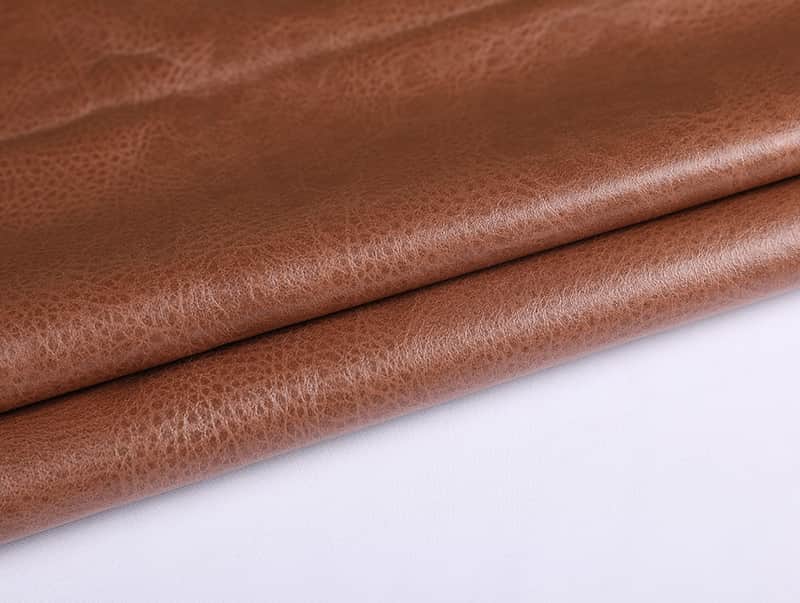
A coated surface has no exposed fibers, so there is nothing to snag and hair wipes away with a damp cloth. The trade-off is punctures, since claws can leave small holes in a softer coating. It suits dining chairs and benches that a cat visits occasionally rather than a sofa used as a launch pad.
Tight flat weaves and bonded structures
Closely woven and warp knitted flat fabrics with high yarn density perform well, particularly when bonded to a backing. They lack velvet's softness, but they take hard use and are usually the easiest of all to clean.
What about cat beds and blankets?
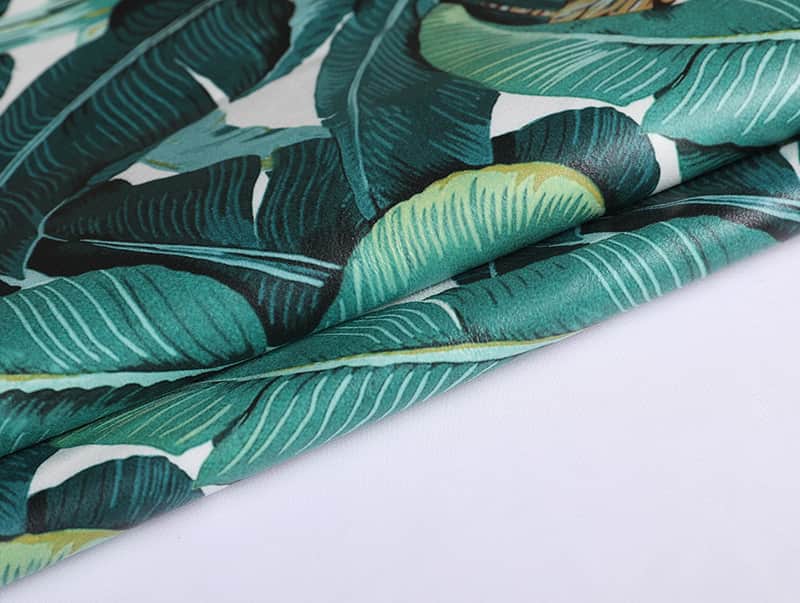
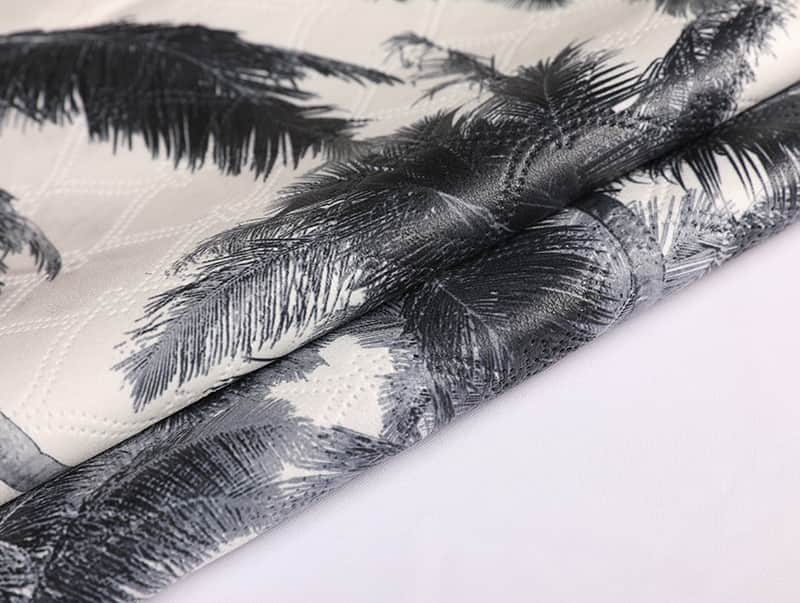
The rules loosen for anything you can put in the washing machine. Print and pattern do more work here than structure, because a busy design hides hair and small marks between washes. Printed velvet made on a prepared-for-printing base is popular for exactly that reason. If you want to compare options for a bed rather than a sofa, this breakdown of velvet pet bed fabric advantages is a helpful starting point.
Fabrics That Look Beautiful but Fight With Claws
Some of the most elegant fabrics in a showroom are the ones we would gently steer a cat owner away from.
- Chenille: loose pile yarns and fiber ends everywhere, so claw damage stays visible.
- Linen and open plain weaves: lovely drape, but the yarns move and pulled threads cannot be pushed back.
- Boucle and loop pile: every loop is a ready-made hook.
- Silk and rayon: fine, smooth and quick to mark permanently.
- Long-pile faux fur and tweed: beautiful to touch or look at, hard to live with on a family sofa.
Cat Friendly Fabric Comparison at a Glance
| Fabric type | Structure | Snag risk | Cleaning | Where it works with cats |
|---|---|---|---|---|
| Short-pile polyester velvet | Dense cut pile, warp knit | Low | Weekly vacuum, blot spots | Sofas, cushions, cat beds |
| Microfiber and microsuede | Very fine tight weave | Low | Wipe with mild soap | Sectionals, high-traffic seating |
| Faux and artificial leather | Coated surface, no exposed fibers | Very low, but punctures possible | Wipe clean | Dining chairs, lower-traffic seats |
| Chenille | Loose pile yarns on woven ground | High | Moderate, holds hair | Low-traffic rooms, out of reach |
| Linen | Open plain weave | High | Moderate | Curtains more than seating |
| Boucle and loop pile | Uncut loops | Very high | Moderate | Best avoided on seating |
| Long-pile faux fur | Long loose pile | Very high | Difficult | Washable pet beds and throws only |
How to Test a Fabric Before You Buy
- Order a swatch you can handle properly rather than judging from a screen.
- Run the back of a metal comb across the surface at a shallow angle. If threads lift, they will lift under claws.
- Press a fingernail into the pile and drag. Dense pile springs back; loose pile stays disturbed.
- Hold the swatch to the light. If you can see gaps between yarns, a claw can find them.
- Ask for abrasion and pilling data, and ask which backings or laminations are available.
- Check the reverse. A stable, tightly knitted back is a good sign; a loose, hairy one is not.
Care Habits That Keep Cat Friendly Fabric Looking New
- Vacuum weekly with a brush attachment so grit and hair do not work down into the pile.
- Snip snags with small scissors instead of pulling them, which turns a small pick into a long run.
- Rotate and flip cushions so wear is shared evenly.
- Keep a scratching post near the sofa and keep claws trimmed.
- Blot spills from the outside in, and avoid soaking the pile.
- Brush velvet pile back into direction after cleaning so light reflects evenly.
For Furniture and Pet Brands: Getting the Construction Right
If you are specifying fabric for a sofa range or a pet product line, the conversation is easier before the design is locked. Pile height, yarn type, ground structure and backing can all be adjusted, and the line between a fabric that snags and one that does not is often a few tenths of a millimetre of pile plus a different finishing route.
As a mill, we work in polyester warp knitted velvet every day, in plain, printed, embossed, crushed and bronzing finishes, and we laminate face fabrics with TC backing or fleece when a customer needs extra stability. Antistatic and antidust finishes are available for homes where hair is a constant battle, and if pattern is what will hide the wear in your range, a printed velvet built on prepared-for-printing greige is a practical place to start.
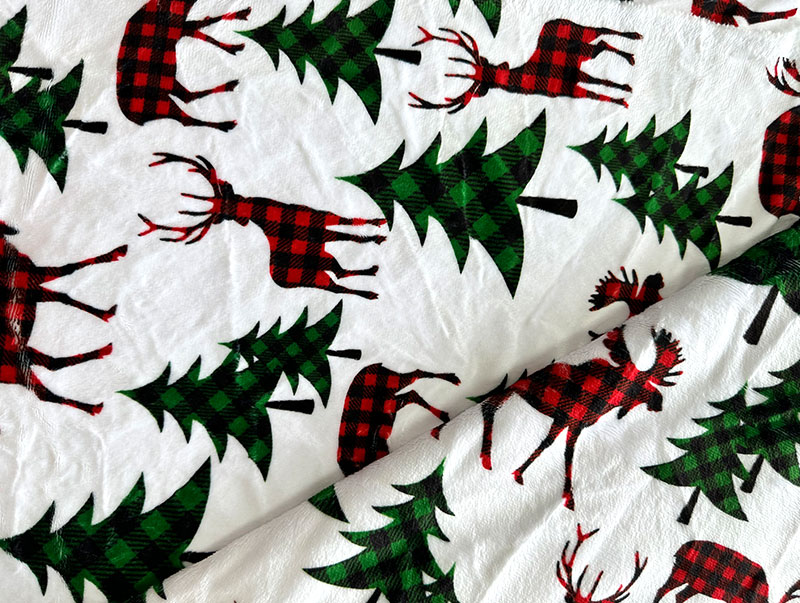 Printed PFP Velvet for Custom Prints and Textured ApplicationsPrepared-for-printing velvet with plush pile for custom prints; suitable where texture and design matter, and available for sampling before production.View Product →
Sampling is the fastest way to settle the question. Ask for a metre in the colours you are considering, put it through your own snag and rub tests, and compare it against whatever you are using now.
The Short Version
A cat friendly fabric is almost always a tight, short-pile, well-backed one. Choose velvet with a dense cut pile, microfiber, or a coated surface; avoid loose loops, long pile and open weaves; and test a swatch before you commit to a whole sofa. If you are sourcing in volume and want to see how these structures behave in production, you can browse our sofa velvet collections and ask us for samples in the colours you have in mind.