 中文简体
中文简体
 English
 Español
 عربى
عربى
Living with a dog or a cat quietly rewrites the rules of home decorating. A sofa that looked perfectly practical in a showroom becomes a daily test of muddy paws, drool, shed hair and the occasional determined claw. That is why pet friendly fabric has become one of the most searched phrases in home textiles, and also one of the most misunderstood.
A pet friendly fabric is not a single material or a magic label. It is a combination of fibre, weave structure, pile height and finishing treatment that decides how a textile behaves when a four-legged family member uses it every day. Understand those four variables and you can judge almost any fabric yourself, without trusting the wording on a swatch card.
Content
- 1 What Does Pet Friendly Fabric Actually Mean?
- 2 How the Main Fabric Families Compare
- 3 Why Velvet Has a Complicated Reputation with Pets
- 4 Pet Bed Fabric: The Overlooked Half of the Equation
- 5 Choosing Upholstery Fabric for a Home with Dogs and Cats
- 6 Finishes and Backings That Make a Real Difference
- 7 Simple Habits That Extend the Life of Pet Friendly Fabric
- 8 Questions to Ask Before You Order Fabric
What Does Pet Friendly Fabric Actually Mean?
The phrase bundles several different performance qualities together, and very few textiles score well on all of them at once. It helps to separate them.
- Hair release. How easily shed hair can be brushed or vacuumed off the surface instead of working into the structure.
- Claw resistance. Whether claws snag on loose loops and floating yarns, or glide across a dense knit.
- Liquid behaviour. How quickly a spill wicks sideways, and whether it can still be blotted up minutes later.
- Cleanability. Whether the fabric tolerates water-based cleaning or machine washing rather than solvent-only care.
- Abrasion durability. How many rubbing cycles the surface survives before it looks thin or shiny in the seat area.
- Odour control. Whether smells stay on the surface or sink into the pile and the backing layer.
- Colourfastness. Whether repeated cleaning and sunlight fade the fabric unevenly.
The practical goal is to match the trade-offs to your household. A home with a heavy-shedding dog needs hair release first; a home with a young cat that treats the sofa as a scratching post needs claw resistance above everything else.
How the Main Fabric Families Compare
The table below summarises how common upholstery and bedding fabrics tend to behave around pets. The names matter far less than the structure behind them, so read the columns rather than the labels.
| Fabric type | Hair release | Claw resistance | Cleaning | Typical use |
|---|---|---|---|---|
| Tightly woven microfiber | Good | Good | Easy, water-based | Family sofas, cushions |
| Short-pile knit velvet | Good | Moderate to good | Blot and brush | Sofas, pet beds |
| Long-pile plush velvet | Poor | Moderate | Needs gentle care | Pet beds, toys, throws |
| Laminated performance velvet | Good | Good | Easy | High-traffic seating |
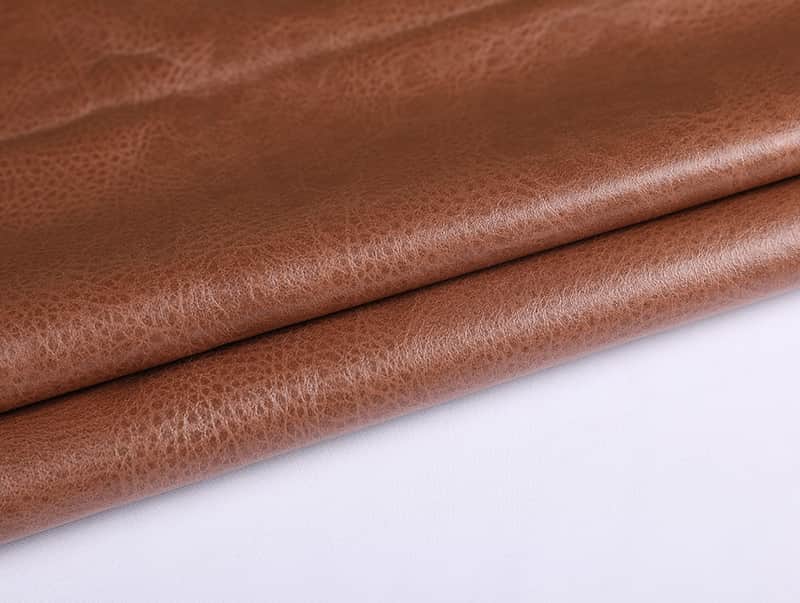
| Faux leather and coated fabric | Excellent | Moderate | Wipe clean | Sofas, benches, cars |
| Canvas and denim | Moderate | Excellent | Machine washable | Loose covers, pet mats |
| Chenille | Moderate | Poor | Delicate | Low-traffic rooms |
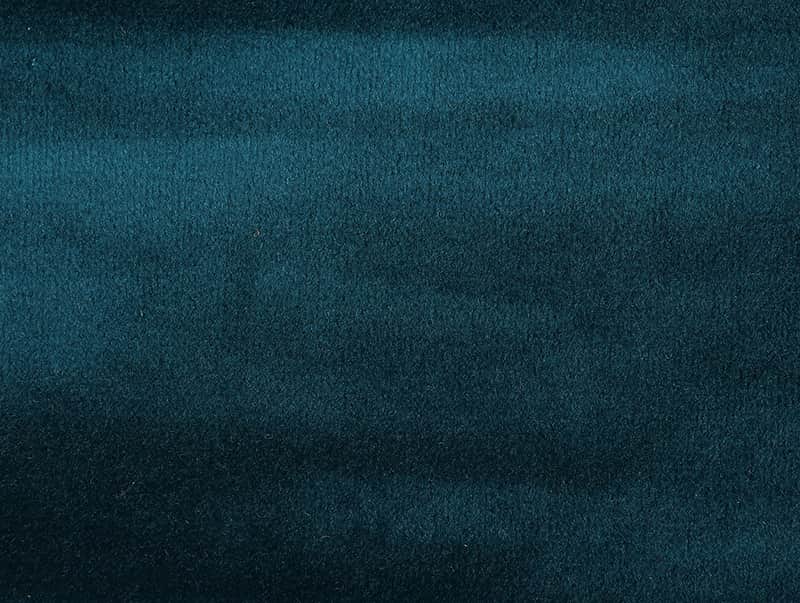
Two lessons stand out. First, a dense short pile often outperforms a loose weave, which is why well-made furnishing velvet keeps appearing on sensible lists for pet owners, even though the word velvet sounds luxurious rather than practical. Second, a backing layer changes everything: the same surface pile can behave very differently once it is laminated to a stable knit or fleece backing that stops claws from pulling individual yarns.
Why Velvet Has a Complicated Reputation with Pets
Ask ten pet owners about velvet and you will get ten strong opinions. The disagreement comes from the fact that velvet describes a surface effect rather than one material. A crushed Italian velvet, a soft Holland velvet and a long-hair plush are all called velvet, yet they behave nothing alike in a living room.
Hair sits on top instead of sinking in
On a dense, short-pile velvet, shed hair generally rests on the surface rather than weaving into the structure. That is an advantage: a damp rubber glove or a soft brush lifts most of it in one pass. The catch is static, which is why antistatic finishing is worth asking about, particularly in dry climates where cling makes hair stubborn.
Claws meet density, not softness
A claw catches on loose loops and long floating fibres. When the pile is short, dense and firmly anchored by a knitted ground structure, there is far less to catch. That is the practical difference between a furnishing velvet built for seating and a decorative plush built for appearance alone.
Pet Bed Fabric: The Overlooked Half of the Equation
Most conversations about pet friendly fabric focus on the sofa, yet the pet bed takes far more punishment. It is washed more often, compressed nightly, chewed at the seams and still expected to hold its shape for years. The cover has to satisfy three demands at once: soft enough that the animal actually settles on it, dense enough to contain the filling, and tough enough to survive repeated laundering.
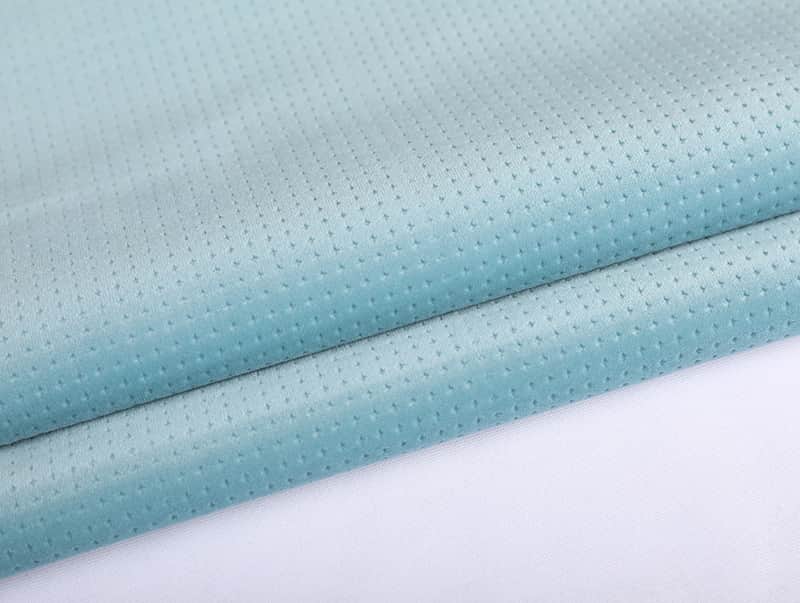
Polyester warp knit velvet is a common answer because it dries quickly, resists pilling and keeps its loft after washing. A tightly knitted ground structure also means the pile stays anchored when a pet turns and scratches before lying down.
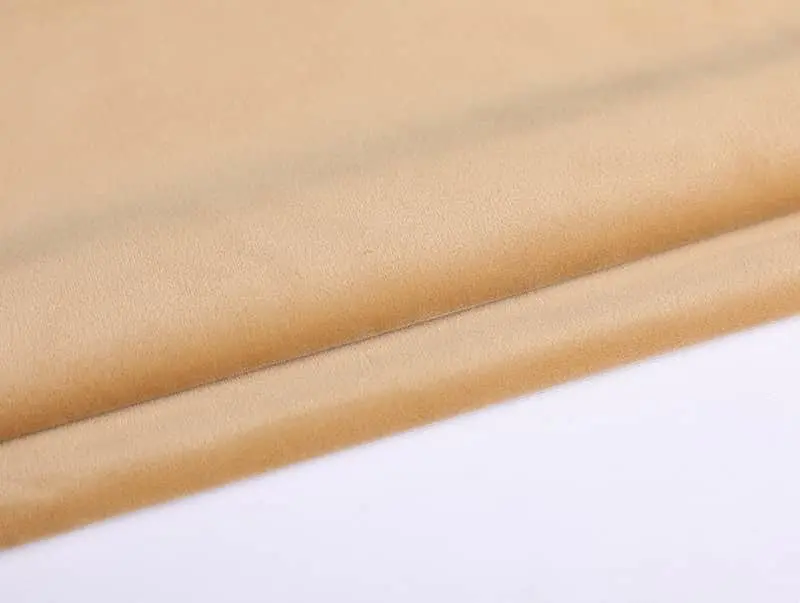
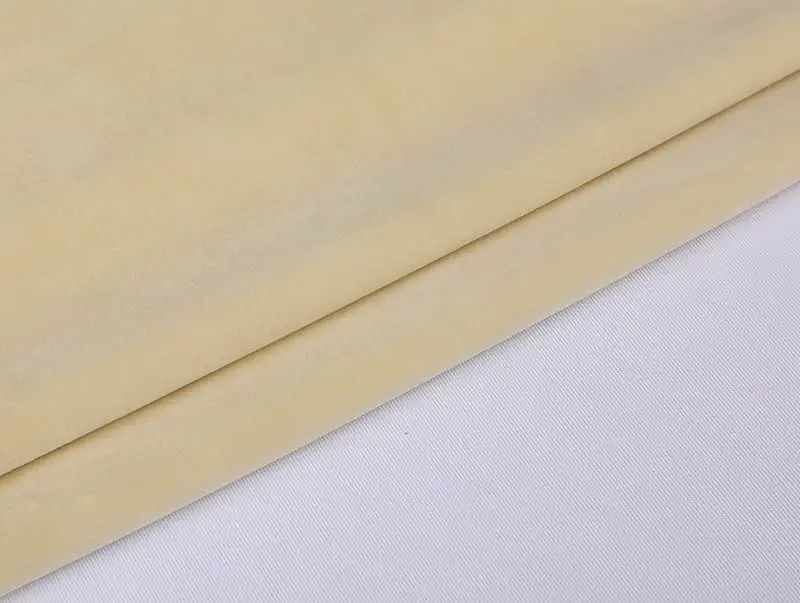
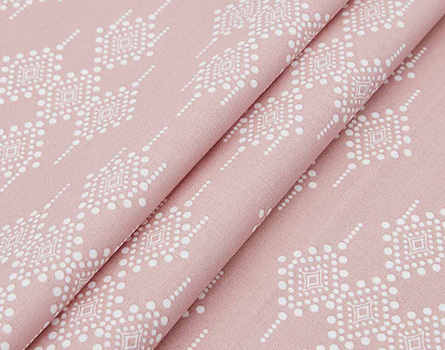 Velvet Pet Bed FabricBest sale printed fabric printed PFP velvetView Product →
Printed and prepared-for-print options
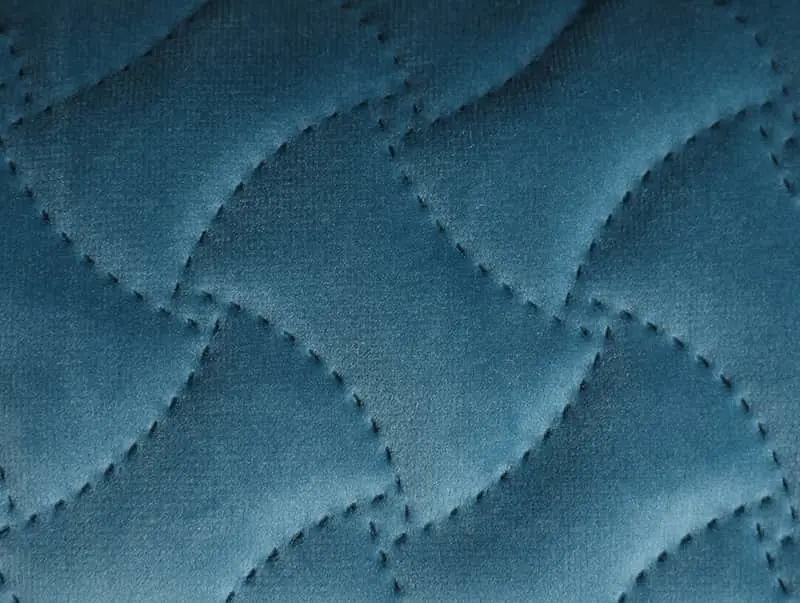
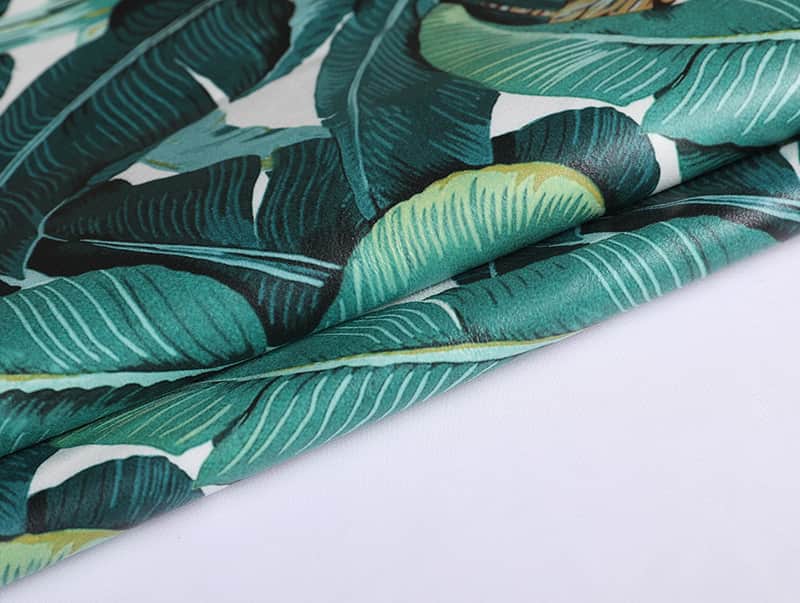
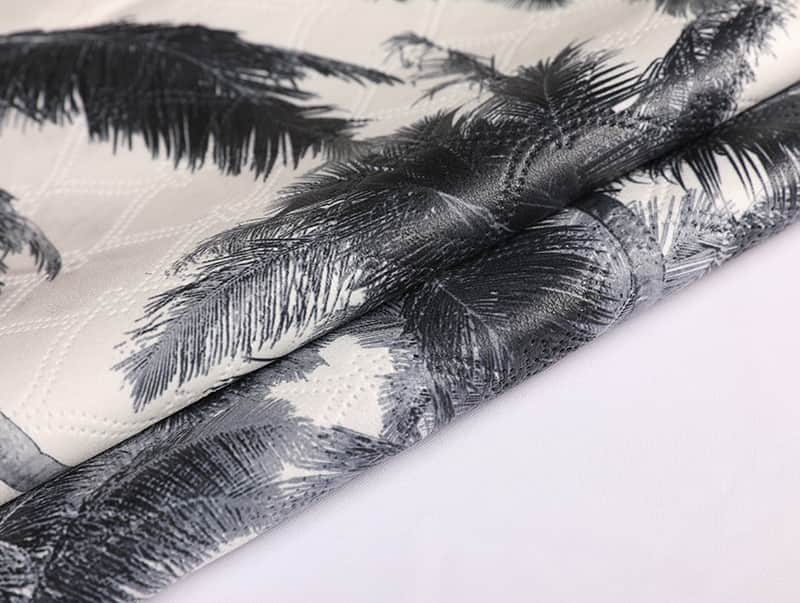
Colour and pattern are not purely cosmetic on a pet bed. A printed surface hides the everyday marks that come with paws and drool, and a prepared-for-print base lets a brand match its own palette without changing the construction underneath. If you want the technical reasoning behind why printed PFP velvet suits pet beds so well, the short answer is pile stability after printing.
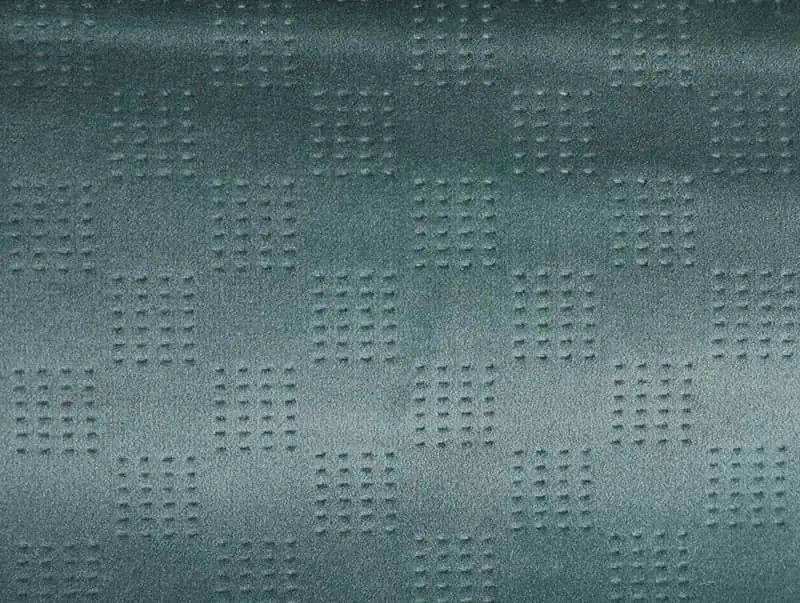
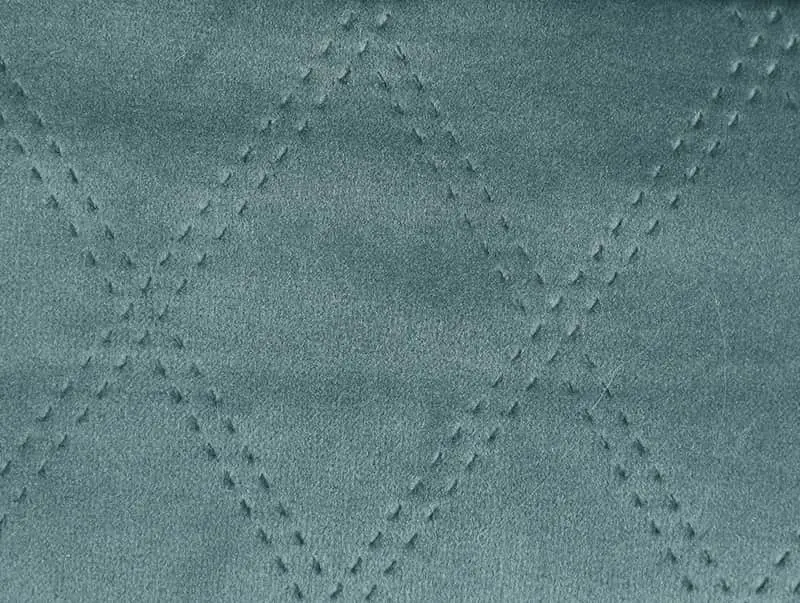
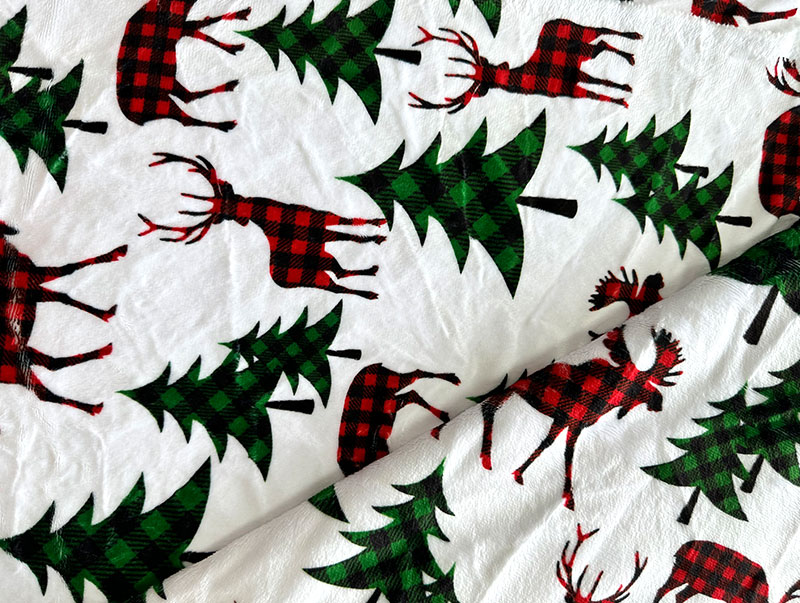 Best sale printed fabric printed PFP velvetEmboss sofa upholstery polyester velvet holland velvet french velvet CC002 `View Product →
Plush toy fabric follows similar logic. Toys are squeezed, dragged and washed, so a short, resilient pile with strong colourfastness outlasts a long, loose pile every time.
Choosing Upholstery Fabric for a Home with Dogs and Cats
For seating, three habits make the biggest difference. Choose a fabric with a tight surface rather than a loose one. Choose a mid-tone or patterned colour if you would rather not see every hair. And choose a construction that can be spot cleaned without leaving a ring.
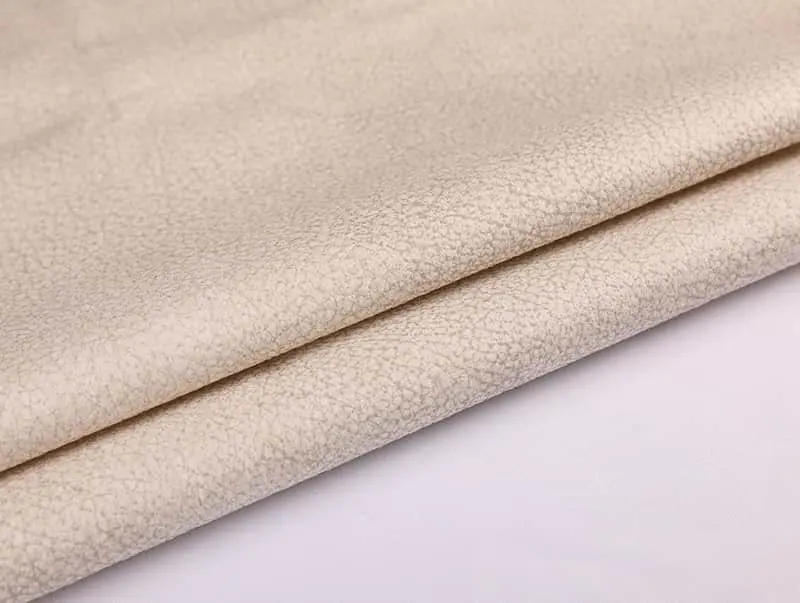
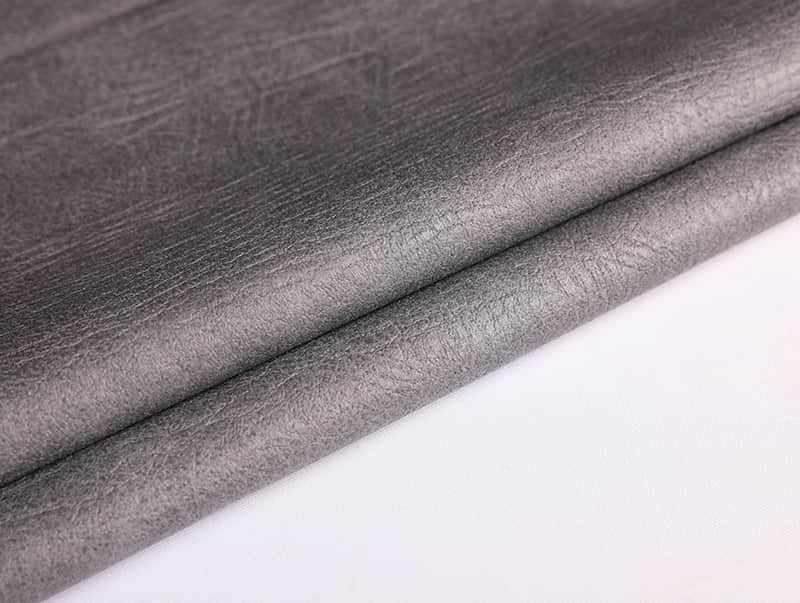
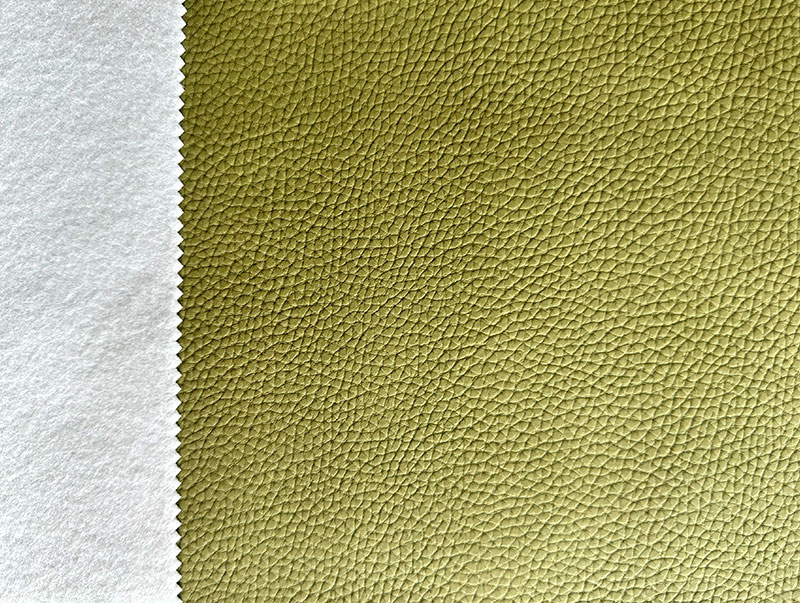 New design sofa fabric sale upholstery fabric sale artificial leather CX2317Emboss sofa upholstery polyester velvet holland velvet french velvet CC002 `View Product →
Faux leather and coated surfaces remain the simplest choice for households where wiping beats washing, while laminated velvet offers a softer hand with a stabilised back. Neither is invincible, and a determined scratcher will always find a weakness, so consider a removable throw on the seat a pet favours most.
Finishes and Backings That Make a Real Difference
Finishing is where two fabrics with identical surface pile start to separate in daily use.
- Antistatic and antidust treatment reduces cling, so loose hair brushes away instead of gripping the pile.
- Lamination and backing stabilises the structure, prevents individual yarns from being pulled, and adds body to thinner fabrics.
- Water-repellent finishing buys you the seconds needed to blot a spill before it wicks.
- Prepared-for-print and prepared-for-dyeing bases let a printed or dyed design be applied without weakening the pile.
Simple Habits That Extend the Life of Pet Friendly Fabric
- Vacuum or brush upholstery weekly with a soft attachment before hair works deeper into the pile.
- Blot spills immediately with a clean, dry cloth instead of rubbing the surface.
- Rotate and flip removable cushions so wear spreads evenly across the seat.
- Trim loose threads rather than pulling them, which can distort the knit.
- Wash pet bed covers at the temperature recommended for the fabric, and air dry where possible.
- Keep claws trimmed and offer a scratching post nearby to redirect the habit.
Questions to Ask Before You Order Fabric
Whether you are buying a single sofa cover or specifying thousands of metres for production, a short conversation with the mill saves a long one later.
- What is the pile height and density, and how is the pile anchored?
- Which cleaning method has the fabric actually been tested with?
- Is a backing, lamination or finish available on the same surface design?
- How does the fabric perform after repeated washing or abrasion cycles?
- Can the pattern and colour be developed to a specific brief?
This is the kind of work we have done at Haining Chuangxing Warp Knitting since 2002, developing warp knit velvets for sofas, curtains, pet beds, toys and automotive interiors, and adjusting pile, backing and finish until a fabric fits the animal it will actually live with.
Pet friendly fabric is ultimately a design decision rather than a product category. A tightly knitted short pile, a sensible backing and a finish that fights static will outperform an expensive fabric chosen on appearance alone. Look at structure before you look at the label, be honest about how much washing and scratching your home involves, and the fabric you choose will still look good long after the first muddy paw print.