 中文简体
 English
 Español
 عربى
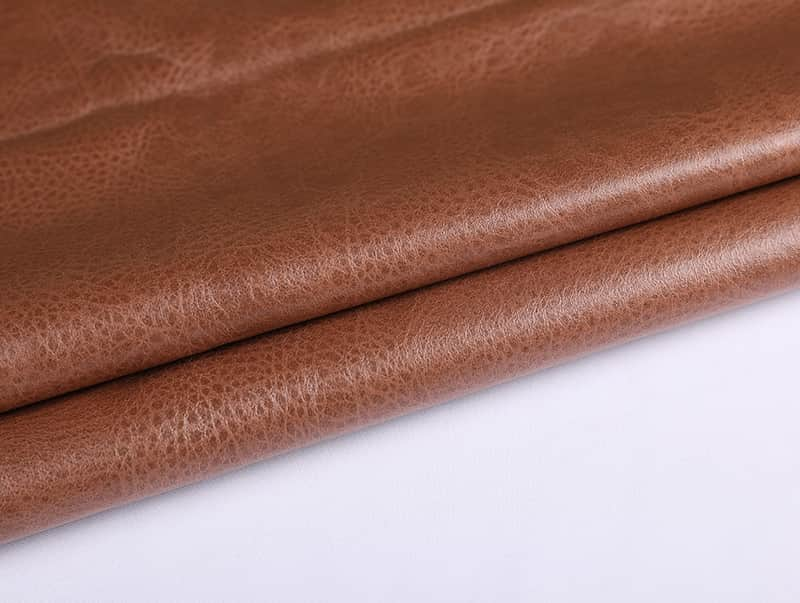
Brown vinyl fabric rarely gets the spotlight. It sits quietly on restaurant banquettes and family sofas, inside school bags and work boots, along the trim of a car door. After more than two decades of knitting and coating fabric in Haining, we have learned that the questions buyers actually ask about brown vinyl are seldom about colour alone. They want to know how it wears, how it cleans, and whether the brown on the sample card will still look brown under the lights of a finished room.
This guide walks through the material honestly, from what the layers are made of to how to specify a roll that will still look good in five years.
Content
What Brown Vinyl Fabric Really Is
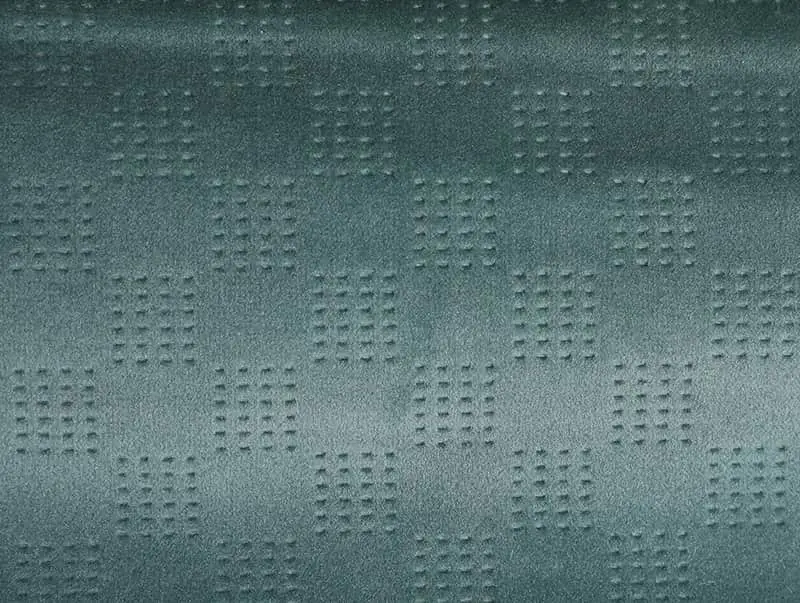
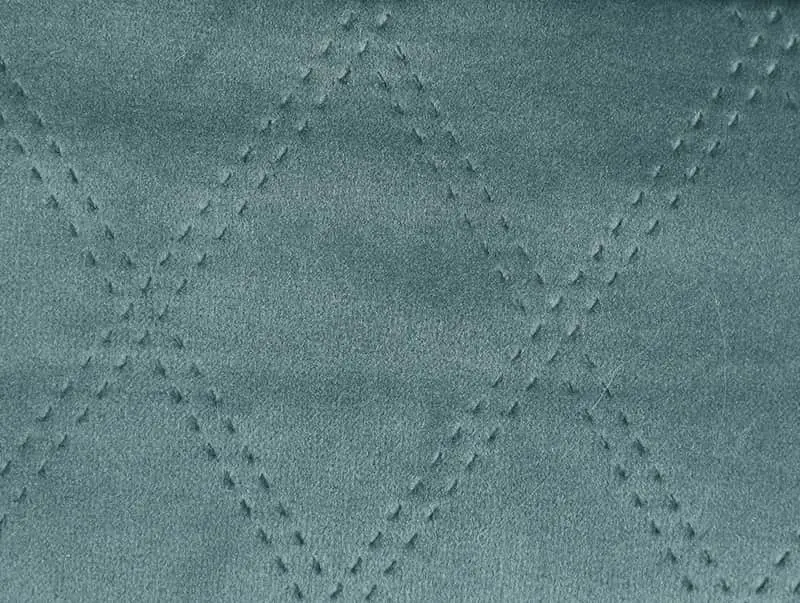
Vinyl fabric is a composite, not a single material. A polymer surface layer, usually polyvinyl chloride and sometimes finished with a polyurethane topcoat, is bonded to a textile backing. The brown tone can come from pigment dispersed through the whole compound, from a printed design, or from a thin colour layer applied afterwards. That detail matters more than most buyers expect: a through-pigmented brown tends to stay consistent when a chair edge is scuffed, while a surface colour can reveal a paler core after heavy wear.
The backing is the other half of the story, and it is the part people forget to ask about. A knitted backing gives the sheet stretch and a soft drape, which makes it easier to wrap around curved arms and tight cushions. A non-woven backing holds its shape and cuts cleanly, so it suits panels and rigid construction. A woven backing brings tear strength. A fleece or TC laminate adds a padded, warm hand that many sofa makers prefer.
For upholstery work in particular, it helps to look at how a coated surface behaves once it is laminated and tensioned. Our faux leather sofa upholstery fabric range was built around exactly that question, and the construction notes there apply just as well to vinyl in brown.
The Undertone Decides Everything
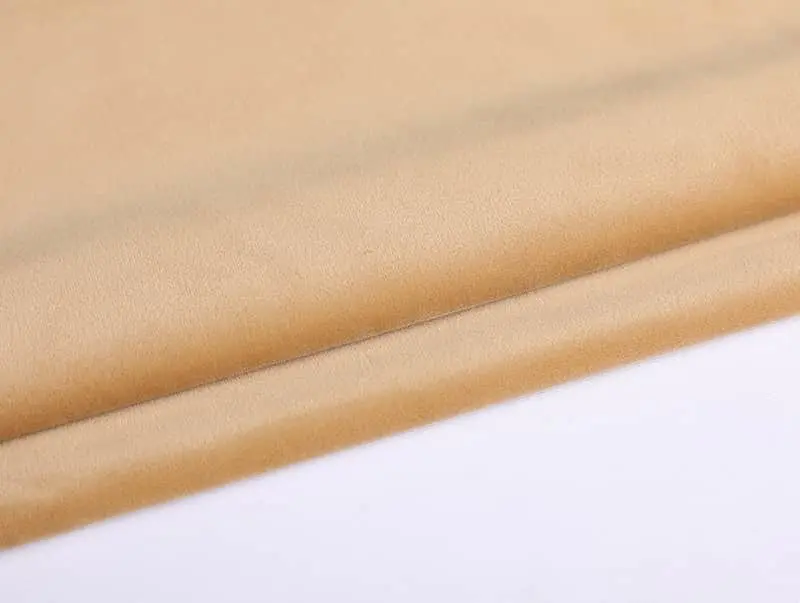
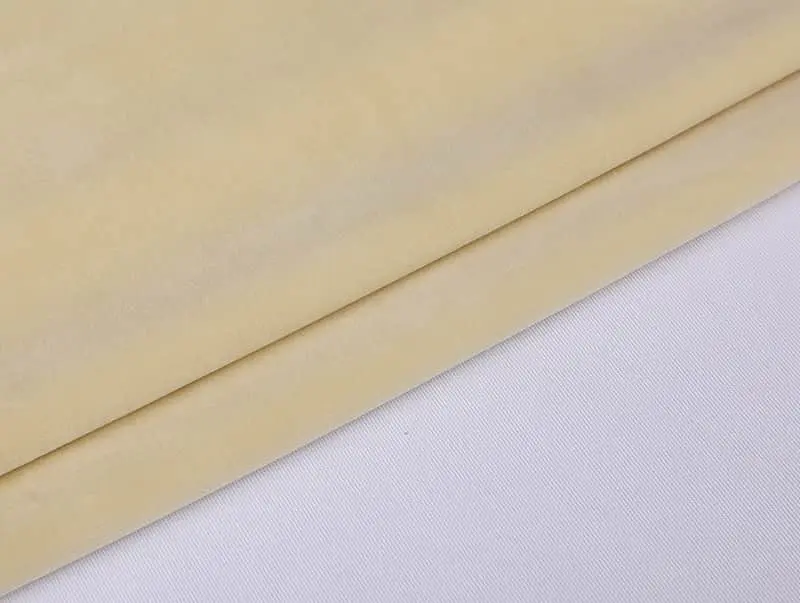
Brown is not one colour. In our sample library it covers a wide spread: chestnut with a warm red base, cognac that glows in low light, chocolate that reads almost black in shadow, taupe with a grey-green cast, and saddle tones that lean distinctly yellow. Two swatches that look identical on a desk can look like different materials once they are side by side on a sofa.
Three practical habits save a lot of rework:
- Judge the swatch in daylight and again under warm interior lighting, because red-based browns shift noticeably under tungsten light.
- Compare the brown against the room's fixed elements, such as flooring and cabinetry, not against a white sheet of paper.
- Ask for a larger sample than you think you need. A 10 cm square hides the variation that shows up across a two-metre panel.
Darker browns are also quietly practical. They mask the everyday marks that light greys advertise, which is why they remain a default in hospitality and family furniture.
Vinyl, Faux Leather, and Coated Fabric Are One Family
The vocabulary in this trade is loose, and it causes real confusion at the sampling stage. "Vinyl" usually describes a PVC-based coated fabric. "Faux leather" is a broader marketing term that can cover PVC, polyurethane, or a microfiber base with a leather-look finish. "Artificial leather base fabric" refers specifically to the textile substrate that a coated product is built on. If you are comparing quotes and the terms keep sliding, our note on faux leather versus artificial leather base fabric breaks the layers down clearly.
The useful rule is simple: ask what the surface layer is, ask what the backing is, and ask for both in writing on the specification sheet. Everything else follows from those two answers.
What Performance to Expect
No two brown vinyls perform alike, but the categories below give a realistic picture of what a good coated upholstery product delivers. Use them as a starting point for a conversation with your supplier, not as a substitute for test reports on your actual batch.
| Property | What you will typically see | Why it matters in use |
|---|---|---|
| Abrasion resistance | 15,000 to 50,000 double rubs, depending on coating weight | Hospitality seating and family sofas need the upper end |
| Stain cleanability | Most grades wipe clean with mild soap and water | The main reason vinyl stays popular in dining and clinic settings |
| Lightfastness | Good to excellent when UV-stable pigments are used | Browns can drift towards red or grey near bright windows |
| Cold flexibility | Stays supple to roughly minus 10 °C; stiffer grades crack sooner | Matters for unheated storage and outdoor-adjacent furniture |
| Breathability | Low on solid PVC, better with perforation or a knit backing | Determines how comfortable a seat feels in a warm room |
Matching the Backing to the End Use
This is where most sourcing decisions are won or lost. A brown vinyl with beautiful colour and the wrong backing will still frustrate the cutting room. For curved, soft seating, choose a knit-back construction that stretches with the foam. For contract chairs with sharp corners, a woven or heavy non-woven back keeps edges crisp. For anything that will be sat on for hours, a laminated fleece layer changes the feel completely.
Coatings also deserve attention. A slightly thicker coating buys abrasion resistance but costs some drape. A thinner coating feels more supple and wraps more easily, which is why bag makers and footwear designers often prefer it.
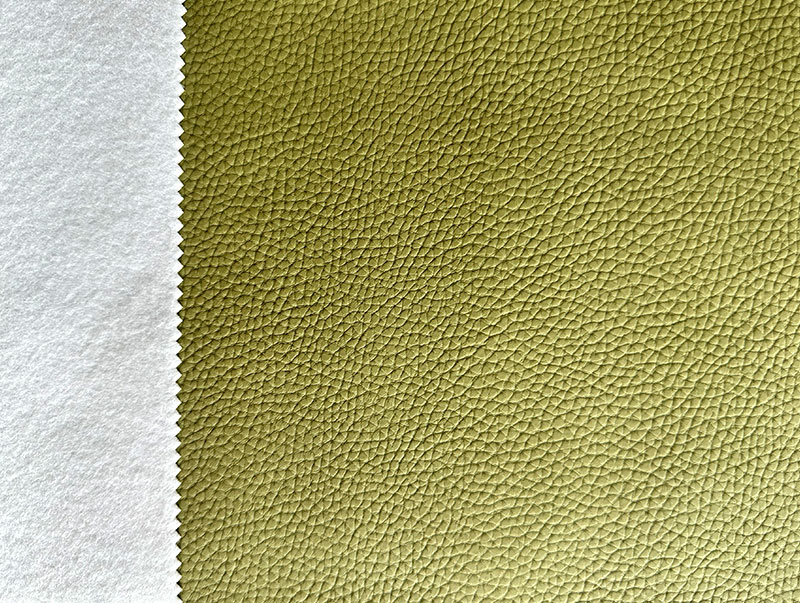 CX2317 Artificial Leather Sofa Upholstery FabricA 145 g/m² artificial leather for sofa and chair upholstery, suited to seating where a coated fabric needs a warm neutral finish.View Product →
Where Brown Vinyl Earns Its Place
Seating is the obvious answer, but it is not the only one. Brown coated fabric turns up in headboards and wall panels, in restaurant booths, in luggage and document folders, in shoe uppers and linings, and in automotive interior trim where a warm neutral is wanted instead of black. Each of these uses puts different demands on the same material, mostly around flexibility, thickness, and how the edges are finished.
For footwear and small leather goods, the base fabric often matters more than the surface, because it governs how the material behaves when stitched, skived, and folded. For manufacturers building their own coated products, the substrate is where the engineering happens, and it pays to source it from a mill that understands the downstream process.
 Artificial Leather Base Fabric for Footwear ManufacturingA wholesale base fabric for artificial leather shoes, presented for manufacturers who need durable substrate material for stitched and folded footwear constructions.View Product → Artificial Leather Base Fabric Product RangeA category overview of synthetic leather backing materials for furniture, automotive trim, and fashion accessories, with related suede and headliner fabrics listed.View Product →
Care That Actually Works
Brown vinyl is forgiving, but it is not indestructible. Most everyday marks come off with a soft cloth, lukewarm water, and a drop of mild neutral soap. Work gently and blot rather than scrub, because scrubbing dulls the surface sheen and the resulting patch can catch the light differently from the rest of the panel.
Avoid solvent cleaners, abrasive pads, and bleach-based products. Keep furniture away from radiators and direct sun where possible, since long exposure affects both colour and flexibility. On perforated or knit-backed grades, wipe in the direction of the perforation and dry the surface afterwards so moisture does not sit inside the backing.
Questions Worth Asking Before You Order
We would rather answer these at the quotation stage than resolve them after a container has shipped. A short checklist keeps the conversation productive:
- What exactly is the surface polymer, and is a topcoat applied?
- What is the backing composition, weight, and stretch direction?
- Which test reports are available, and how recent are they?
- Can you supply a lab dip or a bulk sample matched to our reference brown?
- What is the minimum order, lead time, and roll width?
- How does the material behave when cut, sewn, and heat-formed in our process?
Brown vinyl fabric is a workhorse material, and it deserves to be specified with the same care as any premium textile. Get the undertone, the backing, and the coating weight right, and it will keep looking like the sample for years. Our team has been developing and producing coated and knitted fabrics since 2002, and we are always glad to talk through a project, send swatches, or develop a construction around your end use.