 中文简体
 English
 Español
 عربى
A blue and white striped sofa is one of those pieces that can make a room feel instantly more considered. It brings a tailored, almost shirt-like crispness to a living space, yet it is relaxed enough for a family room by the sea or a city apartment. We have been weaving and finishing upholstery fabrics since 2002, and stripes remain one of our favourite subjects because they ask interesting questions about scale, repeat, and how a fabric behaves on a curved arm.
Content
Why Blue and White Striped Sofas Keep Coming Back
Blue and white stripes have never really left interior design. They appear in coastal schemes, Hamptons-style rooms, cottage interiors, and increasingly in modern settings where a single striped sofa sits against plain walls. Blue brings calm and depth; white lifts the room and catches light. Together they feel familiar without looking dated.
The stripe also has a practical design role. A sofa is a large block of colour, and a stripe breaks that block into rhythm. A narrow ticking stripe reads as traditional and neat, while a wide awning stripe feels bolder and more architectural. The same frame can look formal or casual depending on that one decision.
Reading the Stripe: Scale, Rhythm, and Repeat
The most common mistake is choosing a stripe by colour alone. On a sofa, stripe width should relate to the frame. A compact slipper chair can carry a fine pinstripe, but the same stripe may look busy on a three-metre sectional. Wide bands need enough flat surface to read clearly; if they disappear into cushion breaks, the effect becomes accidental rather than designed.
Direction matters too. Vertical stripes add height and formality. Horizontal stripes make a sofa feel lower and wider, which can be useful in a long room. On loose cushions, the repeat should be planned across the seat, the back, and the arms so the lines look intentional when the sofa is assembled.
| Stripe style | Visual effect | Works best on | Fabric note |
|---|---|---|---|
| Ticking | Fine, crisp, traditional | Club chairs, slipcovers, cushions | Tight pile or flat weave keeps lines sharp |
| Awning | Bold, coastal, graphic | Large sectionals, statement sofas | Printing or yarn-dyed jacquard holds width |
| Pinstripe | Quiet, tailored, formal | Camelback sofas, banquettes | Fine-gauge knit reduces waviness |
| Painterly | Relaxed, soft, modern | Family sofas, curved arms | Digital print on velvet adds depth |
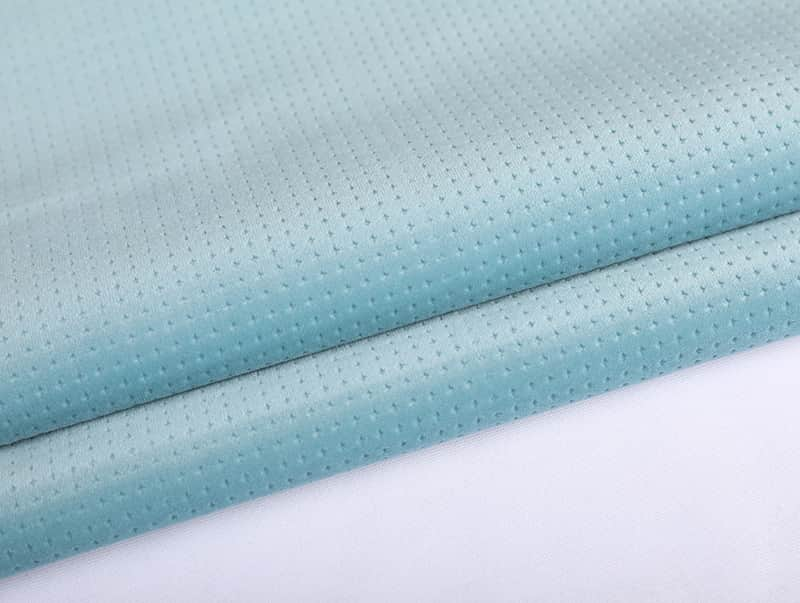
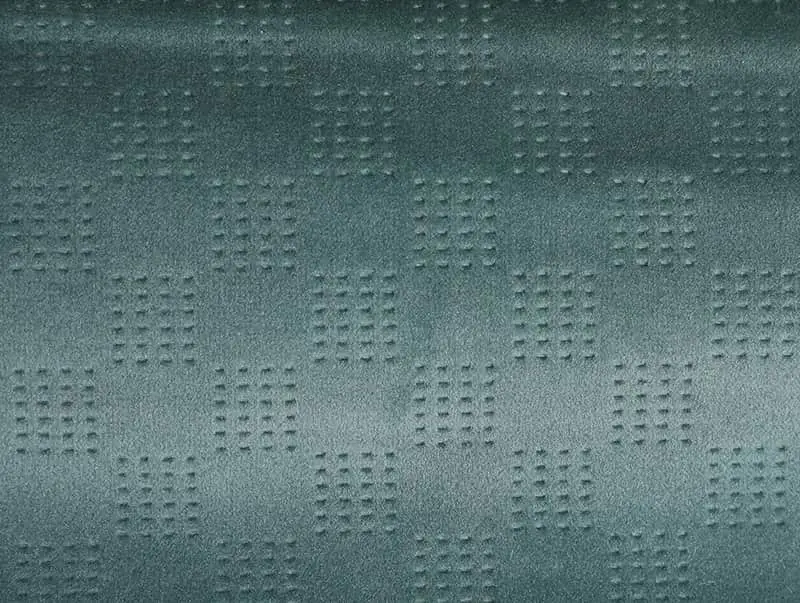
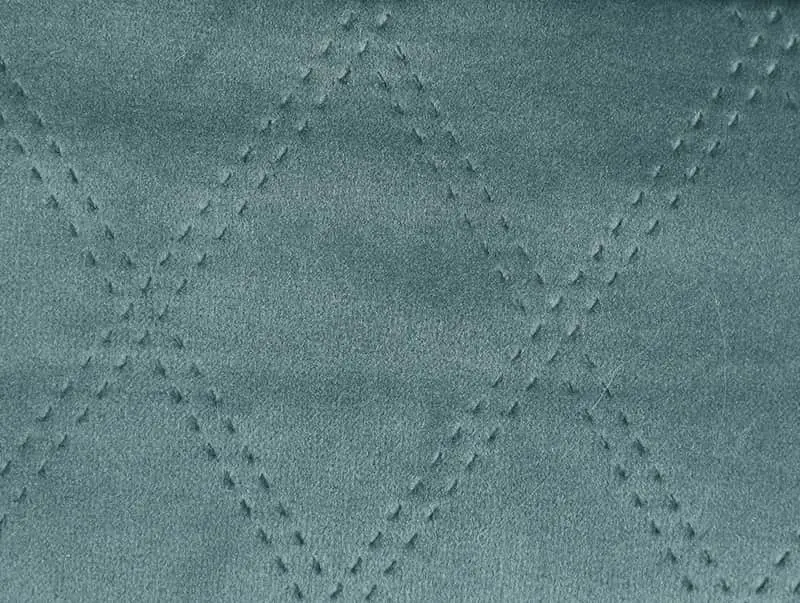
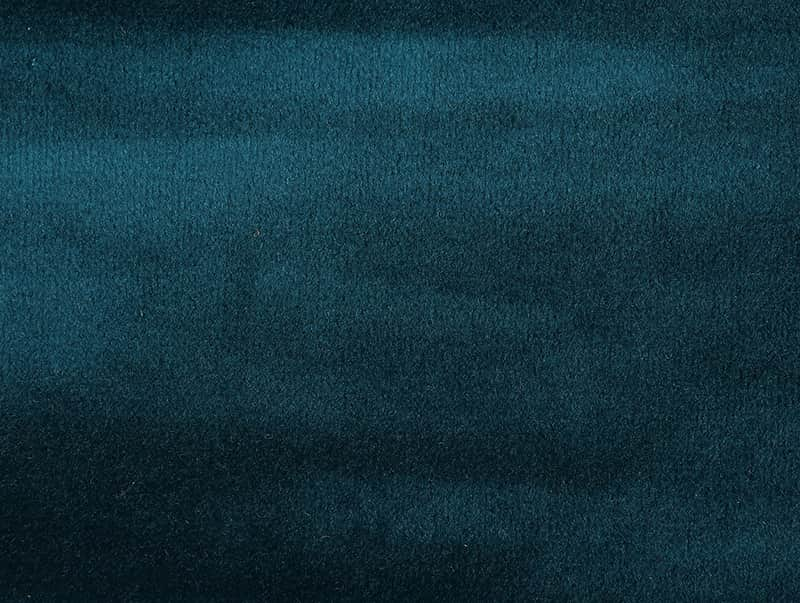
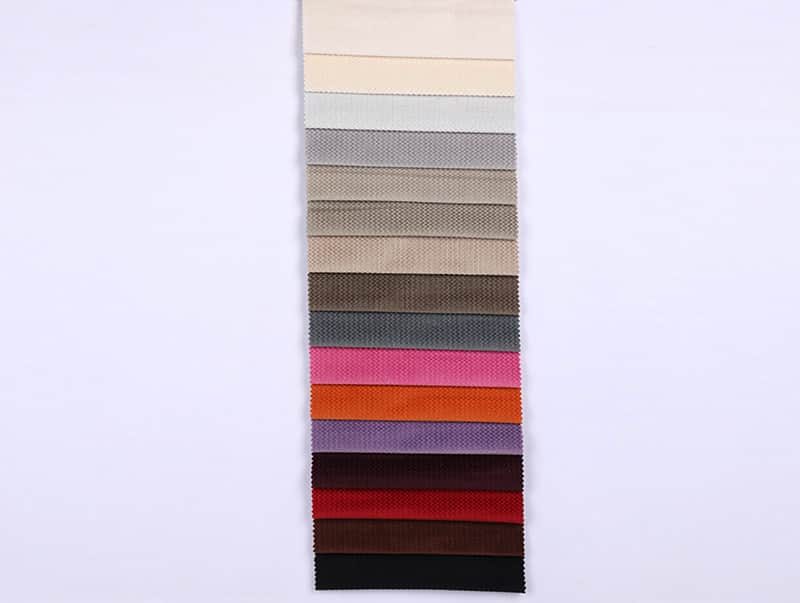 Double-Colour Velvet Sofa Upholstery with TC BackingFor a woven stripe with a quieter surface and substantial hand, this double-colour velvet pairs plush polyester with TC backing for tailored sofa frames.View Product →
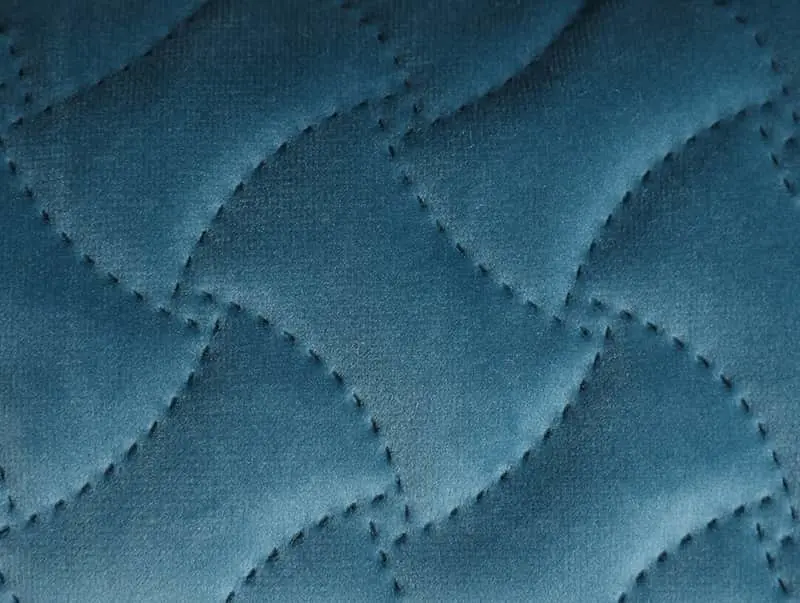
For rooms that need a woven rather than printed line, a double-colour jacquard with a TC backing is a good place to start. The pattern is built into the cloth, so the stripe has a quieter surface and a substantial hand that suits tailored sofa frames.
The Fabric Behind the Look
Stripes on upholstery are made in three main ways: printed onto a prepared base, knitted or woven in with coloured yarns, or embossed into the pile. Each gives a different edge. Printed stripes can be wide, painterly, and multi-coloured. Yarn-dyed jacquard stripes have a crispness that comes from the construction itself. Embossed lines rely on light and shadow, so they are subtler and change as you move around the room.
On velvet, the pile adds another layer. Brushing the pile in one direction makes the surface catch light differently, so a blue stripe may look deep navy from one angle and softer cobalt from another. That is part of the appeal, but it also means the fabric should be cut with pile direction in mind. If panels are cut in opposite directions, the stripes can appear to change colour at the seam.
Printing on pile is less forgiving than printing on flat cloth. The design has to hold its edge without looking hard, and the base fabric must be stable enough to keep the repeat straight. We usually begin with a PFP or PFD base and adjust the artwork to the pile height. Our guide to printed and patterned velvet upholstery covers more detail on those decisions.
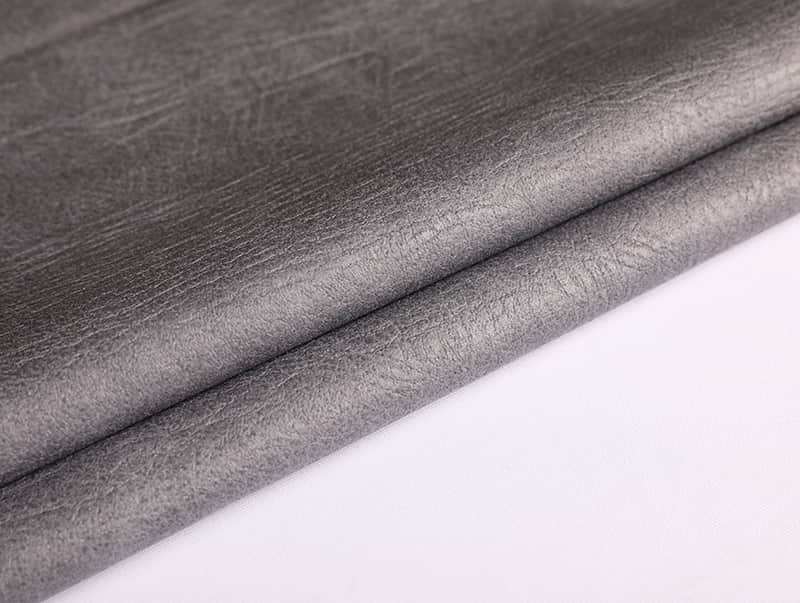
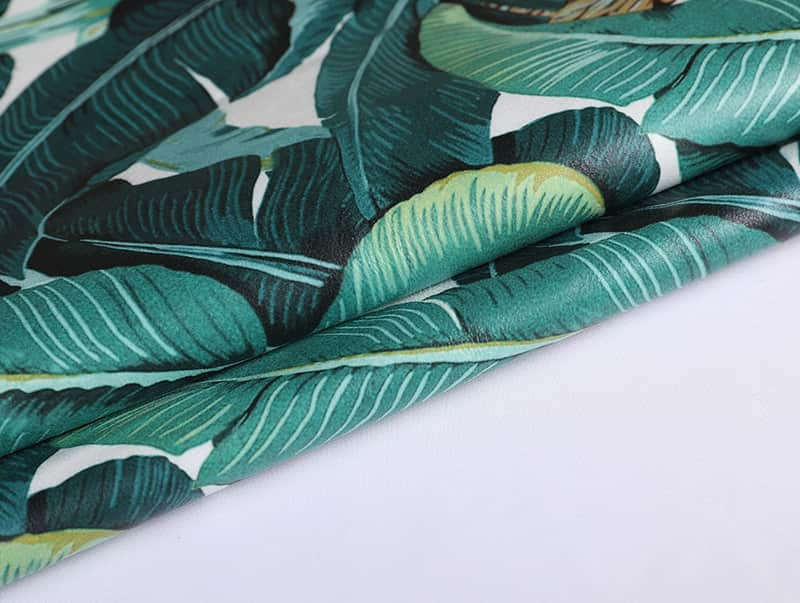
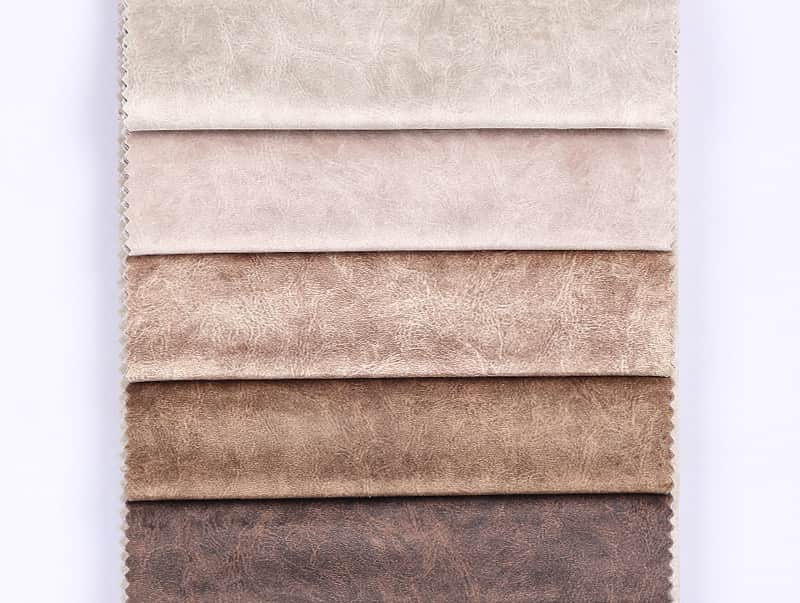 Printed Velvet Sofa Upholstery with Laminated BackingFor bold graphic stripes, this printed polyester velvet with laminated backing offers a soft hand and helps hold shape during upholstery.View Product →
If your stripe is bold and graphic, a printed velvet laminated with TC fleece gives the cover a soft hand and helps the fabric hold shape on the frame. The lamination also makes the fabric easier to handle during upholstery, which matters when the stripe has to stay level across a long seat.
Choosing a Sofa Style That Wears Stripes Well
A stripe is most flattering on a sofa with clear lines. Tight-back sofas, camelbacks, slipper chairs, and simple track-arm frames give the pattern room to read. Deep tufting can interrupt a stripe in a way that looks busy rather than tailored. On sectionals, plan the repeat around the corner; a stripe that runs straight across the front but jumps at the chaise will always be noticeable.
Loose cushions are an opportunity. You can align the stripe across the seat and back, or turn the cushions so the stripe runs horizontally for a calmer look. Piping in a solid navy or white is a practical way to frame the pattern without adding another decision. A skirt can hide a difficult repeat at the base, but it can also make a bold stripe feel heavier, so consider a leg instead.
Practical Performance for Real Rooms
Striped sofas live in real rooms. They face sunlight, pets, crumbs, and the occasional cup of coffee. For upholstery, we look at abrasion resistance, pilling, colourfastness, seam strength, and how the fabric behaves after cleaning. A light white ground shows soil sooner, while a deep navy ground shows lint and pet hair; neither is a reason to avoid the colour, but both should shape your cleaning routine.
Backing and finishing also matter. A TC backing or a light lamination can improve dimensional stability, especially on loose cushions. Anti-static and anti-dust finishes help the fabric stay clean in dry rooms. Our sofa velvet upholstery fabrics can be specified with these options for busier households.
- Abrasion: look for a Martindale result that suits daily domestic use.
- Colourfastness: blue dyes need good light and rub fastness to stay rich.
- Pilling: a tight pile and a well-finished surface reduce fuzzing.
- Cleaning: confirm whether the fabric is dry-clean only or suitable for water-based spotting.
Care That Keeps Stripes Crisp
Keep a striped sofa looking neat with regular, gentle vacuuming using a brush attachment. Rotate cushions so the pile and the pattern wear evenly. Blot spills rather than rubbing, and work from the outside of the stain inward. Keep the sofa out of strong direct sun where possible, because even good dyes will fade over years. For deeper cleaning, follow the fabric supplier's recommendation rather than testing a household remedy on a visible stripe.
Working With a Mill on Your Stripe
Stripe design is collaborative. A designer may arrive with a colour reference, a stripe width, and a mood board; we translate that into a repeat that works on the loom or the print table. Our team has been developing and producing warp-knitted velvet since 2002, with more than 60 machines and experience in embossing, printing, bronzing, laminating, and TC backing. We can adjust stripe scale, hand, and backing for different sofa constructions.
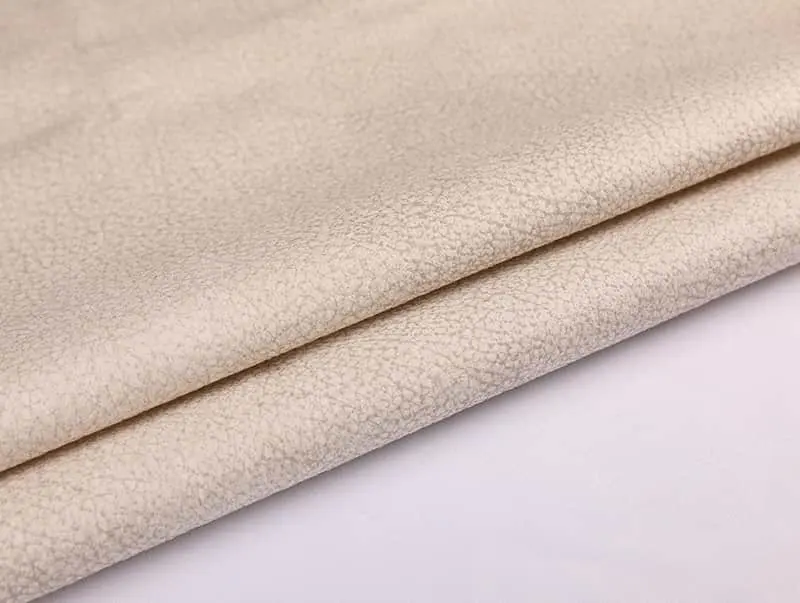
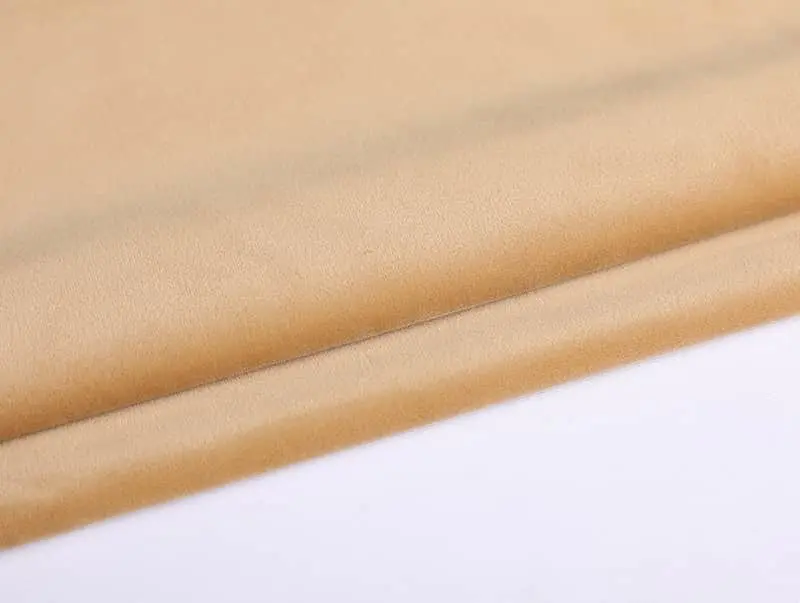
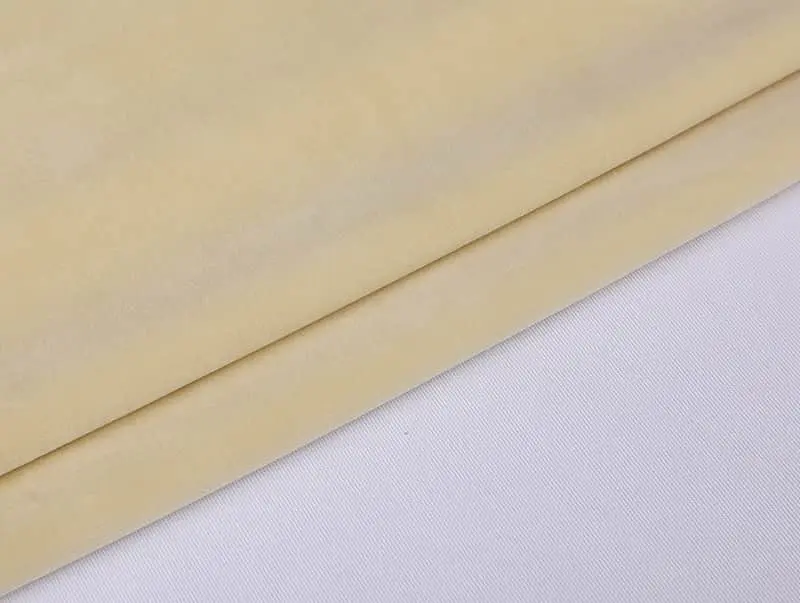
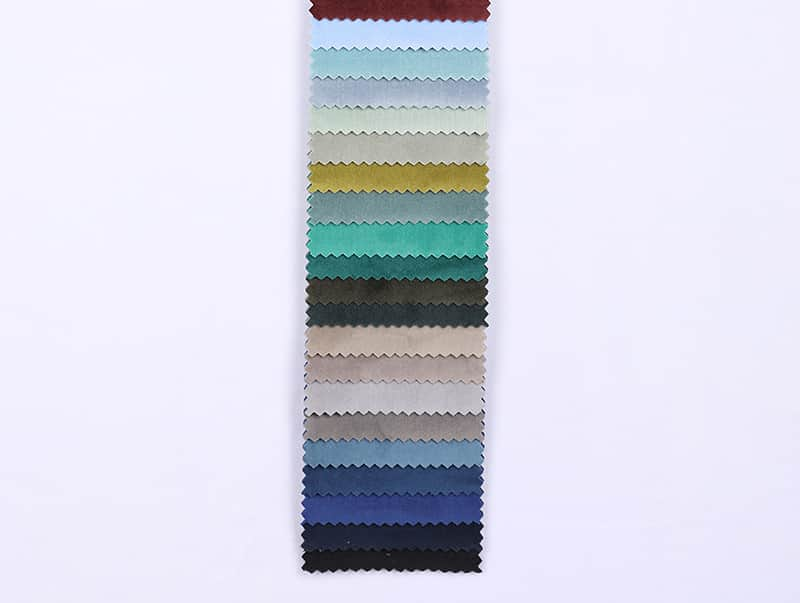 Plain Velour Sofa Upholstery in Holland VelvetA soft white ground for quiet ticking stripes, this plain velour offers a clean base for contrast piping and a range of stocked colors.View Product →
If you need a soft white ground for a quiet ticking stripe, a plain velour gives you a clean base for contrast piping or a two-fabric scheme. We are happiest when the fabric and the frame are considered together, because a stripe that works on paper can behave very differently once it is wrapped around an arm.
A blue and white striped sofa is not a trend so much as a useful classic. It can be coastal without being themed, formal without being stiff, and playful without taking over a room. Choose the stripe scale for the frame, respect the repeat, and specify a fabric that can handle daily life. Done that way, the sofa will look as good in ten years as it does on the day it arrives.