 中文简体
中文简体
 English
 Español
 عربى
عربى
Content
- 1 What Is Velvet Fabric and Why Does It Feel So Luxurious?
- 2 A Brief History of Velvet Through the Ages
- 3 The Different Types of Velvet Fabric
- 4 The Visual Appeal: Understanding Velvet's Unique Aesthetic
- 5 Velvet in Fashion: From Runways to Everyday Wardrobes
- 6 Velvet in Interior Design: Adding Depth and Drama to Your Space
- 7 How to Properly Care for Velvet Fabric
- 8 Sewing and Working with Velvet: Practical Advice for Crafters
- 9 Why Velvet Continues to Captivate Across Generations
What Is Velvet Fabric and Why Does It Feel So Luxurious?
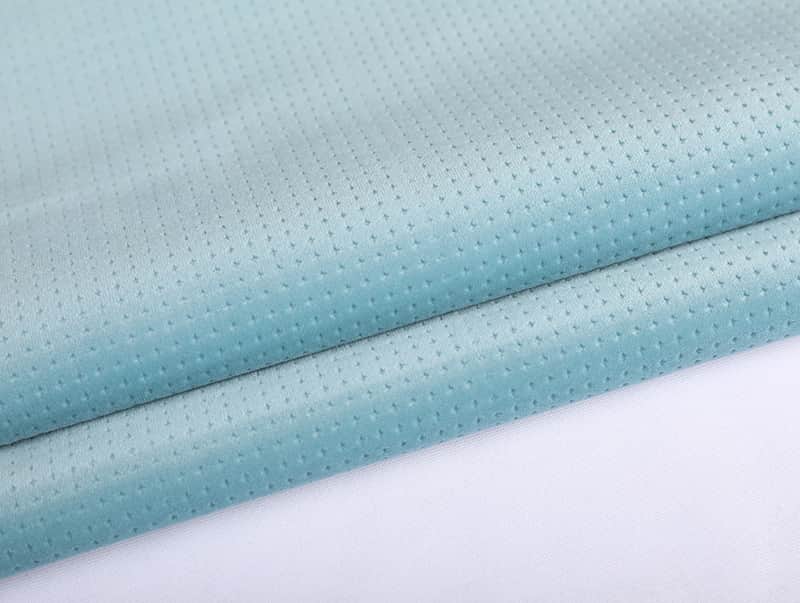
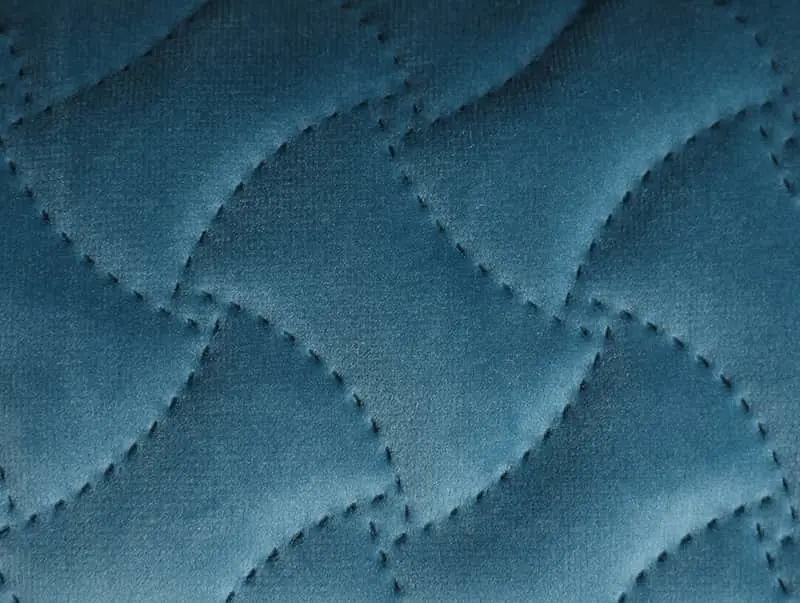
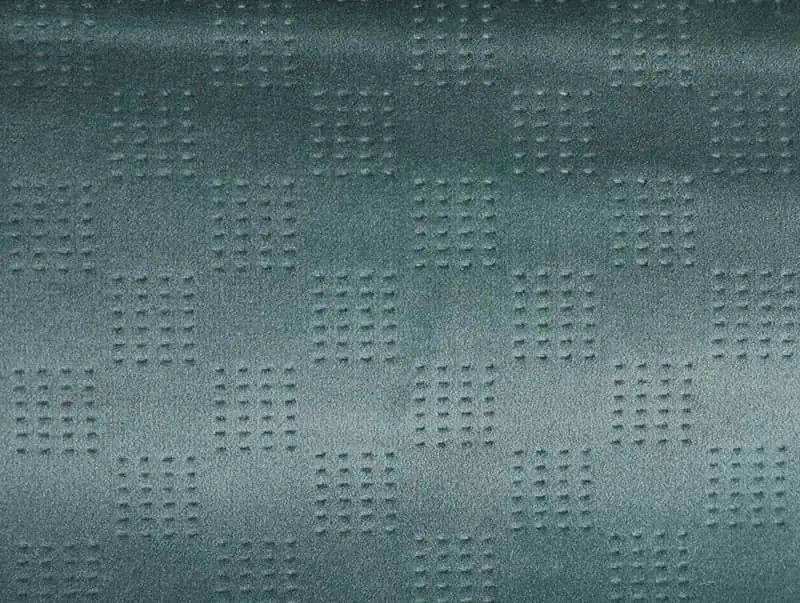
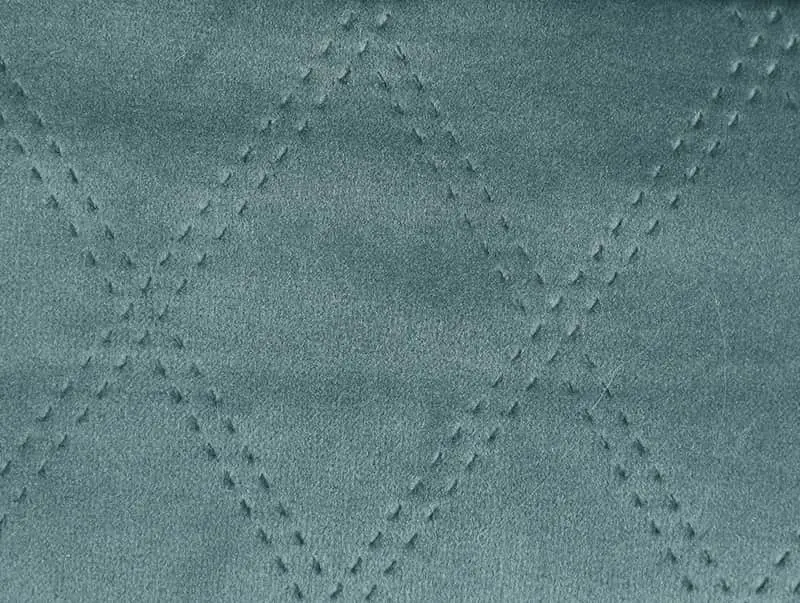
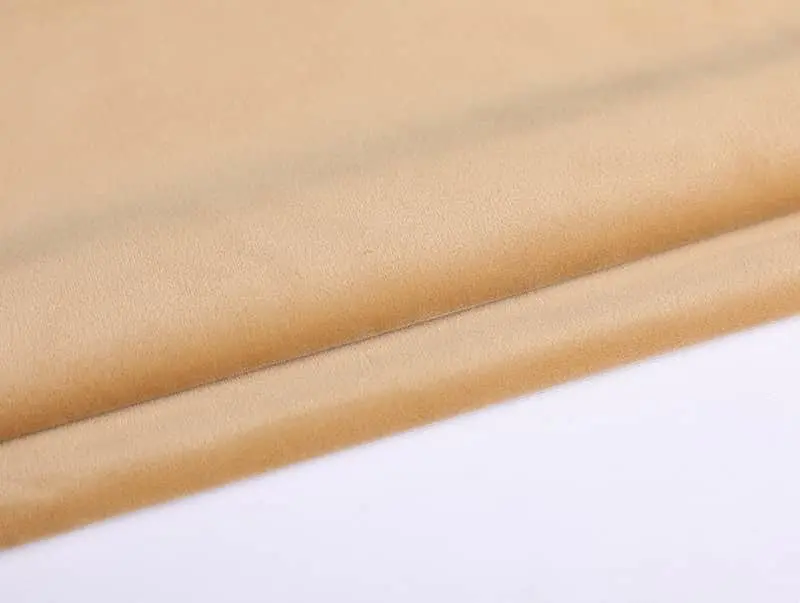
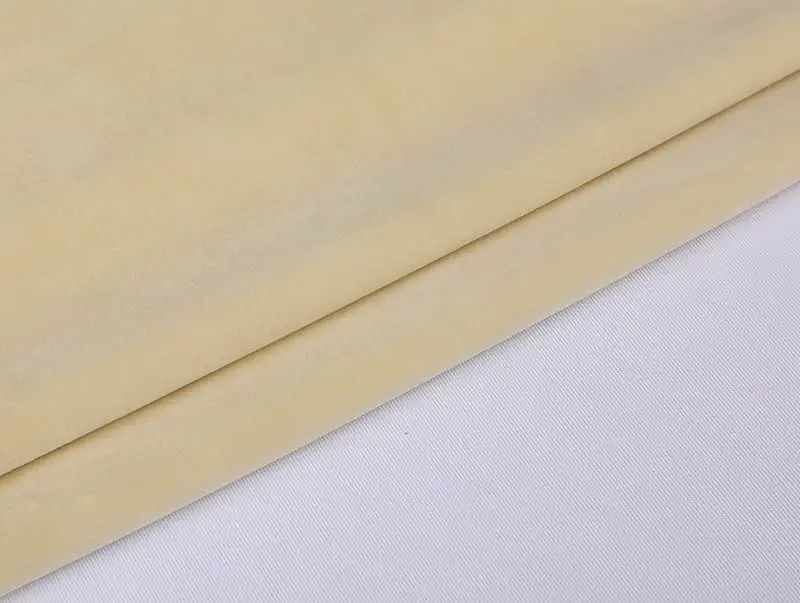
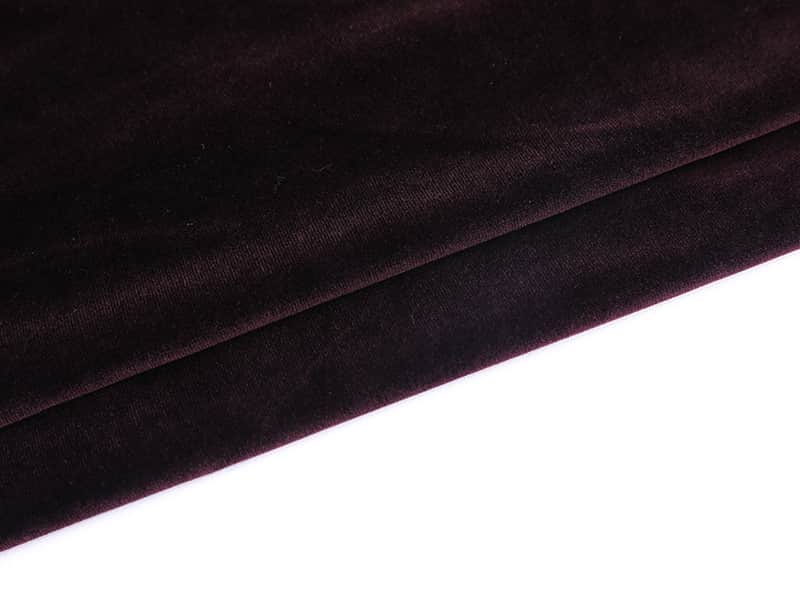
Velvet is one of the most recognizable and beloved fabrics in the world of textiles. Its defining characteristic is a dense, evenly cut pile that creates a soft, plush surface with a distinctive sheen. When light hits velvet from different angles, it produces a subtle shift in color depth — a phenomenon known as "luster" — that makes the fabric appear almost alive. This visual and tactile richness is what sets velvet apart from virtually every other material.
Historically, velvet was woven using silk, making it extraordinarily expensive and accessible only to royalty and the aristocracy. Today, velvet is produced from a wide range of fibers including cotton, polyester, nylon, and rayon, which has made it far more accessible without sacrificing its iconic look. Whether draped across a throne or sewn into a modern blazer, velvet has always carried an unmistakable sense of elegance and refinement.
A Brief History of Velvet Through the Ages
The origins of velvet are believed to trace back to the Far East, with early examples found in China and the Middle East as far back as 2000 BCE. However, it was in medieval Europe — particularly in Italy — where velvet production flourished into an art form. Cities like Florence, Venice, and Genoa became world-renowned centers for velvet weaving, exporting sumptuous fabrics embellished with intricate patterns, gold threads, and rich dyes to the courts of Europe.
By the Renaissance period, velvet had become a symbol of political power and social status. Portraits of kings, queens, and noblemen consistently depicted figures dressed in deep crimson, royal purple, or midnight blue velvet robes. The fabric was taxed, regulated, and in some regions even restricted by sumptuary laws that dictated who was legally permitted to wear it. This historical prestige has never fully left velvet's reputation, even as it became more democratized in the modern era.
The Different Types of Velvet Fabric
Not all velvet is created equal. The term "velvet" encompasses a broad family of fabrics, each with its own texture, weight, and best use case. Understanding the differences helps you choose the right type for your specific project or purpose.
| Type of Velvet | Key Characteristics | Common Uses |
| Silk Velvet | Lightweight, fluid, intensely lustrous | Eveningwear, haute couture |
| Cotton Velvet | Matte finish, heavier, breathable | Upholstery, casual fashion |
| Crushed Velvet | Irregular pile direction, shimmery effect | Clothing, decorative pillows |
| Velveteen | Short pile, cotton-based, less sheen | Children's clothing, crafts |
| Stretch Velvet | Contains spandex, flexible and form-fitting | Activewear, dancewear, fitted tops |
| Devore (Burnout) Velvet | Patterned pile removed chemically | Scarves, blouses, artistic pieces |
Each variety carries the soul of traditional velvet while offering practical advantages suited to different settings. Choosing between them depends on whether you prioritize drape, durability, stretch, or sheer visual drama.
The Visual Appeal: Understanding Velvet's Unique Aesthetic
What truly sets velvet apart from other plush fabrics — such as fleece or chenille — is its directional pile. The tiny fibers that make up velvet's surface all point in one direction, which means that stroking the fabric one way produces a lighter, almost silvery tone, while stroking it the other way deepens the color dramatically. This characteristic, called "pile direction shading," is why velvet garments and furnishings seem to glow differently depending on the light source and viewing angle.
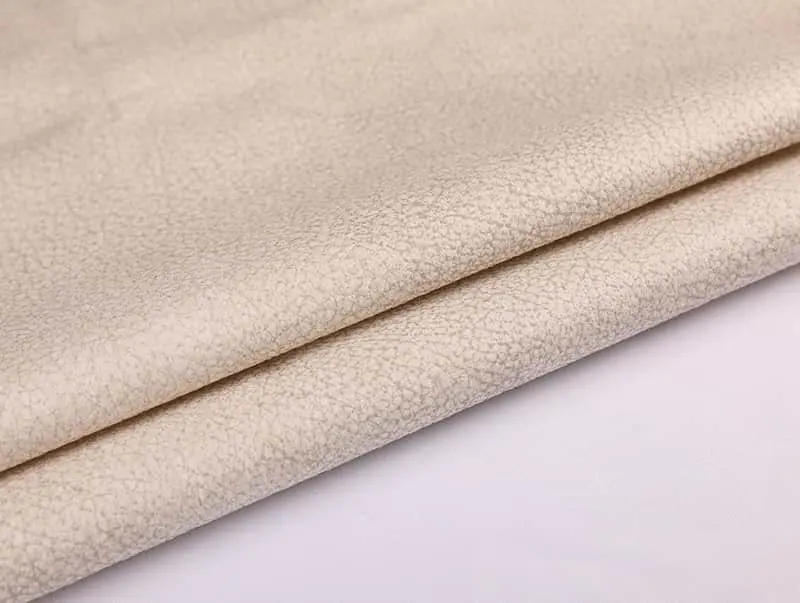
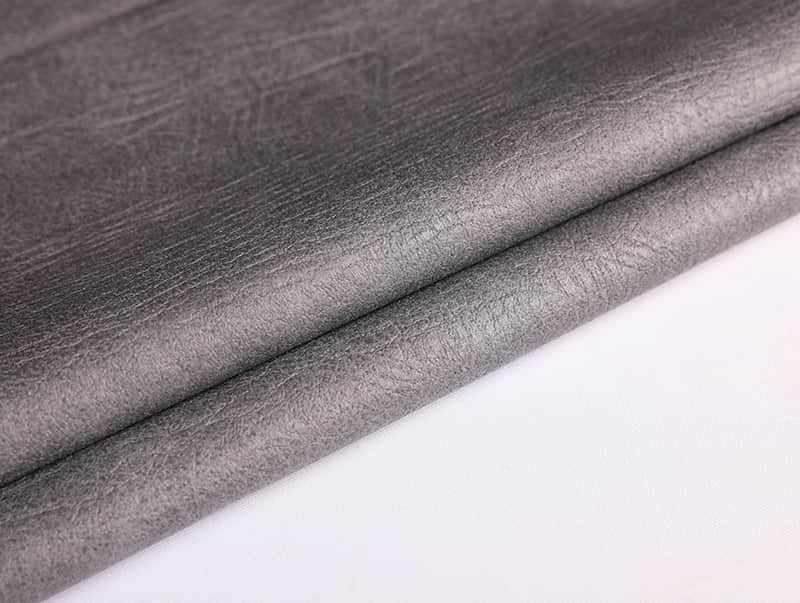
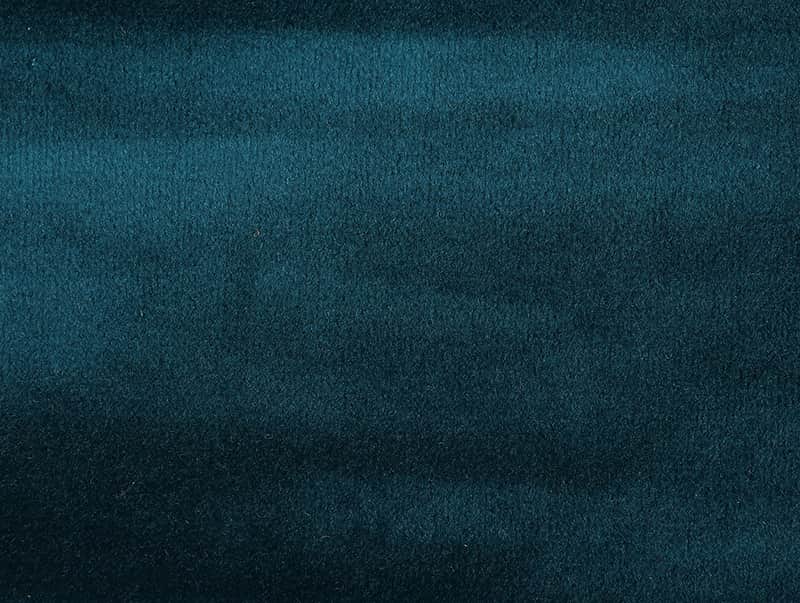
Color saturation is another defining feature. Velvet absorbs dye exceptionally well, which means that jewel tones — emerald green, sapphire blue, ruby red, and amethyst purple — appear extraordinarily vivid on velvet surfaces. Even neutral shades like champagne, slate grey, and deep navy take on an added richness when rendered in velvet. This makes it a favorite among interior designers and fashion stylists who want maximum visual impact.
Velvet in Fashion: From Runways to Everyday Wardrobes
Fashion designers have returned to velvet season after season precisely because of its transformative quality — it can make even simple silhouettes look opulent. From structured blazers to flowing maxi dresses, velvet elevates a wide range of garments. In recent years, the fabric has made a strong comeback in contemporary fashion, appearing not only in eveningwear but also in casual streetwear collections.
How to Style Velvet Clothing
- Pair a velvet blazer with slim-fit trousers and white sneakers for a smart-casual look that transitions seamlessly from day to evening.
- Choose a velvet slip dress in a deep jewel tone and layer it over a fitted turtleneck for a fashion-forward autumn outfit.
- Use velvet accessories — headbands, handbags, or shoes — as a low-commitment way to incorporate the texture into everyday outfits.
- Keep other fabric textures minimal when wearing velvet; the fabric is a statement in itself and rarely needs competition from loud prints or other textured pieces.
- For men, velvet loafers or velvet dinner jackets in classic colors like burgundy or forest green offer a sophisticated alternative to conventional eveningwear.
Velvet in Interior Design: Adding Depth and Drama to Your Space
Interior designers prize velvet for its ability to anchor a room visually and introduce a tactile warmth that harder materials simply cannot replicate. A velvet sofa — especially in a bold color like teal, mustard, or blush — instantly becomes the focal point of any living space. Velvet curtains soften the harsh edges of windows while adding thermal insulation, making rooms feel both cozy and refined.
Beyond large furniture pieces, velvet appears in throw pillows, ottomans, headboards, and even wall panels in luxury interiors. The fabric's sound-absorbing qualities also make it a practical choice in rooms where acoustics matter, such as home theaters or music studios. In these settings, beauty and function work hand in hand.
Best Color Pairings for Velvet Home Decor
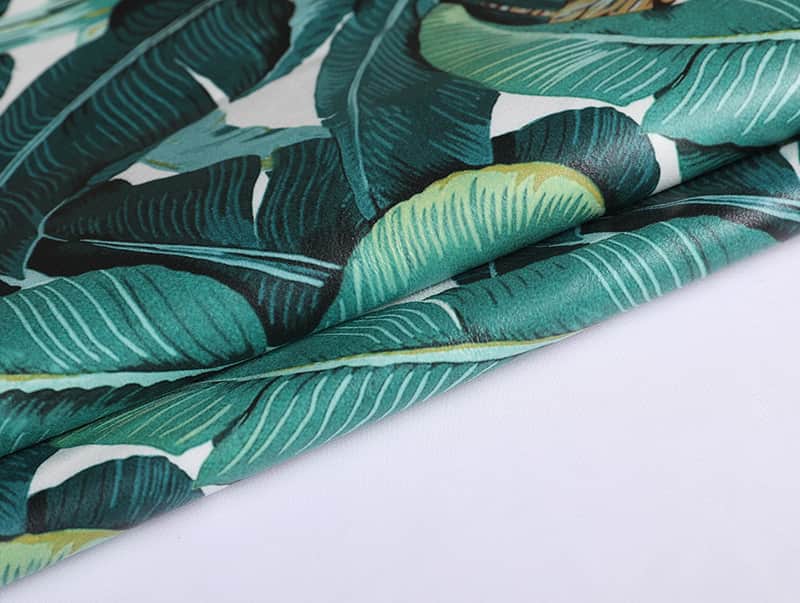
- Emerald green velvet pairs beautifully with brass hardware, warm wood tones, and cream walls for a sophisticated botanical aesthetic.
- Dusty rose velvet works well in bedrooms alongside ivory linens, gold accents, and soft lighting for a romantic, feminine atmosphere.
- Navy blue velvet creates a bold, classic contrast against white walls and chrome or silver details in contemporary spaces.
- Charcoal or deep grey velvet adds understated drama to minimalist interiors and pairs well with natural stone and concrete surfaces.
How to Properly Care for Velvet Fabric
Velvet's luxurious appearance comes with specific care requirements. Improper handling can crush the pile permanently, leave watermarks, or cause the fabric to lose its luster. Understanding how to care for velvet ensures that your garments and furnishings remain beautiful for years.
Cleaning and Maintenance Tips
- Always check the care label first. Silk velvet typically requires dry cleaning, while polyester and cotton velvet may be hand-washed in cool water.
- Never wring or twist velvet when wet; instead, gently press out excess water and lay flat to dry away from direct sunlight or heat.
- Use a soft-bristled velvet brush to restore the pile after cleaning or when the fabric appears flattened from use.
- To remove light creases or refresh crushed pile on garments, hold the fabric over steam — never place a hot iron directly on velvet, as this will flatten the pile irreversibly.
- Store velvet garments hanging rather than folded to prevent permanent pile compression, and cover them with breathable fabric garment bags.
- For upholstered velvet furniture, vacuum regularly using a low-suction setting and an upholstery brush attachment, always moving in the direction of the pile.
Sewing and Working with Velvet: Practical Advice for Crafters
For those who sew or work with fabric, velvet presents a delightful but demanding challenge. The pile makes it prone to slipping during cutting and sewing, and seam allowances can be bulky. However, with the right techniques, working with velvet can produce stunning results that no other fabric can match.
- Always cut velvet pieces in a single layer rather than folded, and ensure all pattern pieces are cut with the pile running in the same direction to avoid color inconsistencies in the finished piece.
- Use sharp, fine pins and insert them within the seam allowance only — pin marks outside the seam area may leave visible indentations in the pile.
- Opt for a walking foot or roller foot on your sewing machine to prevent the layers from shifting as you sew.
- Reduce seam bulk by trimming and grading seam allowances, and press seams open using a needle board or a scrap of velvet placed pile-side-up beneath the iron.
Why Velvet Continues to Captivate Across Generations
Few fabrics have demonstrated the same staying power as velvet. While trends come and go, velvet has maintained its place in fashion collections, interior design portfolios, and theatrical costuming for centuries. Its enduring appeal lies in its remarkable combination of visual beauty and tactile pleasure — it invites touch in a way that few other textiles can.
Modern innovations have only expanded velvet's possibilities. Sustainable velvet options made from recycled fibers are entering the market, and digital printing techniques allow for more intricate patterns on velvet surfaces than ever before. Whether you are drawn to velvet for its historical grandeur, its sensory richness, or its sheer aesthetic impact, this fabric remains one of the most rewarding materials to explore, wear, and live with.