 中文简体
中文简体
 English
 Español
 عربى
عربى
Content
- 1 Why Headliner Fabric Is More Than Just a Decorative Material
- 2 Structural Integrity and Dimensional Stability
- 3 Thermal and UV Resistance
- 4 Acoustic Performance and Sound Absorption
- 5 Adhesive Compatibility and Lamination Performance
- 6 Surface Appearance and Texture Consistency
- 7 Moisture Resistance and Anti-Mold Properties
- 8 Compliance With Automotive Safety and Emissions Standards
- 9 Workability During Installation and Repair
Why Headliner Fabric Is More Than Just a Decorative Material
The headliner is the fabric-covered panel that lines the interior ceiling of a vehicle. While it may seem like a purely cosmetic element, it performs multiple critical functions simultaneously: it insulates against heat and cold, absorbs sound and vibration, covers structural components, and contributes significantly to the overall aesthetic of the cabin. A headliner that fails — by sagging, fading, or deteriorating — affects both comfort and resale value.
For a fabric to qualify as a suitable automobile headliner material, it must meet a demanding set of standards that go far beyond appearance. Automotive environments expose materials to extreme temperature swings, UV radiation, moisture, mechanical stress, and continuous contact with adhesives and foam backings. Understanding what qualities separate an adequate headliner fabric from an exceptional one is essential for manufacturers, restorers, and anyone sourcing materials for an automotive interior project.
Structural Integrity and Dimensional Stability
One of the most fundamental requirements for headliner fabric is dimensional stability — the ability to maintain its shape and size under varying conditions without shrinking, stretching, or warping. A fabric that expands in summer heat and contracts in winter cold will quickly develop creases, bubbles, or pull away from bonded edges.
Headliner fabrics are typically laminated to a polyurethane foam backing, which is then bonded to a rigid substrate (often fiberglass, polypropylene, or compressed fiberboard). The fabric layer must remain stable through this lamination process and continue to hold its form when the completed headliner panel is flexed during installation or subjected to the weight of overhead accessories like sunroof frames, grab handles, and lighting modules.
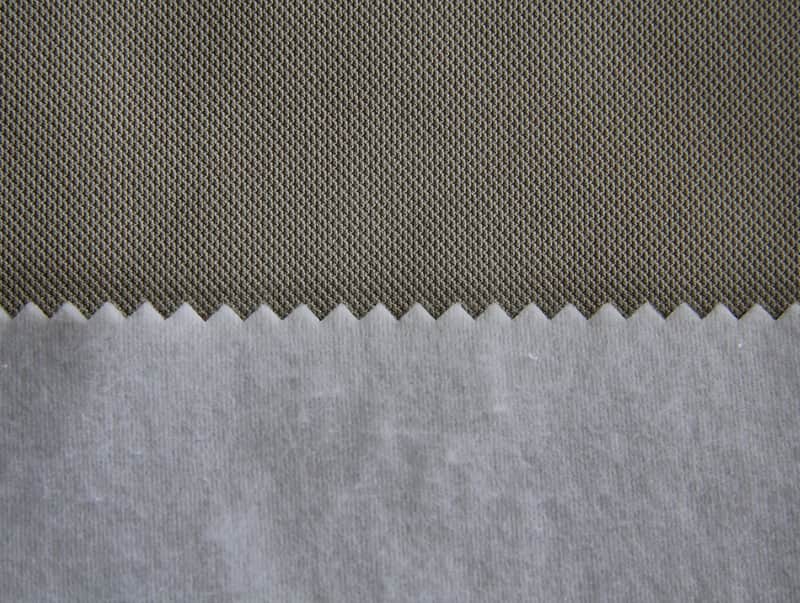
Woven and knitted fabrics with tight, consistent construction generally offer superior dimensional stability. Loosely woven or heavily textured fabrics are more prone to distortion during adhesive bonding, which can produce an uneven surface finish once installed.
Thermal and UV Resistance
The interior ceiling of a vehicle is one of the most thermally stressed surfaces in the cabin. Parked vehicles in direct sunlight can reach interior temperatures of 70°C (158°F) or higher. Over time, this heat degrades adhesives, breaks down foam backing, and causes fabric fibers to lose their color, strength, and texture.
Automobile headliner fabric must therefore demonstrate strong resistance to both thermal degradation and ultraviolet radiation. UV rays penetrate glass and cause photochemical breakdown of synthetic fibers, leading to fading, brittleness, and eventual crumbling. High-quality headliner materials are made from UV-stabilized fibers or treated with UV-protective coatings that slow this degradation significantly.
Common Fiber Types and Their UV Performance
| Fiber Type | UV Resistance | Common Use in Headliners |
|---|---|---|
| Polyester | Good (especially solution-dyed) | Most widely used |
| Nylon | Moderate (degrades faster than polyester) | Performance and luxury segments |
| Polypropylene | Low (requires UV stabilizer treatment) | Budget and commercial vehicles |
| Acrylic | Excellent | Convertibles and sunroof-heavy models |
Solution-dyed polyester — where the color pigment is integrated into the fiber during manufacturing rather than applied afterward — offers the best combination of fade resistance and durability, which is why it dominates modern OEM headliner production.
Acoustic Performance and Sound Absorption
Noise, vibration, and harshness (NVH) management is a top priority in automotive engineering, and the headliner plays a meaningful role in this system. Road noise, wind noise, and powertrain vibration all travel through the vehicle body and roof structure. The headliner assembly — fabric, foam, and substrate together — acts as an acoustic barrier and absorber that reduces the amount of noise reaching the cabin.
Fabrics with a denser pile or looped structure, such as velour or certain knitted textiles, have better natural sound-absorbing properties than flat-woven fabrics. The foam backing layer typically does much of the heavy lifting acoustically, but the fabric surface still contributes to mid- and high-frequency absorption, which affects the perceived quietness of the interior.
In premium vehicles, headliner fabrics may be specifically engineered with acoustic layering — including nonwoven fibrous layers bonded between the fabric face and foam — to achieve measurable decibel reductions. For mass-market vehicles, a balance between acoustic performance and cost is struck using optimized foam thickness and fabric density.
Adhesive Compatibility and Lamination Performance
In virtually all modern headliner constructions, the fabric is bonded to a foam layer using heat-activated or spray adhesives, and the foam is in turn bonded to a rigid substrate. The fabric must be chemically and structurally compatible with these adhesives — meaning it should accept and hold adhesive without the bonding agent bleeding through to the visible surface or causing the fabric to pucker or discolor.
Fabrics with an open weave or very fine fibers can allow adhesive strike-through, where the glue becomes visible on the face of the fabric. This is a common defect in lower-quality headliner materials and results in a stiff, blotchy surface. Well-engineered headliner fabrics use a construction dense enough to prevent this while still maintaining flexibility for forming over curved surfaces.
Flame lamination is another common bonding technique, where the foam is briefly exposed to an open flame, causing its surface to melt and become tacky before being pressed against the fabric. The fabric must be able to withstand this process without surface deformation, melting, or color change — which requires precise selection of fiber type and weave construction.
Surface Appearance and Texture Consistency
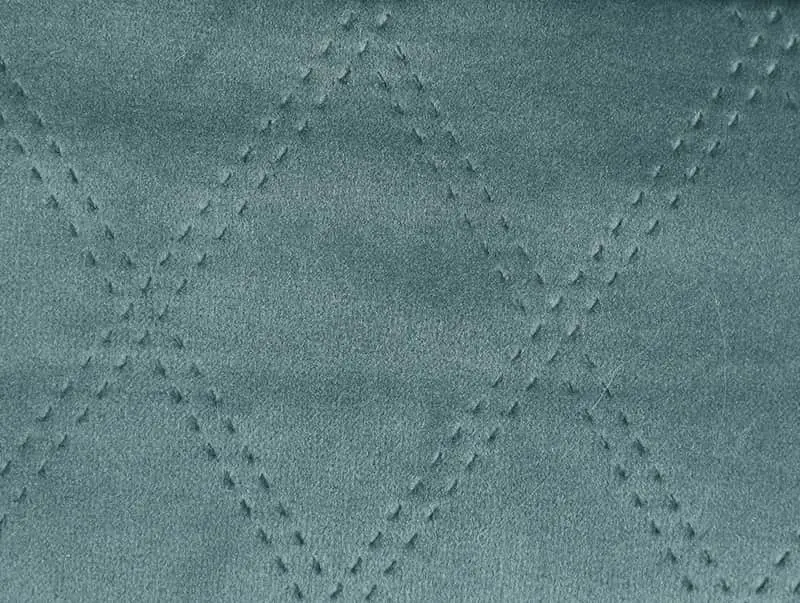
From a design perspective, the headliner fabric must present a uniform, aesthetically pleasing surface. Texture irregularities, yarn variations, or color inconsistencies that might be acceptable in upholstery or seat fabric become highly visible when the material is installed as a continuous overhead panel under cabin lighting.
The most commonly used headliner fabric textures include:
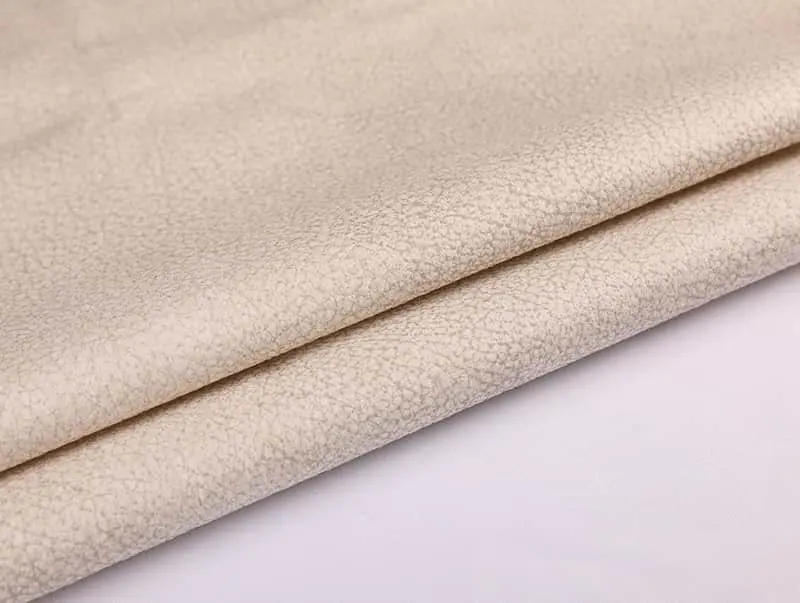
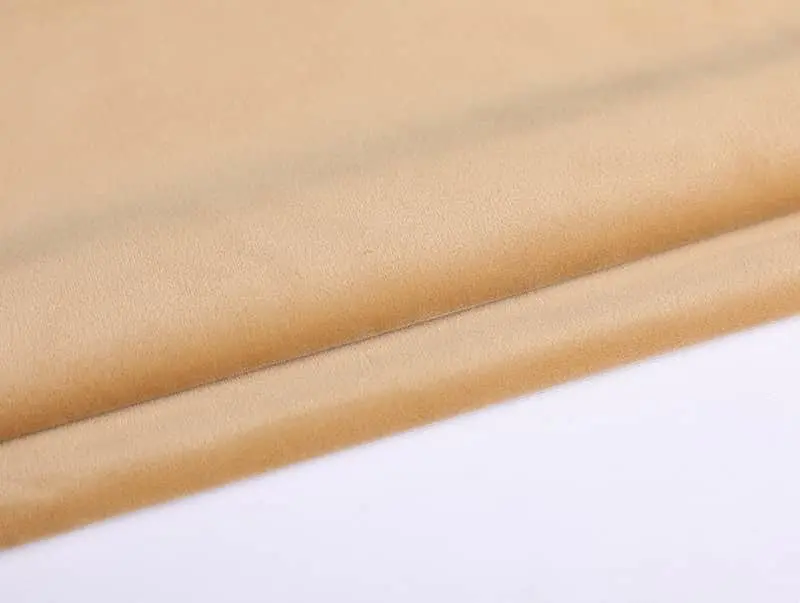
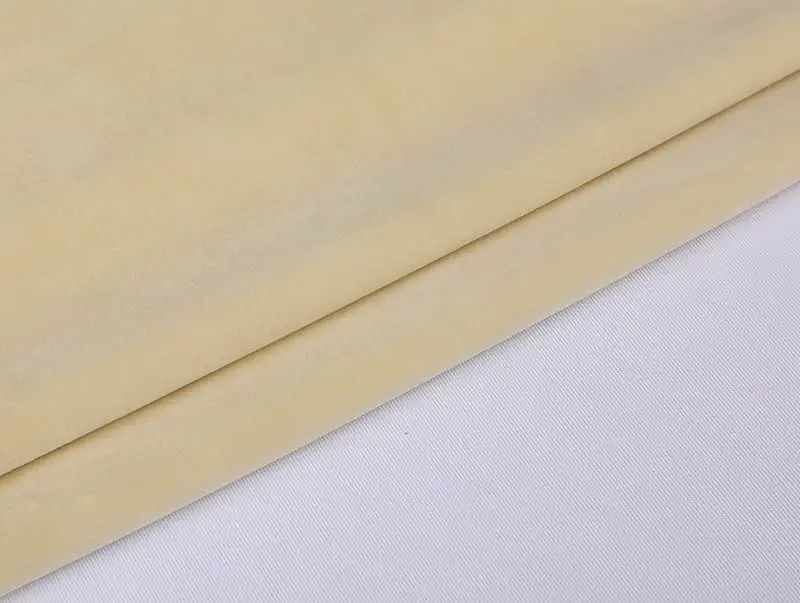
- Suede-effect microfiber: Used in luxury vehicles for its soft tactile quality and premium appearance. Requires careful handling to avoid crushing the pile during installation.
- Velour: A looped or cut-pile knit fabric with a plush surface. Excellent for acoustic absorption and a warm visual character, commonly found in mid-range and family vehicles.
- Flat knit / jersey: Smooth, lightweight, and cost-effective. Common in economy vehicles and often used where a clean, unobtrusive ceiling is the design goal.
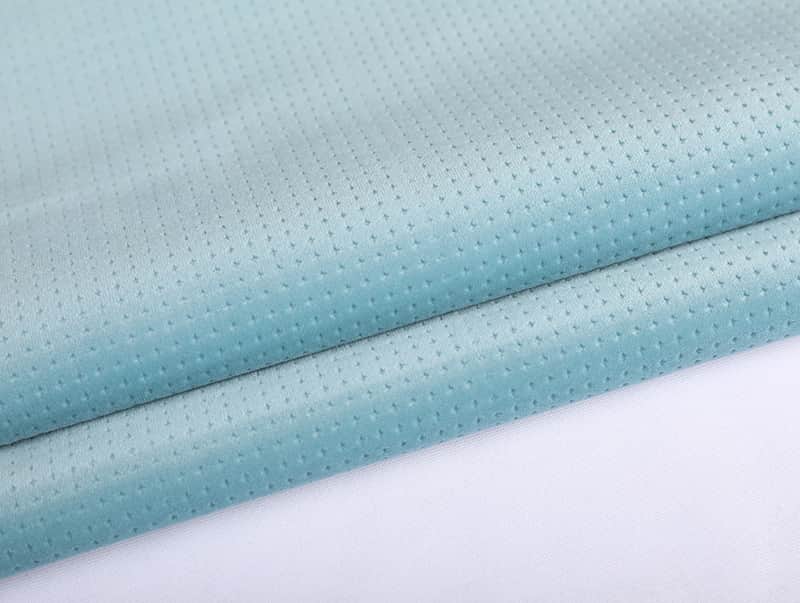
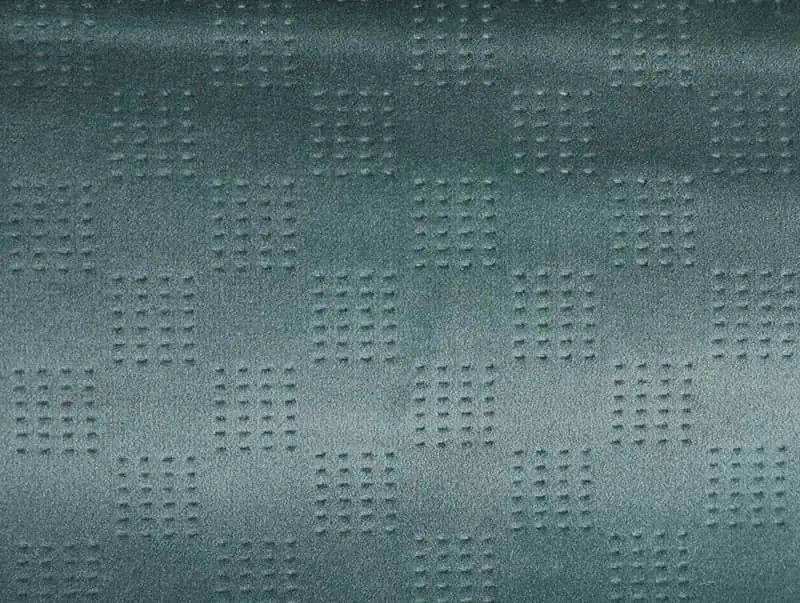
- Perforated fabric: Features a pattern of small holes that improve airflow from overhead HVAC vents and add a technical, modern aesthetic. Used in performance and sport models.
Color consistency across production batches is also critical. Automakers typically specify tight dye-lot tolerances, and suppliers must demonstrate the ability to produce fabric within a defined color range consistently — often verified using spectrophotometric measurement rather than visual assessment alone.
Moisture Resistance and Anti-Mold Properties
Vehicles are frequently exposed to rain, condensation, spills, and high-humidity environments. The headliner, sitting above all occupants, can absorb airborne moisture over time. In extreme cases — such as a leaking sunroof seal or a window left open in rain — the headliner may become directly saturated.
Headliner fabric should resist moisture absorption and, when exposed to humidity, should dry without developing mold, mildew stains, or odors. Many automotive fabrics are treated with antimicrobial or water-repellent finishes to address this. The foam backing is an equally important consideration, as open-cell polyurethane foam can retain moisture for extended periods — which is why closed-cell foam alternatives are used in high-humidity applications.
In regions with extreme humidity or for vehicles used in marine and off-road environments, headliner fabrics with hydrophobic fiber coatings or synthetic non-absorbent constructions (such as 100% polyester with a DWR treatment) significantly outperform untreated materials in long-term durability.
Compliance With Automotive Safety and Emissions Standards
Automobile headliner fabric must meet a range of regulatory and OEM-specific standards before it can be used in production vehicles. These standards address flammability, volatile organic compound (VOC) emissions, and material safety.
- Flammability: In the United States, Federal Motor Vehicle Safety Standard (FMVSS) 302 requires that interior materials burn at a rate no faster than 4 inches per minute. European markets follow ECE R118 standards. Headliner fabric must pass horizontal burn testing to confirm compliance.
- VOC emissions: Interior fabrics can off-gas chemicals from dyes, finishes, and adhesives — contributing to the characteristic "new car smell" and potentially to cabin air quality issues. Standards such as VDA 278 (Germany) and GB/T 27630 (China) set limits on total VOC and specific compound emissions. Premium automakers impose even stricter limits beyond regulatory minimums.
- Fogging resistance: This refers to the tendency of a material to release vapors that condense on glass surfaces (particularly the windshield), reducing visibility. DIN 75201 is the standard test for automotive interior fogging, and headliner fabrics are expected to pass at defined thresholds.
- REACH and RoHS compliance: Fabrics must be free from restricted substances including certain azo dyes, heavy metals, and formaldehyde above defined limits — particularly important for global supply chains serving European markets.
Meeting these standards is not optional for OEM supply — it is a baseline requirement. For aftermarket suppliers, demonstrating compliance is increasingly expected by professional installers and end customers who are aware of cabin air quality issues.
Workability During Installation and Repair
Beyond performance in the finished vehicle, headliner fabric must also be practical to work with during manufacturing and installation. This means it should have sufficient tensile strength to be pulled taut over a substrate without tearing at cut edges, and it should drape smoothly around curves and compound contours without wrinkling or puckering.
For professional installers working on restoration or replacement projects, a fabric that cuts cleanly without fraying, accepts contact adhesive evenly, and repositions before final bonding is a major practical advantage. Fabrics with excessive stretch in one direction can be difficult to align consistently across a large panel, while fabrics with no stretch at all may crack or separate at tight bends.
The ideal headliner fabric strikes a balance: enough elasticity to conform to the vehicle's ceiling geometry, but enough dimensional stability to resist distortion once adhesive is applied. This combination — along with all the performance qualities discussed above — is what distinguishes a material purpose-built for automotive headliners from a general-purpose upholstery or textile fabric.