 中文简体
中文简体
 English
 Español
 عربى
عربى
Content
- 1 The Role of Base Fabric in Car Artificial Leather Construction
- 2 Mechanical Durability Requirements for Automotive Use
- 3 UV Resistance and Long-Term Color Stability
- 4 Fire Resistance Standards in Automotive Interior Materials
- 5 Common Base Fabric Types and Their Characteristics
- 6 How Base Fabric Interacts With the Coating Layer
- 7 Selection Criteria for Automotive Interior Suppliers
The Role of Base Fabric in Car Artificial Leather Construction
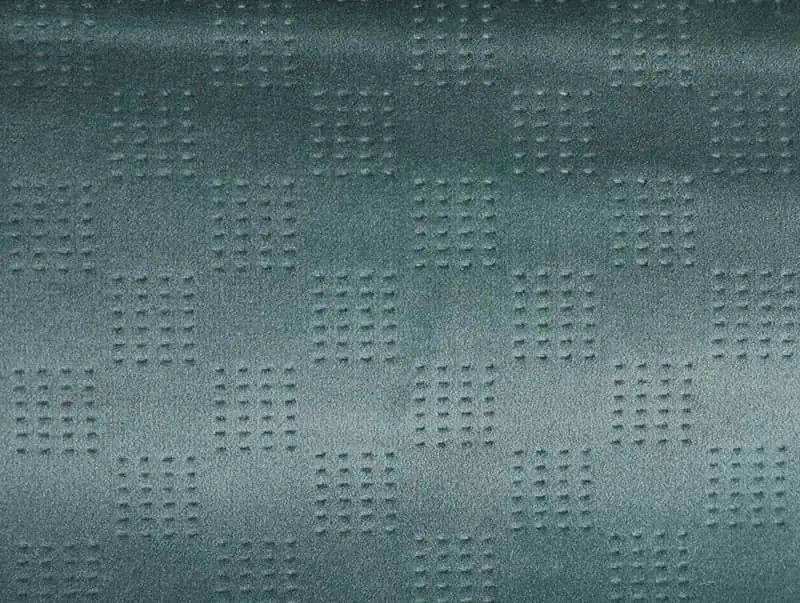
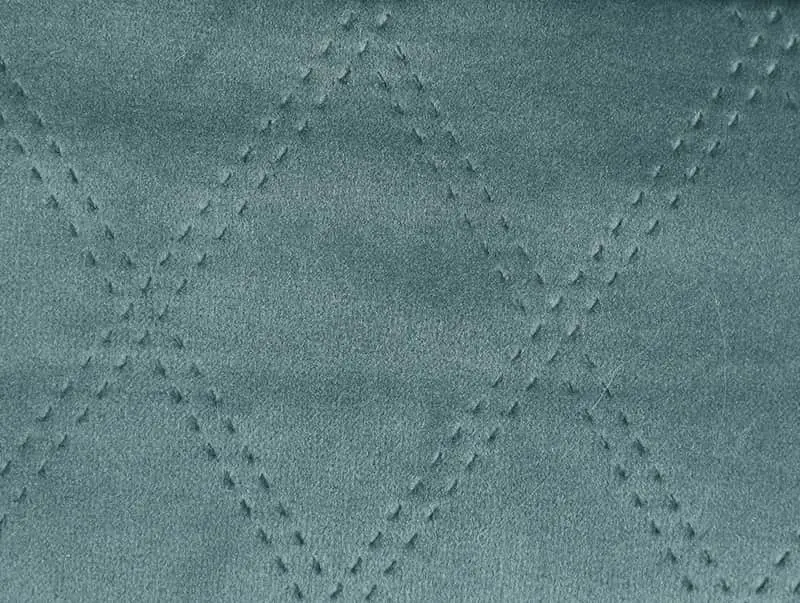
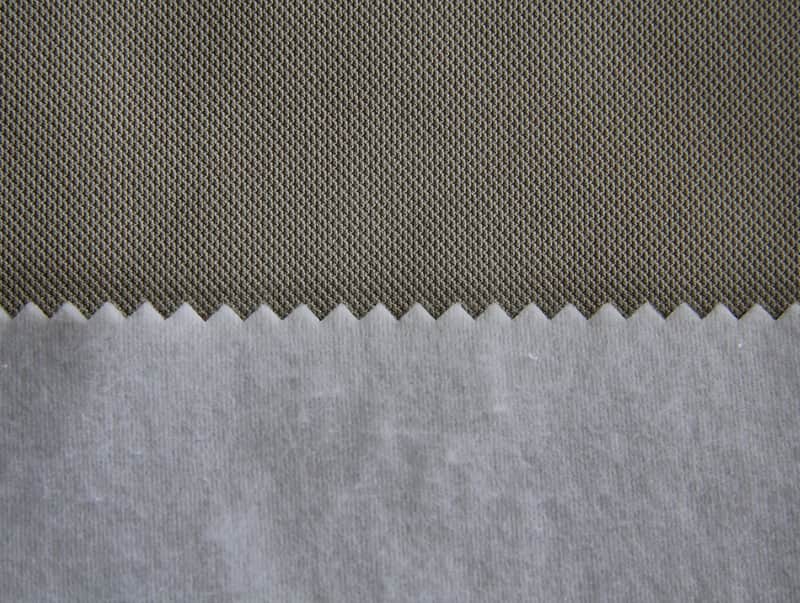
Car artificial leather base fabric is the foundational textile layer that gives automotive leatherette its structural strength, dimensional stability, and resistance to the mechanical stresses of daily vehicle use. While the visible surface of automotive leatherette gets most of the attention for its texture, color, and grain pattern, it is the base fabric bonded beneath the polyurethane or PVC coating that determines how well the finished material holds up to years of sitting, sliding, gripping, and flexing inside a moving vehicle. Without an appropriately engineered base fabric, even a well-formulated surface coating will crack, delaminate, or stretch out of shape long before the interior trim reaches the end of its expected service life.
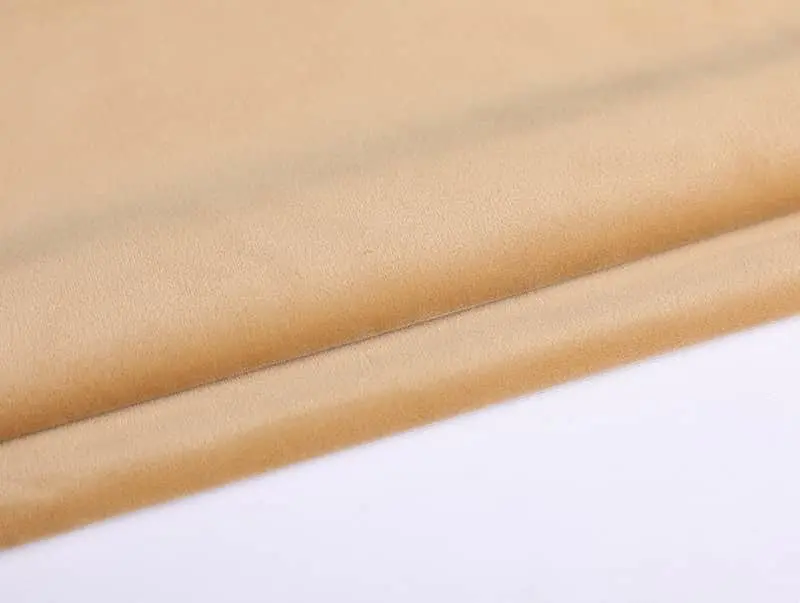
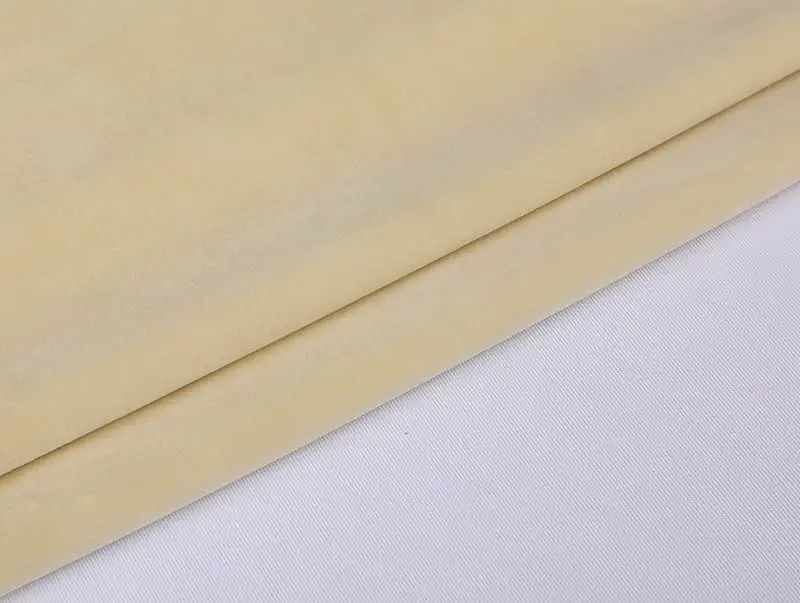
The base fabric is typically a woven or knitted textile made from polyester, a polyester-cotton blend, or a specialized non-woven substrate, chosen specifically for its tensile strength, elongation properties, and compatibility with the coating and lamination process used to apply the leatherette surface layer.
Mechanical Durability Requirements for Automotive Use
Automotive seating, door panels, and dashboard trim experience a combination of stresses that few other textile applications face simultaneously, which is why base fabric specifications for car leatherette are considerably more demanding than those used in furniture or fashion leatherette.
Tear and Puncture Resistance
Seats and door panels are subject to repeated stress from passengers entering and exiting the vehicle, sharp objects such as belt buckles or keys, and pet claws in many households. The base fabric's weave density and yarn strength directly determine how well the material resists propagating a tear once a small cut or puncture occurs, which is why tear strength testing is a standard part of base fabric qualification for automotive suppliers.
Abrasion Resistance Under Constant Friction
The friction from passengers sliding in and out of seats, seatbelts rubbing against trim, and general contact wear over years of use requires a base fabric with high abrasion resistance, typically measured using Martindale or Taber abrasion testing cycles. A base fabric that resists abrasion helps the coated surface layer maintain its bond and appearance rather than developing thin spots or surface cracking in high-contact areas like the seat bolster or armrest.
Dimensional Stability and Elongation Control
Seat covers and trim panels are stretched over foam padding and molded shapes during assembly, which means the base fabric must have controlled elongation properties so it stretches predictably without excessive permanent deformation. Fabric that stretches too much or unevenly can cause wrinkling, sagging, or an uneven surface appearance once installed, which is a common quality complaint in automotive interior trim.
UV Resistance and Long-Term Color Stability
Vehicle interiors are exposed to intense and prolonged sunlight through windshields and side windows, often reaching surface temperatures well above ambient air temperature on a sunny day. This UV and heat exposure accelerates the breakdown of both the surface coating and the underlying base fabric if UV-stabilizing treatments are not incorporated into the material design. Base fabrics intended for automotive leatherette typically undergo UV-resistant finishing treatments or are constructed from inherently UV-stable fiber types to slow the fading, embrittlement, and yellowing that would otherwise occur over a vehicle's typical ownership period.
Suppliers commonly validate UV performance using accelerated weathering tests such as xenon arc or QUV exposure chambers, which simulate months or years of sunlight exposure in a controlled testing timeframe. These test results are typically reported as color change delta-E values and physical property retention percentages after a specified number of exposure hours, giving buyers a comparable benchmark across different base fabric options.
Fire Resistance Standards in Automotive Interior Materials
Fire safety is a mandatory consideration in automotive interior materials, and base fabric composition plays a direct role in meeting flammability standards such as FMVSS 302 in North America or equivalent regional standards elsewhere. Flame-retardant treatments can be applied to the base fabric itself, incorporated into the fiber during production through inherently flame-retardant polymer types, or achieved through the combination of a treated base fabric with a fire-resistant surface coating layer. Because flammability testing evaluates the complete laminated material rather than the base fabric alone, base fabric suppliers and leatherette manufacturers typically coordinate closely to ensure the finished composite meets required burn rate limits.
Common Base Fabric Types and Their Characteristics
Different base fabric constructions offer different balances of cost, strength, and processing compatibility, making the choice of fabric type an important early decision in automotive leatherette development.
| Base Fabric Type | Key Characteristics |
| Woven Polyester | High tensile strength, controlled stretch, good dimensional stability for seating applications |
| Knitted Polyester | Greater elongation and flexibility, suited for molded or contoured trim panels |
| Polyester-Cotton Blend | Balanced hand feel and strength, moderate cost, used in mid-range interior trim |
| Non-Woven Substrate | Lower cost, lighter weight, often used for lower-visibility or budget-tier applications |
How Base Fabric Interacts With the Coating Layer
The performance of automotive leatherette depends on strong adhesion between the base fabric and its polyurethane or PVC coating layer, since delamination between these layers is one of the most common failure modes reported in field use. Base fabric surface treatment, weave openness, and fiber type all influence how well the coating mechanically and chemically bonds during the lamination or direct-coating process. A base fabric that is too smooth or has an incompatible surface chemistry can result in weak adhesion that shows up as bubbling, peeling, or surface separation after repeated flexing.
Manufacturers typically test bond strength through peel adhesion testing, pulling the coating layer away from the base fabric at a controlled angle and speed to measure the force required for separation. Base fabrics that pass these adhesion benchmarks consistently across production batches reduce the risk of warranty claims related to premature seat cover or trim panel failure.
Selection Criteria for Automotive Interior Suppliers
When evaluating base fabric options for automotive leatherette production, several practical factors should guide the selection process beyond basic cost comparison.
- Confirm tear strength, tensile strength, and abrasion resistance data against the specific application, since seat bolsters and armrests require higher performance than lower-contact trim areas.
- Request accelerated UV weathering test reports with delta-E color change data relevant to the vehicle's expected climate exposure.
- Verify flammability test compliance for the complete laminated material against the applicable regional automotive standard.
- Evaluate peel adhesion performance between the base fabric and intended coating type before committing to large production volumes.
- Assess consistency of fabric weight, weave density, and stretch properties across production batches to avoid variation in finished product quality.
Working with suppliers who can provide documented test data across these categories, along with the flexibility to adjust fabric weight or construction for specific vehicle interior applications, helps automotive leatherette manufacturers deliver a finished product that meets both the visual expectations and the multi-year durability requirements of modern vehicle interiors.