 中文简体
中文简体
 English
 Español
 عربى
عربى
Car artificial leather, often called automotive leatherette, depends heavily on the quality of its base fabric to perform reliably inside a vehicle. While the surface coating gives the material its leather-like look and feel, the base fabric is what provides structural strength, shape retention, and resistance to the daily wear a car interior endures. This article looks closely at the properties that define a high-performing base fabric, the materials commonly used, and how to evaluate options for specific automotive applications.
Content
- 1 Why the Base Fabric Matters More Than It Appears
- 2 Essential Performance Properties for Automotive Base Fabric
- 3 Common Base Fabric Materials Used in Automotive Leatherette
- 4 Matching Base Fabric to Interior Application
- 5 Evaluating Base Fabric Quality Before Selection
- 6 Selecting Base Fabric With Long-Term Performance in Mind
Why the Base Fabric Matters More Than It Appears
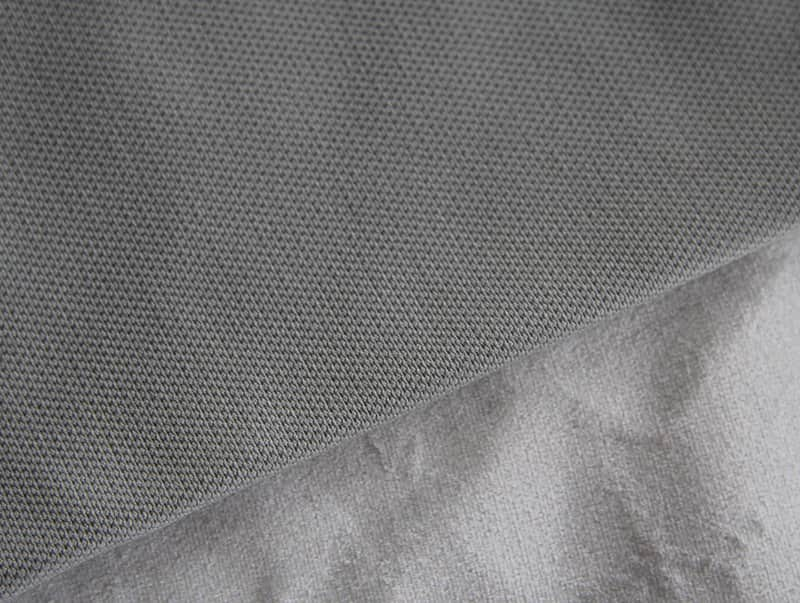
Automotive leatherette is a layered material, typically consisting of a polyurethane or PVC surface coating bonded to a woven or knitted base fabric. While the coating determines the visual finish and surface texture, the base fabric absorbs the mechanical stress the material experiences during use. Without a strong, well-constructed base fabric, even a high-quality surface coating will crack, stretch out of shape, or tear prematurely under the repeated friction and movement typical of car seating and interior panels.
The Relationship Between Base Fabric and Coating Performance
The base fabric and coating must work together as a system. A coating applied to a weak or poorly bonded base fabric can delaminate over time, especially in areas subject to constant flexing, such as seat bolsters or armrests. A well-matched base fabric provides the dimensional stability the coating needs to maintain its integrity through years of use.
Essential Performance Properties for Automotive Base Fabric
Car interiors present a demanding combination of mechanical stress, temperature extremes, and UV exposure. Base fabric selected for this environment must meet several performance criteria simultaneously.
Tear and Puncture Resistance
Seats and interior panels are subject to constant contact from passengers, cargo, and accessories such as belt buckles or keys. A base fabric with high tear strength prevents small punctures from spreading into larger rips, which is particularly important in high-contact areas like the seat bottom and bolsters.
Abrasion Resistance
Repeated friction from passengers entering and exiting the vehicle, along with everyday movement while seated, gradually wears down materials that lack sufficient abrasion resistance. Base fabrics are typically tested using standardized rub tests to measure how many cycles the material can withstand before visible wear appears, giving manufacturers a benchmark for durability.
UV and Fade Resistance
Sunlight passing through car windows exposes interior materials to significant UV radiation, which can weaken fibers and cause discoloration over time. Base fabrics engineered for automotive use often incorporate UV-stabilizing treatments or are paired with coatings that block a portion of UV transmission, helping the finished leatherette resist fading and brittleness.
Flame Retardancy
Automotive interior materials, including the base fabric, are typically required to meet flammability standards such as FMVSS 302 in the United States or equivalent regional regulations. Flame-retardant treatments or inherently fire-resistant fibers help slow the spread of fire, contributing to overall vehicle safety in the event of an incident.
Dimensional Stability
Base fabric must resist stretching or shrinking under temperature changes and mechanical load, since a fabric that shifts shape can cause the finished leatherette to wrinkle, sag, or pull away from seams over time. Consistent dimensional stability is especially important in molded or upholstered applications where precise fit matters.
Common Base Fabric Materials Used in Automotive Leatherette
Manufacturers select base fabric materials based on the balance of strength, cost, and flexibility required for a given application. The table below summarizes commonly used options.
| Base Fabric Material | Key Strength | Typical Use |
| Polyester knit | Good stretch and recovery | Seat covers, door panels |
| Polyester woven | High tensile strength | Structural trim, headliners |
| Cotton-polyester blend | Balanced softness and durability | Interior panels, armrests |
| Nonwoven fabric | Cost efficiency, moldability | Lower-cost trim applications |
Matching Base Fabric to Interior Application
Different areas of a vehicle's interior place different demands on the leatherette base fabric, and selecting the right combination of properties for each zone helps balance cost against performance.
Seating Surfaces
Seats experience the highest combination of abrasion, flexing, and UV exposure of any interior surface. Base fabric used here should prioritize abrasion resistance and dimensional stability, since seating material must maintain its shape and appearance through years of daily use.
Door Panels and Armrests
These areas experience frequent contact but less continuous friction than seating surfaces. A base fabric with good tear resistance and moderate flexibility typically performs well here, often at a lower cost than seating-grade material.
Dashboard and Trim Components
Dashboard-adjacent trim is exposed to the highest UV and heat levels in the vehicle due to direct sunlight through the windshield. Base fabric in this application should prioritize UV resistance and heat stability over flexibility, since these components are typically molded into fixed shapes rather than subjected to repeated movement.
Evaluating Base Fabric Quality Before Selection
Before committing to a supplier or material, requesting test data and physical samples helps verify that a base fabric meets the performance claims relevant to its intended use. Key evaluation steps include reviewing abrasion cycle test results, checking flame retardancy certification against applicable automotive standards, and conducting accelerated UV exposure testing to estimate long-term fade resistance. Physically flexing and stretching samples can also reveal how well the fabric will hold up in high-movement areas like seat bolsters before committing to a full production run.
Selecting Base Fabric With Long-Term Performance in Mind
Choosing the right car artificial leather base fabric requires looking beyond initial appearance and cost to consider how the material will perform across years of exposure to friction, sunlight, and temperature variation inside a vehicle. By matching base fabric properties to the specific demands of each interior zone and verifying performance through proper testing, manufacturers can produce automotive leatherette that maintains both its appearance and structural integrity throughout the vehicle's service life.