 中文简体
中文简体
 English
 Español
 عربى
عربى
Content
- 1 What Is Velvet Upholstery Fabric?
- 2 Key Benefits and Drawbacks of Velvet for Upholstery
- 3 Types of Velvet Upholstery Fabric (Based on Finish and Weave)
- 4 How to Choose the Right Velvet for Your Project
- 5 Why Polyester Velvet Is the Practical Choice for Upholstery
- 6 How to Maintain Velvet Upholstery Fabric
- 7 Conclusion
What Is Velvet Upholstery Fabric?
Velvet upholstery fabric is a cut-pile textile characterized by a dense, evenly distributed upright yarn that creates an extraordinarily soft and reflective surface. Historically woven from silk and reserved for royalty, today’s velvet is overwhelmingly polyester-based, manufactured on high-speed warp-knitting or weft-knitting machines. The shift from natural to synthetic fibers has not made velvet a compromise; it has made it an engineered material. A well-made polyester velvet now delivers color consistency, predictable wear life, and a level of cleanability that silk never offered. Upholstery-grade velvet typically uses a double-faced ground structure and a thick pile cut to a uniform height, which is what produces its signature depth and luster.
Key Benefits and Drawbacks of Velvet for Upholstery
Velvet’s primary advantage is tactile luxury paired with high-impact visual richness. Light moves differently across a properly finished pile, creating depth that flat weaves cannot match. For residential furniture and contract seating alike, velvet makes a room feel intentionally designed. The tradeoff that every buyer needs to factor in is maintenance realism. Velvet does show pressure marks, especially on seat cushions, and dust can settle into the pile if the fabric is not regularly vacuumed. However, the narrative that velvet is fragile is outdated. Modern polyester velvet upholstery can rival flat-woven fabrics in abrasion resistance when backed and finished correctly. Another practical point: velvet typically costs more per yard than a plain twill or linen-look polyester, but the lifespan often offsets the upfront price.
Types of Velvet Upholstery Fabric (Based on Finish and Weave)
Not all velvets behave the same way under daily use. The differences come from pile construction, finishing technology, and backing. The six categories below are what furniture manufacturers, interior designers, and fabric buyers evaluate most often.
Plain Velvet
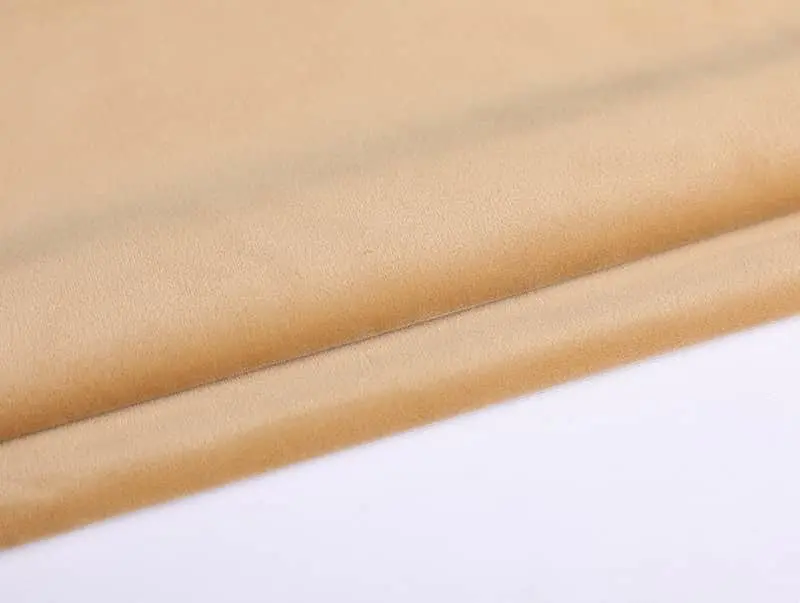
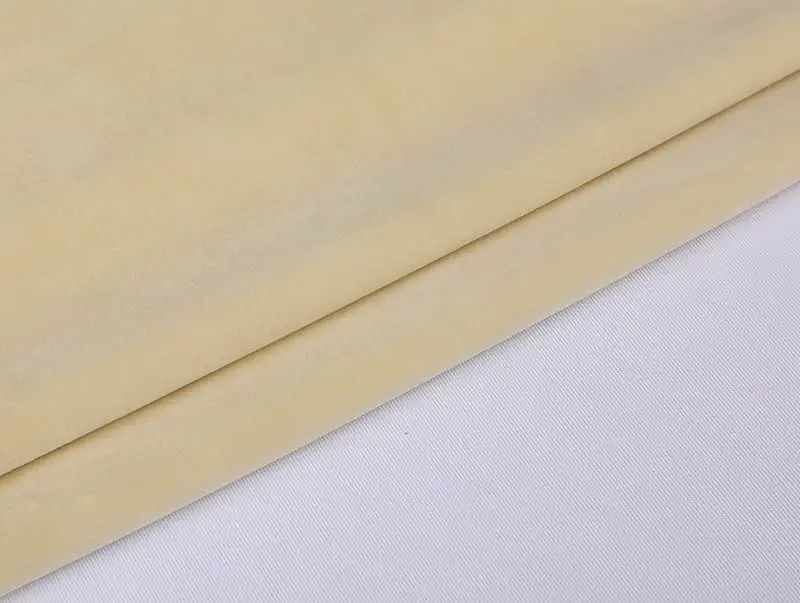
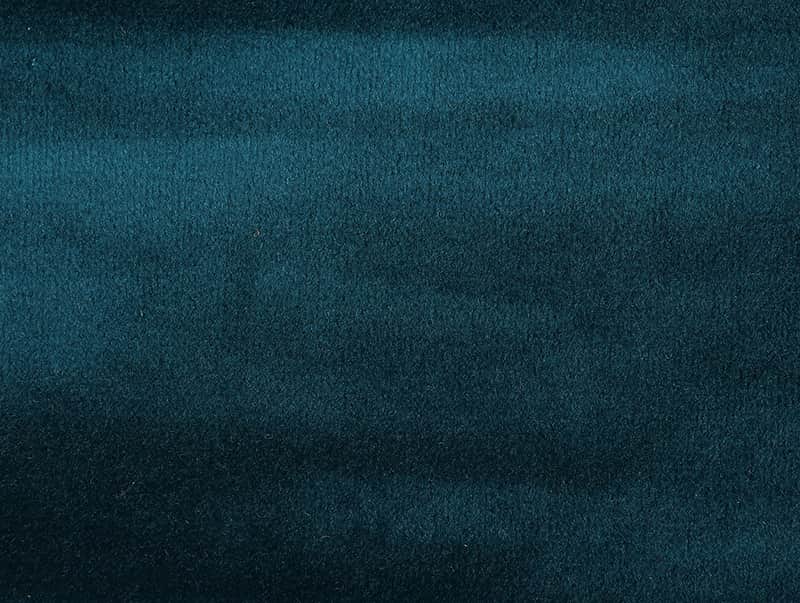
Plain velvet is the benchmark. It has a single, solid color, a uniform cut pile, and no embossing or printed pattern. Because nothing distracts from the surface, the quality of the fiber and the evenness of the pile are immediately visible. This type is the most versatile choice for sofas, headboards, and accent chairs, working in both minimal and traditional interiors. Leading manufacturers offer plain velvet in a wide catalog of colors, often with optional laminated backings to improve seam strength. For buyers seeking a dependable workhorse fabric, Holland velvet plain upholstery fabric remains a popular specification because of its dense pile and consistent dyeing. Always check for pre-shrunk finishing: untreated plain velvet can distort after the first steam cleaning.
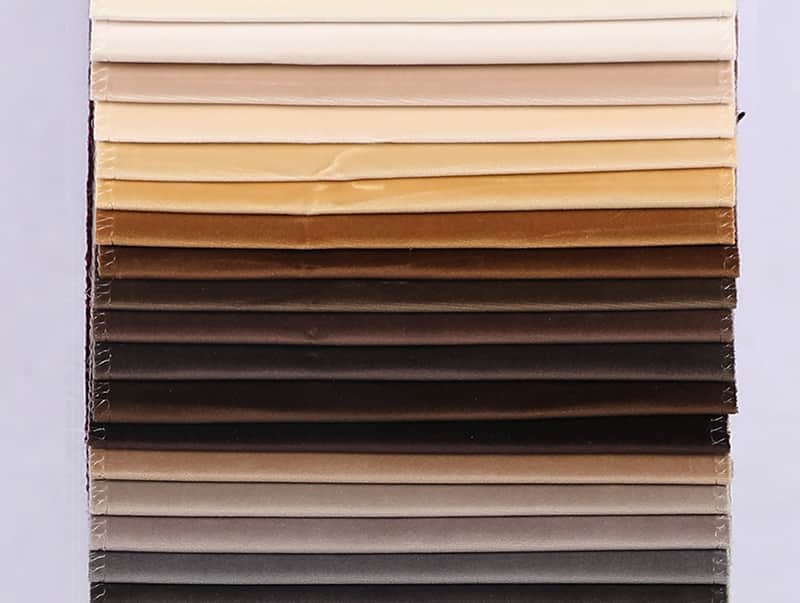 Custom Hot sale velour sofa upholstery polyester velvet holland velvet french veHaining Chuangxing Warp Knitting Co., Ltd are China Custom Hot sale velour sofa upholstery polyester velvet holland velvet french velvet ...View Product →
Crushed Velvet
Crushed velvet is created by mechanically twisting the fabric while it is still wet after dyeing, which permanently redirects the pile in multiple directions. The result is a shimmering, irregular surface with a contemporary look. It is frequently used in casual seating, scatter cushions, and bedroom upholstery where a relaxed, vintage feel is desired. The visual texture does an excellent job of hiding small pressure marks, but the varied pile direction also means the color can appear inconsistent under different lighting angles.
Embossed Velvet
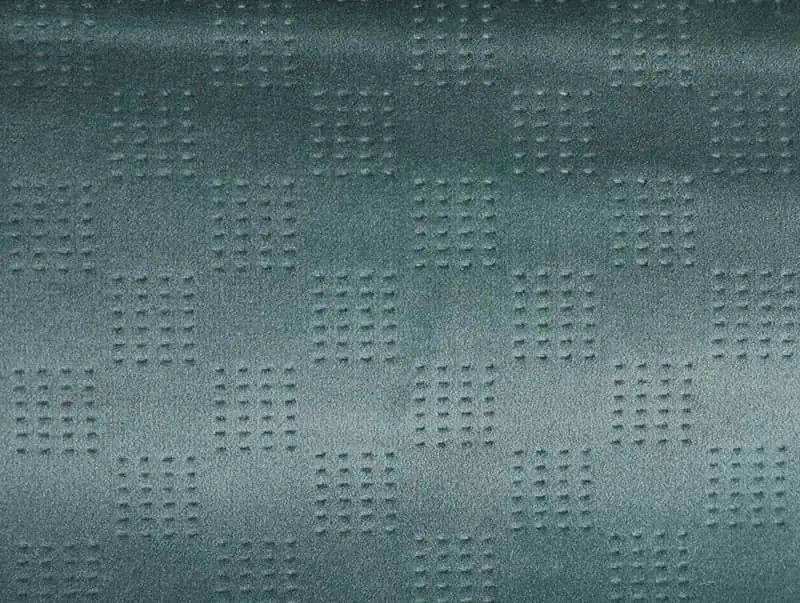
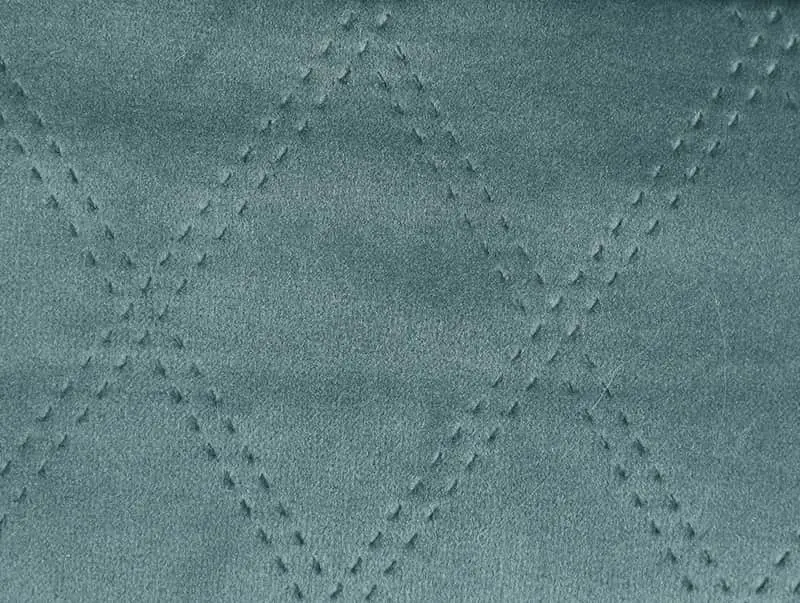
Embossed velvet uses heat and pressure rollers to press a permanent relief pattern into the pile. Common patterns include geometric repeats, animal textures, and abstract organic shapes. Unlike printed designs, the pattern is physical, adding a tactile dimension that reads equally well from a distance and up close. This type suits statement pieces and hospitality seating where visual texture needs to play a functional role. A 3D embossed teddy velvet fabric demonstrates how deep embossing can mimic natural textures without sacrificing the cleanability of polyester. Check the embossing depth against the pile weight: too shallow an emboss on a heavy pile will flatten quickly under use.
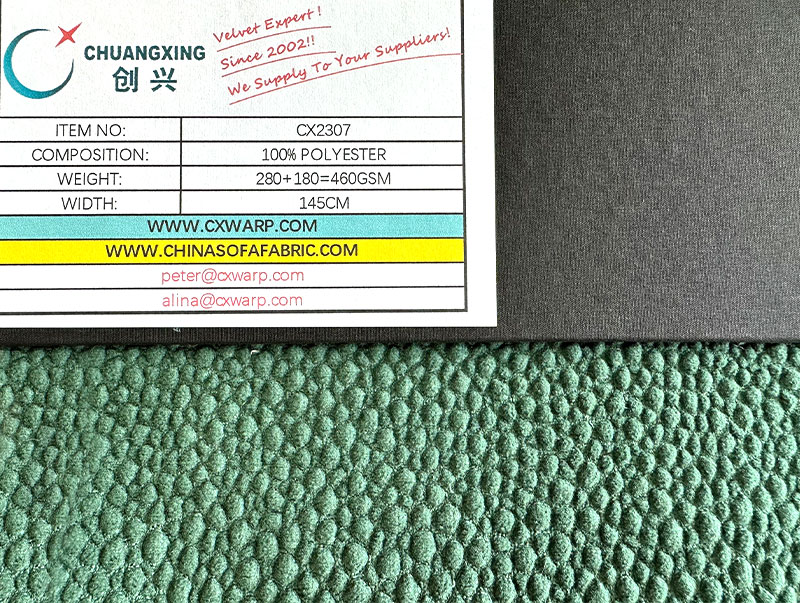 Custom 3D Embossed boned teddy velvet sofa upholstery velvet fabric CX2307 SupplHaining Chuangxing Warp Knitting Co., Ltd are China Custom 3D Embossed boned teddy velvet sofa upholstery velvet fabric CX2307 Suppliers ...View Product →
Jacquard Velvet
Jacquard velvet integrates the pattern directly into the weave structure, often using contrasting dull and bright yarns to create intricate motifs. The design is integral to the fabric, not applied on top, which means it will not fade or rub off. Jacquard velvet is preferred for luxury residential sofas and decorative panels where permanence of design matters. The complexity of the weave adds cost, but the result is a fabric with drape and detail that printed options cannot fully replicate.
Printed Velvet
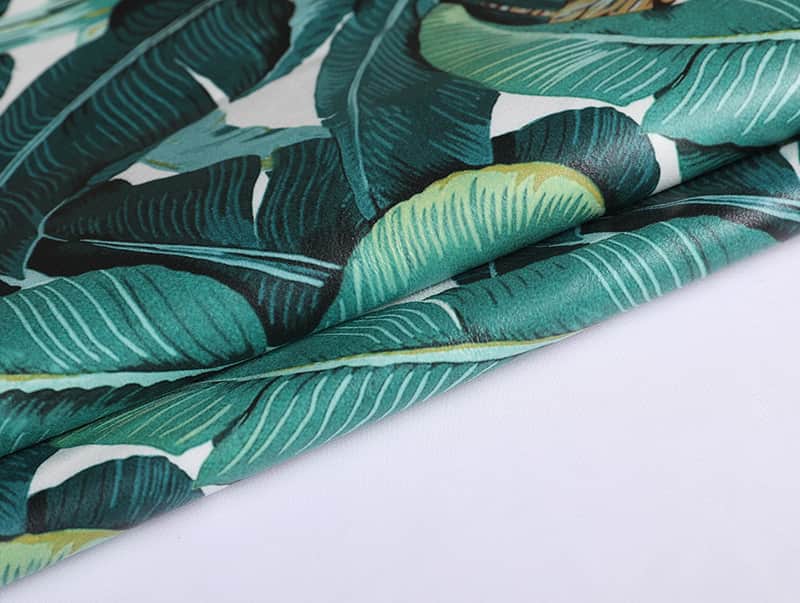
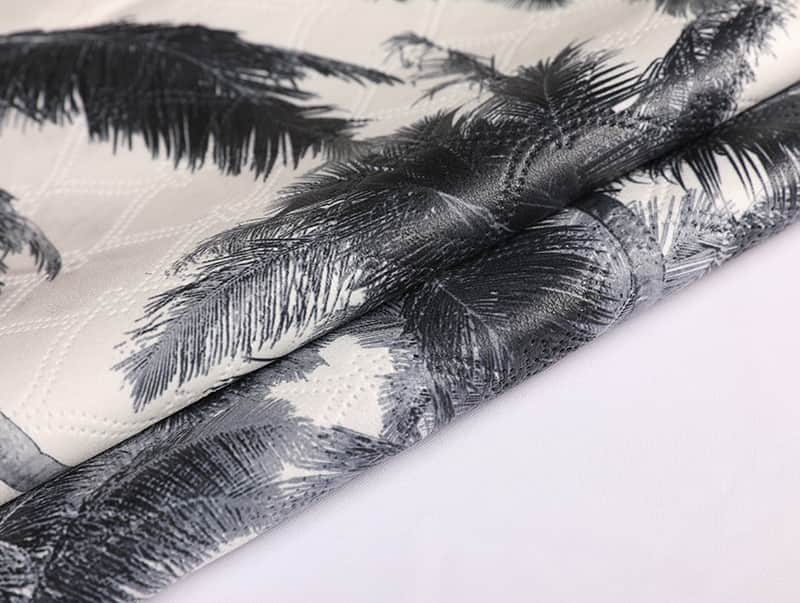
Printed velvet starts with a PFP (prepared for print) base cloth, then receives digital or rotary printing to apply highly detailed imagery, patterns, or color gradients. The advantage is agility: a manufacturer can produce small runs with complex, multicolor artwork without investing in new looms. This adaptability makes printed velvet a strong candidate for seasonal furniture collections and custom interior projects. For sofas that demand a high-definition visual impact, a printed italian velvet for sofas demonstrates how precision printing can elevate a basic frame into a design focal point. When specifying printed velvet, verify that the fabric has undergone post-print heat-setting and crocking tests to ensure wash and rub fastness.
Bronzing Velvet
Bronzing velvet applies a metallic foil to the pile tips under heat and pressure, creating a luminous, light-reflective surface. It is used predominantly for accent chairs, boutique headboards, and decorative pillows where drama is the objective. The metallic layer is a surface treatment, so it requires careful spot cleaning and is generally not recommended for high-wear horizontal surfaces like sofa seat cushions. For vertical applications and occasional seating, however, few fabrics deliver the same immediate visual return.
How to Choose the Right Velvet for Your Project
For Sofas
Sofa upholstery demands a fabric engineered for abrasion resistance, dimensional stability, and predictable aging. The industry standard for measuring wear is the Martindale rub test. For residential sofas, look for a minimum of 30,000 Martindale cycles; for heavy-traffic contract seating, 50,000 to 100,000 cycles is a safer benchmark. Modern polyester velvet routinely exceeds these thresholds when reinforced with a stable backing—typically a knitted fleece or TC (tetoron/cotton) interlining—and treated with anti-pilling finishes. If you are evaluating suppliers, ask for the full test report, not just a pass/fail statement. A detailed wear resistance of velvet upholstery analysis will include scores for seam slippage, colorfastness to light, and pilling grade, all of which matter more in a family living room than a showroom.
For Curtains
Curtain velvet needs a different set of priorities. Weight and drape determine how the fabric hangs, and a lightweight polyester velvet with a soft, fluid pile will gather and pleat more gracefully than a stiff sofa-grade fabric. Light-blocking capability is a functional consideration often overlooked: a dense pile combined with a blackout backing can replace traditional lined curtains. Cleaning is also a concern because curtain fabric cannot be easily spot-treated in place. Look for velvets labeled as washable or dry-clean compatible, and confirm whether the fabric has been pre-shrunk to avoid length shrinkage after cleaning.
Why Polyester Velvet Is the Practical Choice for Upholstery
Polyester velvet has moved decisively past its reputation as a budget alternative. Advanced warp-knitting technology now produces piles that rival natural fiber in hand feel while outperforming them in service. A polyester velour upholstery cloth is inherently resistant to mildew and moths, holds dye with exceptional fastness, and cleans with water-based spot cleaners that would ruin a cotton or rayon velvet. The customization possibilities are also broader: because polyester responds well to heat-transfer printing, embossing, and foil lamination, a single base fabric can be finished into dozens of distinct looks without sacrificing structural integrity. Facilities operating over 60 warp-knitting machines, with in-house PFP processing and lamination capabilities, can produce small-batch custom velvets on timelines that accommodate furniture importers and contract projects. For a full breakdown of real-world performance factors, refer to an advantages of polyester velvet for home resource that covers stain resistance and long-term shape retention.
How to Maintain Velvet Upholstery Fabric
Maintenance begins with prevention. Weekly vacuuming with a soft upholstery brush attachment removes the dust and skin oils that gradually oxidize and dull the pile. For spills, blot immediately with a clean, dry microfiber cloth—never rub velvet, as rubbing mashes the pile and sets the stain deeper. Water-based spot cleaners formulated for polyester are safe on most modern velvets, but always test on an inconspicuous area first. Pressure marks from long-term cushion compression can be revived by gently steaming the surface and brushing the pile with a soft-bristle brush in the direction of the nap. Avoid direct ironing; if a crease must be removed, use a press cloth and set the iron to the lowest synthetic setting. Sources like an effective cleaning and care guide offer step-by-step methods for dealing with oily stains and overall pile restoration without damaging the backing lamination.
Conclusion
Choosing velvet upholstery fabric is a decision about engineering as much as it is about aesthetics. The right type—whether a hardy plain velvet for a family sofa, a deeply embossed pattern for a feature chair, or a bronzing accent for a headboard—depends on matching the fabric’s pile construction, backing, and finish to the specific wear and cleaning demands of the application. Polyester warp-knitted velvets, produced with precise finishing technologies and backed by substantial manufacturing capability, offer a repeatable quality that simplifies procurement for furniture brands and designers. Build your specification around measurable performance criteria, and velvet becomes one of the most enduring and satisfying material choices in an upholsterer’s toolkit.