 中文简体
中文简体
 English
 Español
 عربى
عربى
Content
- 1 How Garment Fabric Choice Shapes the Final Product
- 2 Natural Fiber Fabrics and Their Practical Properties
- 3 Synthetic Fiber Fabrics and Where They Perform Best
- 4 Comparing Fiber Properties for Garment Selection
- 5 Texture, Weight, and Construction Considerations
- 6 Practical Guidance for Fabric Sourcing Decisions
How Garment Fabric Choice Shapes the Final Product
Garment fabric is the foundation of every piece of clothing, determining not just how a garment looks but how it feels, moves, and holds up over time. Fabric choice affects everything downstream in production, from how the material cuts and sews to how the finished garment drapes on the body and responds to repeated washing and wear. For manufacturers and buyers sourcing fabric for apparel lines, understanding the practical differences between fiber types and constructions is essential to matching material to a garment's intended purpose.
Fabrics are generally categorized by their fiber origin, either natural or synthetic, and this distinction influences core properties like breathability, elasticity, durability, and cost. Many modern garment fabrics also blend natural and synthetic fibers to combine the strengths of both, which has become a common approach for balancing comfort, performance, and production cost across different apparel categories.
Natural Fiber Fabrics and Their Practical Properties
Natural fibers remain a foundational category in garment production due to their breathability, comfort, and long-standing performance in everyday wear. Each natural fiber type brings distinct characteristics that suit different garment applications.
Cotton
Cotton is prized for its softness, breathability, and moisture absorption, making it a common choice for everyday apparel like t-shirts, casual shirts, and undergarments. It takes dye well and holds color reasonably over repeated washing, though it can shrink if not properly pre-treated during fabric processing.
Linen
Linen offers excellent breathability and a distinctive crisp texture, making it well suited for warm-weather clothing. It wrinkles more readily than cotton, which some buyers consider part of its natural aesthetic, though it requires more careful handling during garment construction to avoid excessive fraying at cut edges.
Silk
Silk provides a smooth, lustrous surface and excellent drape, commonly used in higher-end apparel such as blouses, dresses, and linings. It requires more delicate handling during both manufacturing and care, and its cost is generally higher than other natural fibers due to production complexity.
Wool
Wool offers strong insulating properties and natural elasticity, making it a staple for outerwear, sweaters, and cold-weather garments. It resists wrinkling well and maintains shape over time, though it typically requires more specialized care instructions than plant-based fibers.
Synthetic Fiber Fabrics and Where They Perform Best
Synthetic fibers were developed to address specific performance gaps in natural materials, offering advantages in durability, elasticity, and cost efficiency that make them valuable across a wide range of garment categories.
- Polyester, valued for wrinkle resistance, color retention, and durability across repeated washing cycles
- Nylon, known for high strength-to-weight ratio and abrasion resistance, common in activewear and outerwear
- Spandex, prized for its exceptional stretch and recovery, typically blended in small percentages to add flexibility to other fabrics
- Acrylic, used as a wool alternative offering warmth with lighter weight and easier care requirements
Synthetic fibers are frequently blended with natural fibers rather than used alone, allowing manufacturers to fine-tune specific performance characteristics like stretch, moisture-wicking, or shrink resistance without sacrificing the comfort associated with natural materials.
Comparing Fiber Properties for Garment Selection
Selecting the right fabric requires weighing multiple performance factors against the garment's intended use. The table below summarizes how common fiber types compare across key properties relevant to apparel production.
| Fiber Type | Breathability | Durability | Stretch |
| Cotton | High | Moderate | Low |
| Linen | Very High | Moderate | Very Low |
| Wool | Moderate | High | Moderate |
| Polyester | Low to Moderate | High | Low |
| Spandex Blend | Varies | Moderate to High | Very High |
This kind of comparison helps buyers and designers narrow down fabric options quickly based on which properties matter most for a specific garment category, rather than relying on fiber name recognition alone.
Texture, Weight, and Construction Considerations
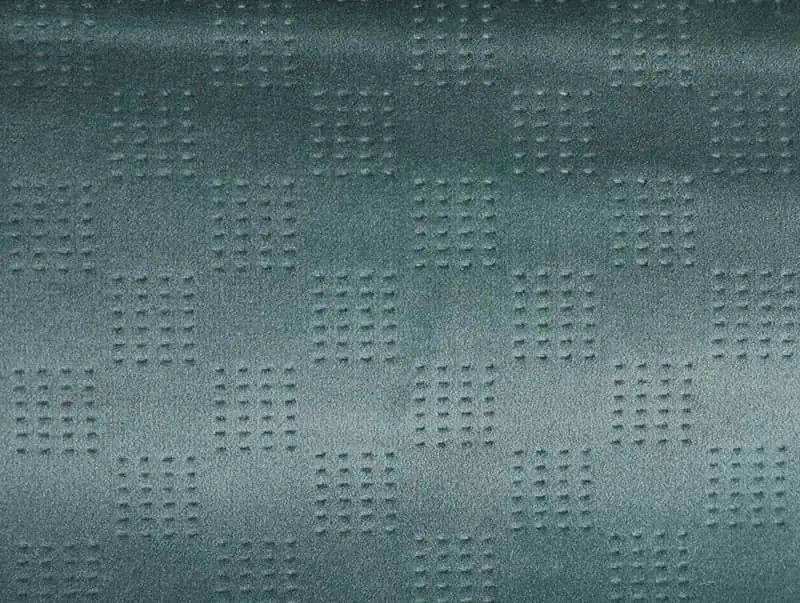
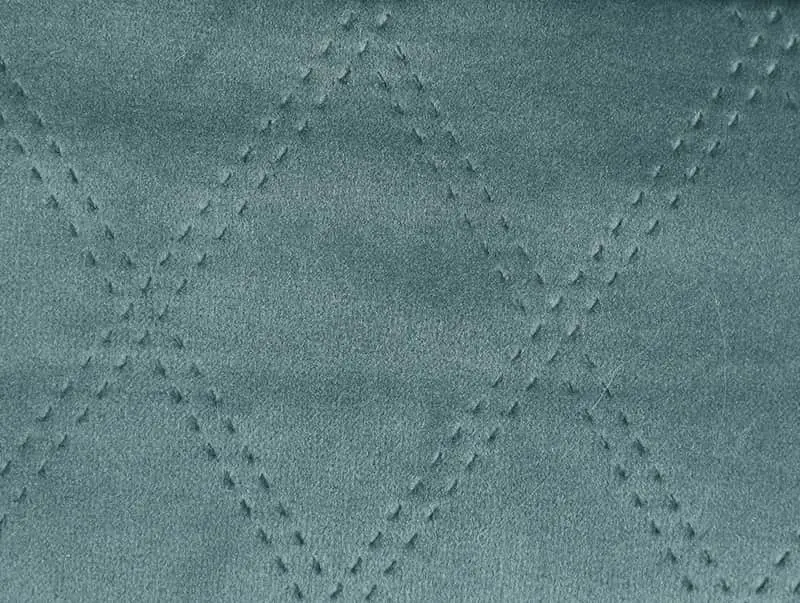
Beyond fiber type, fabric texture and construction method significantly affect how a garment performs and feels. Weaving and knitting produce fabrics with very different stretch, drape, and durability characteristics, even when using the same base fiber.
Woven Versus Knit Construction
Woven fabrics generally offer more structure and less stretch, making them suitable for tailored garments like dress shirts and trousers. Knit fabrics provide natural stretch and a softer drape, commonly used for t-shirts, activewear, and casual apparel where flexibility and comfort take priority over rigid structure.
Fabric Weight and Its Effect on Garment Function
Lightweight fabrics suit warm-weather clothing and layering pieces, while heavier weights provide more structure and warmth, common in outerwear and cold-climate garments. Matching fabric weight to seasonal use and garment type helps ensure the final product performs as intended rather than feeling too heavy or too flimsy for its purpose.
Practical Guidance for Fabric Sourcing Decisions
When sourcing garment fabric for a production run, several practical factors deserve attention beyond fiber content alone.
- Confirm shrinkage rates through pre-shrinking treatments or testing before finalizing pattern sizing
- Check colorfastness ratings, especially for garments intended for frequent washing
- Request fabric swatches to evaluate hand feel and drape before committing to bulk yardage
- Verify fiber blend percentages match care label requirements and target market expectations
- Consider seasonal demand and climate conditions of the target market when selecting fabric weight
Testing fabric performance under real production and wear conditions, rather than relying solely on technical specification sheets, remains one of the most reliable ways to confirm a fabric will meet both manufacturing requirements and end-customer expectations before scaling up an order.