 中文简体
中文简体
 English
 Español
 عربى
عربى
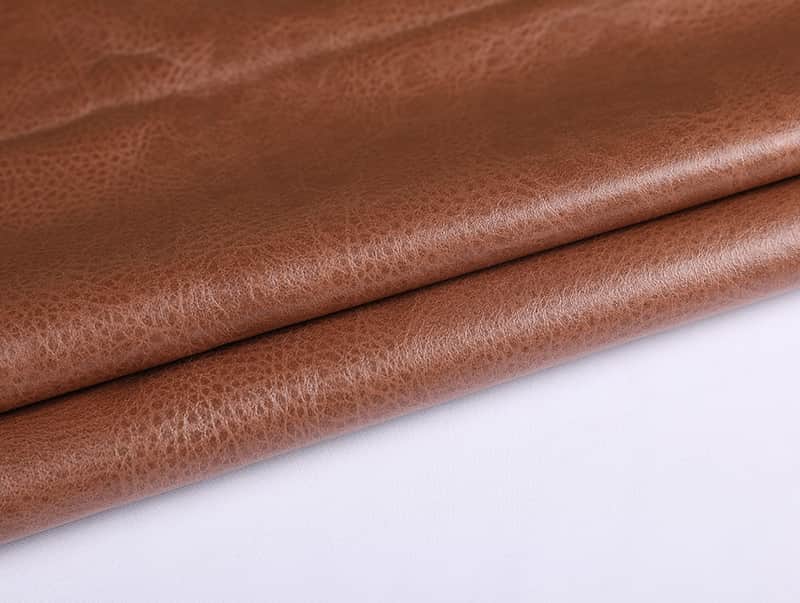
Artificial leather base fabric for shoes is the structural foundation layer upon which synthetic leather coatings — polyurethane (PU) or polyvinyl chloride (PVC) — are applied to produce the finished upper, lining, or sole-edge material used in footwear production. It is not the decorative surface that the consumer sees or touches; rather, it is the hidden engineering layer that determines how the finished artificial leather performs in terms of tensile strength, tear resistance, flexibility, breathability, dimensional stability, and adhesion of the surface coating. Without a correctly specified base fabric, even the most sophisticated surface coating will delaminate, stretch out of shape, or crack prematurely under the mechanical stresses of footwear use.
Understanding artificial leather base fabric — what it is made from, how it is constructed, what properties it must deliver, and how it is manufactured — is essential knowledge for footwear designers, material sourcing engineers, and anyone involved in synthetic leather procurement or quality control.
Content
- 1 What Artificial Leather Base Fabric Actually Is
- 2 Types of Base Fabric Construction Used in Shoe Artificial Leather
- 3 Key Characteristics That Define Base Fabric Performance
- 4 The Manufacturing Process of Artificial Leather Base Fabric
- 5 Base Fabric Comparison Across Common Shoe Artificial Leather Types
- 6 Quality Control Standards Applied to Base Fabric Production
What Artificial Leather Base Fabric Actually Is
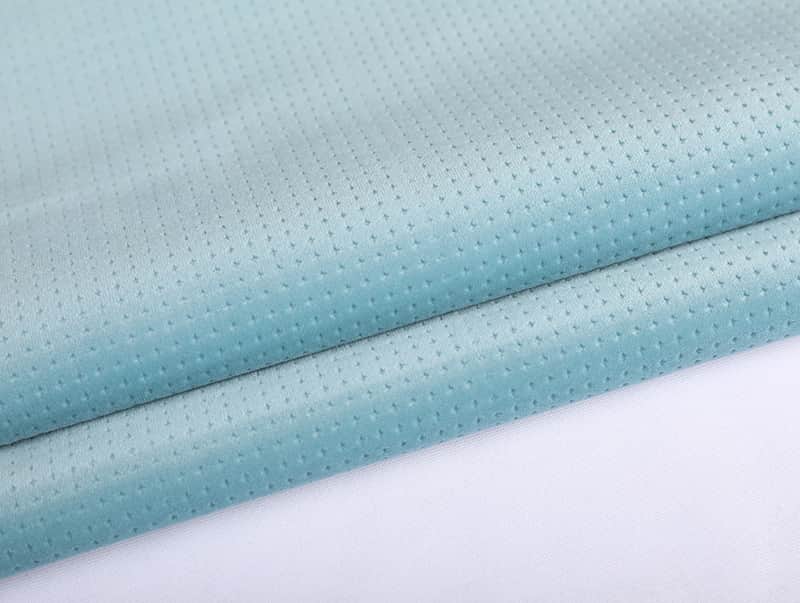
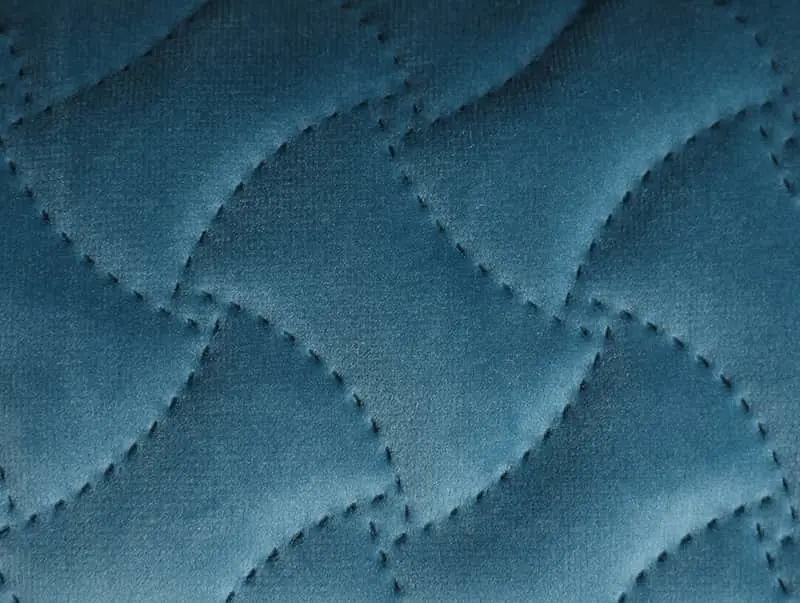
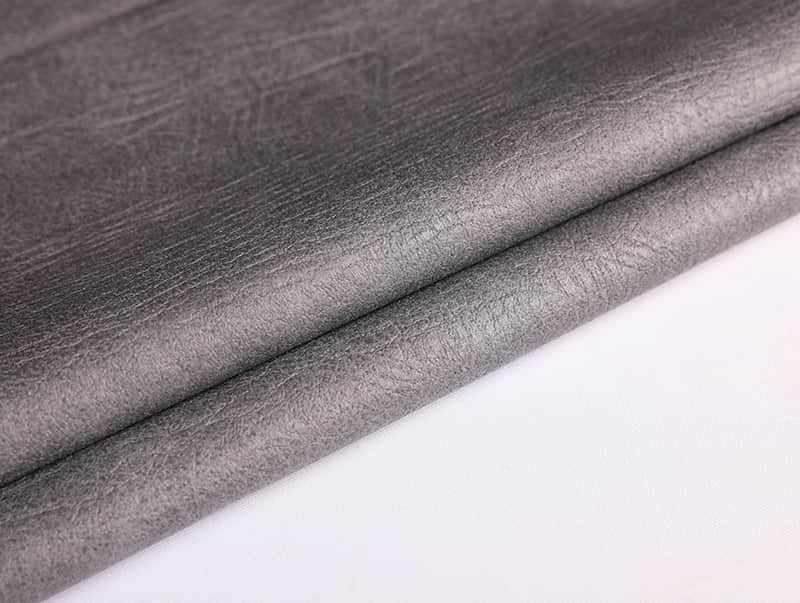
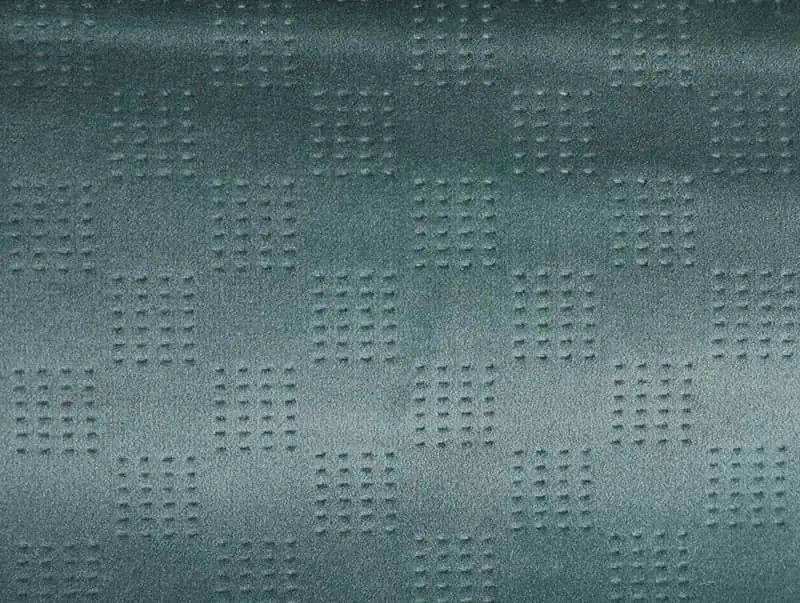
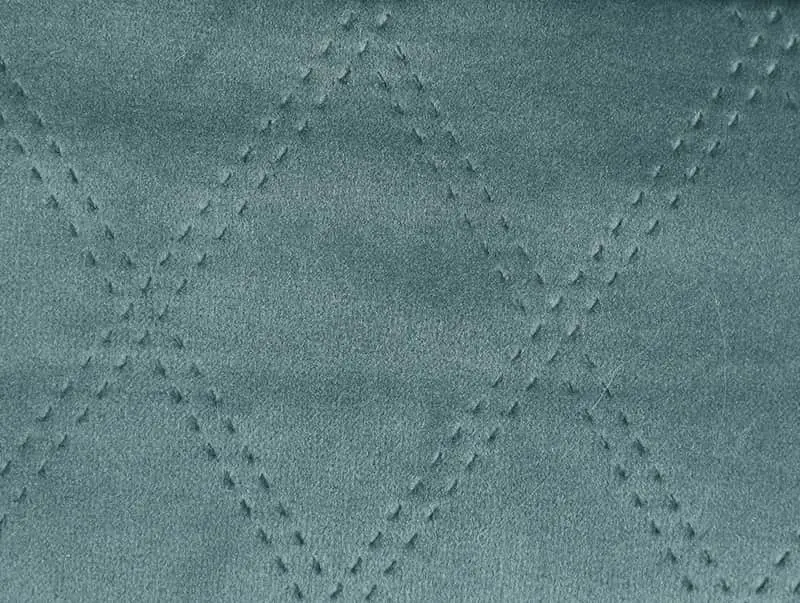
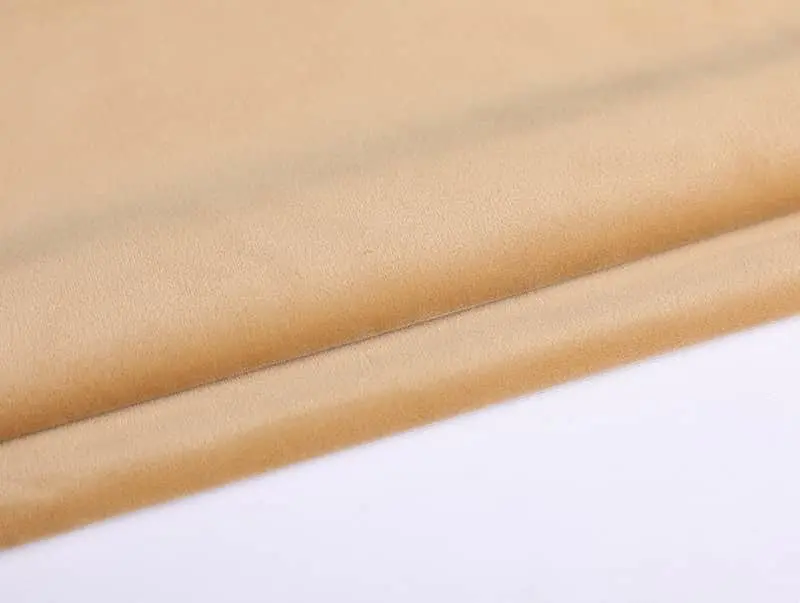
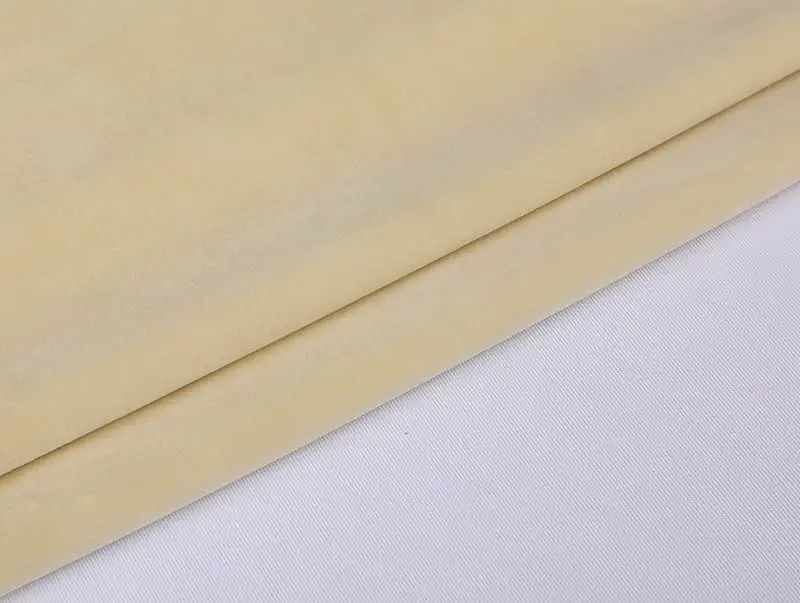
Artificial leather base fabric is a textile substrate engineered specifically to serve as the carrier and reinforcement layer in synthetic leather composites. In footwear applications, it is most commonly a woven, knitted, or nonwoven textile made from polyester, nylon, cotton, or blended fibres, and it is selected based on the specific performance demands of the shoe component it will form. The base fabric contributes the mechanical strength that the surface coating layer cannot provide on its own — PU and PVC films are flexible and aesthetically refined but inherently weak in tension and tear without a fabric reinforcement beneath them.
In footwear manufacturing, artificial leather is used across multiple shoe components, and the base fabric specification differs for each application. Shoe upper materials require high tensile strength and resistance to repeated flexing without cracking at the toe box and vamp areas. Insole and lining materials prioritise softness, moisture management, and dimensional stability under foot pressure. Heel counters and toe caps demand rigidity and shape retention under impact. Each of these functional requirements traces back directly to the construction and fibre composition of the base fabric used in that specific artificial leather product.
Types of Base Fabric Construction Used in Shoe Artificial Leather
The three principal textile construction methods — woven, knitted, and nonwoven — each produce base fabrics with distinct mechanical and aesthetic properties, and each has a defined role in footwear artificial leather applications.
Woven Base Fabrics
Woven base fabrics are produced by interlacing warp and weft yarns at right angles on a loom. The interlaced structure provides excellent dimensional stability — the fabric resists stretching in both the length and width directions — making woven bases ideal for shoe upper artificial leathers where shape retention under lasting tension is critical. Plain weave, twill weave, and satin weave constructions are all used, with twill and satin variants providing a smoother back surface that bonds more uniformly with PU coating compounds. Polyester woven fabrics dominate this category due to their high tensile strength, low moisture absorption, and resistance to hydrolysis — a critical property in footwear exposed to perspiration and weather moisture.
Knitted Base Fabrics
Knitted base fabrics — both warp-knitted and weft-knitted structures — offer significantly higher extensibility than woven constructions, making them the preferred base for artificial leathers used in athletic footwear, stretch boot uppers, and flexible shoe lining materials. Warp-knitted tricot fabrics are particularly common, providing controlled two-way stretch combined with adequate tear strength. The looped yarn structure of knitted fabrics creates a slightly textured back surface with good mechanical anchoring for coating adhesives. The trade-off is lower dimensional stability under unidirectional tension compared to woven constructions, which must be accounted for in the shoe lasting process.
Nonwoven Base Fabrics
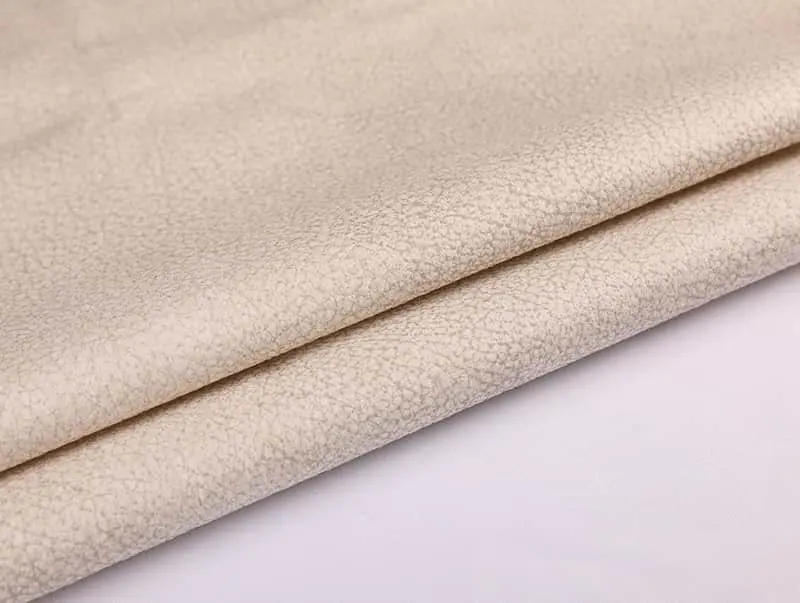
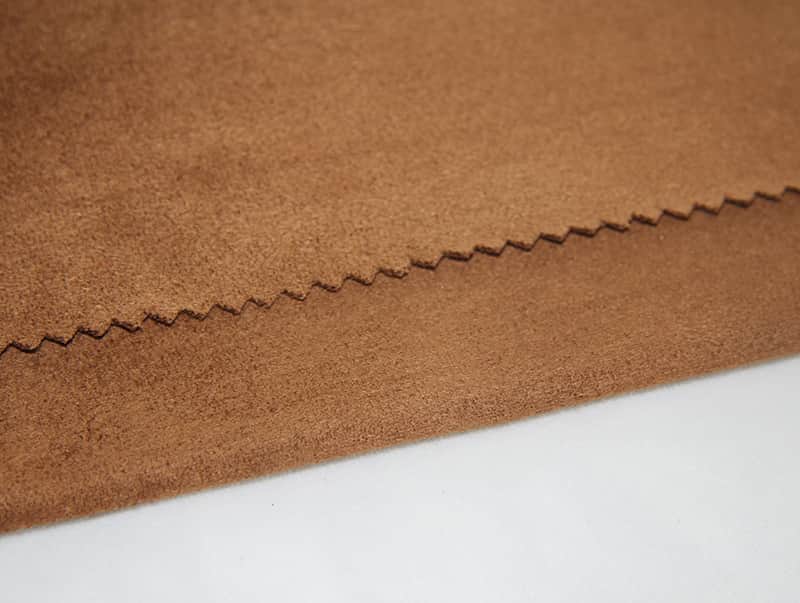
Nonwoven base fabrics are produced by bonding or entangling fibres mechanically, thermally, or chemically without weaving or knitting. In high-end artificial leather for shoes — particularly microfibre suede and Alcantara-type materials — needle-punched nonwoven fabrics made from ultra-fine polyester or nylon microfibre are impregnated with polyurethane to create a three-dimensional matrix that closely replicates the fibrous structure of genuine split leather. This construction gives microfibre artificial leather its characteristic combination of softness, flexibility, and buffable nap surface that distinguishes it from standard coated woven or knitted constructions.
Key Characteristics That Define Base Fabric Performance
The performance of artificial leather in footwear is ultimately determined by the base fabric's ability to deliver a specific combination of mechanical, physical, and chemical properties consistently across production batches. The following characteristics are the most technically significant in footwear applications:
- Tensile strength and elongation at break: The base fabric must withstand the tension forces applied during shoe lasting — where the upper is stretched and pulled over a last and tacked under load — without tearing or permanently deforming. Woven polyester bases typically achieve tensile strengths of 400 to 800 N per 5 cm width in the warp direction, sufficient for standard shoe upper applications.
- Tear resistance: At cut edges, stitch holes, and eyelet perforations, the base fabric is subject to concentrated stress that can propagate a tear through the material. Tear resistance — measured in Newtons by the trouser or tongue tear test method — is a critical specification for shoe uppers that will be machine-stitched or fitted with metal hardware.
- Peel adhesion between base fabric and coating: The bond between the base fabric and the PU or PVC coating layer must resist delamination through repeated flexing, moisture exposure, and temperature cycling. Adhesion values below 20 N per 3 cm width are considered marginal for footwear uppers; quality shoe artificial leathers typically specify 30 N per 3 cm or above.
- Flex endurance: Shoe uppers at the toe break and vamp area flex thousands of times per day in normal wear. The Bally flexometer or De Mattia flex test — measuring the number of flex cycles before cracking or delamination appears — is a standard quality qualification test for artificial leather base fabric and coating combinations used in footwear.
- Dimensional stability after washing and moisture exposure: Particularly important for shoe lining and insole artificial leathers, which must not shrink, stretch, or curl when exposed to foot perspiration or cleaning processes during the shoe's service life.
- Weight and thickness uniformity: Consistent weight (grams per square metre) and caliper thickness across the fabric roll are essential for reproducible coating application and predictable finished artificial leather thickness — a quality parameter that directly affects shoe fitting consistency across production runs.
The Manufacturing Process of Artificial Leather Base Fabric
The production of base fabric for shoe artificial leather involves a multi-stage process that begins with fibre selection and ends with a finished, treated textile roll ready for coating. Each stage has a direct impact on the properties of the final artificial leather product.
Stage 1 — Fibre and Yarn Preparation
The process begins with fibre selection. Polyester (PET) is the dominant fibre in woven and knitted base fabrics for shoe artificial leather, valued for its high tenacity, low moisture regain (approximately 0.4%), resistance to hydrolytic degradation, and dimensional stability at the elevated temperatures used in PU coating processes. Nylon (polyamide) is used where enhanced abrasion resistance or improved dye uptake is required. For microfibre nonwoven constructions, sea-island (islands-in-the-sea) bicomponent fibres — where fine polyester or nylon filaments are embedded in a dissolvable polymer matrix — are used to produce ultra-fine fibres of 0.1 to 0.3 dtex after the matrix polymer is dissolved in a later processing stage.
Yarns are produced by drawing and texturising continuous polyester filaments or by spinning staple fibres into spun yarns. Texturised multifilament yarns are widely used in woven base fabrics because their bulked, air-textured structure provides a roughened surface profile that improves mechanical interlocking with the PU coating compound applied in subsequent stages.
Stage 2 — Fabric Formation
For woven base fabrics, yarn packages are warped onto a beam and woven on rapier or air-jet looms at thread counts and weave constructions selected for the target artificial leather specification. For knitted bases, yarn is fed to warp-knitting machines where the stitch structure — stitch length, underlap, and guide bar arrangement — is programmed to achieve the required extensibility and weight per square metre. For nonwoven microfibre bases, carded and cross-lapped fibre webs are needle-punched at multiple needle densities to entangle the fibres into a coherent fabric before subsequent impregnation.
Stage 3 — Scouring, Heat-Setting, and Pre-Treatment
Greige (unfinished) fabric from the loom or knitting machine contains weaving oils, spin finish residues, and processing lubricants that must be removed before coating to ensure consistent adhesion. Continuous scouring in alkaline detergent solutions at 80°C to 95°C removes these contaminants. Heat-setting follows — passing the fabric through a stenter frame at 180°C to 210°C for polyester — which thermally stabilises the yarn crimp, fixes the fabric dimensions, and reduces residual shrinkage to levels compatible with the dimensional tolerances of the coating process. A uniform, dimensionally stable fabric entering the coating line is essential for consistent artificial leather caliper and appearance.
Stage 4 — Surface Preparation and Coating Adhesion Treatment
To maximise adhesion between the base fabric and the PU coating, the fabric surface is prepared through one or more of the following treatments depending on the fibre type and coating system:
- Back-coating with adhesive primer: A thin layer of PU or acrylic adhesive compound is knife-coated or gravure-printed onto the coating face of the fabric, partially penetrating the yarn interstices to create a chemically compatible bonding surface for the main PU coating applied in the artificial leather line.
- Corona or plasma surface activation: Electrical discharge treatment of the fabric surface increases surface energy on polyester fibres, improving wettability by the PU coating compound and enhancing chemical bonding at the interface without adding coating mass or altering the mechanical properties of the fabric.
- PU impregnation for nonwoven microfibre bases: Needle-punched nonwoven fabric is impregnated with water-based or solvent-based polyurethane solution, which penetrates the fibre matrix and is coagulated by immersion in a water or DMF/water bath. The coagulated PU fills the inter-fibre spaces, creating the three-dimensional fibre-in-polymer composite structure that gives microfibre leather its characteristic hand, flexibility, and surface finishability.
Base Fabric Comparison Across Common Shoe Artificial Leather Types
The relationship between base fabric construction and the artificial leather product category it produces is summarised in the table below, providing a practical reference for material specification in footwear design and sourcing.
| Artificial Leather Type | Base Fabric Construction | Primary Fibre | Typical Footwear Application |
|---|---|---|---|
| PU shoe upper leather | Woven (twill or plain) | Polyester multifilament | Dress shoes, casual uppers, boots |
| Stretch PU upper leather | Warp-knitted tricot | Polyester / elastane blend | Athletic shoes, stretch ankle boots |
| PVC shoe upper leather | Woven (plain weave) | Polyester / cotton blend | Low-cost fashion footwear, rain boots |
| Microfibre suede leather | Needle-punched nonwoven | Ultra-fine polyester microfibre | Premium sneakers, luxury shoe linings |
| Shoe lining artificial leather | Warp-knitted or light woven | Polyester | Interior linings, sock liners |
Quality Control Standards Applied to Base Fabric Production
Consistent base fabric quality is a prerequisite for artificial leather production lines that run at high speed with minimal coating defects. Reputable base fabric manufacturers apply in-process and finished goods quality controls at each production stage to ensure that the fabric delivered to artificial leather producers meets specification within tight tolerances. Standard quality checks include:
- Weight per square metre verification (GSM) using standardised circular sample cutters and precision balances, with acceptable variance typically held within ±3% of the nominal specification.
- Width consistency checked at regular intervals across the roll using automated width sensors on the stenter frame, ensuring that edge-to-edge width variation remains within ±5 mm of the nominal roll width.
- Residual shrinkage testing — exposing samples to 150°C for 15 minutes and measuring dimensional change — to confirm that the heat-setting process has adequately stabilised the fabric before it enters the artificial leather coating line.
- Tensile and tear strength testing per ISO 13934 and ISO 13937 standard methods on samples taken from the beginning, middle, and end of each production roll to verify within-roll consistency.
- Visual inspection on illuminated inspection machines for weaving or knitting defects — broken ends, missing picks, knitting holes, and oil stains — which would create coating surface defects in the finished artificial leather if not detected and removed before dispatch.
In footwear supply chains where traceability is required for compliance with restricted substance regulations — including REACH, California Proposition 65, and brand-specific restricted substance lists — base fabric manufacturers must also provide chemical compliance documentation confirming the absence of restricted dyes, finishes, and processing chemicals in the delivered fabric, since these substances can migrate through the PU coating layer into contact with the wearer's skin.