 中文简体
中文简体
 English
 Español
 عربى
عربى
The upholstery fabric market has undergone a significant transformation over the past decade, with designers, manufacturers, and consumers alike seeking materials that deliver the luxurious look of leather without its associated costs, maintenance demands, and ethical concerns. Among the innovative alternatives that have gained considerable traction is the CX004 sofa polyester bronzing velvet foil print velvet — a technically sophisticated fabric that combines the tactile richness of velvet with the visual drama of metallic foil printing to convincingly replicate the premium appearance of genuine leather. Understanding precisely why this material has become a preferred faux leather substitute requires a close examination of its construction, performance characteristics, aesthetic versatility, and practical advantages across residential and commercial upholstery applications.
Content
- 1 What Is CX004 Bronzing Velvet Foil Print Velvet?
- 2 Superior Aesthetic Appeal Compared to Conventional Faux Leather
- 3 Enhanced Durability Over Standard Faux Leather
- 4 Comfort and Thermal Performance Advantages
- 5 Comparison with Major Faux Leather Alternatives
- 6 Design Versatility for Modern and Classic Interior Styles
- 7 Ease of Maintenance and Cleaning
- 8 Cost Efficiency Without Compromising Perceived Quality
- 9 Conclusion
What Is CX004 Bronzing Velvet Foil Print Velvet?
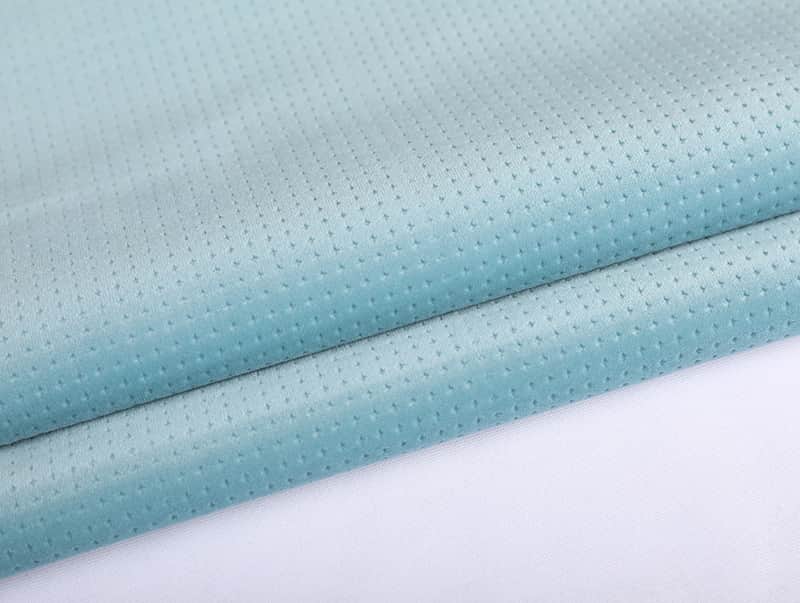
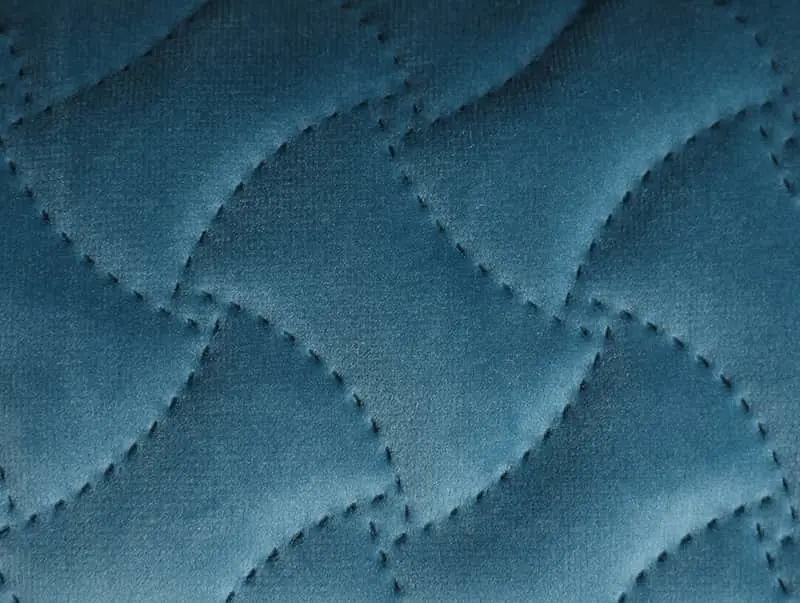
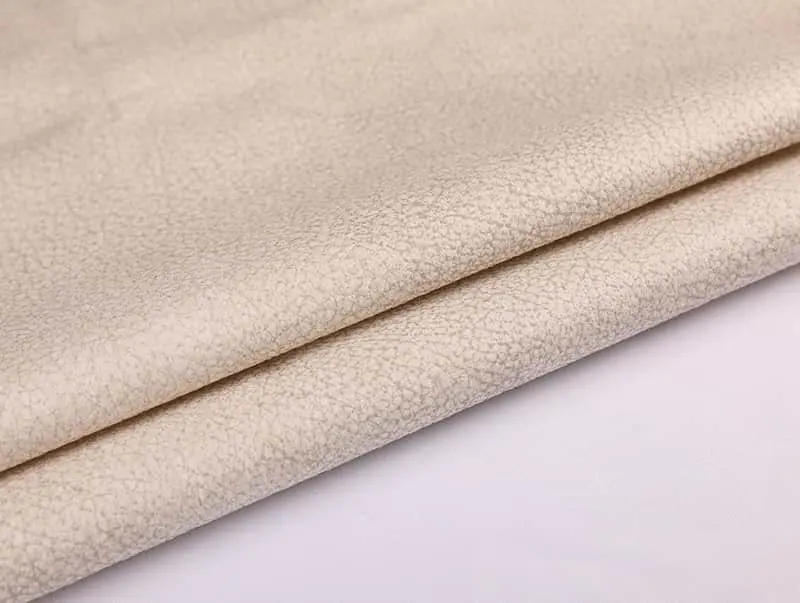
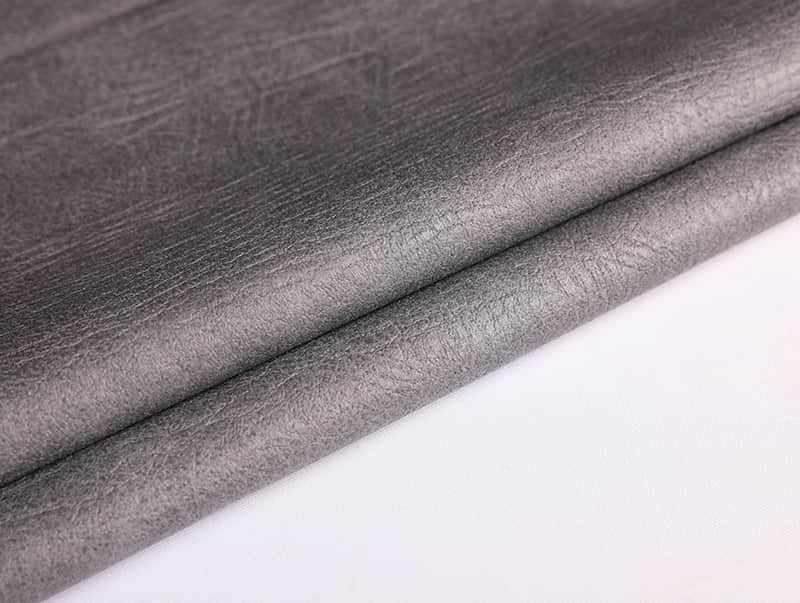
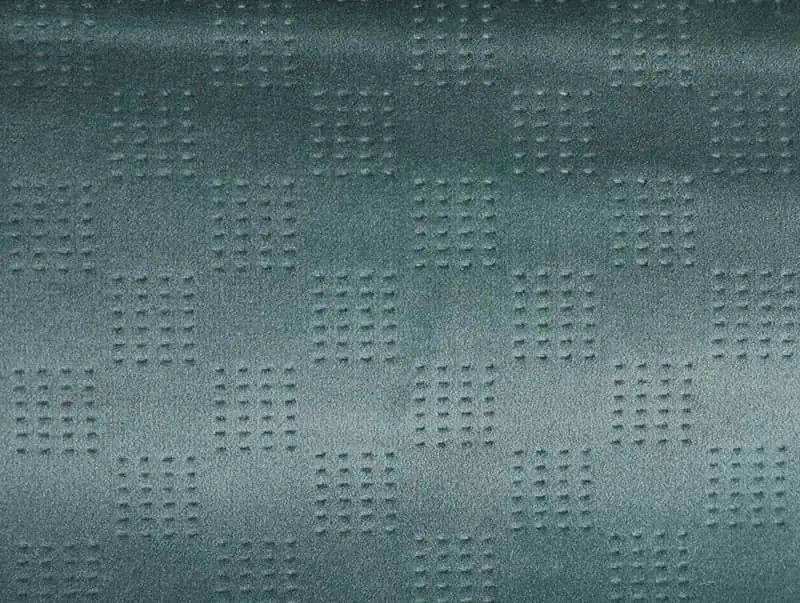
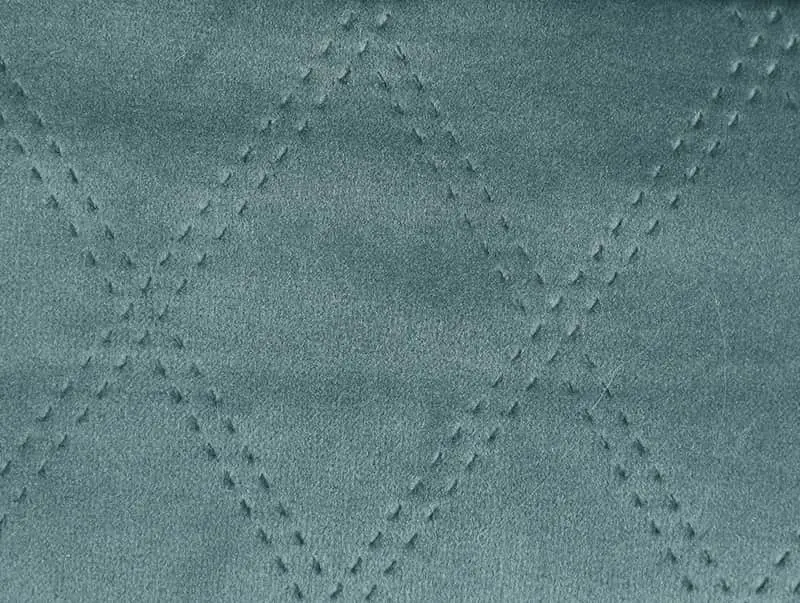
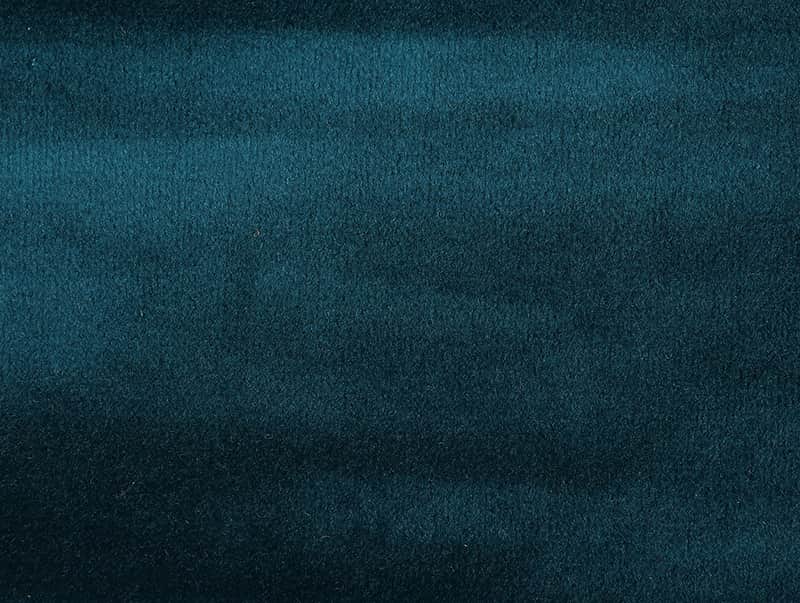
CX004 is a polyester-based woven velvet fabric that undergoes a specialized bronzing and foil printing process to achieve its distinctive surface appearance. The base fabric is constructed from high-tenacity polyester fibers that form the characteristic dense, cut-pile surface associated with velvet. This pile is then subjected to a heat-transfer foil printing or bronzing embossing process, during which metallic or pigmented foil is pressed into selected areas of the fabric under controlled temperature and pressure, creating patterns that replicate the grain textures, sheen, and tonal depth of natural or synthetic leather.
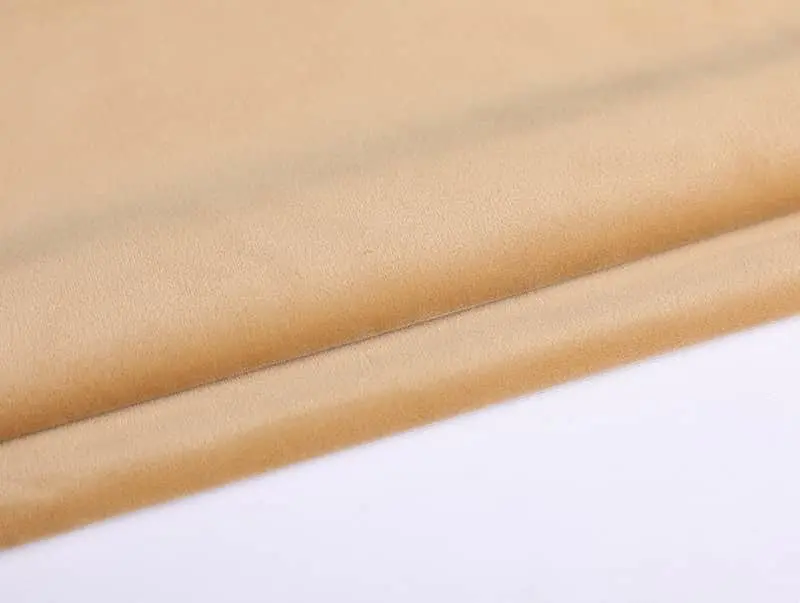
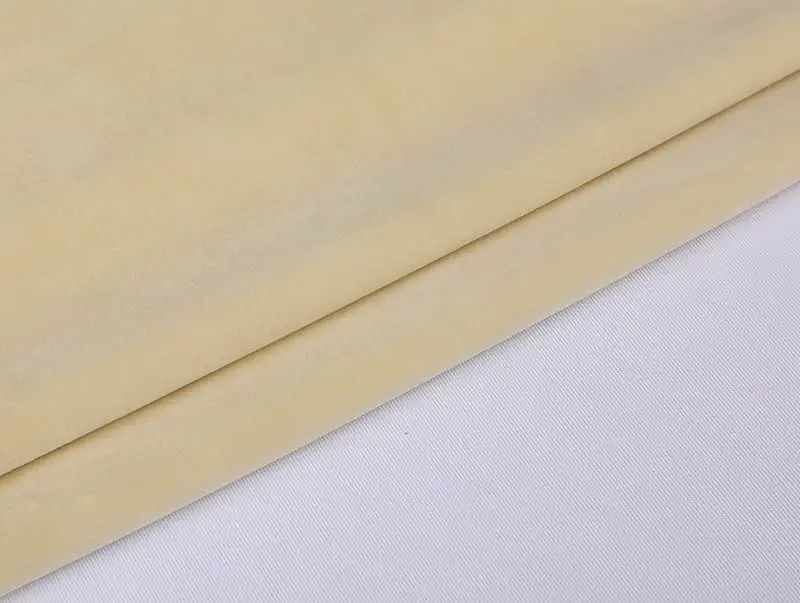
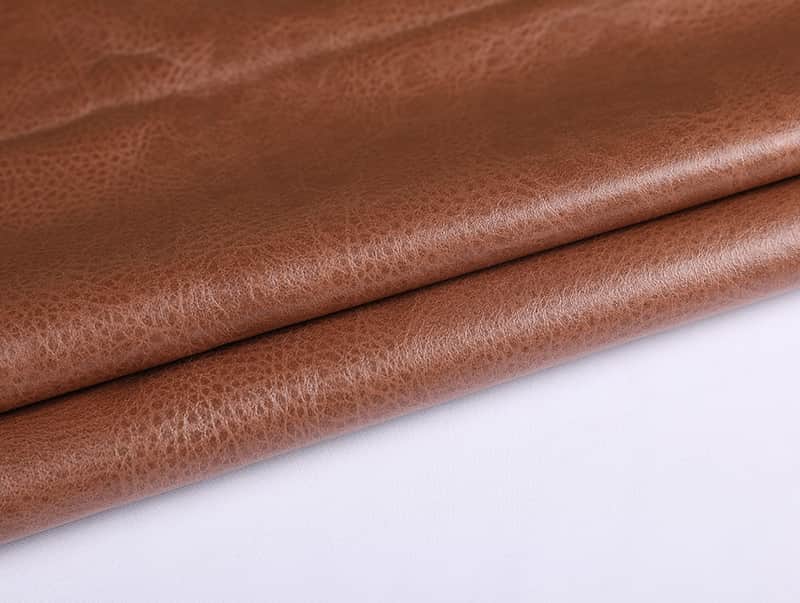
The result is a fabric that presents two complementary surface experiences: the soft, plush hand-feel of velvet in unprinted areas, and the smooth, reflective quality of foil in printed zones — a combination that reads as leather-like to both the eye and the hand. Depending on the foil color, pattern scale, and embossing depth, CX004 can convincingly simulate everything from classic black patent leather to distressed tan hide, making it one of the more versatile faux leather solutions available to furniture manufacturers today.
Superior Aesthetic Appeal Compared to Conventional Faux Leather
Conventional faux leather — most commonly PU (polyurethane) coated fabric or PVC — attempts to replicate the appearance of genuine leather primarily through surface texture embossing and coating color. While these materials have improved considerably, they still tend to look flat and uniform under directional lighting, lacking the subtle tonal variation and depth that give real leather its premium character.
CX004's bronzing velvet foil print process introduces a multi-dimensional optical effect that conventional faux leather cannot replicate. The metallic foil component reflects light differently depending on the viewing angle, creating an iridescent depth that changes subtly as room lighting shifts throughout the day. The velvet pile in unfoiled zones absorbs light rather than reflecting it, creating a contrast between matte and sheen that closely mirrors the light-interplay seen in premium leather with a two-tone or antiqued finish. This optical complexity elevates the perceived material quality significantly, allowing furniture pieces upholstered in CX004 to command visual attention in ways that flat PU faux leather simply cannot achieve.
Enhanced Durability Over Standard Faux Leather
One of the most common criticisms leveled at PU and PVC faux leather in sofa applications is premature surface degradation. PU coatings are prone to peeling, cracking, and flaking — particularly along seat edges, armrests, and any area subject to repeated flexion or friction. This failure mode is not only unsightly but irreversible without complete reupholstery, dramatically shortening the useful life of furniture pieces and frustrating end consumers.
CX004's polyester velvet base addresses this fundamental weakness directly. Because the fabric's surface character derives from its fiber pile and bonded foil layer rather than from a continuous polymer coating, there is no coating layer to peel or crack under flex stress. The polyester fibers that form the velvet pile are highly resistant to abrasion, and the foil printing process used in CX004 production bonds the metallic layer into the fiber surface rather than simply coating over it, resulting in substantially better adhesion and resistance to delamination compared to surface-applied coatings.
Key Durability Metrics
- Abrasion resistance: Polyester velvet constructions typically achieve 30,000 to 50,000 double rubs on the Martindale scale, meeting or exceeding heavy-duty residential and light commercial upholstery standards, compared to standard PU faux leather which often rates 20,000 to 30,000 double rubs before visible surface wear.
- Flex resistance: The woven textile base flexes without cracking, a structural advantage over coated faux leathers that rely on a polymer film integrity that degrades with repeated bending.
- Foil adhesion: Heat-bonded foil in bronzing processes demonstrates significantly better peel resistance than adhesive-transferred foils, ensuring the decorative surface remains intact over years of normal use.
Comfort and Thermal Performance Advantages
A practical disadvantage of genuine leather and most faux leather alternatives in sofa applications is their thermal behavior. In warm conditions, smooth leather and PU-coated surfaces become uncomfortably sticky against skin, while in cold conditions they feel cold and hard to the touch. This thermal discomfort is a well-documented complaint from sofa buyers in climates with pronounced seasonal temperature variation.
CX004's velvet construction mitigates both problems effectively. The cut pile creates a micro-layer of insulating air between the fabric surface and the user's body, moderating the temperature perceived at the point of contact. The fabric does not become sticky in warm conditions because the pile fibers maintain separation from skin rather than creating the continuous surface contact that causes the clinging sensation on smooth faux leather. In cooler conditions, the pile traps warmth quickly and reaches a comfortable skin temperature within seconds of contact — significantly faster than leather or PU surfaces of equivalent thickness. For households in continental climates, or for commercial furniture in venues where air conditioning and heating create wide temperature swings, this thermal comfort advantage is a genuine differentiator.
Comparison with Major Faux Leather Alternatives
| Property | CX004 Bronzing Velvet | PU Faux Leather | PVC Faux Leather |
| Peeling / Cracking Risk | None — no coating layer | High after 2–4 years | Moderate — stiffens over time |
| Visual Depth | High — metallic foil + pile contrast | Low to Moderate | Low |
| Thermal Comfort | Excellent — pile insulation | Poor — sticky in heat | Poor — cold and stiff |
| Breathability | Moderate — woven base | Low — sealed coating | Very Low — impermeable |
| Design Versatility | Very High — foil patterns variable | Moderate | Moderate |
| Environmental Profile | Better — no PVC/solvent coating | Moderate | Poor — PVC and plasticizers |
Design Versatility for Modern and Classic Interior Styles
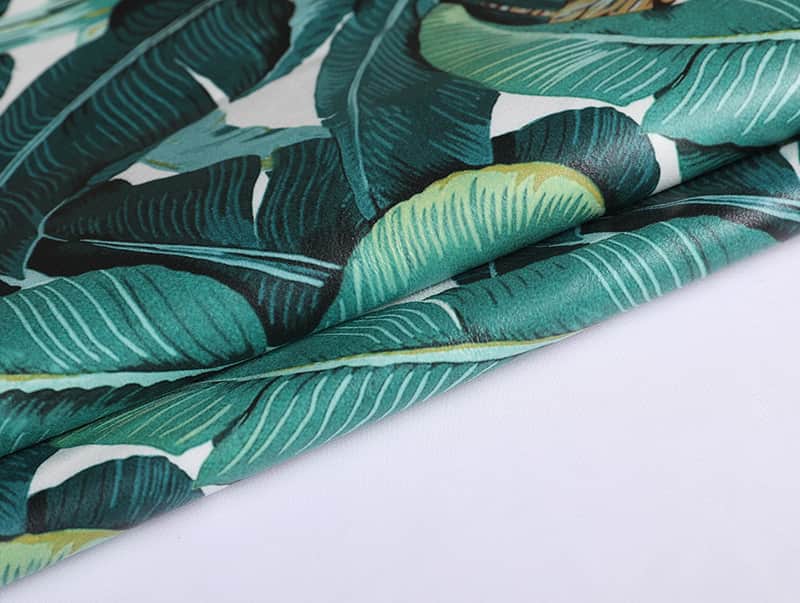
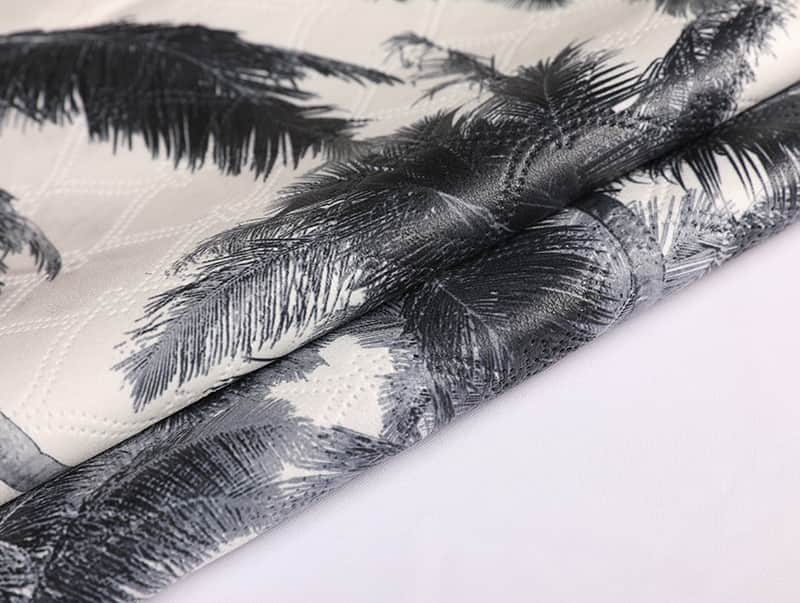
Because the bronzing and foil printing process can be applied in an essentially unlimited range of patterns, scales, and colorways, CX004 is not confined to a single aesthetic direction. Furniture designers and upholstery brands can specify the same base fabric construction in configurations that serve dramatically different interior design styles:
- Contemporary and minimalist interiors benefit from CX004 produced with fine-grain geometric foil patterns in monochromatic gold, silver, or bronze on black or charcoal velvet — creating a sophisticated, restrained luxury effect that complements clean architectural lines.
- Art Deco and Hollywood Regency styles are well served by larger-scale foil patterns featuring bold geometric motifs, deep jewel-tone velvet bases, and high-contrast metallic printing that echoes the glamour of these historic design movements.
- Traditional and transitional interiors can employ CX004 with naturalistic leather-grain embossing foil patterns in warm tobacco, cognac, or ivory tones that closely mimic the patina of aged genuine leather without the associated costs or animal welfare concerns.
- Commercial hospitality settings — hotel lobbies, restaurant banquettes, VIP lounges — benefit from the material's high visual impact combined with its commercial-grade durability, enabling a premium aesthetic in high-traffic environments where genuine leather would require prohibitively expensive maintenance.
Ease of Maintenance and Cleaning
Genuine leather requires conditioning treatments, careful cleaning protocols, and protection from sunlight and moisture to maintain its appearance over time. Even premium faux leathers need careful attention to prevent the peeling and cracking that accompany improper cleaning product use. CX004, while requiring reasonable care, offers a more straightforward maintenance profile that appeals to both residential consumers and commercial facility managers.
Surface dust and light soiling can be removed from CX004 with a soft brush or low-suction vacuum following the pile direction. For stains, a lightly dampened cloth with a mild detergent solution is typically sufficient for most household contaminants, and the polyester pile fibers are inherently stain-resistant compared to natural fibers. The foil-printed areas are particularly easy to wipe clean given their smooth, non-absorbent surface character. It is important to avoid harsh chemical cleaners or vigorous scrubbing, which can distort the pile or affect foil adhesion, but these precautions are far less demanding than the maintenance regime required by genuine leather.
Cost Efficiency Without Compromising Perceived Quality
For furniture manufacturers operating in the mid-market segment — producing sofas that must look premium but be priced accessibly — the cost efficiency of CX004 relative to genuine leather is a decisive commercial advantage. Quality full-grain upholstery leather can cost between $15 and $40 per square foot, and the skilled cutting and sewing required to work with leather hides adds further labor cost. Premium PU faux leather, while considerably cheaper, still commands a price premium over fabric alternatives and introduces the peeling and cracking liability that generates warranty claims and customer service costs throughout the product lifecycle.
CX004 bronzing velvet foil print velvet delivers a material cost structure aligned with mid-range upholstery fabric pricing while presenting a finished visual and tactile quality that allows manufacturers to position finished sofas in the upper-mid or near-premium tier. The absence of a coating layer that can fail prematurely also reduces long-term warranty costs — a financial benefit that is less visible in initial fabric pricing but highly significant across large production volumes. For export-oriented furniture manufacturers targeting markets in Europe, the Middle East, and North America where both aesthetic standards and consumer protection expectations are high, this combination of low material cost and low failure risk makes CX004 a strategically sensible choice.
Conclusion
CX004 sofa polyester bronzing velvet foil print velvet represents a genuinely advanced solution to the longstanding challenge of replicating genuine leather's aesthetic authority in an affordable, durable, and design-flexible upholstery fabric. By leveraging the optical complexity of metallic foil printing against the plush tactile depth of polyester velvet, it achieves a faux leather appearance that surpasses conventional PU and PVC alternatives in visual richness, longevity, and comfort. Its freedom from the peeling and cracking failures that have damaged consumer confidence in coated faux leathers, combined with its thermal comfort advantages and broad design versatility, positions it as a compelling material choice for sofa manufacturers, interior designers, and procurement managers seeking to deliver premium-looking upholstery without the compromises that genuine leather or standard faux leather alternatives inevitably impose.