 中文简体
中文简体
 English
 Español
 عربى
عربى
Content
- 1 What Material Is Velvet and How the Fabric Is Made
- 2 Primary Types of Velvet Fabric Based on Fiber Composition
- 3 Velour vs Velvet Fabric: Structural and Performance Differences
- 4 Velvet and Crushed Velvet: Surface Treatment Differences
- 5 Practical Applications of Different Velvet Type Material Options
- 6 Key Considerations When Choosing Velvet Fabric
What Material Is Velvet and How the Fabric Is Made
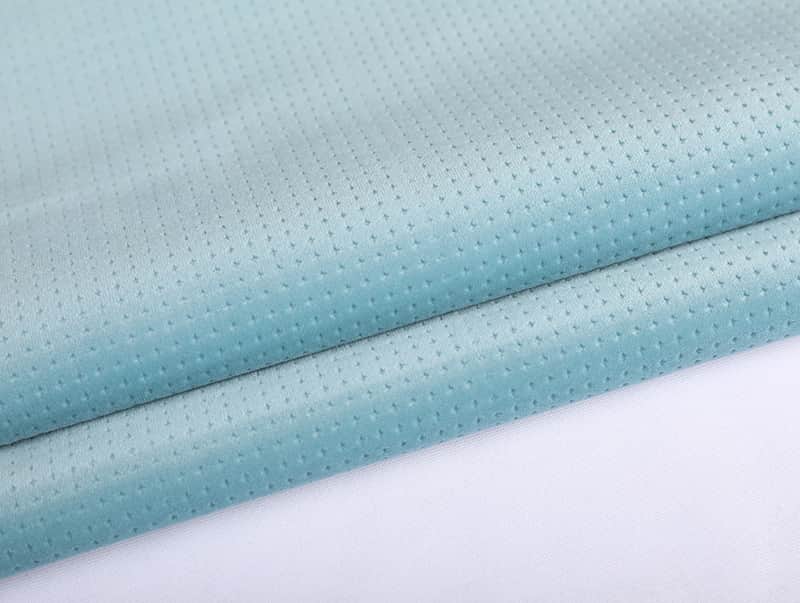
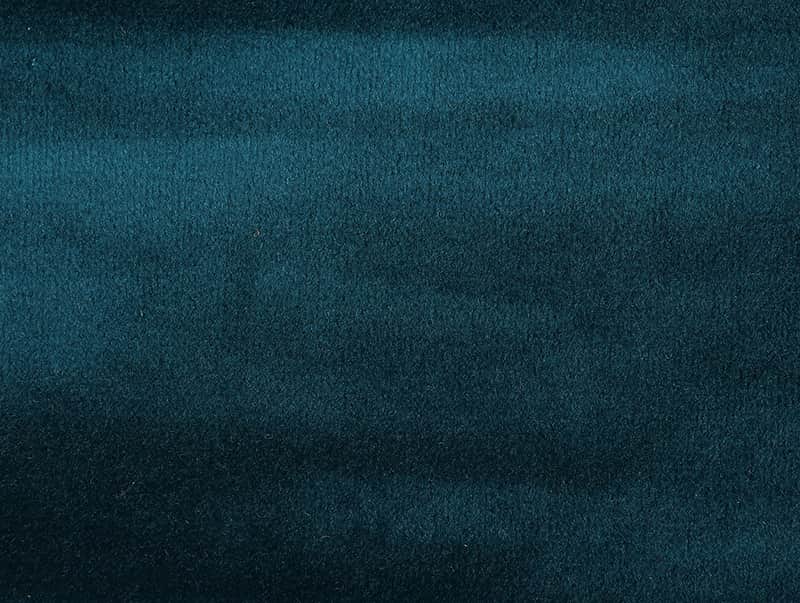
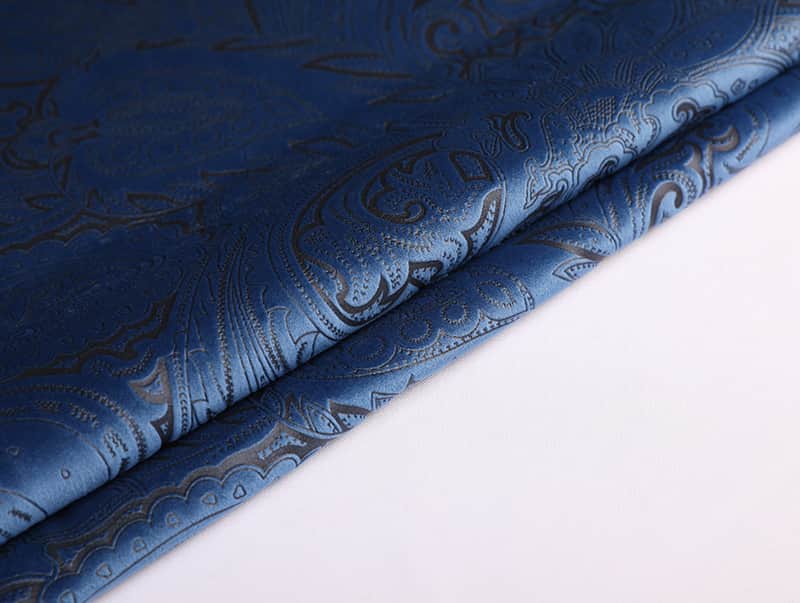
Velvet is a pile fabric distinguished by a dense surface of short, upright fibers that create a soft hand feel and a characteristic light-reflective appearance. From a structural perspective, velvet is traditionally woven using a double-cloth construction. Two layers of fabric are produced at the same time, and the connecting fibers between them are cut to form the pile surface.
The defining feature of velvet lies in the orientation of its pile. Because the fibers stand vertically rather than lying flat, the fabric reflects light differently depending on viewing angle and direction. This is why velvet can appear darker or lighter when brushed in different directions, a property that influences both visual presentation and maintenance considerations.
In terms of raw materials, velvet was originally made from silk, which provided exceptional softness and drape. Modern velvet type material now includes cotton, polyester, rayon, viscose, and blended fibers. Each material choice affects durability, breathability, cost, and suitability for specific end uses.
Primary Types of Velvet Fabric Based on Fiber Composition
The most common way to categorize types of velvet fabric is by the fiber used in production. Fiber composition directly influences texture, weight, performance, and care requirements, making this distinction especially relevant for practical selection.
- Silk velvet is known for its smooth pile, fluid drape, and high luster. It is often used in formal garments and decorative textiles where appearance is prioritized over heavy wear resistance.
- Cotton velvet features a firmer hand feel and a more matte surface. Compared with silk velvet, it offers improved durability and is frequently applied in upholstery, cushions, and structured apparel.
- Polyester velvet provides consistent pile height, strong color retention, and resistance to crushing. It is widely used in commercial interiors, stage fabrics, and mass-produced furnishings.
- Rayon or viscose velvet offers a balance between softness and cost efficiency. It is commonly selected when a silk-like appearance is required but budget constraints exist.
Velour vs Velvet Fabric: Structural and Performance Differences
Velour vs velvet fabric is a frequent point of comparison due to their similar tactile qualities. While both fabrics feature a pile surface, their construction methods are fundamentally different. Velvet is a woven fabric, whereas velour is typically knitted.
The knitted structure of velour introduces stretch and flexibility, resulting in a fabric that drapes differently and responds better to movement. Velvet, by contrast, maintains a more stable structure with a denser pile, which supports a richer visual depth but offers limited elasticity.
| Comparison Aspect | Velvet | Velour |
| Construction | Woven | Knitted |
| Stretch | Low | Moderate to high |
| Visual Depth | Strong and directional | Softer and more uniform |
Velvet and Crushed Velvet: Surface Treatment Differences
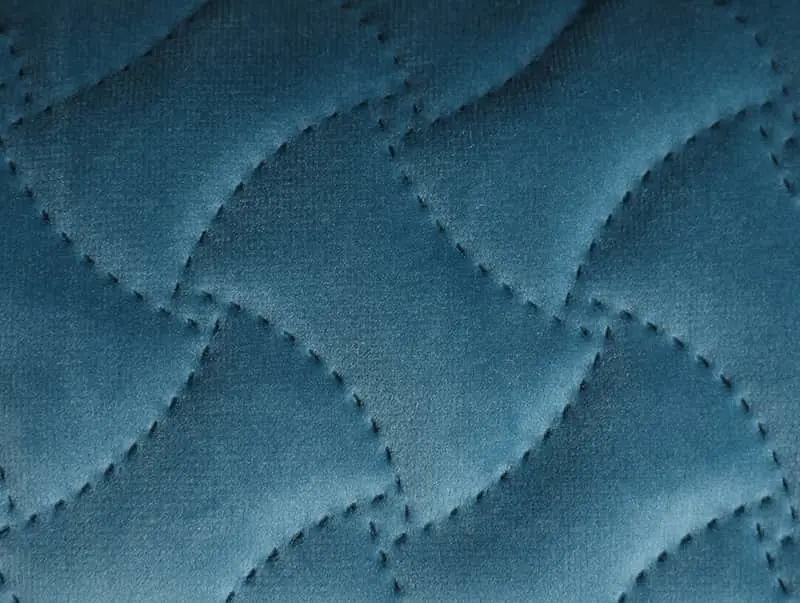
Velvet and crushed velvet differ primarily in how the pile surface is treated after weaving. Standard velvet retains an aligned pile direction, producing a smooth and uniform appearance. Crushed velvet undergoes a mechanical or chemical process that intentionally disrupts this alignment.
As a result, crushed velvet displays irregular texture patterns and varied light reflection across the surface. This treatment alters the visual character of the fabric without changing its underlying woven structure.
- Standard velvet emphasizes symmetry and controlled sheen, often selected for traditional interiors and formal apparel.
- Crushed velvet offers a more expressive appearance, commonly used in fashion-forward designs and decorative accents.
Practical Applications of Different Velvet Type Material Options
Different velvet type material options perform better in specific environments. Upholstery applications often prioritize abrasion resistance and ease of cleaning, which makes cotton and polyester velvet more suitable for frequent use.
In apparel, comfort, drape, and appearance become more important considerations. Silk and rayon velvet are commonly used for garments where softness and visual flow are key factors. Understanding how each velvet fabric behaves under wear helps align material selection with functional requirements.
Key Considerations When Choosing Velvet Fabric
Choosing the right velvet fabric involves evaluating more than appearance alone. Pile density, fiber composition, and finishing method all influence how the fabric ages over time and how it responds to regular handling.
Maintenance requirements should also be considered. Some velvet fabrics are more prone to crushing or marking, while others retain their surface consistency with minimal care. By matching material properties with intended use, velvet can deliver consistent performance across a wide range of applications.