 中文简体
中文简体
 English
 Español
 عربى
عربى
Content
- 1 Understanding Velveteen Upholstery Fabric and Its Practical Use
- 2 Black Velvet Texture and Visual Depth
- 3 Velvet Seating in Residential and Commercial Spaces
- 4 Crushed Velvet Coat and Surface Variation
- 5 Fleece Velvet and Comfort-Oriented Applications
- 6 Comparing Key Velvet Fabric Applications
- 7 Selecting the Right Velvet Fabric for Practical Needs
Understanding Velveteen Upholstery Fabric and Its Practical Use
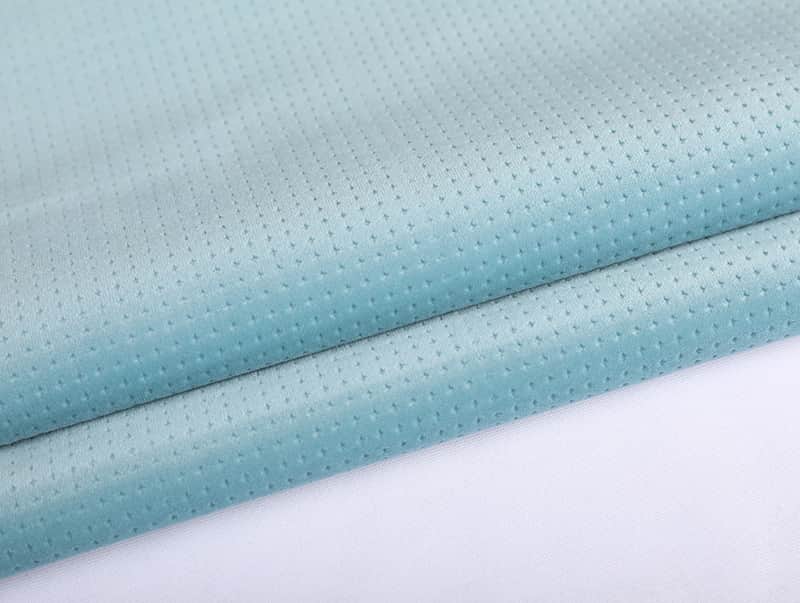
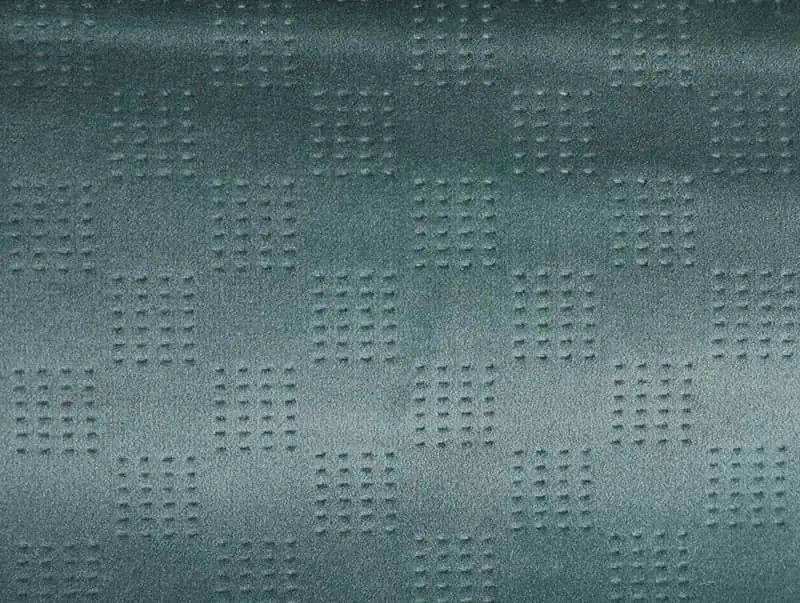
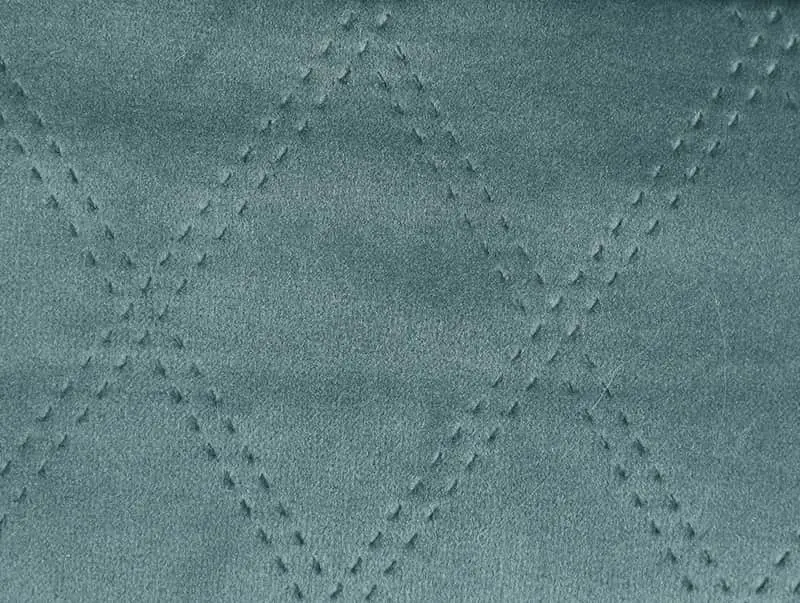
Velveteen upholstery fabric is a cotton-based pile fabric designed to deliver a soft surface while maintaining structural stability. Unlike traditional velvet, velveteen typically features a shorter and more uniform pile, which makes it suitable for furniture applications that require frequent contact.
In upholstery settings, velveteen upholstery fabric is often selected for its balanced appearance and durability. The cotton foundation provides breathability, while the dense pile offers comfort and visual warmth. This combination supports use in sofas, accent chairs, and headboards where tactile experience matters.
Black Velvet Texture and Visual Depth
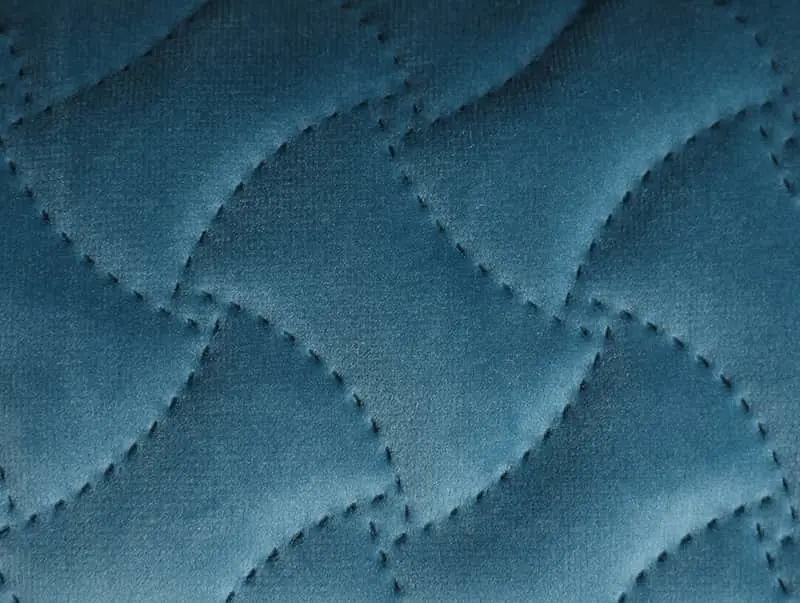
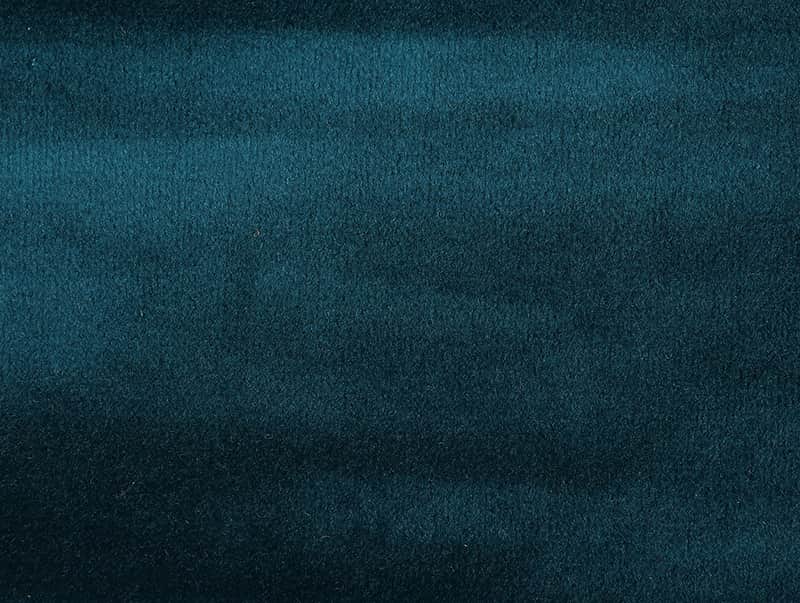
Black velvet texture is widely recognized for its ability to absorb and reflect light in subtle ways. The pile direction creates tonal variation across the surface, allowing black velvet to appear deeper and more dimensional than flat woven fabrics.
This texture is commonly used in interior elements where contrast and depth are required. Black velvet texture performs well in controlled lighting environments, enhancing visual richness without relying on surface patterns or prints.
Velvet Seating in Residential and Commercial Spaces
Velvet seating is chosen for both comfort and appearance. The pile structure creates a soft contact surface while contributing to a refined visual profile. Seating upholstered in velvet often becomes a focal point within a space.
Different velvet constructions support different seating requirements. Dense pile velvet enhances form retention, while softer pile variations emphasize comfort. Velvet seating is commonly applied in lounges, reception areas, dining chairs, and bedroom furniture.
- Provides a soft tactile experience suitable for extended use
- Enhances furniture presence through light-responsive surface texture
- Supports a wide color range, including deep and saturated tones
Crushed Velvet Coat and Surface Variation
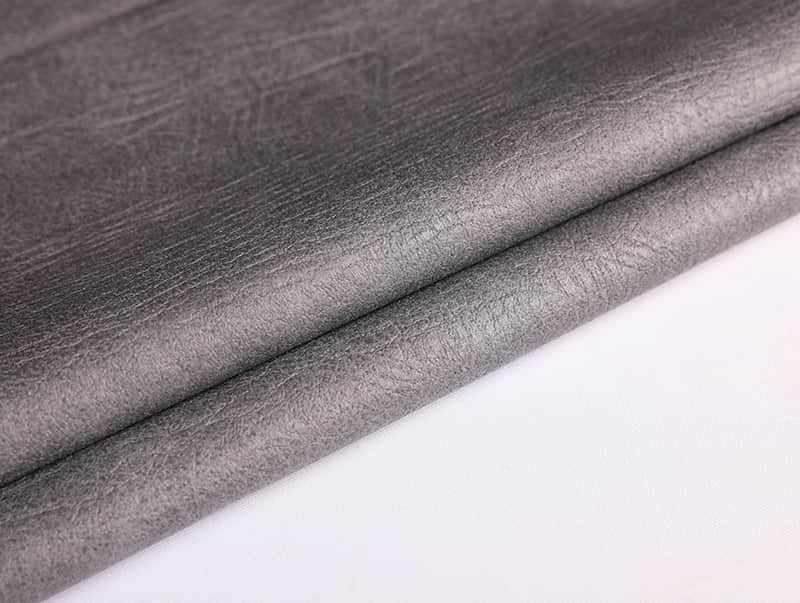
A crushed velvet coat is defined by its intentionally irregular surface. During finishing, the pile is manipulated to create a directional, uneven texture that reflects light at multiple angles. This process produces a dynamic appearance that changes with movement.
Crushed velvet coats are commonly used in outerwear where visual expression is emphasized. The texture reduces the appearance of wear marks and pile pressure, making it suitable for garments exposed to frequent movement.
Fleece Velvet and Comfort-Oriented Applications
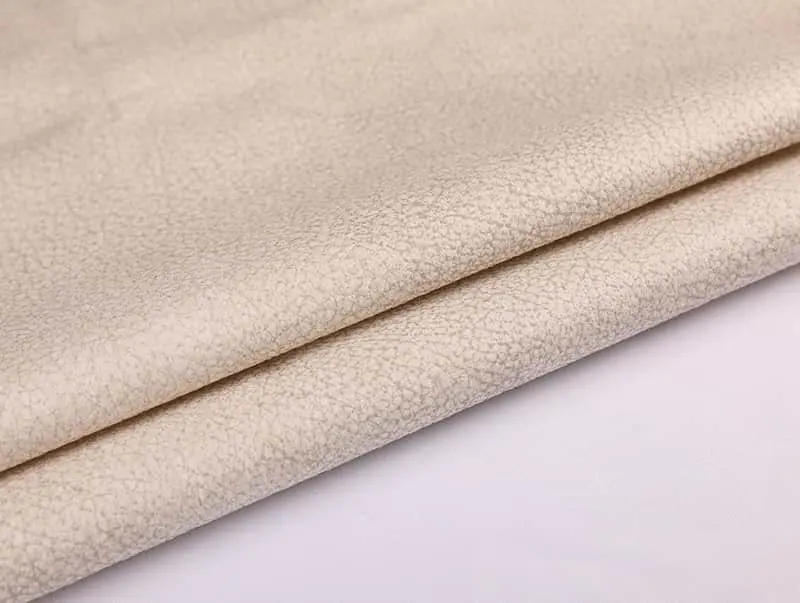
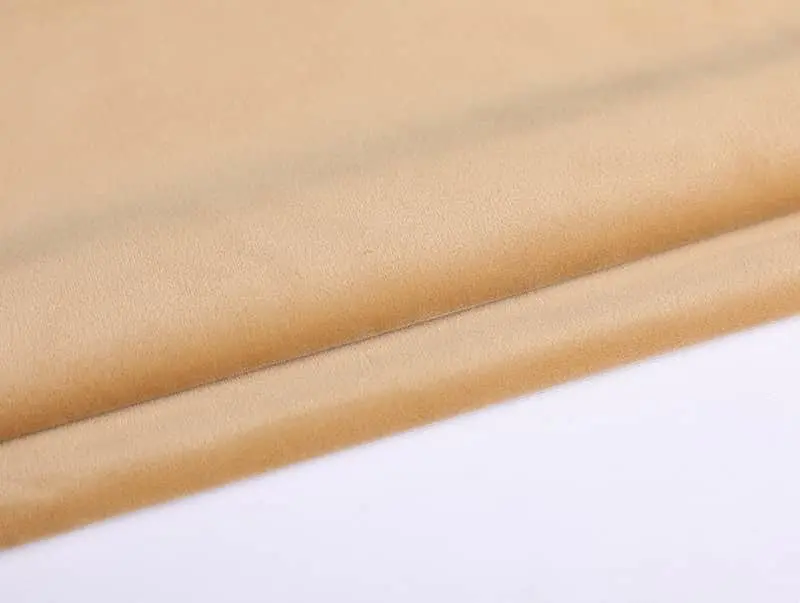
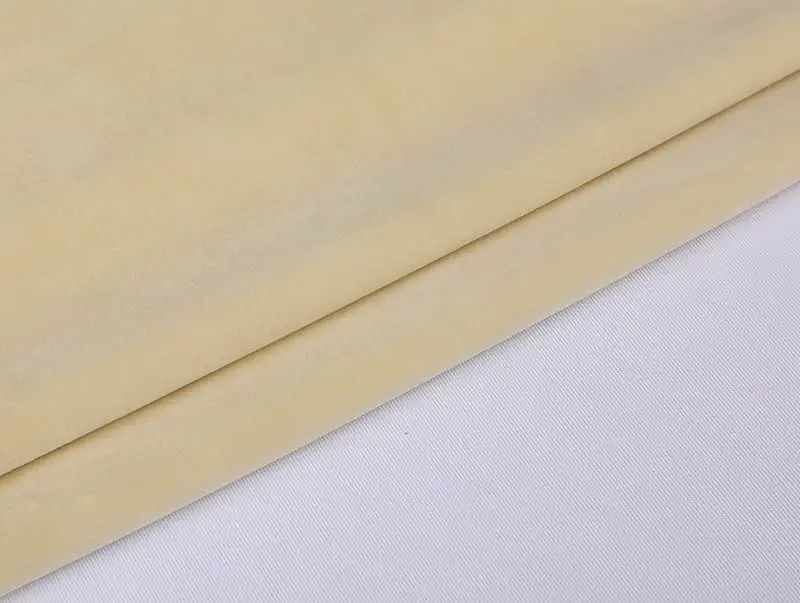
Fleece velvet combines the warmth-associated qualities of fleece with the surface softness of velvet. This fabric type typically features a plush pile supported by a lightweight base, creating insulation without excessive weight.
Fleece velvet is widely used in comfort-focused products such as loungewear, blankets, and casual jackets. The fabric maintains a soft hand feel while offering thermal performance suitable for cooler environments.
Comparing Key Velvet Fabric Applications
Different velvet-related fabrics serve distinct functional purposes depending on construction and surface treatment. Understanding these differences helps align material choice with practical use.
| Fabric Type | Primary Use | Key Feature |
| Velveteen upholstery fabric | Furniture and interiors | Stable pile and balanced durability |
| Black velvet texture | Decorative surfaces | High visual depth |
| Velvet seating | Residential and commercial seating | Comfort and appearance balance |
| Crushed velvet coat | Outerwear | Dynamic surface texture |
| Fleece velvet | Comfort garments and textiles | Softness with thermal support |
Selecting the Right Velvet Fabric for Practical Needs
Selecting between velveteen upholstery fabric, fleece velvet, or crushed velvet depends on usage context rather than appearance alone. Upholstery requires surface stability, garments benefit from texture flexibility, and seating demands both comfort and resilience.
By focusing on structure, pile behavior, and application environment, velvet-related fabrics can be matched accurately to functional and aesthetic expectations.