 中文简体
中文简体
 English
 Español
 عربى
عربى
Content
- 1 What Is Velvet Fabric Material
- 2 Types of Velvet Material by Fiber Composition
- 3 Types of Velvet Material by Structure and Finish
- 4 Velour vs Velvet Fabric: Core Differences
- 5 How to Choose Between Velour and Velvet Fabric
- 6 Common Applications of Velvet Fabric Material
- 7 Key Points to Remember About Types of Velvet Material
What Is Velvet Fabric Material
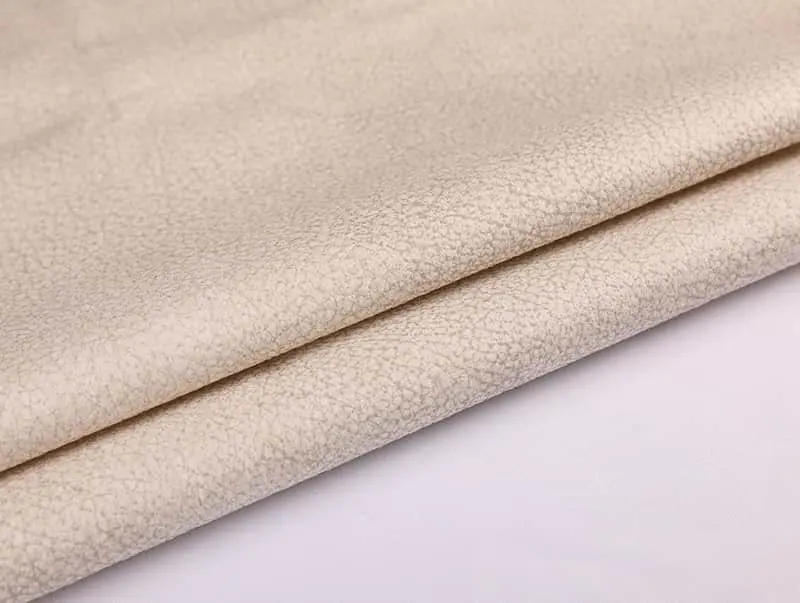
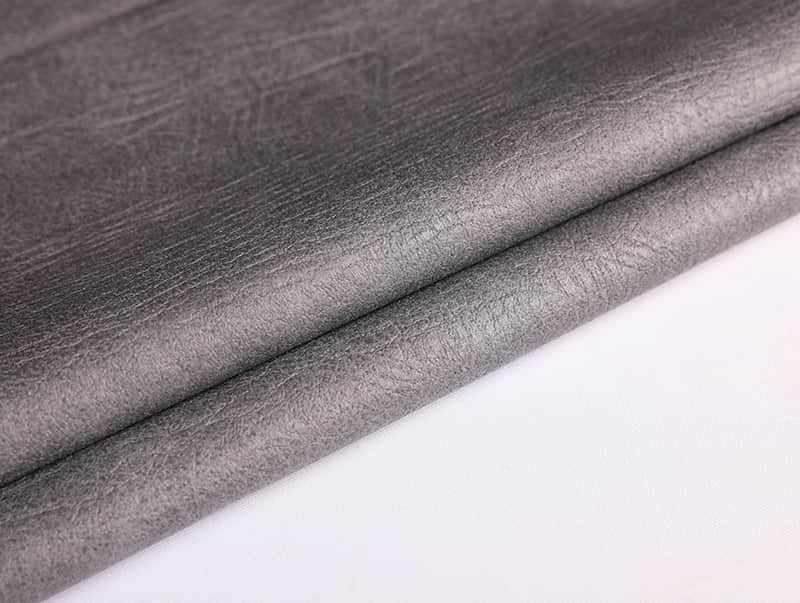
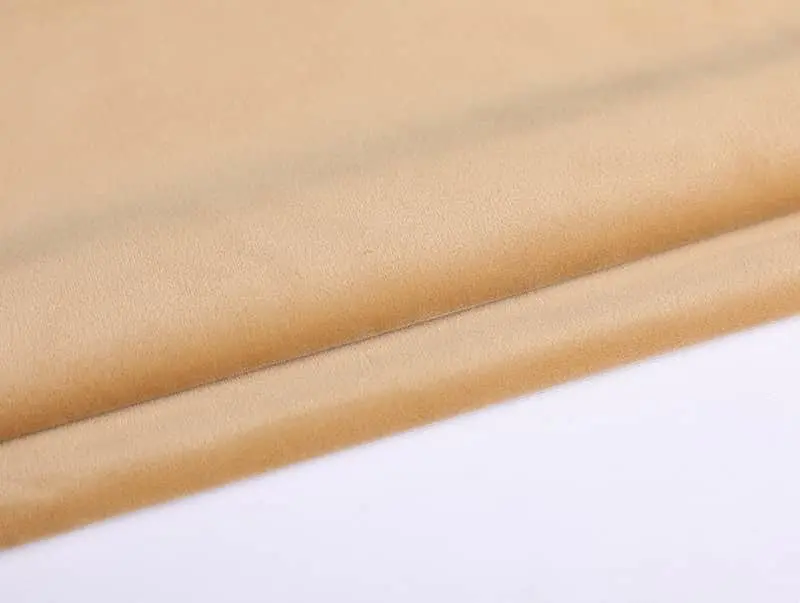
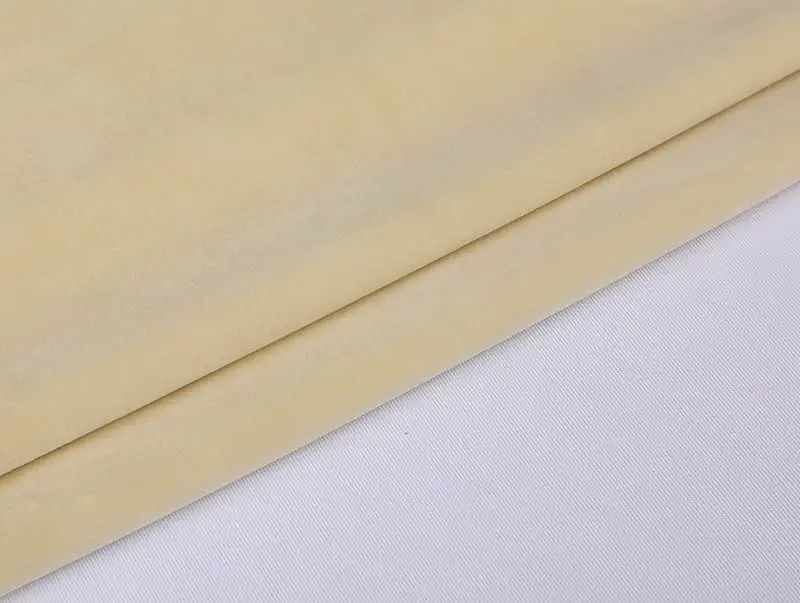
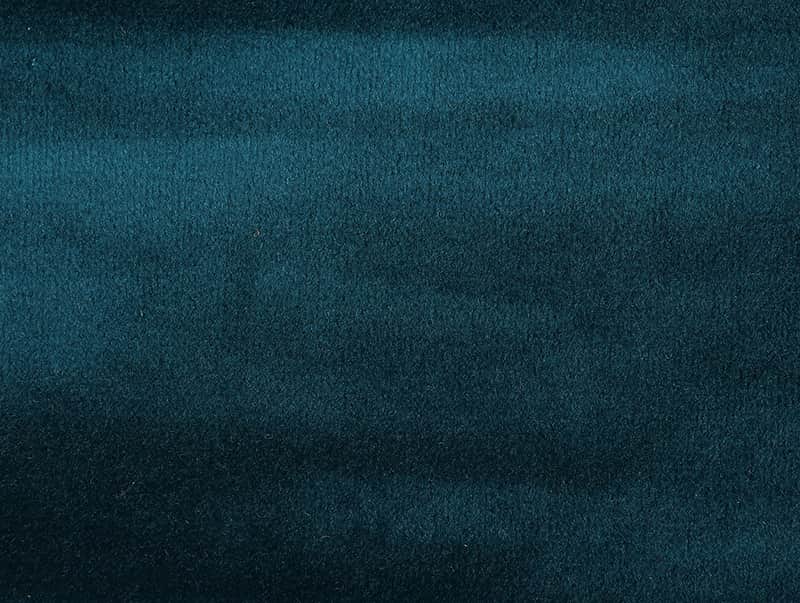
Velvet fabric material is a pile fabric known for its dense surface and soft hand feel. It is created by weaving two layers of fabric together and then cutting them apart, forming short, evenly distributed fibers on the surface. These upright fibers reflect light differently depending on direction, which gives velvet its characteristic depth of color and subtle sheen.
Originally made from silk, velvet is now produced using a wide range of fibers. Modern velvet fabric material can vary greatly in weight, durability, stretch, and appearance, depending on the base fiber and production method. This variation is the reason velvet is used across fashion, upholstery, stage curtains, and decorative textiles.
Types of Velvet Material by Fiber Composition
Understanding the types of velvet material starts with fiber composition. Each fiber affects texture, performance, and cost, making certain velvets more suitable for specific uses.
- Silk velvet: Traditionally produced and highly valued, silk velvet has a very smooth pile, rich luster, and lightweight structure. It is often used for high-end garments and formal wear but requires careful handling.
- Cotton velvet: Cotton-based velvet offers a softer sheen and more matte appearance. It is breathable and commonly used for casual apparel, home textiles, and decorative cushions.
- Polyester velvet: Polyester velvet is widely used due to its durability, color retention, and lower cost. It resists crushing better than natural fibers and is common in upholstery and stage fabrics.
- Rayon or viscose velvet: This type mimics the drape and shine of silk velvet while being more accessible in price. It is often selected for dresses, drapery, and decorative applications.
- Blended velvet: Fiber blends combine properties such as softness, strength, and elasticity. Blended velvet fabric material is widely used where balanced performance is required.
Types of Velvet Material by Structure and Finish
Beyond fiber content, types of velvet material are also classified by structure and surface treatment. These variations influence texture, stretch, and visual effect.
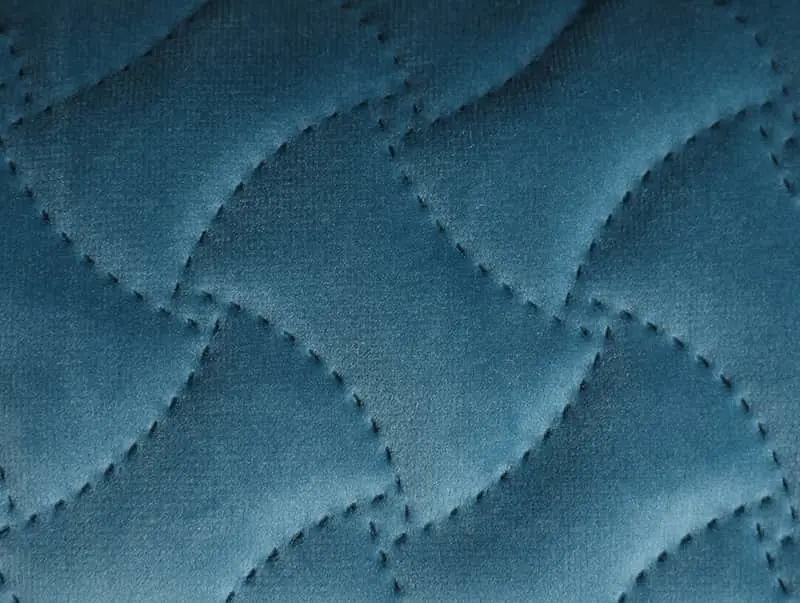
- Crushed velvet: Produced by twisting or pressing the pile while wet, crushed velvet has an irregular surface with varied light reflection.
- Stretch velvet: Incorporates elastic fibers into the base, providing flexibility and comfort. It is commonly used in fitted garments and performance costumes.
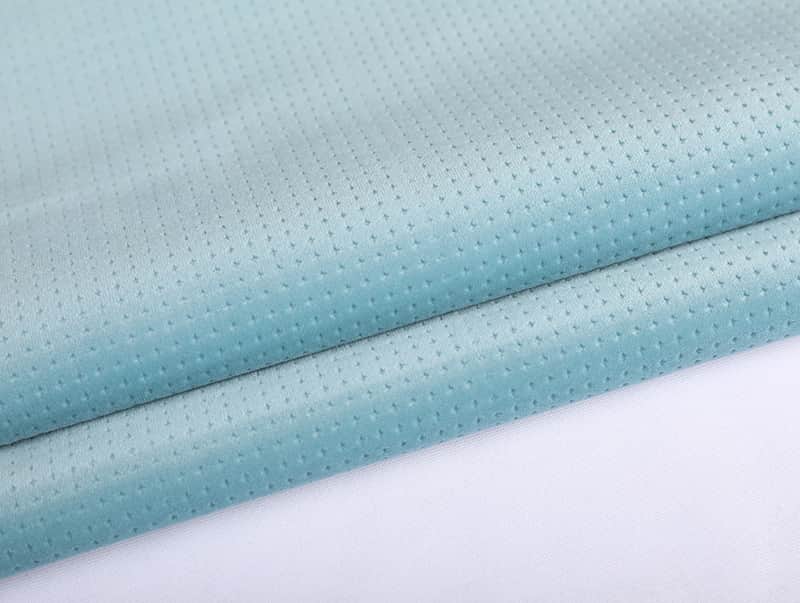
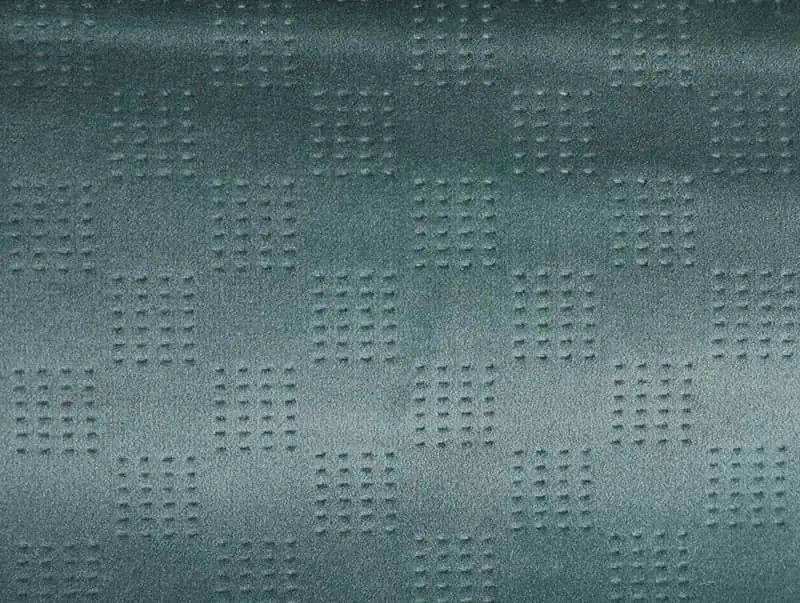
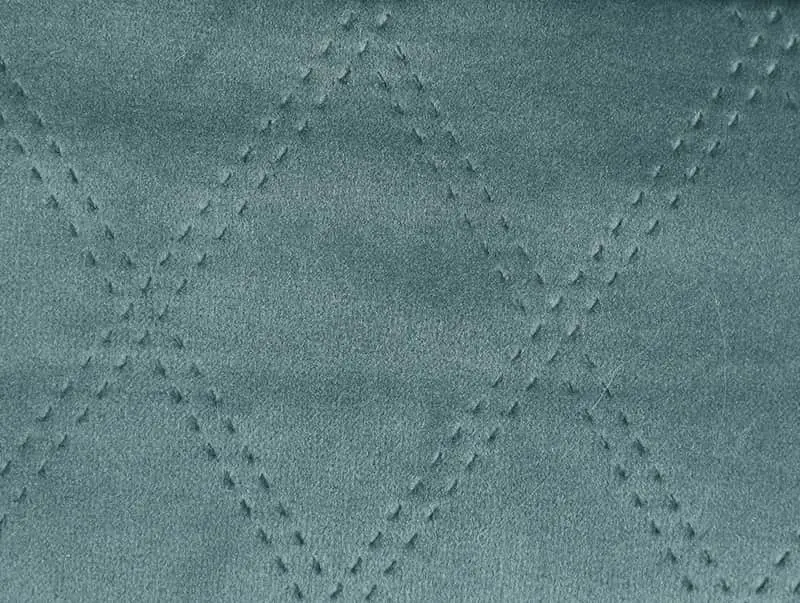
- Embossed velvet: Features patterns pressed into the pile using heat and pressure, creating a raised or recessed design.
- Panne velvet: A lightweight velvet with a flattened pile, often used for decorative apparel and accessories.
Velour vs Velvet Fabric: Core Differences
Velour vs velvet fabric is a common comparison because both materials share a soft pile surface. However, their construction and typical uses differ in practical ways.
| Feature | Velvet Fabric | Velour Fabric |
| Weaving method | Woven pile fabric | Knitted pile fabric |
| Stretch | Limited stretch | Naturally stretchy |
| Surface appearance | Dense pile with defined sheen | Softer pile with a more casual look |
| Common uses | Formal wear, upholstery, drapery | Loungewear, sportswear, casual apparel |
How to Choose Between Velour and Velvet Fabric
When deciding between velour vs velvet fabric, application is the key factor. Velvet fabric material is preferred when structure, visual richness, and surface definition are required. It holds shape better and provides a more formal appearance.
Velour, on the other hand, offers comfort and flexibility due to its knitted construction. It works well for garments that require movement or a relaxed feel. Understanding these functional differences helps prevent issues related to wear, drape, and long-term performance.
Common Applications of Velvet Fabric Material
Velvet fabric material is selected based on both aesthetics and performance. Different types of velvet material serve distinct industries and end uses.
- Apparel such as jackets, dresses, and evening wear that require visual depth.
- Upholstery fabrics for sofas, chairs, and headboards where surface texture matters.
- Curtains and drapes used for light control and acoustic absorption.
- Decorative textiles including cushions, throws, and wall coverings.
Key Points to Remember About Types of Velvet Material
Types of velvet material differ not only in appearance but also in durability, care requirements, and cost. Fiber composition determines softness and strength, while structure influences stretch and visual effect. Comparing velour vs velvet fabric clarifies why these materials are not interchangeable in all situations.
By understanding how velvet fabric material is produced and classified, it becomes easier to select the right option for apparel, interior design, or decorative use without relying on vague descriptions or assumptions.