 中文简体
中文简体
 English
 Español
 عربى
عربى
Content
Introduction to Velvet Curtains
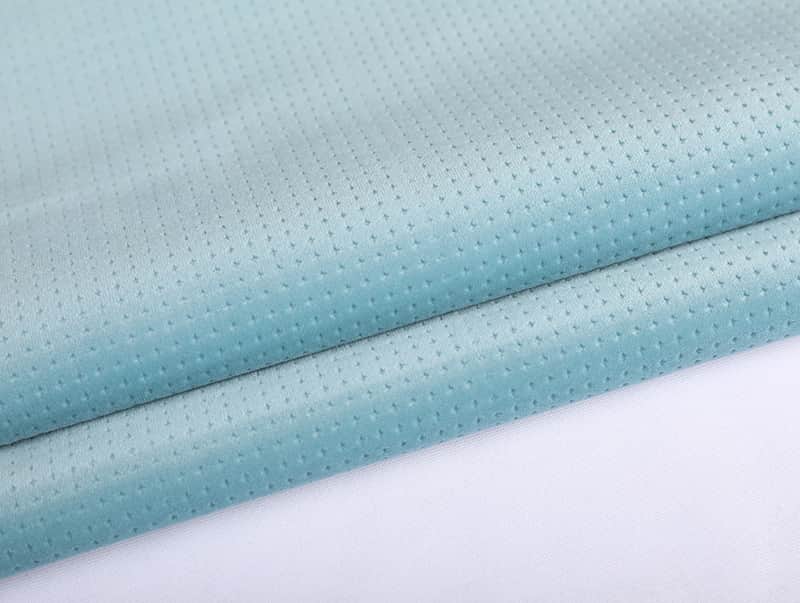
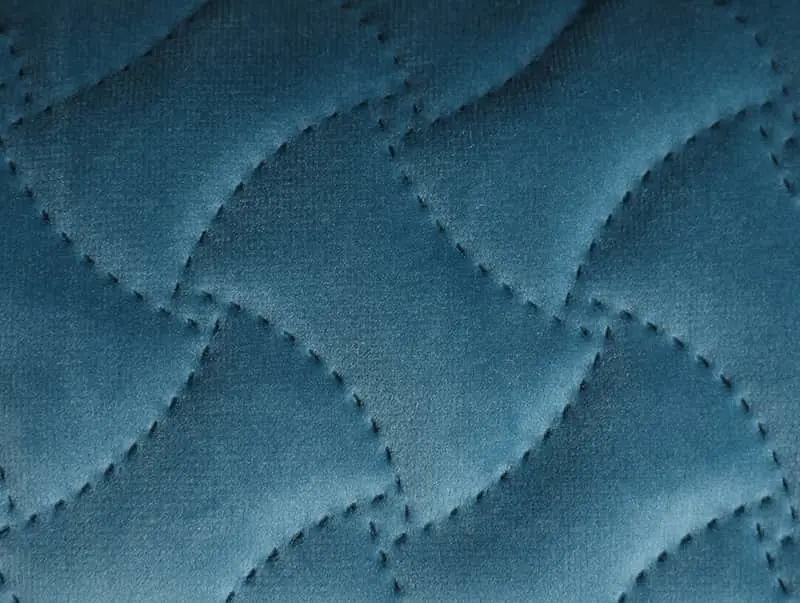
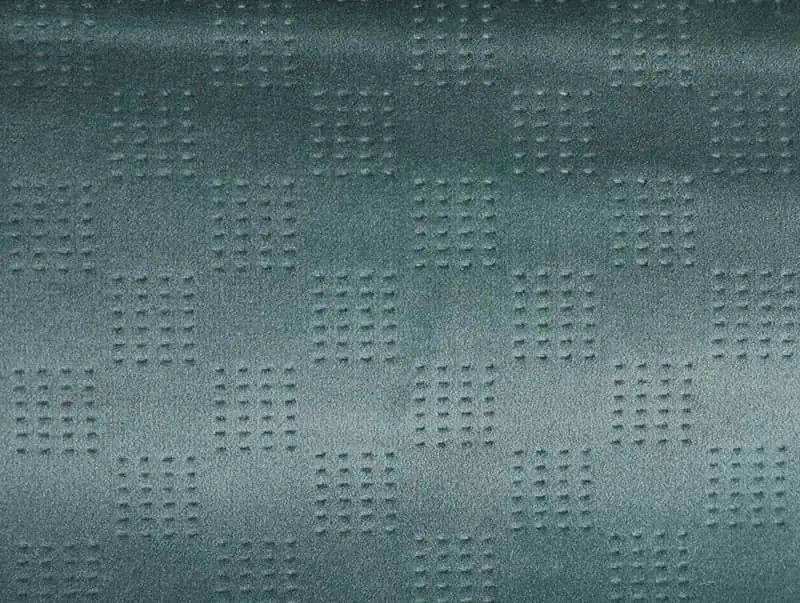
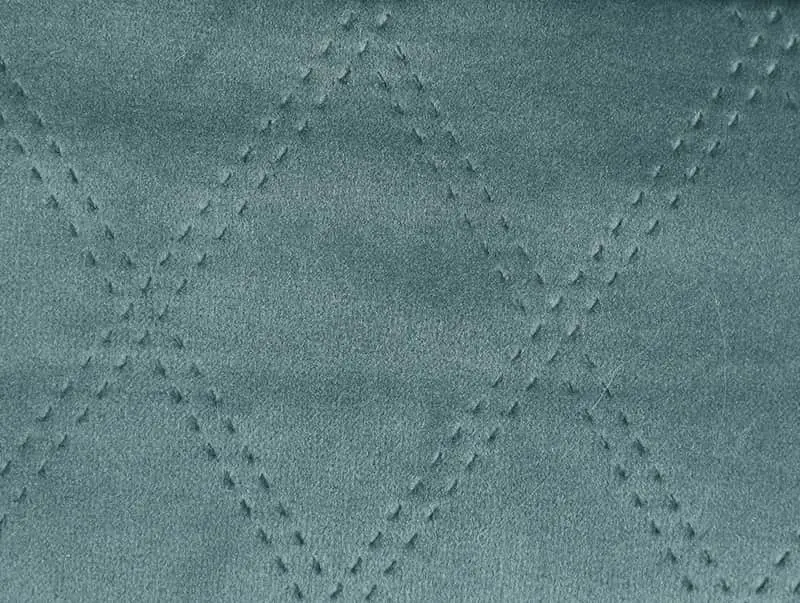
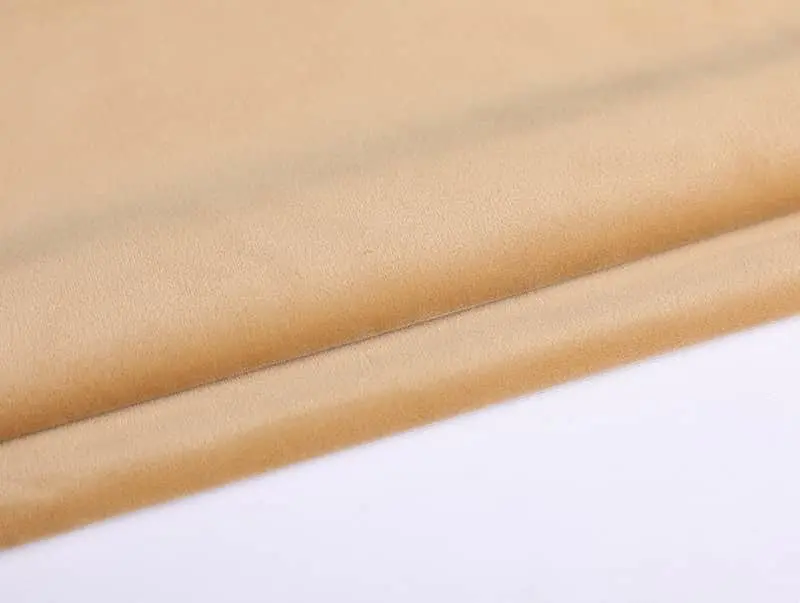
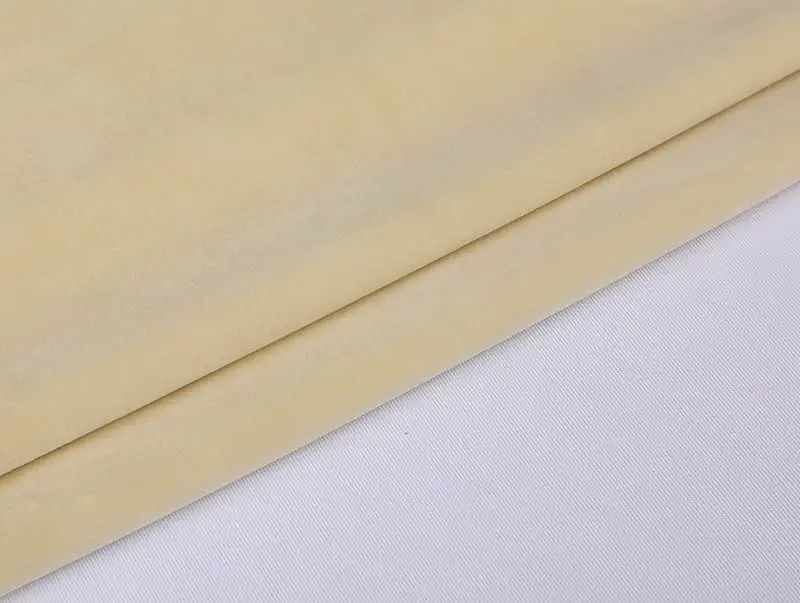
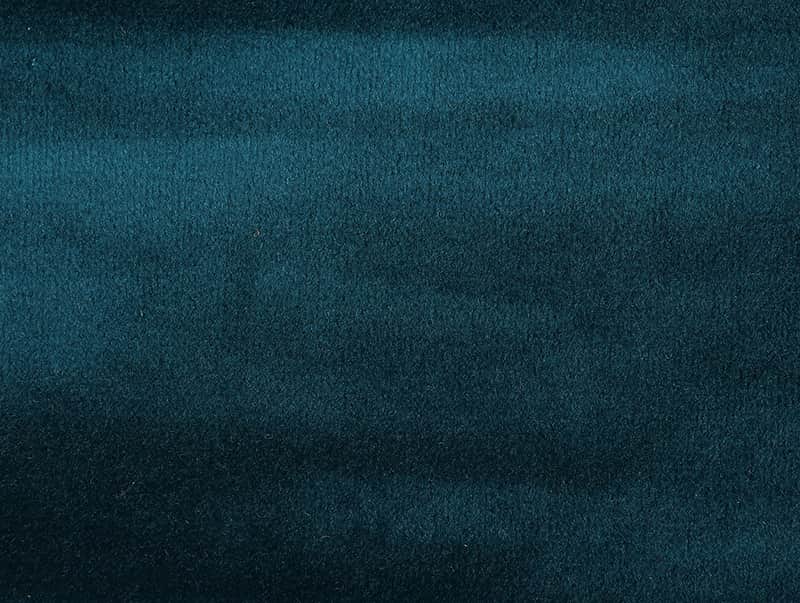
Velvet curtain fabric is renowned for its rich texture, luxurious appearance, and excellent draping qualities. Unlike other materials, velvet adds depth and elegance to any space, making it a popular choice for both residential and commercial interiors. Beyond aesthetics, velvet curtains also offer practical benefits, including light control, sound insulation, and thermal efficiency.
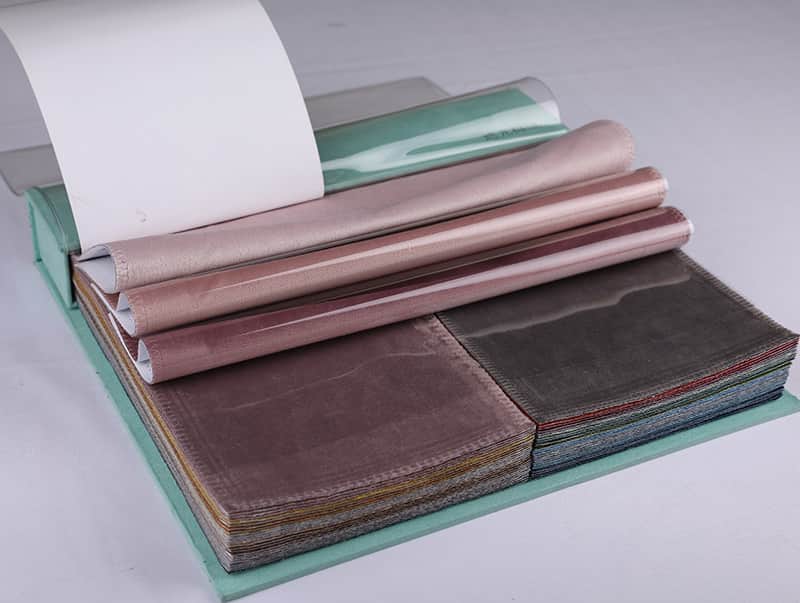
Choosing the Right Velvet Fabric
Selecting the appropriate velvet fabric is critical to achieving both style and functionality. Velvet fabrics vary in pile length, density, and fiber composition, each affecting the curtain’s look, feel, and performance. Common types include cotton velvet, silk velvet, polyester velvet, and blended velvets, each offering distinct advantages for interior décor.
Consider Fiber Composition
Cotton velvet provides a soft, natural finish suitable for casual or classic interiors, while silk velvet delivers a luminous sheen ideal for high-end décor. Polyester velvet is durable, resistant to fading, and often more budget-friendly. Blended velvets combine the best qualities of multiple fibers, balancing durability with visual appeal.
Pile and Texture
Pile length and texture influence how light interacts with the curtain. Short-pile velvet offers a smooth, refined surface, reflecting light subtly for a sophisticated look. Long-pile or crushed velvet creates a dramatic, textured appearance, adding depth and richness to the room.
Styling Tips for Velvet Curtains
Velvet curtains can define the ambiance of a space, complement furniture, and enhance color schemes. Following practical styling principles ensures that the curtains not only look elegant but also harmonize with the overall interior design.
Color Selection
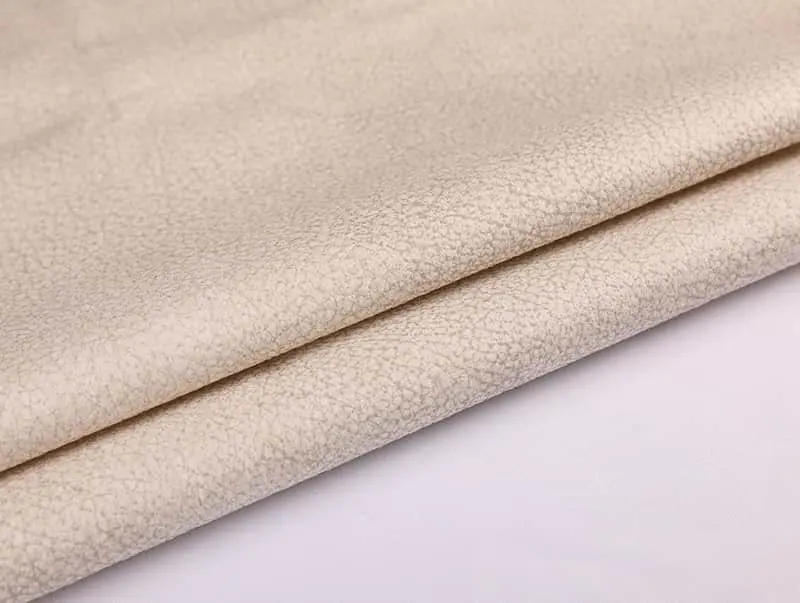
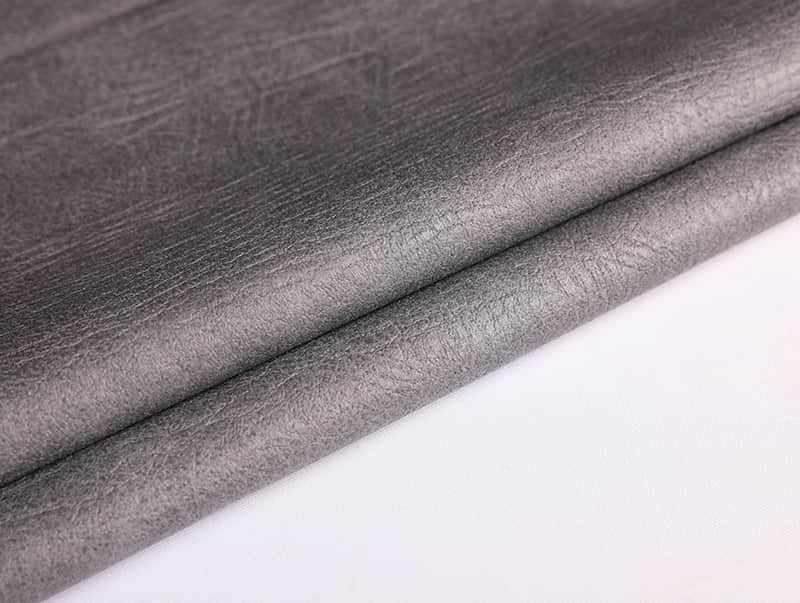
The color of velvet curtains significantly impacts room aesthetics. Deep jewel tones, such as emerald green, sapphire blue, or ruby red, convey luxury and warmth. Neutral shades like beige, taupe, or gray offer subtle sophistication and versatility, pairing well with various décor styles.
Length and Fullness
Curtains should be sized to provide an opulent drape without overwhelming the space. Floor-length curtains create a sense of height and elegance, while slightly puddled hems add a luxurious, relaxed feel. Ensure sufficient fullness—typically 2 to 3 times the width of the window—for smooth folds and rich texture.
Pairing with Other Fabrics
Velvet curtains pair beautifully with lighter sheer fabrics to balance opacity and soften natural light. Layering with linen or cotton sheers adds versatility, allowing the room to maintain brightness while keeping privacy and insulation intact.
Functional Benefits of Velvet Curtains
Velvet curtains are not only visually appealing but also serve practical purposes in interior spaces. They enhance comfort, energy efficiency, and acoustic performance.
Light Control and Privacy
The dense pile of velvet blocks significant light, making these curtains ideal for bedrooms, media rooms, or spaces requiring reduced glare. Their thickness also ensures complete privacy, preventing visibility from outside.
Thermal Insulation
Velvet fabric acts as a thermal barrier, reducing heat loss during winter and limiting heat gain in summer. This property contributes to energy efficiency, helping maintain comfortable indoor temperatures and potentially lowering heating and cooling costs.
Sound Absorption
The thick texture of velvet also dampens ambient noise, making it a practical choice for urban apartments, home theaters, and large living spaces where sound control is important.
Maintenance and Care Tips
Proper maintenance extends the life of velvet curtains while preserving their appearance and texture. Regular care prevents crushing, fading, and dust accumulation.
- Vacuum gently using a brush attachment to remove dust and debris.
- Avoid direct sunlight for prolonged periods to prevent fading.
- Steam lightly to restore pile without damaging fibers.
- Follow manufacturer’s instructions for professional cleaning if needed.
- Rotate panels occasionally to maintain uniform exposure and wear.
Comparing Velvet to Other Curtain Fabrics
Velvet stands out among curtain fabrics for its combination of aesthetics and performance. The table below summarizes key differences:
| Feature | Velvet | Cotton | Linen | Polyester |
| Appearance | Rich and luxurious | Natural and casual | Light and airy | Smooth and versatile |
| Light Control | High | Medium | Low | Medium |
| Thermal Insulation | Excellent | Moderate | Low | Moderate |
| Sound Absorption | High | Low | Low | Medium |
Conclusion
Velvet curtain fabric is an exceptional choice for enhancing both the style and functionality of interior spaces. Its luxurious texture, superior light control, thermal insulation, and sound absorption capabilities make it suitable for a variety of applications. By carefully selecting the type of velvet, considering color, length, and layering options, and maintaining proper care, velvet curtains can transform any room into an elegant, comfortable, and practical environment.