 中文简体
中文简体
 English
 Español
 عربى
عربى
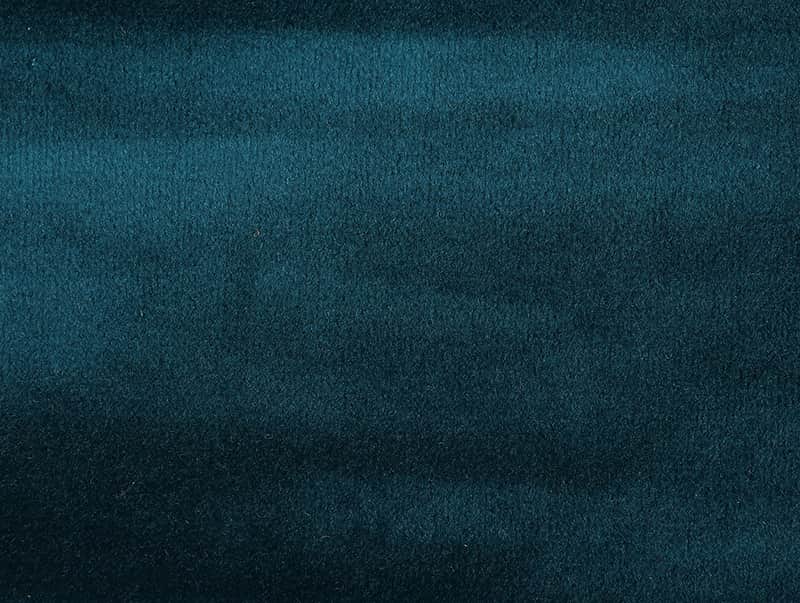
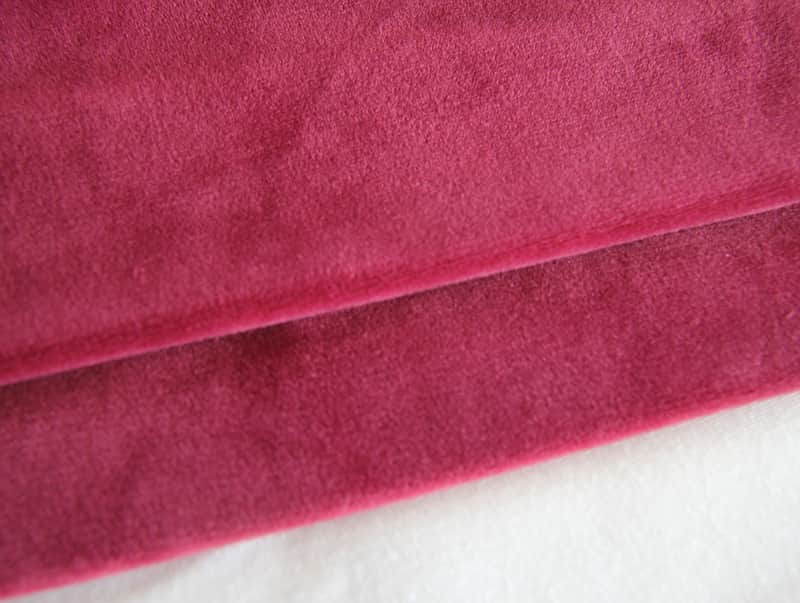
Velvet is a woven fabric defined by its short, dense cut pile — the evenly trimmed loops of fiber that create its signature soft surface and light-shifting depth of color. Velvet is not a fiber itself but a weave structure, and it can be made from silk, cotton, polyester, rayon, or blends of these materials. Understanding what velvet is made from, how different types are produced, and where each variety performs best makes it far easier to choose the right velvet for upholstery, curtains, apparel, or home furnishings.
Content
- 1 What Is Velvet Material? The Fabric Explained
- 2 The Origin of Velvet: A History of Luxury
- 3 Types of Velvet: A Practical Guide to the Main Varieties
- 4 Velvet and Crushed Velvet: What Sets Them Apart
- 5 Velvet Seats and Upholstery: Performance in Practical Use
- 6 Velvet Curtain Material: Choosing and Hanging Correctly
- 7 Synonyms for Velvet and Related Fabric Terms
- 8 Crushed Velvet Blankets: What to Look For
What Is Velvet Material? The Fabric Explained
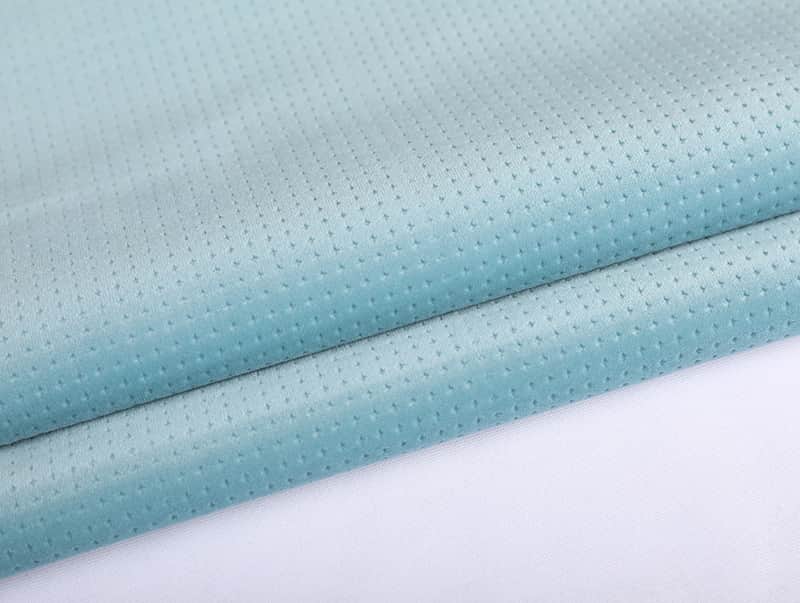
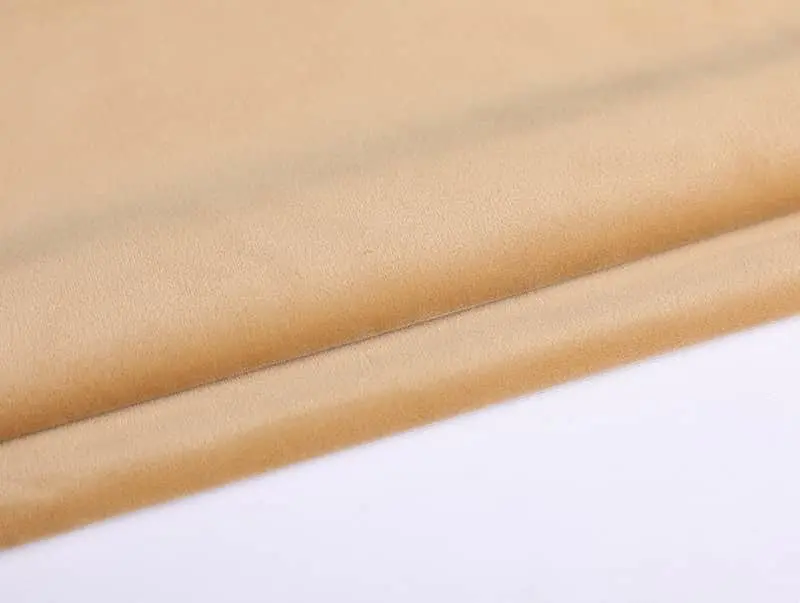
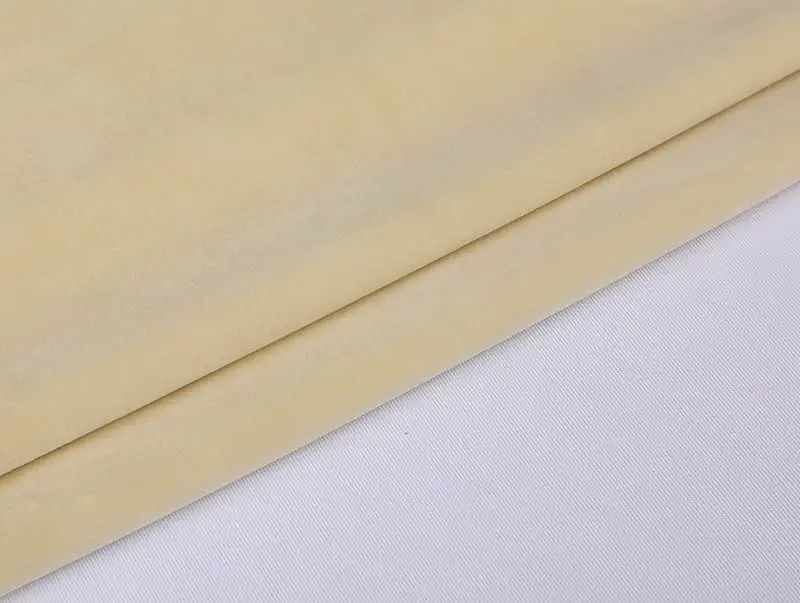
Velvet is a cut-pile woven fabric produced on a specialized loom that weaves two layers of fabric simultaneously, face to face, with pile yarns connecting them. A blade passes between the two layers as they are woven, cutting the connecting pile yarns and producing two separate pieces of velvet, each with an upright, evenly trimmed pile surface. This double-cloth construction is the defining technical feature of true velvet and distinguishes it from plush or fleece fabrics, which are knitted rather than woven.
The pile height of velvet — typically 1.5 to 3mm — determines much of its visual and tactile character. Shorter pile produces a crisper, more formal appearance; longer pile creates a softer, more luxurious drape. The pile also explains velvet's directional quality: running your hand one way produces a darker, richer color as the pile lies flat; running it the other way reveals a lighter tone as the pile stands up and reflects more light. This property, called nap, requires that all pieces of a velvet garment or upholstery project be cut in the same direction to avoid visible color variation.
What Material Is Velvet Made From?
The word "velvet" describes a construction method, not a fiber — which means velvet material fabric can be produced from a wide range of fiber types, each with distinct performance characteristics:
- Silk velvet: The original and most luxurious form. Silk pile produces an exceptionally lustrous, lightweight velvet with deep color saturation. Historically used for royal garments and high-end furnishings, genuine silk velvet is expensive — typically $50–$200 per yard — and delicate, requiring dry cleaning.
- Cotton velvet: Heavier and more matte than silk velvet, with less sheen but excellent durability. Cotton velvet breathes well, making it comfortable for apparel, and its firmer structure holds up well in upholstery applications. It is more affordable than silk at roughly $15–$40 per yard.
- Polyester velvet: The most widely available and affordable velvet material, ranging from $5–$20 per yard. Polyester velvet is durable, colorfast, and resistant to crushing, making it the dominant choice for budget upholstery, curtains, and mass-market fashion. Its sheen is higher than cotton but lacks the depth of silk.
- Rayon (viscose) velvet: Produces a fluid drape and a silk-like sheen at a lower cost than silk. Rayon velvet is frequently used in apparel and theatrical costumes. It is less durable than polyester and prone to water spotting.
- Velvet blends: Many commercial velvets combine fibers — a cotton-polyester blend, for example, offers better durability than pure cotton with reduced cost, while a rayon-silk blend approximates the drape of pure silk at lower price points.
The Origin of Velvet: A History of Luxury
The origin of velvet is traced to the silk-weaving traditions of the Middle East and East Asia, with the earliest surviving examples dating to around the 13th century CE in regions corresponding to modern-day Iraq and Egypt. The technique was carried westward along trade routes, and by the 14th century, Genoa and Venice had become the centers of European velvet production, weaving silk velvet of extraordinary quality for the aristocracy, church, and merchant class.
Velvet's association with power and wealth was not merely aesthetic — it was economic. A single yard of Genoese silk velvet in the 15th century cost the equivalent of several months' wages for a skilled artisan. The complexity of the loom work, the cost of raw silk, and the skill required to maintain even pile height made velvet one of the most labor-intensive textiles in production. Sumptuary laws in England, France, and the Holy Roman Empire explicitly restricted the wearing of velvet to the nobility, reinforcing its status as a marker of rank.
The Industrial Revolution democratized velvet production in the 19th century. Power looms capable of weaving velvet at scale, combined with cheaper cotton and later synthetic fibers, made velvet accessible far beyond the aristocracy. Today, the fabric spans a range from mass-market polyester upholstery velvet to museum-quality hand-woven silk velvets still produced in small workshops in Bursa (Turkey), Lyon (France), and Varanasi (India).
Types of Velvet: A Practical Guide to the Main Varieties
The term "velvet" encompasses a wide family of related fabrics. Knowing the differences between them helps enormously when selecting material for a specific application.
| Type | Construction | Key Characteristic | Common Use |
|---|---|---|---|
| Plain / cut velvet | Even cut pile, woven | Uniform surface, directional nap | Apparel, upholstery, curtains |
| Crushed velvet | Pile pressed in multiple directions | Irregular light reflection, multicolored shimmer | Blankets, fashion, cushions |
| Devore (burnout) velvet | Pile selectively dissolved with acid | Semi-transparent patterned areas | Scarves, evening wear |
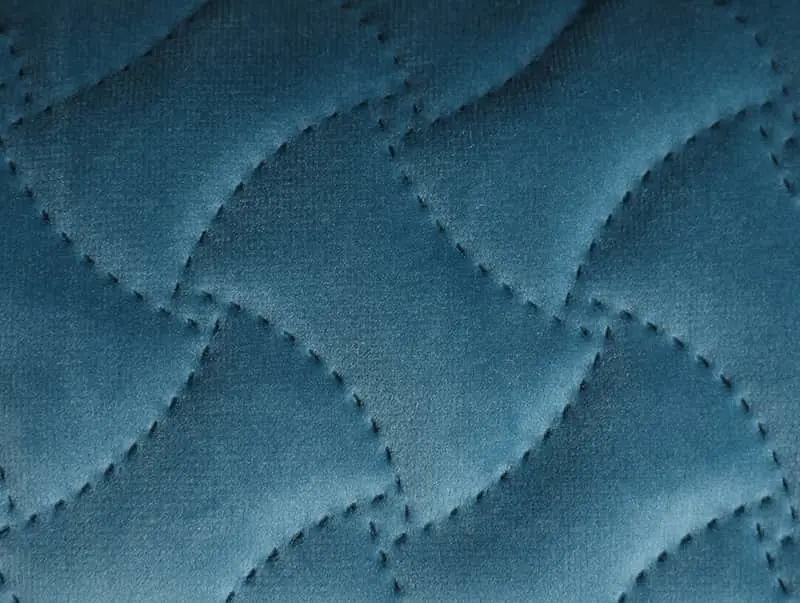
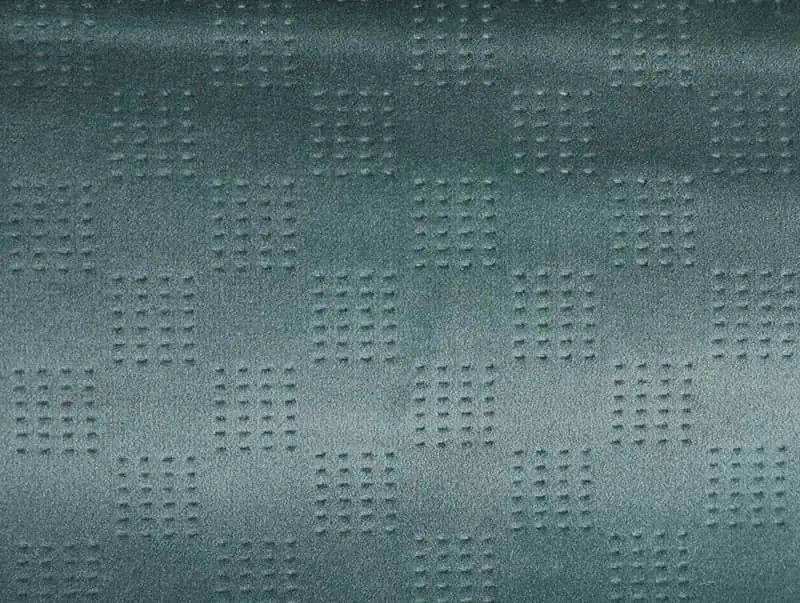
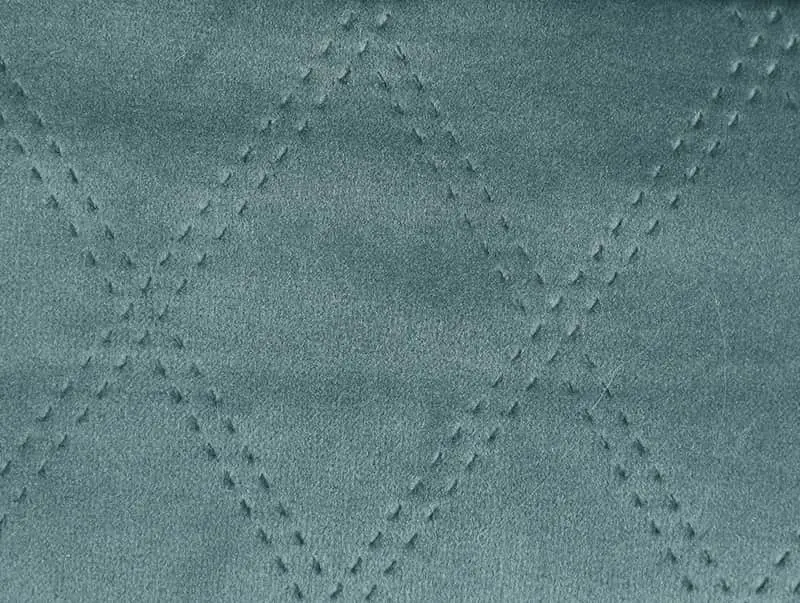
| Embossed velvet | Pile pressed with heated rollers | Raised pattern on surface | Decorative upholstery, curtains |
| Panne velvet | Pile pressed flat in one direction | High sheen, smooth surface | Dancewear, costume, fashion |
| Stretch velvet | Knit backing with spandex content | 4-way stretch, form-fitting | Activewear, fitted garments |
| Velveteen | Cut-pile from filling yarns only | Lower pile, stiffer, more matte | Children's wear, casual apparel |
Velvet vs. Velveteen: An Important Distinction
Velveteen is frequently confused with velvet but is technically a different construction. True velvet is woven with pile yarns in the warp (lengthwise) direction; velveteen is a cotton fabric with pile formed from the filling (weft) yarns. The result is a shorter, denser pile with less drape and luster than true velvet. Velveteen is more affordable, machine-washable, and easier to sew — making it a practical choice for children's clothing and casual use — but it lacks the depth and luminosity of woven velvet.
Velvet and Crushed Velvet: What Sets Them Apart
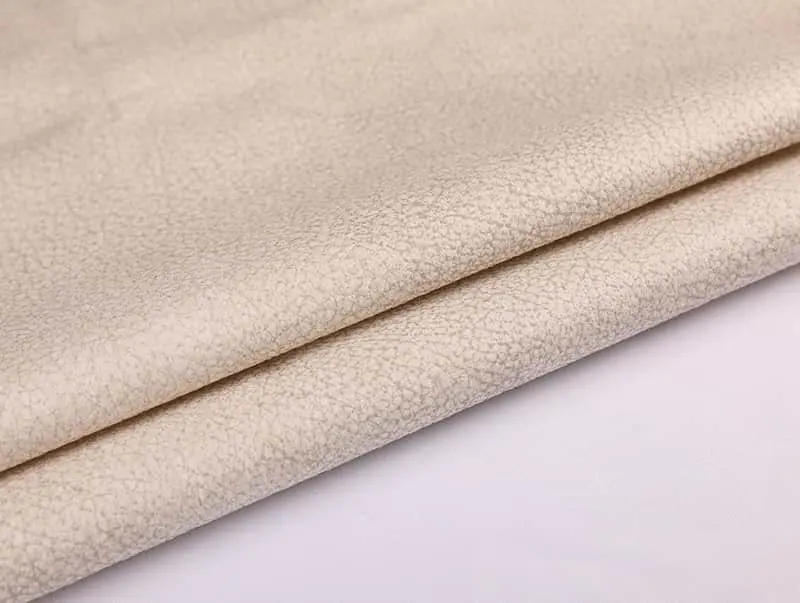
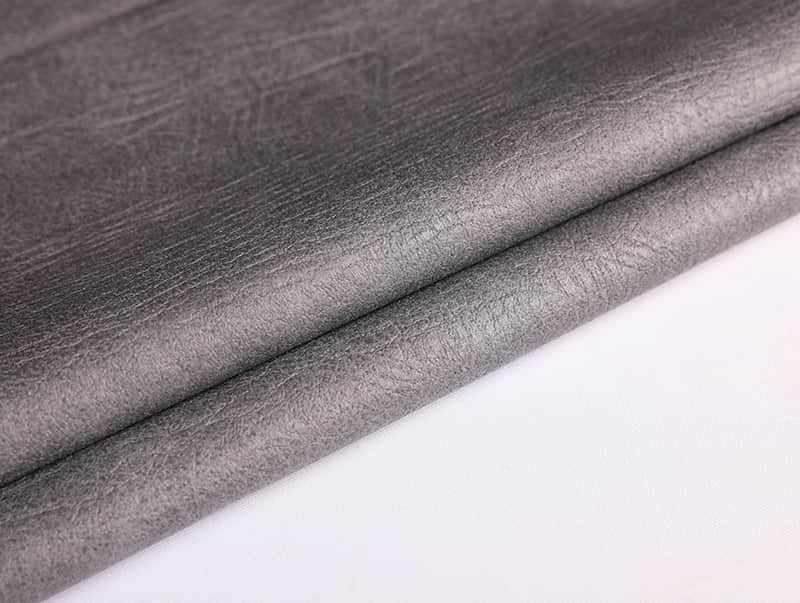
Crushed velvet is produced by mechanically twisting the fabric while wet, or by pressing the pile in multiple directions with rollers, creating a permanently irregular pattern in the nap. Unlike plain velvet, where all pile fibers are oriented uniformly, crushed velvet's multidirectional pile reflects light differently across the fabric surface — producing a shifting, iridescent shimmer that changes with viewing angle and movement.
This visual dynamism makes crushed velvet a popular choice in fashion and home furnishings where visual interest matters: scatter cushions, throws, evening gowns, and decorative upholstery all benefit from the fabric's light-catching quality. Most commercially available crushed velvet blankets and soft furnishings use a polyester pile on a knit backing — a construction that is affordable, machine washable, and resistant to further crushing in use.
A key practical difference: plain velvet is directionally sensitive and must be treated carefully to avoid permanent pile crushing (more on this below), while crushed velvet's intentionally irregular pile makes it far more forgiving in daily use — creases and handling marks are either invisible or part of the intended effect.
Velvet Seats and Upholstery: Performance in Practical Use
Velvet seats — on dining chairs, sofas, headboards, and theater seating — are one of the most popular upholstery applications for the fabric. The pile creates a soft, tactile surface with a rich appearance, and modern upholstery velvets are engineered to perform far better in high-wear applications than the delicate silk velvets of earlier centuries.
For upholstery applications, rub resistance is the critical specification. Measured in double rubs (each "double rub" simulates one back-and-forth movement across the fabric surface), upholstery-grade velvet is typically rated at 30,000–100,000 double rubs for residential use and 100,000+ for commercial or contract applications. Most polyester upholstery velvets comfortably reach 50,000–80,000 double rubs, making them suitable for family sofas and dining chairs that see daily use.
Pile crushing — where the pile fibers flatten permanently under sustained pressure — was a major concern with older velvet upholstery. Modern solution-dyed polyester velvets are engineered with resilient pile fibers that spring back after compression, addressing this historically significant weakness. For high-traffic seat pads, look for upholstery velvet with a high pile density (tighter weave = more pile yarns per square inch = greater resilience) and a rub count above 50,000.
Caring for Velvet Seats
- Vacuum regularly with a soft brush attachment, working in the direction of the pile to remove dust and debris without crushing the fibers.
- For spills, blot immediately with a clean dry cloth — never rub, which pushes liquid deeper into the pile and spreads the stain.
- To revive crushed areas, hold a clothes steamer or kettle spout 2–3 inches from the fabric and allow steam to penetrate the pile, then gently brush the pile upright with a soft bristle brush.
- Avoid direct sunlight, which fades velvet color significantly faster than most other upholstery fabrics due to the pile's light-amplifying structure.
Velvet Curtain Material: Choosing and Hanging Correctly
Velvet curtain material is one of the most effective choices for rooms where thermal insulation, light blocking, and acoustic dampening are priorities. The dense pile structure traps air and absorbs sound far more effectively than woven or printed curtain fabrics, and the weight of velvet (typically 350–600 gsm for curtain-weight fabric) creates the substantial drape that falls in elegant, clean folds.
Cotton and polyester velvets are the dominant choices for curtain applications. Cotton velvet has a slightly more refined, matte appearance but is heavier and more prone to fading in direct sunlight. Polyester velvet is more resistant to UV degradation, holds color well, and is available in a wider range of pile heights and finishes. For blackout performance, velvet curtains typically need to be lined — the pile alone does not fully block light, particularly around edges and at the top of the rod.
When hanging velvet curtains, all panels must be cut and hung with the pile running in the same direction — typically pile-down (running from top to bottom), which catches light consistently and prevents adjacent panels from appearing different colors. Use rod pockets, pinch pleat tape, or eyelet headers rather than clip rings where possible, as clip rings can create permanent impressions in the pile at the heading.
Synonyms for Velvet and Related Fabric Terms
Velvet has accumulated a range of related terms across trade, fashion, and everyday language that are worth understanding — both for accurate specification and to avoid confusing genuinely different fabrics.
- Plush: The closest common synonym in everyday use. Technically, plush is a cut-pile fabric with a longer pile than standard velvet (typically 3mm or more) and is usually knitted rather than woven. Used widely in stuffed toys, throws, and casual furnishings.
- Velour: A knitted fabric with a similar surface appearance to velvet but produced by a completely different manufacturing process. Velour is stretchier and less formal than woven velvet and is common in casualwear and upholstery.
- Mohair: Sometimes described as a velvet-like fabric when woven with a cut pile, though mohair refers specifically to fiber from the Angora goat. Mohair upholstery velvet is highly durable and has a characteristic lustrous sheen.
- Brocatelle / Jacquard velvet: Velvet with a woven pattern rather than a uniform pile, created by varying cut and uncut loops on a Jacquard loom. Often described as "figured velvet" in trade terminology.
- Ciselé: A historical term for cut-and-uncut pile velvet — areas of cut pile (which appear matte and absorb light) contrast with uncut looped pile (which appears shiny), creating a two-tone pattern without dyeing.
Crushed Velvet Blankets: What to Look For
The crushed velvet blanket is one of the most popular contemporary home textile products — widely sold in bedding, home décor, and gift categories for its combination of softness, visual appeal, and affordable price. Most crushed velvet blankets on the market are constructed from a 100% polyester pile on a knit polyester backing, which gives them their plush feel, machine-washability, and resistance to further distortion in use.
When evaluating a crushed velvet blanket, the key specifications to consider are:
- GSM (grams per square meter): Heavier blankets (300–500 gsm) have a denser, more substantial feel and better thermal performance. Lighter blankets (150–250 gsm) are more appropriate as decorative throws rather than primary bedding.
- Pile height: Longer pile (4–6mm) creates a plusher, more tactile surface; shorter pile (2–3mm) is more durable in frequent wash-and-dry cycles.
- Colorfastness: Cheap crushed velvet blankets can bleed color significantly in the first wash. Check for colorfastness ratings or wash separately on first use.
- Care instructions: Most polyester crushed velvet blankets are machine washable on a cold or warm gentle cycle. Avoid high dryer heat, which can melt polyester pile fibers and permanently damage the texture — air drying or a low-heat tumble is preferable.