 中文简体
中文简体
 English
 Español
 عربى
عربى
Velvet fabric has captivated interior designers and homeowners for centuries with its distinctive texture, rich appearance, and luxurious feel. This versatile material brings depth, warmth, and sophistication to furniture upholstery, drapery, and decorative accents throughout residential and commercial spaces. Understanding velvet's unique characteristics, the various types available, and best practices for incorporating this sumptuous fabric into interior design enables informed decisions when selecting materials for sofas, chairs, and other furnishings.
The appeal of velvet extends beyond its visual and tactile qualities to include practical considerations such as durability, maintenance requirements, and compatibility with different design styles. From traditional pile velvet to modern performance fabrics, contemporary velvet options accommodate diverse aesthetic preferences and functional needs. This comprehensive guide explores velvet fabric types, applications in furniture and interior design, care techniques, and strategies for successfully incorporating this classic material into today's living spaces.
Content
Understanding Velvet Fabric Construction and Characteristics
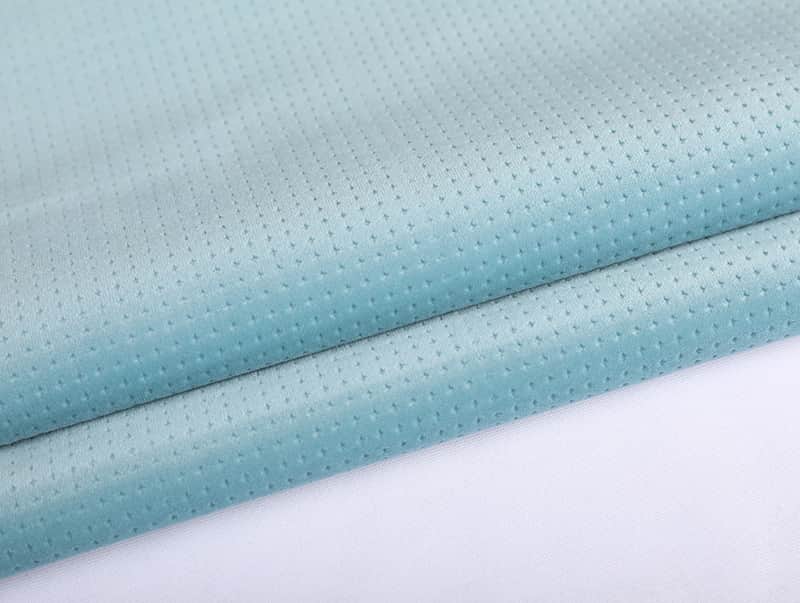
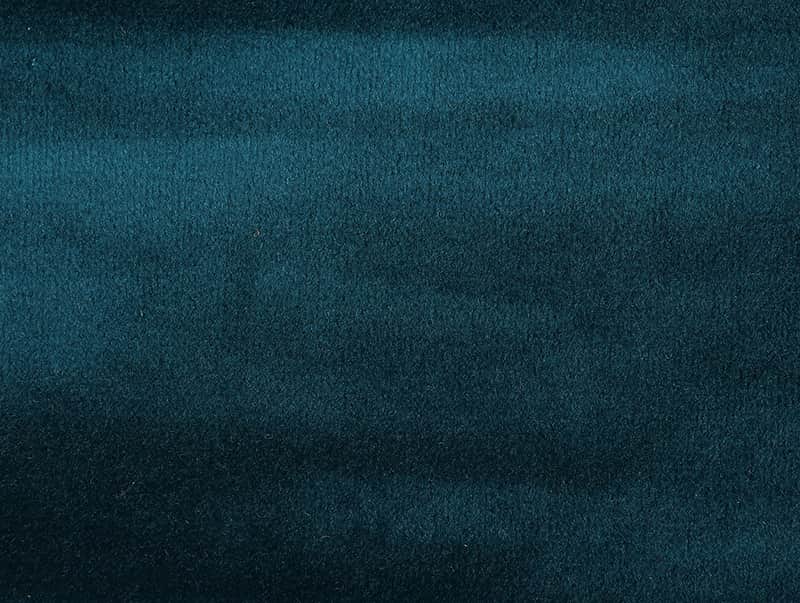
Velvet fabric distinguishes itself through a unique construction method creating its signature soft, dense pile surface. The fabric is woven on a special loom that simultaneously creates two layers of material connected by vertical threads. When these connecting threads are cut, two separate pieces of velvet are produced, each with a surface of upright fiber ends creating the characteristic plush texture. This construction method, combined with fiber content and finishing processes, determines the fabric's appearance, durability, and performance characteristics.
Velvet Fabric Texture and Pile
The pile refers to the cut fiber ends standing vertically from the base fabric, creating velvet's soft surface. Pile density, height, and fiber composition significantly influence the fabric's appearance and feel. Dense, tightly packed pile creates smoother, more uniform surfaces that reflect light evenly and resist crushing. Lower density pile may appear less uniform and show wear patterns more readily. Pile height typically ranges from 2-5 millimeters, with shorter pile providing greater durability and crush resistance, while longer pile offers enhanced softness and visual depth.
The directional nature of velvet pile creates varying appearances depending on viewing angle and light direction. When pile fibers lean in one direction, light reflects differently than when they lean another way, causing the fabric to appear lighter or darker from different perspectives. This characteristic, called shading or pile direction variation, contributes to velvet's dynamic visual appeal but requires consideration during upholstery installation to ensure consistent appearance across furniture pieces.
Fiber Content and Performance
Silk velvet represents the most luxurious and expensive option, featuring exceptional softness, beautiful luster, and rich color depth. The natural protein fibers create unparalleled drape and hand feel, though silk velvet requires delicate care and suits low-traffic decorative applications better than heavy-use upholstery. Cotton velvet offers natural fiber benefits including breathability and comfort at more accessible price points than silk. Cotton velvet typically shows moderate durability and may develop pile crush over time with regular use, making it suitable for occasional-use furniture or decorative pillows.
Synthetic fiber velvets, particularly those using polyester or nylon, provide enhanced durability, stain resistance, and easier care compared to natural fiber options. Modern performance velvets combine synthetic fibers with advanced finishing treatments, creating fabrics that resist staining, fading, and abrasion while maintaining velvet's luxurious appearance. These engineered fabrics often incorporate moisture-wicking properties, antimicrobial treatments, and UV resistance, making them practical choices for high-traffic furniture and family-friendly environments.
Blended velvets combine natural and synthetic fibers, balancing the aesthetic qualities of materials like cotton or silk with the practical performance of polyester. Common blends include cotton-polyester and viscose-polyester combinations offering improved durability over pure natural fibers while retaining much of their visual appeal and comfort. The specific blend ratio affects performance characteristics, with higher synthetic content generally increasing durability and ease of care.
Types of Velvet Material
Various velvet types have been developed to suit different applications, aesthetic preferences, and performance requirements. Understanding the distinctions between velvet varieties helps match fabric characteristics to intended uses and design objectives.
Traditional Pile Velvet
Classic pile velvet features uniform, densely packed vertical fibers creating smooth, even surfaces with rich color saturation and characteristic sheen. This traditional construction produces the quintessential velvet appearance associated with luxury and elegance. Pile velvet works well for formal furniture upholstery, drapery, and decorative applications where its refined appearance enhances sophisticated interiors. The fabric's density and construction quality significantly influence durability and resistance to pile crushing from regular use.
Crushed or Panne Velvet
Crushed velvet undergoes a finishing process that permanently flattens pile fibers in random directions, creating textured surfaces with varied light reflection and dimensional appearance. The crushing can be achieved through heat, pressure, or twisting during manufacturing, resulting in fabric with irregular sheen patterns and vintage-inspired character. This treatment adds visual interest and helps disguise wear patterns that might be more apparent on smooth pile velvet. Crushed velvet suits eclectic, bohemian, or vintage-inspired interiors where its distinctive texture contributes to layered, collected aesthetics.
Velveteen Fabric
Velveteen differs from true velvet in its construction method, being woven with a plain weave base rather than the double-cloth technique used for velvet. The pile is created by cutting supplementary weft threads rather than warp threads, resulting in shorter, denser pile that lies closer to the base fabric. Velveteen typically costs less than traditional velvet and offers greater durability due to its construction, making it practical for children's clothing, casual upholstery, and craft projects. The fabric generally shows less pronounced sheen than classic velvet and exhibits different draping characteristics.
Corduroy and Wide-Wale Velvet
Corduroy represents a velvet variant featuring distinct vertical ridges or wales created by cutting pile threads in specific patterns. While traditional corduroy shows narrow, closely spaced wales, wide-wale varieties with broader spacing create more pronounced texture similar to ribbed velvet. These fabrics combine velvet's softness with additional visual and tactile interest from the ridge patterns. Corduroy upholstery offers casual, comfortable aesthetics appropriate for family rooms, dens, and relaxed living spaces while providing good durability for regular use.
Embossed and Patterned Velvet
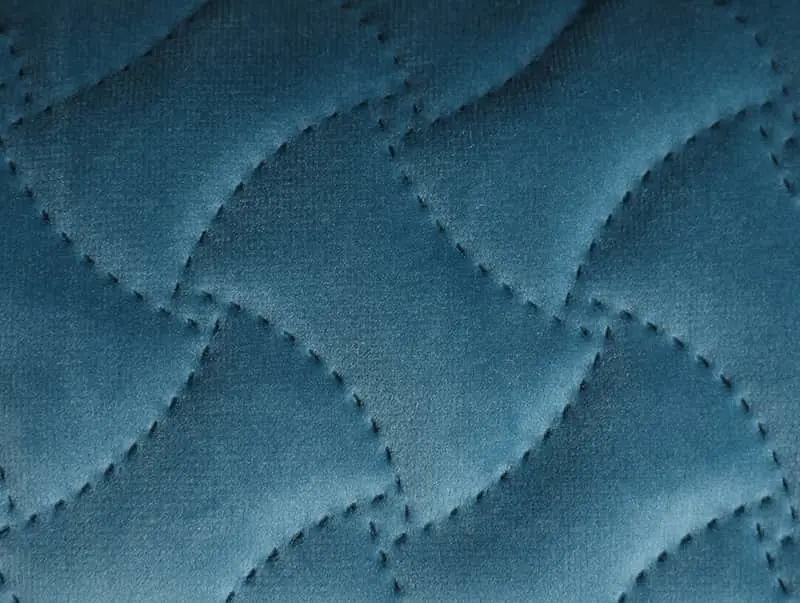
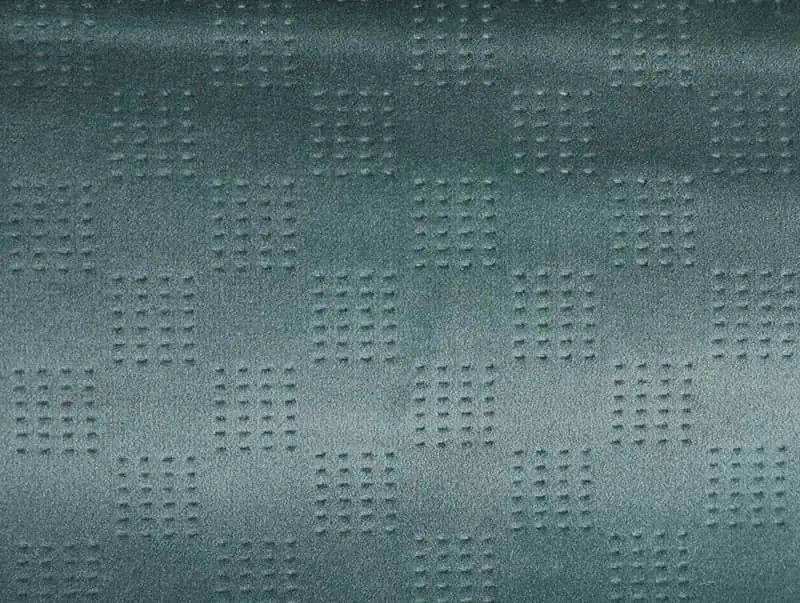
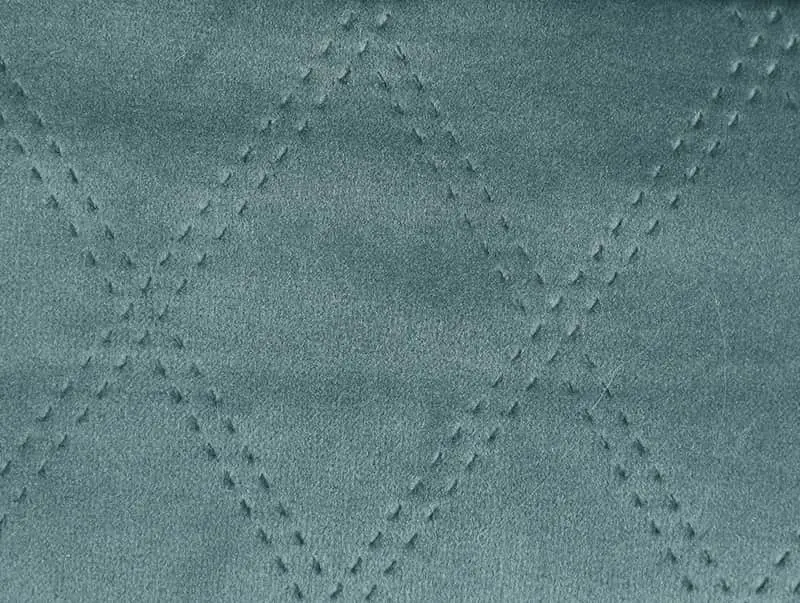
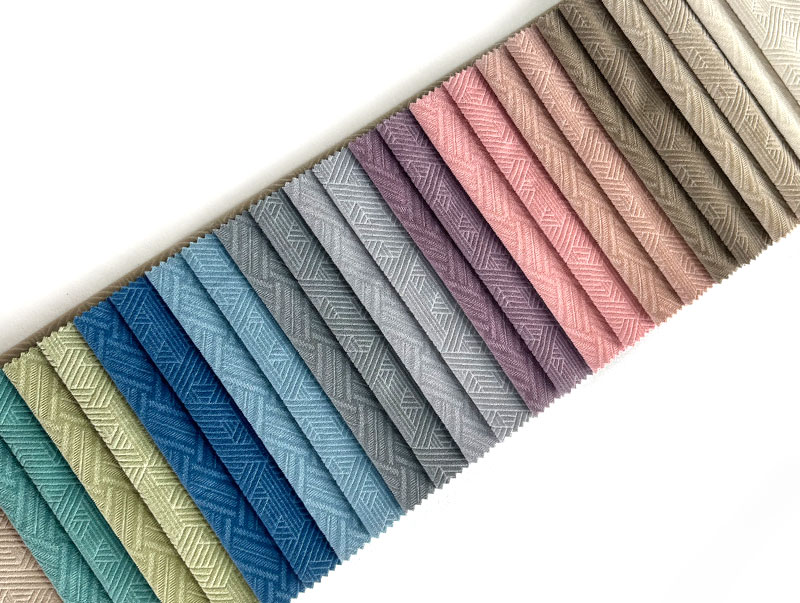
Patterned velvet incorporates designs through several methods including embossing, where heat and pressure create permanent patterns in the pile; devoré, where chemical treatments selectively dissolve pile fibers to create sheer patterns against velvet backgrounds; and jacquard weaving, which produces intricate patterns through varied pile heights and textures. These decorative velvets add visual complexity and can incorporate florals, geometrics, damask patterns, or custom designs. Patterned upholstery velvet works particularly well for statement furniture pieces, accent chairs, or formal settings where enhanced ornamentation complements the overall design scheme.
Performance and Stain-Resistant Velvet
Modern performance velvets incorporate advanced fiber technology and finishing treatments specifically engineered for upholstery applications requiring enhanced durability and stain resistance. These fabrics often use solution-dyed synthetic fibers where color is integrated during fiber production rather than applied later, resulting in superior colorfastness and fade resistance. Additional treatments may include stain-repellent coatings, antimicrobial properties, and moisture barriers protecting against spills and everyday wear. Performance velvets maintain traditional velvet aesthetics while offering practical benefits suitable for high-traffic homes, commercial applications, and families with children or pets.
| Velvet Type | Characteristics | Best Applications | Durability |
| Silk Velvet | Luxurious sheen, soft hand, rich colors | Decorative pillows, drapery, low-traffic furniture | Low to moderate |
| Cotton Velvet | Natural feel, breathable, moderate sheen | Casual furniture, accent pieces, bedding | Moderate |
| Synthetic Velvet | Durable, stain-resistant, easy care | High-traffic sofas, dining chairs, family furniture | High |
| Crushed Velvet | Textured surface, vintage appeal, varied sheen | Eclectic interiors, accent furniture, drapery | Moderate to high |
| Performance Velvet | Stain-resistant, fade-proof, family-friendly | All upholstery, commercial spaces, pet-friendly homes | Very high |
Velvet Fabric for Sofas and Upholstery
Selecting velvet for sofa upholstery requires balancing aesthetic desires with practical considerations including durability, maintenance requirements, and intended use patterns. Understanding fabric specifications and performance characteristics ensures velvet furniture meets both design objectives and functional needs.
Choosing Velvet Fabric for Sofas
Sofa fabric must withstand regular use, potential spills, and friction from clothing and body contact. Performance ratings help evaluate suitability for upholstery applications. The Martindale abrasion test measures fabric durability by subjecting it to repeated rubbing, with results expressed as the number of rubs before visible wear occurs. Residential upholstery velvet should rate at least 15,000-20,000 Martindale rubs for moderate use, while high-traffic sofas benefit from fabrics rated 30,000-40,000 rubs or higher. Commercial applications may require even greater durability ratings.
Pile density and construction quality significantly influence upholstery performance. Densely woven velvet with substantial pile weight resists crushing and maintains appearance better than loosely constructed alternatives. Examine fabric samples by compressing the pile with your fingers—high-quality upholstery velvet springs back quickly, while inferior fabrics remain compressed or recover slowly. The base fabric's strength also matters, as weak foundations lead to sagging and deformation regardless of pile quality.
Velvet Finish Options for Sofas
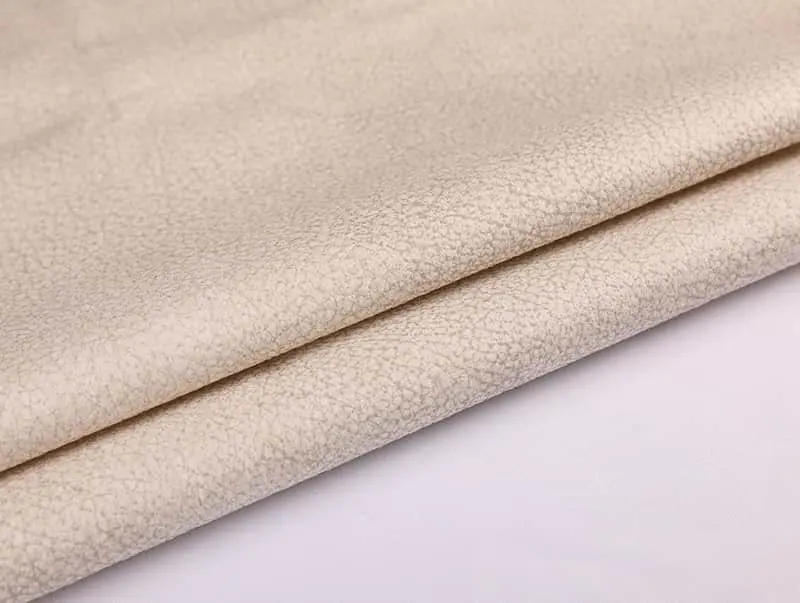
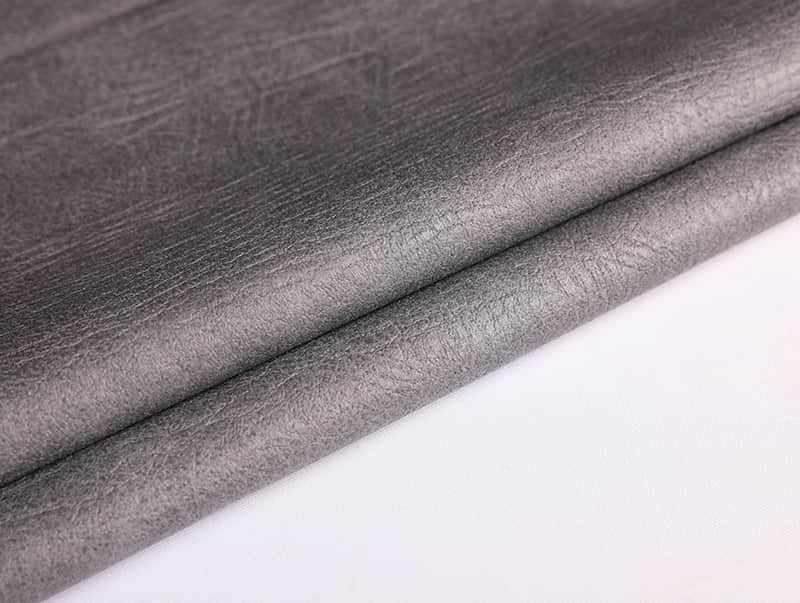
Velvet finish refers to surface treatments and construction variations affecting appearance and performance. Smooth pile finishes create uniform, classic velvet aesthetics with consistent sheen and color saturation. These finishes suit traditional, formal, and contemporary minimalist interiors where clean lines and refined surfaces enhance the overall design. Distressed velvet upholstery fabric undergoes treatments creating intentionally aged, vintage appearances through varied pile heights, irregular crushing, or color variations suggesting wear and patina. This finish works well in industrial, rustic, or eclectic spaces where imperfect, lived-in aesthetics are desired.
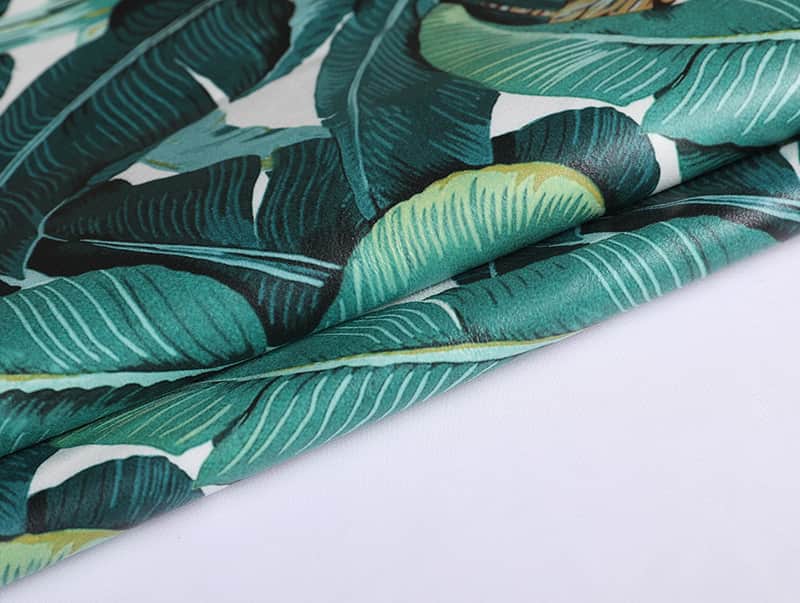
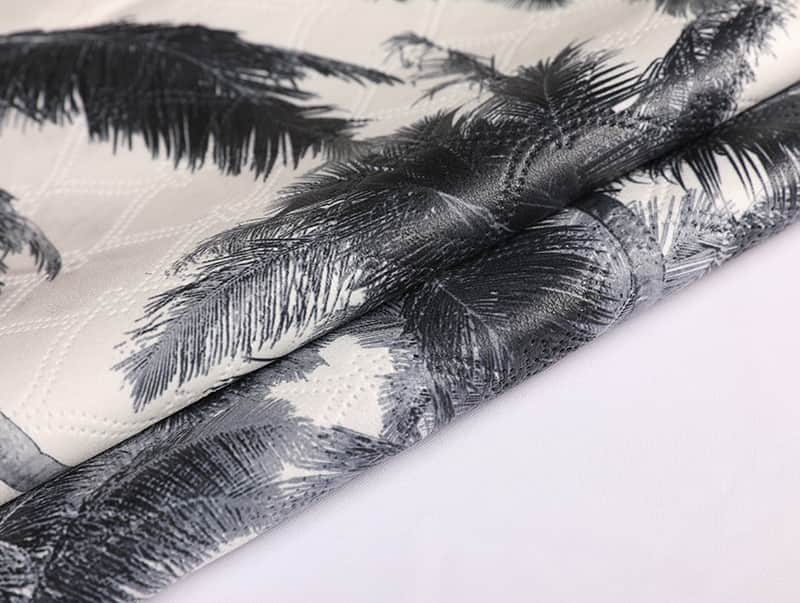
Brushed velvet features pile fibers that have been mechanically combed or brushed to create slightly irregular, softly textured surfaces. This treatment enhances the fabric's casual, comfortable character while helping disguise minor wear and pile direction variations. Printed velvet material incorporates surface-applied patterns and designs through digital or screen printing processes. Unlike woven patterns, printed designs sit on top of the pile and may wear over time with heavy use, making them better suited for decorative applications or low-traffic furniture pieces.
Color Selection and Light Interaction
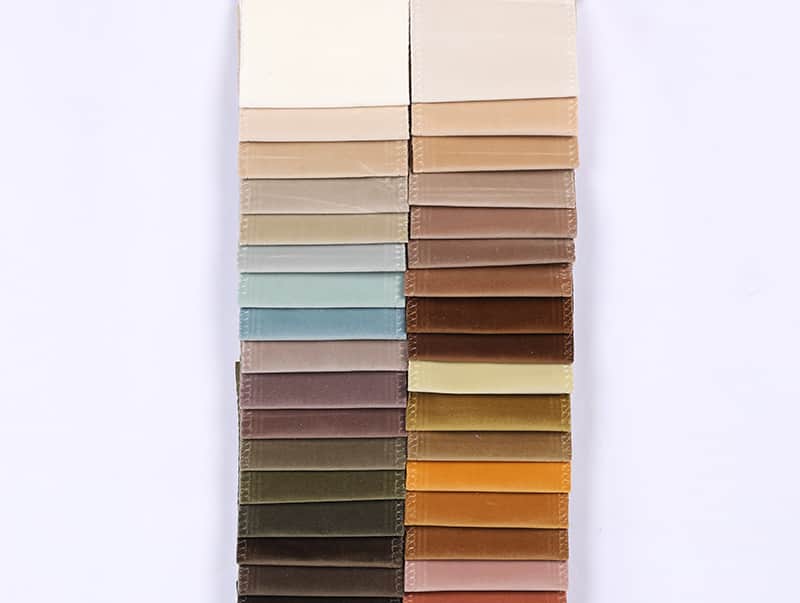
Velvet's pile structure creates unique color characteristics compared to flat-weave fabrics. The vertical fibers absorb and reflect light differently based on viewing angle, causing colors to appear richer and more dimensional. Deep, saturated hues like jewel tones—emerald, sapphire, ruby, amethyst—showcase velvet's light-playing properties beautifully, creating furniture that serves as focal points within rooms. These intense colors work particularly well in spaces with good natural light where the fabric's changing appearance throughout the day adds visual interest.
Lighter velvet colors including blush, dove gray, cream, and soft pastels offer sophisticated alternatives to bold jewel tones while still displaying velvet's characteristic depth. Pale velvets require more careful maintenance to prevent visible soiling but create airy, elegant atmospheres in living spaces. Neutral velvets in charcoal, taupe, navy, or warm grays provide versatile options that coordinate with various color schemes while adding textural interest and subtle luxury to furniture pieces.
Patterned Velvet Upholstery
Patterned upholstery velvet adds visual complexity and can disguise wear better than solid colors. Jacquard-woven patterns created through varied pile heights produce sophisticated damasks, florals, and geometric designs with subtle tonal variations. These woven patterns are integral to the fabric structure, ensuring durability equal to the base velvet. Printed velvet upholstery features surface-applied designs ranging from delicate botanicals to bold graphics, offering greater design flexibility than woven patterns though potentially less durability in high-wear areas.
When selecting patterned velvet for sofas, consider scale in relation to furniture size. Large-scale patterns work well on substantial sofas and sectionals where the full design can be appreciated, while small-scale patterns suit accent chairs and compact furniture. The pattern should complement rather than compete with other design elements in the room. Mixing patterned velvet upholstery with solid companion fabrics creates balanced, layered interiors without overwhelming visual complexity.
Decorating with Velvet in Interior Design
Incorporating velvet into interior spaces requires thoughtful consideration of texture mixing, color coordination, and appropriate application to create cohesive, sophisticated environments. Velvet's luxurious character enhances various design styles when used strategically.
What Materials Go with Velvet
Velvet pairs beautifully with materials offering contrasting textures, creating dynamic, layered interiors with visual and tactile interest. Natural materials including wood, stone, and leather provide organic counterpoints to velvet's refined softness. Rich wood tones in walnut, mahogany, or oak complement velvet upholstery through warm color harmonies and textural contrast between smooth pile and wood grain. Stone elements such as marble coffee tables, slate fireplace surrounds, or granite countertops offer cool, hard surfaces that emphasize velvet's warmth and softness by comparison.
Leather furniture and accessories create sophisticated pairings with velvet through their shared luxury associations and complementary tactile qualities. Leather's smooth, cool surface contrasts with velvet's soft pile while maintaining visual cohesion through similar sheen levels. This combination works particularly well in traditional and transitional interiors where both materials' classic appeal enhances refined aesthetics. Mixing leather and velvet furniture pieces—perhaps a leather sofa paired with velvet accent chairs—adds variety while maintaining upscale character.
Metallic finishes in brass, gold, chrome, or bronze complement velvet through shared reflective properties and elegant character. Metal table legs supporting velvet upholstered seating, brass lighting fixtures above velvet sofas, or gold-framed mirrors reflecting velvet furniture create harmonious compositions emphasizing luxury and refinement. The metals' hardness and shine provide textural contrast while their polished surfaces echo velvet's subtle sheen.
What Fabrics Go with Velvet
Combining multiple fabric types within a room adds textural variety and visual interest while preventing monotony. Linen offers an excellent companion to velvet through its natural, slightly irregular texture and matte finish contrasting with velvet's smooth pile and sheen. Linen's casual character balances velvet's formality, making spaces feel approachable rather than overly precious. Consider linen drapery paired with velvet upholstery, or linen accent pillows on velvet sofas to achieve this balanced combination.
Silk fabrics including dupioni, taffeta, and raw silk create luxurious pairings with velvet while offering different textural experiences. Silk's fluid drape and lustrous sheen complement velvet's structured pile and subtle shine, creating cohesive yet varied sophisticated interiors. This combination works particularly well in formal living rooms, master bedrooms, and elegant dining spaces where enhanced luxury is desired. Use silk for drapery, accent pillows, or decorative throws alongside velvet upholstered furniture.
Cotton and linen blends provide practical, washable options that pair well with velvet in casual or family-friendly spaces. These natural-fiber fabrics offer comfortable, breathable qualities and relaxed aesthetics that prevent velvet from appearing too formal. Cotton-blend pillows, throws, and area rugs ground velvet furniture pieces while maintaining visual cohesion through complementary colors and compatible scale patterns. The combination creates inviting, livable spaces that feel curated rather than stiff.
Velvet in Different Design Styles
Traditional interiors embrace velvet naturally, as the fabric's historical associations with luxury and formality align perfectly with classic design principles. Rich jewel-tone velvets in emerald, sapphire, or burgundy upholster wing chairs, Chesterfield sofas, and tufted ottomans, creating elegant, sophisticated spaces. Combine traditional velvet furniture with Oriental rugs, oil paintings, crystal chandeliers, and carved wood pieces for cohesive period-appropriate rooms.
Modern and contemporary spaces incorporate velvet through streamlined silhouettes and edited color palettes. Clean-lined sofas, geometric accent chairs, and minimalist ottomans upholstered in neutral velvets—charcoal, dove gray, taupe—add textural interest without disrupting contemporary aesthetics. Pair modern velvet furniture with glass and metal tables, abstract art, and minimal accessories for sophisticated, uncluttered environments where texture provides primary visual interest.
Eclectic and bohemian interiors use velvet to add luxurious counterpoints to vintage, global, and handmade elements. Crushed velvet in rich colors, patterned velvet pillows, and mix-and-match velvet seating pieces create layered, collected looks. Combine velvet with kilim rugs, macramé wall hangings, rattan furniture, and global textiles for rooms that feel personal, traveled, and curated over time rather than matching or coordinated.
Velvet Application Guidelines
Strategic velvet placement maximizes impact while maintaining balance within rooms. Using velvet for primary seating pieces like sofas creates strong focal points and establishes luxurious tones for entire spaces. This approach works well when velvet coordinates with room color schemes and complements other materials present. For more subtle velvet incorporation, reserve the fabric for accent pieces including chairs, ottomans, or window seats. This measured approach introduces velvet's textural interest without dominating rooms or overwhelming other design elements.
Decorative accessories offer low-commitment ways to test velvet in spaces before larger furniture investments. Velvet throw pillows, bolsters, and cushions add softness and color to existing seating while being easily changed seasonally or as tastes evolve. Velvet drapery panels create dramatic window treatments that filter light beautifully while adding warmth and sound absorption. Velvet table runners, decorative boxes, and picture frames bring small touches of luxury to surfaces and vignettes throughout rooms.
Caring for Velvet Fabric and Furniture
Proper maintenance preserves velvet's appearance and extends furniture lifespan. Understanding appropriate cleaning methods and preventive care techniques protects velvet investments and maintains their beauty through years of use.
Regular Velvet Maintenance
Routine vacuuming prevents dust and debris accumulation that can dull velvet's appearance and contribute to premature wear. Use upholstery attachments with soft bristles, vacuuming in the direction of the pile to avoid disrupting fibers or creating unintended pile direction changes. Weekly vacuuming suffices for most velvet furniture, with increased frequency for high-traffic pieces or homes with pets. Avoid excessive pressure during vacuuming, as aggressive suction or stiff brush attachments can damage delicate pile fibers.
Brushing velvet periodically with soft-bristle upholstery brushes maintains pile direction consistency and refreshes the fabric's appearance. Brush gently in the direction of the pile, using light strokes that lift and align fibers without forcing them against their natural lay. This technique proves particularly effective for reviving crushed areas from regular use, helping velvet maintain uniform appearance across entire furniture pieces. Some velvets benefit from occasional steaming, which relaxes pile fibers and removes minor wrinkles or compression marks. Hold steamers several inches from fabric surfaces, allowing steam to penetrate without saturating the material.
Stain Removal and Spot Cleaning
Address spills immediately to prevent permanent staining, blotting liquids gently with clean, absorbent cloths rather than rubbing, which can spread stains and damage pile fibers. For water-based spills, blot thoroughly and allow areas to air dry completely. Oil-based stains require specialized treatment—apply small amounts of mild upholstery cleaner specifically formulated for velvet, testing in inconspicuous areas first to ensure colorfastness and pile compatibility. Work cleaners gently into affected areas using soft cloths or brushes, then blot clean with damp cloths and allow complete drying.
Avoid common cleaning mistakes that can permanently damage velvet. Never saturate velvet with water or cleaning solutions, as excessive moisture can cause water marks, shrinkage, or pile distortion. Don't use harsh chemicals, bleach, or abrasive cleaners that may discolor or damage fibers. Avoid heat sources like hair dryers or direct sunlight for drying, which can set stains or fade colors. When home cleaning proves insufficient for stubborn stains or general deep cleaning needs, professional upholstery cleaning services have specialized equipment and expertise for safely cleaning velvet furniture without damage.
Protecting Velvet from Damage
Position velvet furniture away from direct sunlight, which fades colors and weakens fibers over time. Use window treatments to filter harsh light or rotate furniture periodically to ensure even exposure and aging. Maintain consistent humidity levels in rooms with velvet furniture, as excessive moisture can encourage mildew growth while very dry conditions make fibers brittle. Ideal humidity ranges from 40-60% year-round.
Rotate cushions regularly on velvet sofas and chairs to distribute wear evenly across all surfaces. This practice prevents some areas from showing significantly more wear than others, extending furniture's attractive appearance. Apply fabric protector sprays designed for velvet to create invisible barriers resisting spills and staining. These treatments prove particularly valuable for light-colored velvets or furniture in high-use areas, though they require reapplication periodically as manufacturers recommend.
Dyeing and Customizing Velvet Fabric
Dyeing velvet fabric enables color customization for specific design needs or refreshing faded upholstery. Understanding the process and limitations ensures successful results while protecting fabric integrity.
Velvet Dyeing Considerations
Fiber content determines dyeing feasibility and appropriate dye types. Natural fiber velvets including silk, cotton, and rayon accept fiber-reactive or acid dyes readily, producing rich, permanent colors. Synthetic velvets made from polyester or nylon require disperse dyes and high-heat setting processes that may damage pile structure or cause shrinkage. Blended velvets present challenges as different fibers accept dyes differently, potentially resulting in heathered or uneven color results rather than solid hues.
Professional dyeing services offer the safest approach for valuable velvet items or large furniture pieces, as they have specialized equipment maintaining consistent dye temperatures and controlled processing conditions. Home dyeing works for small projects like pillow covers or yardage intended for crafts, though achieving professional-quality results requires careful attention to dye selection, temperature control, and processing times. Always test dye on fabric scraps before committing to full projects, as results vary based on original fabric color, fiber content, and dye formulation.
Printing on Velvet Fabric
Printing techniques add custom patterns and designs to velvet fabric. Screen printing applies ink or dye through mesh screens onto velvet surfaces, creating sharp, opaque designs suitable for graphics and bold patterns. The process requires specialized inks that won't stiffen pile fibers excessively or crack with flexing. Digital printing offers greater design flexibility, reproducing photographic images and complex patterns with multiple colors through inkjet-style application. Digital printing on velvet produces softer hand feel than screen printing but may show less color intensity on darker base fabrics.
Heat transfer printing uses heat and pressure to transfer designs from carrier papers onto velvet surfaces. This method works well for custom one-off projects and small production runs but may compress pile fibers in design areas, creating slight texture differences between printed and unprinted regions. Regardless of printing method selected, working with experienced textile printers familiar with velvet's unique characteristics ensures best results and minimizes risks of pile damage or color migration.
Selecting Velvet for Specific Applications
Different velvet applications have unique requirements influencing appropriate fabric selection. Matching velvet characteristics to intended uses ensures satisfaction with both appearance and performance.
Velvet for High-Traffic Furniture
Sofas and chairs in family rooms, living rooms, and other heavily used spaces require durable velvet fabrics that maintain appearance despite regular use. Performance velvets with high Martindale ratings (30,000+ double rubs) provide necessary durability while maintaining velvet aesthetics. Look for solution-dyed synthetic fibers offering superior colorfastness and stain resistance. Darker colors and patterned velvets disguise wear and minor soiling better than light solid colors, extending the period between necessary cleaning and extending attractive appearance.
Velvet for Decorative Pieces
Accent chairs, decorative pillows, and occasional furniture experiencing light use can utilize more delicate velvets prioritizing beauty over durability. Silk velvets, lightweight cotton velvets, and specialty finishes appropriate for decorative applications create stunning visual impacts without demanding the performance characteristics necessary for daily-use furniture. These applications allow exploration of luxurious options and special treatments that might prove impractical for heavily trafficked pieces.
Velvet for Drapery and Window Treatments
Velvet drapery adds warmth, sound absorption, and light control while creating elegant window treatments. Drapery weight velvets should have sufficient body to drape gracefully while maintaining their shape. Consider lining velvet drapery to protect fabric from sun damage, improve insulating properties, and create fuller, more luxurious appearances. Heavier velvets work well for floor-length panels, while lighter weights suit café curtains or valances. The pile direction affects how light reflects from drapery folds, so ensure consistent orientation during fabrication and installation.
Velvet in Commercial Settings
Commercial applications including restaurants, hotels, offices, and retail spaces demand velvet fabrics meeting stringent performance standards for flammability, durability, and maintenance. Commercial-grade velvets typically feature synthetic fibers, flame-retardant treatments, and construction specifications exceeding residential standards. Verify fabrics meet relevant fire codes and building regulations for intended installations. The enhanced durability justifies premium costs through extended service life and maintained appearance despite intensive use and commercial cleaning protocols.