 中文简体
中文简体
 English
 Español
 عربى
عربى
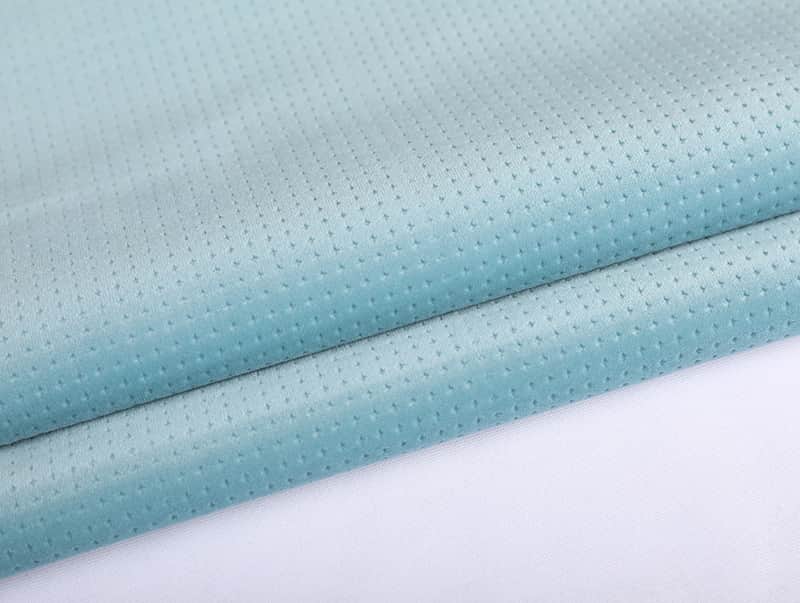
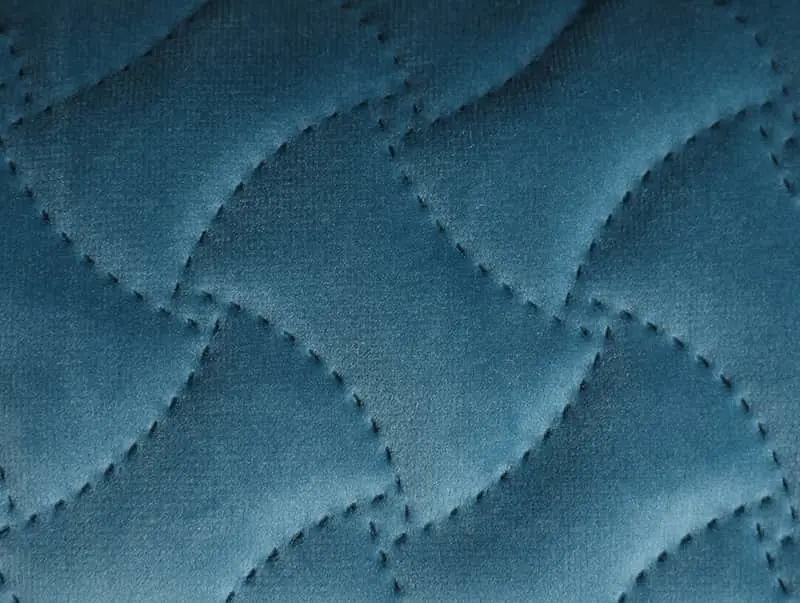
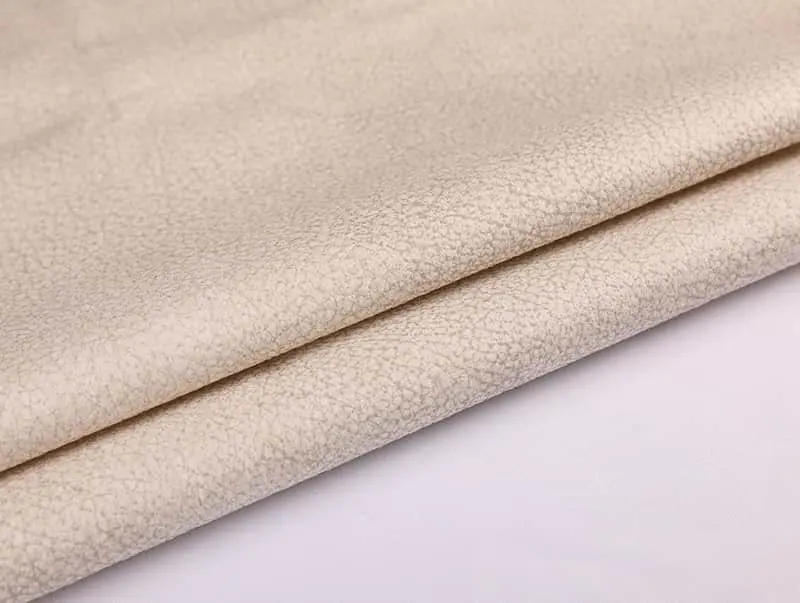
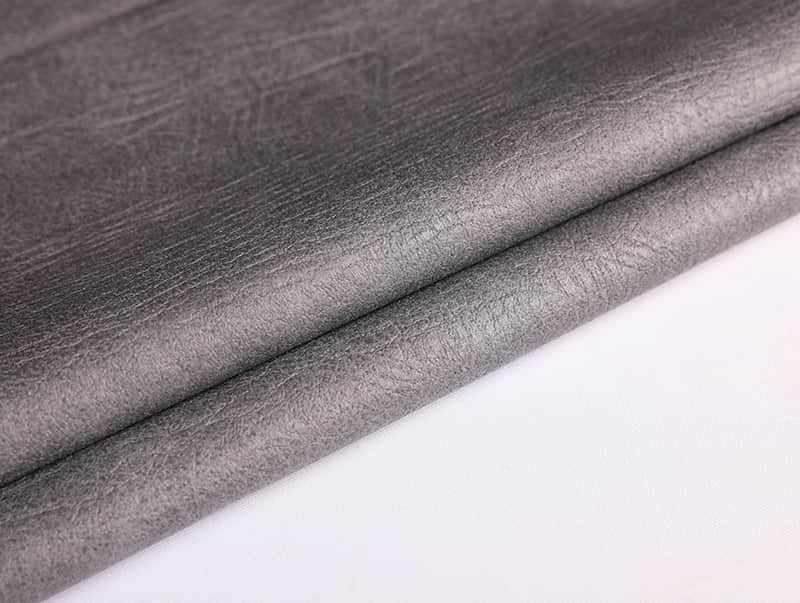
Velvet upholstery fabrics embody the confluence of textile physics, surface chemistry, and advanced manufacturing, offering unparalleled tactile and visual sophistication for luxury interiors and high-traffic commercial spaces. This article dissects the engineered fiber hierarchies, precision pile architectures, and intelligent functionalization strategies that define next-generation velvet textiles, while addressing challenges in wear resistance, cleanability, and sustainable circularity.
Content
- 1 1. Fiber Matrix Engineering and Pile Substrate Optimization
- 2 2. Precision Pile Formation and Surface Topography
- 3 3. Performance Engineering and Accelerated Aging Protocols
- 4 4. Intelligent Functionalization and Responsive Systems
- 5 5. Circular Design and Sustainable Manufacturing
- 6 6. Emerging Applications and Industry 4.0 Integration
- 7 7. Smart Manufacturing and Digital Workflows
1. Fiber Matrix Engineering and Pile Substrate Optimization
The performance matrix of modern velvet upholstery originates from multiscale fiber selection and substrate reinforcement:
-
Core-Spun Hybrid Yarns:
-
Polyester (PET) core (75D/72F) wrapped with combed cotton (Ne 40/1) achieves 40% higher abrasion resistance (ASTM D4966) versus conventional spun yarns.
-
Conductive stainless steel microfilaments (8% w/w) embedded for static dissipation (<10⁶ Ω/sq surface resistivity).
-
-
Nanofibrillated Cellulose (NFC) Reinforcement:
-
3% NFC infusion in viscose pile fibers increases tensile modulus by 25% (ISO 2062) while maintaining 14.5 μm fineness for drape compliance.
-
-
Biomimetic Fiber Cross-Sections:
-
Trilobal nylon fibers with 0.8 modification ratio enhance light reflectance (CIE L* >85) and soil-hiding capabilities.
-
2. Precision Pile Formation and Surface Topography
Advanced tufting and weaving technologies enable micron-level pile control:
A. Double-Needle Bar Jacquard Weaving
-
Variable Pile Height (0.5–3.0 mm): Piezoelectric actuators adjust weft insertion force (±0.2N) for sculpted relief patterns with 200 DPI resolution.
-
Density Gradient Construction: 12,000–28,000 tufts/m² transitions optimize compression recovery (85% after 10⁴ cycles, ISO 3416).
B. Electrostatic Flock Alignment
-
Vertical Field Optimization (40–80 kV/m): Achieves 98% perpendicular nylon flock (0.5–2.0 denier) orientation for directional light refraction.
-
UV-Cured Acrylic Adhesives: Formulating with 15–25% nano-silica improves wash durability (>50 home launderings, ISO 6330).
C. Laser Etching and Surface Functionalization
-
CO₂ Laser Ablation (10.6 μm wavelength): Creates micro-cavities (50–200 μm depth) enhancing vapor permeability by 30% (ISO 11092).
-
Plasma-Enhanced CVD Coatings: Fluorocarbon layers (<500 nm) yield omniphobic surfaces (contact angles >150° for oil/water).
3. Performance Engineering and Accelerated Aging Protocols
Velvet upholstery is validated through rigorous multimode testing:
-
Tribological Durability:
-
Martindale >40,000 cycles (ISO 12947-2) with 12 kPa pressure for contract-grade fabrics.
-
Hexapod pilling simulation (ASTM D3512) maintaining >4.5 rating after 50,000 abrasions.
-
-
Chromogenic Stability:
-
Xenon-arc exposure (ISO 105-B04) achieving ΔE <2.0 after 500 MJ/m² irradiation.
-
Ozone resistance testing (AATCC 109) for colorfastness in UV-free environments.
-
-
Mechanical Compliance:
-
Biaxial stretch recovery (>92% after 20% strain, ASTM D3107).
-
Compression set <15% under 3 kPa/24h (ISO 1856).
-
4. Intelligent Functionalization and Responsive Systems
Next-gen velvets integrate active performance layers:
-
Phase-Change Thermal Buffering:
-
Microencapsulated paraffin (8–12% add-on) with 25 J/g enthalpy for HVAC energy savings.
-
Graphene-coated fibers enabling Joule heating at 5V DC (40°C surface temperature).
-
-
Self-Cleaning Nanosystems:
-
TiO₂ photocatalysts (5–15 nm particles) decomposing VOC contaminants under ambient light.
-
Enzymatic coatings breaking down protein-based stains (e.g., blood, food) within 2 hours.
-
-
Haptic Interactive Surfaces:
-
Capacitive sensing grids (<5mm pitch) detecting touch pressure (0.1–10N range).
-
Electrochromic PANI layers enabling programmable pattern morphing (<1s response time).
-
5. Circular Design and Sustainable Manufacturing
The velvet sector is adopting cradle-to-cradle paradigms through:
-
Bio-Based Monomer Systems:
-
FDCA (furandicarboxylic acid)-polyester piles from agricultural waste (>60% biogenic carbon).
-
Closed-loop recycled PET (rPET) achieving GRS 4.0 certification with 0.5% IV drop.
-
-
Enzymatic Fiber Recovery:
-
Custom hydrolases separating polyester/cotton blends at 98% purity (Carbios process).
-
Ionic liquid dissolution recovering 95% nylon from post-consumer velvets.
-
-
Waterless Processing:
-
Digital pigment printing (<5L/m² vs. 50L conventional) with nano-sized colorants.
-
Supercritical CO₂ dyeing reaching 99% fixation rates (Dyecoo® technology).
-
6. Emerging Applications and Industry 4.0 Integration
A. Automotive Interior Systems
-
Case Study: BMW’s iNEXT uses laser-perforated velvet with integrated PM2.5 filtration (>95% efficiency) and <35 dB airflow noise.
-
Technical Edge: Shape-memory velvet seat inserts adapting to occupant posture via SMA (shape memory alloy) wires.
B. Adaptive Architectural Solutions
-
Photovoltaic Velvet Facades: Organic PV (OPV) coatings generating 15 W/m² under 1,000 lux illumination.
-
Acoustic Meta-Velvets: Helmholtz resonator microstructures achieving 0.9 NRC at 500–2,000 Hz.
C. Medical Therapeutic Environments
-
Antimicrobial Copper Velvets: Cu₂O nanoparticles (0.5% w/w) providing 5-log MRSA reduction in 2 hours.
-
Pressure-Relief Wheelchair Upholstery: 3D-mapped pile heights reducing interface pressure by 30% (ISO 16840-2).
7. Smart Manufacturing and Digital Workflows
-
AI-Driven Defect Detection: Hyperspectral imaging (400–1000nm) identifying 0.1mm² contamination with 99.97% accuracy.
-
Digital Twin Weaving: Real-time loom adjustment via IoT-enabled tension sensors (±0.1 cN precision).
-
Blockchain Material Tracing: Fiber-level NFTs recording GHG emissions and social compliance metrics.
Market analysts (Smithers 2026) project a 7.8% CAGR for performance velvet fabrics, driven by EV interior demands and smart home adoption.