 中文简体
中文简体
 English
 Español
 عربى
عربى
Content
- 1 Introduction: The Enduring Allure of Velvet
- 2 The History and Evolution of Velvet Fabric
- 3 How is Velvet Made? Understanding Pile Weaves
- 4 Types of Velvet Upholstery Fabric: Fiber Content and Characteristics
- 5 Key Properties: Aesthetics, Durability, and Comfort
- 6 Velvet in Interior Design: Styling Applications and Tips
- 7 The Comprehensive Selection and Buying Guide
- 8 Care, Maintenance, and Cleaning of Velvet Upholstery
- 9 Market Trends and Future Innovations
- 10 Conclusion: Embracing Luxurious Practicality
Introduction: The Enduring Allure of Velvet
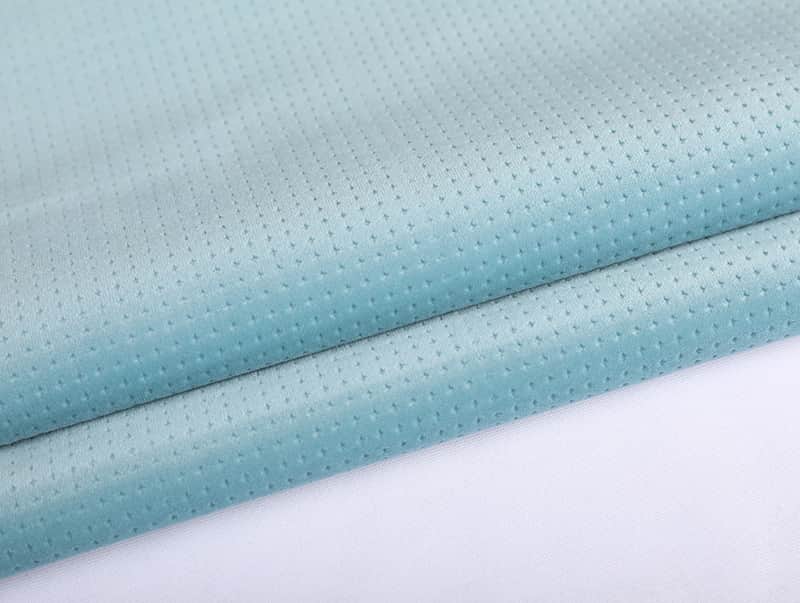
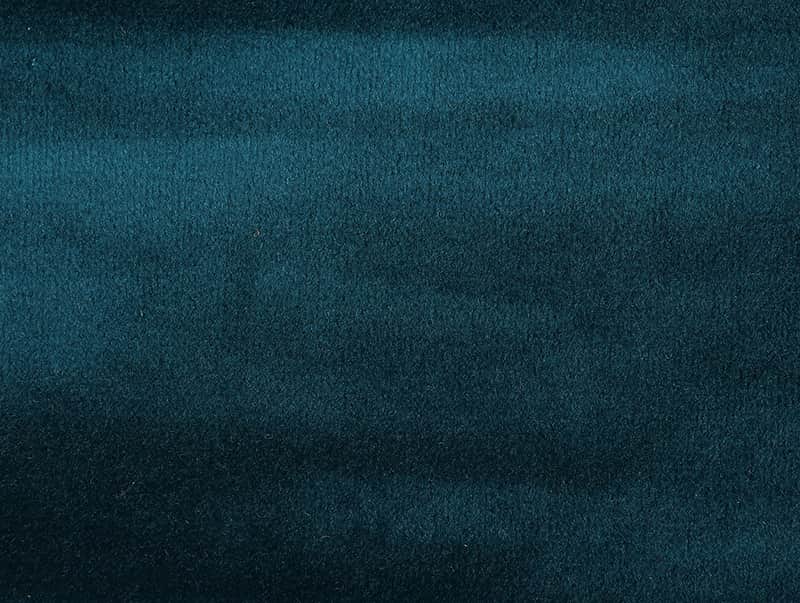
Few fabrics in the world of interior design evoke a sense of timeless luxury, tactile indulgence, and opulent comfort quite like velvet. Once the exclusive domain of royalty and aristocracy, velvet upholstery has undergone a remarkable transformation, securing its place as a versatile and durable choice for contemporary homes. This sumptuous fabric is characterized by its unique dense, soft pile that captures and reflects light, creating a mesmerizing play of color and shadow known as "pile reversal" or a "berber" effect. Beyond its undeniable beauty, modern velvet is engineered for performance, offering resilience that belies its delicate appearance. This comprehensive guide explores the rich history, construction, types, and practical application of velvet upholstery fabric, empowering you to incorporate this classic material with confidence and style.
The History and Evolution of Velvet Fabric
Velvet's origins are as rich as its texture. Believed to have originated in ancient East Asia or the Middle East, its name derives from the Latin vellus, meaning "shaggy hair." Historically woven from precious silk fibers on complex looms, it was a symbol of immense wealth and status in medieval Europe, adorning the thrones, garments, and chambers of nobility.
The Industrial Revolution democratized velvet, introducing cotton as a more accessible fiber. The 20th century brought revolutionary synthetics like rayon, nylon, and polyester, which improved durability, affordability, and colorfastness. Today, velvet upholstery is a testament to this evolution, blending traditional craftsmanship with advanced fiber technology to create materials suited for both grand estates and busy family living rooms.
How is Velvet Made? Understanding Pile Weaves
Velvet is not defined by its fiber content, but by its structure. It is a pile fabric, meaning its surface is made of cut threads that stand upright from a woven base.
-
The Weaving Process: Traditionally, velvet is created on a special double-cloth loom. Two layers of fabric are woven simultaneously, face-to-face, with vertical connector threads linking them. A sharp blade then passes between the two layers, slicing the connector threads to create two separate pieces of fabric, each with a raised, cut pile surface.
-
The Pile: The density, height, and direction of this cut pile define the fabric's hand and appearance. After weaving, the fabric undergoes processes like steaming, brushing, and shearing to align the fibers, enhance softness, and create a uniform, luxurious surface.
-
Modern Variations: While double-weaving remains for luxury goods, many contemporary velvets are created using wire or knitting methods, where loops are formed and then cut, offering efficiency and different texture possibilities.
Types of Velvet Upholstery Fabric: Fiber Content and Characteristics
The performance, feel, and price of velvet are primarily determined by its fiber content.
-
Silk Velvet: The original and most luxurious. It possesses an unmatched luminous sheen and a supremely soft, fluid drape. Due to its delicacy, high cost, and sensitivity to sunlight and wear, it is rarely used in high-traffic upholstery today but remains the pinnacle for decorative throw pillows and heirloom pieces.
-
Cotton Velvet: Offers a softer, matte finish compared to silk. It is breathable, durable, and has a more casual elegance. It can be prone to crushing and may not have the same resilience to heavy wear as some blends. Often used in curated, lived-in interiors.
-
Rayon/Viscose Velvet (Often Blended): Rayon provides the high sheen and drape reminiscent of silk at a fraction of the cost. However, pure rayon velvet can crush easily and is less durable. It is almost always blended with more resilient fibers like polyester for upholstery use.
-
Polyester & Nylon Velvet: The workhorses of modern upholstery. Synthetic velvets are highly durable, stain-resistant, colorfast, and crush-resistant. They offer excellent performance for families and high-use areas. While early synthetics could feel plasticky, advanced micro-denier polyester fibers now mimic the soft hand of natural fibers remarkably well.
-
Blended Velvets: The most common and practical category for furniture. A typical polyester-cotton-rayon blend combines the best attributes: the durability and easy care of polyester, the soft matte feel of cotton, and the luminous sheen of rayon. This creates a balanced, performance-driven fabric.
-
Innovative & Performance Velvets: This includes Crypton®, Sunbrella®, and other treated velvets. These are engineered with built-in stain, moisture, and microbial resistance, making them ideal for households with children, pets, or for use in commercial settings. They maintain the look and feel of traditional velvet with superhero durability.
Key Properties: Aesthetics, Durability, and Comfort
-
Aesthetic Versatility: Velvet’s magic lies in its chameleon-like quality. Its color appears to change with the direction of the pile and the angle of light (pile reversal). A velvet sofa can look deep and solid from one direction and highlighted from another, adding dynamic visual interest to a room.
-
Durability (Abbrasion Resistance): Measured by the Wyzenbeek or Martindale tests, quality upholstery velvet should have a double-rub rating of at least 15,000 for residential use, with 30,000+ being suitable for heavy residential or light commercial use. Dense, woven velvets with synthetic content typically score highest.
-
Comfort and Tactile Appeal: Velvet is inherently warm in winter and cool in summer due to its insulating pile. Its soft, plush surface is inviting and comfortable against the skin.
-
Maintenance Considerations: Modern velvets are easier to care for than their historical counterparts. Regular vacuuming with a brush attachment is essential to prevent dust from settling into the pile. Most spills can be promptly blotted, and many synthetics are even cleanable with mild soap and water.
Velvet in Interior Design: Styling Applications and Tips
Velvet can anchor a room in various design aesthetics, from classic to contemporary.
-
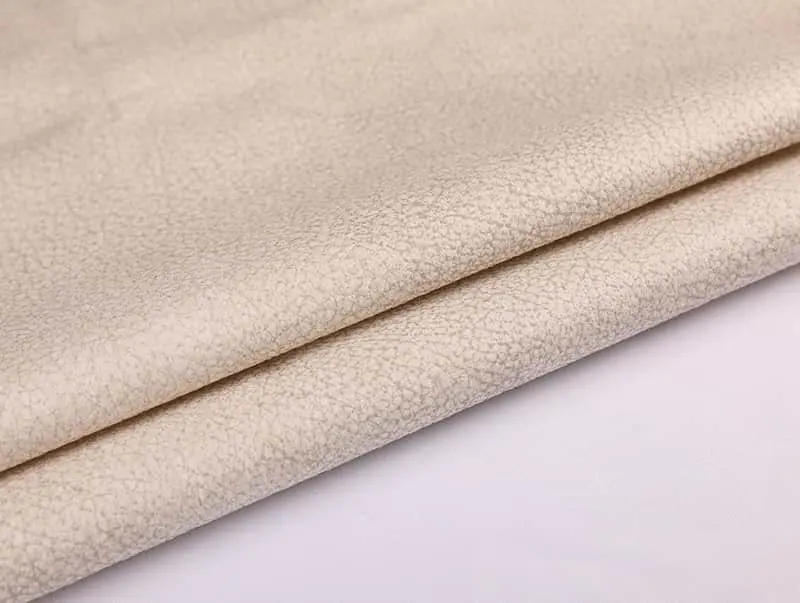
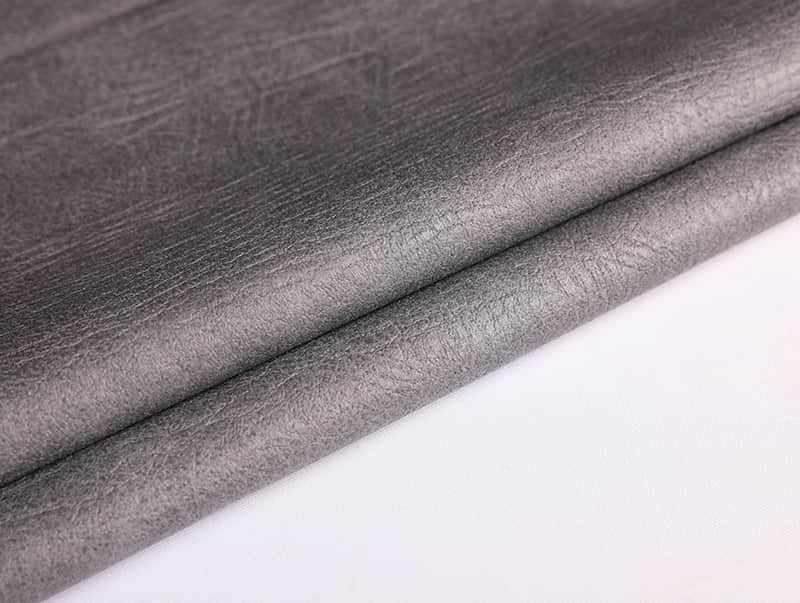
Statement Furniture: A velvet sofa or armchair is an instant focal point. Rich colors like emerald, sapphire, mustard, or burgundy work beautifully, while neutrals like grey, taupe, or blush offer a softer luxury.
-
Accents and Textural Layers: Use velvet on throw pillows, ottomans, or headboards to introduce texture and depth without overwhelming a space.
-
Mixing Textures: Velvet pairs exquisitely with other materials. Contrast its softness with the hardness of marble or metal, the roughness of rustic wood, or the sleekness of leather.
-
Period and Modern Styles:
-
Traditional/Classic: Tufted Chesterfield sofas in deep-hued velvets.
-
Mid-Century Modern: Clean-lined chairs and settees in earthy or geometric-patterned velvets.
-
Art Deco: Velvet in jewel tones with sharp, angular shapes.
-
Contemporary: Oversized, modular sectionals in neutral or boldly colored performance velvet.
-
The Comprehensive Selection and Buying Guide
Choosing the right velvet for your project requires careful consideration.
1. Assess the Intended Use (The Most Critical Step):
-
High-Traffic (Family Room, Main Sofa): Prioritize performance blends (high polyester content) or branded performance fabrics (Crypton, etc.). Opt for medium to dark colors and a shorter, dense pile to minimize visible wear and crushing.
-
Low-Traffic (Formal Living Room, Accent Chair): You can explore more delicate options like cotton, silk blends, or longer pile velvets in lighter or more vibrant colors.
-
Commercial Use (Hotel, Restaurant): Must specify heavy-duty contract velvet with a high double-rub rating (50,000+) and inherent stain resistance.
2. Evaluate Quality and Specifications:
-
Fiber Content Label: Read it carefully. A blend is often the most practical.
-
Fabric Weight: Heavier weight (expressed in oz/sq yd or gsm) generally indicates a denser, more durable fabric.
-
Abrasion Rating: Look for the double-rub count. 15,000+ for residential, 30,000+ for heavy use.
-
Get Swatches! Always order large swatches. View them in your room's natural and artificial light, at different angles. Crush the pile with your hand to see how it recovers. Test for cleanability in a corner.
3. Color and Pile Direction Considerations:
-
Remember that color will shift with light and pile direction. Ensure you love it in all lights.
-
On furniture, the pile should ideally run downward (from top to bottom) for a smoother, richer color appearance and less susceptibility to trapping dust.
Care, Maintenance, and Cleaning of Velvet Upholstery
Proper care extends the life and beauty of velvet furniture.
-
Regular Maintenance: Vacuum weekly using an upholstery brush attachment to remove dust and grit that can cut fibers. Gently brush the pile in the direction of the nap to restore its lift.
-
Addressing Spills and Stains: Blot immediately—never rub. Rubbing can distort the pile and spread the stain. Use a clean, absorbent cloth. For most water-based spills, blotting with water on a clean cloth may be sufficient. Always follow the manufacturer's cleaning codes:
-
W: Use water-based cleaner.
-
S: Use solvent-based cleaner (no water).
-
WS: Can use either.
-
X: Clean only by vacuuming or professional methods.
-
-
Dealing with Crushing and Marks: Over time, velvet will develop pressure marks where people sit. This is normal. Gently steam the area with a garment steamer (held several inches away) and brush the pile upwards to reactivate the fibers. Avoid direct contact with hot steam or irons.
-
Professional Cleaning: For overall soil or set-in stains, hire a professional upholstery cleaner experienced with pile fabrics. They have the tools and solutions to clean effectively without overwetting or damaging the fabric.
Market Trends and Future Innovations
Velvet continues to evolve, driven by technology and changing consumer values.
-
Performance is Paramount: The demand for easy-care, stain-resistant, and durable velvets is the dominant trend, making luxury practical for everyday life.
-
Sustainable and Ethical Velvets: Growth in velvets made from recycled polyester (rPET), organic cotton, and fibers from sustainable sources like Tencel™ (lyocell). Eco-friendly dye processes are also in demand.
-
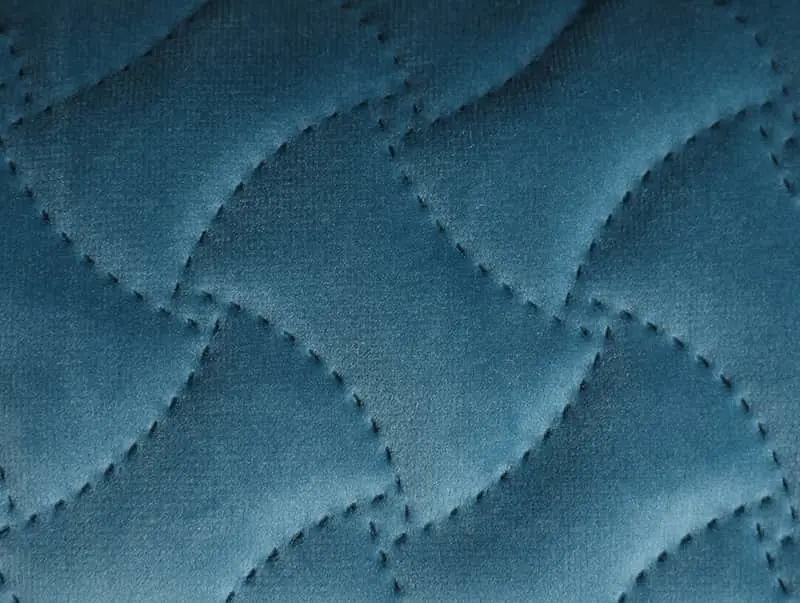
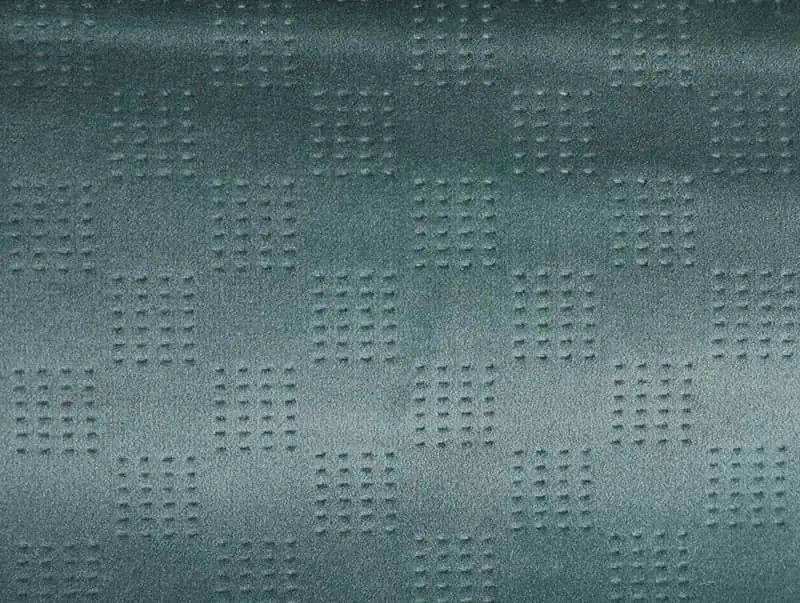
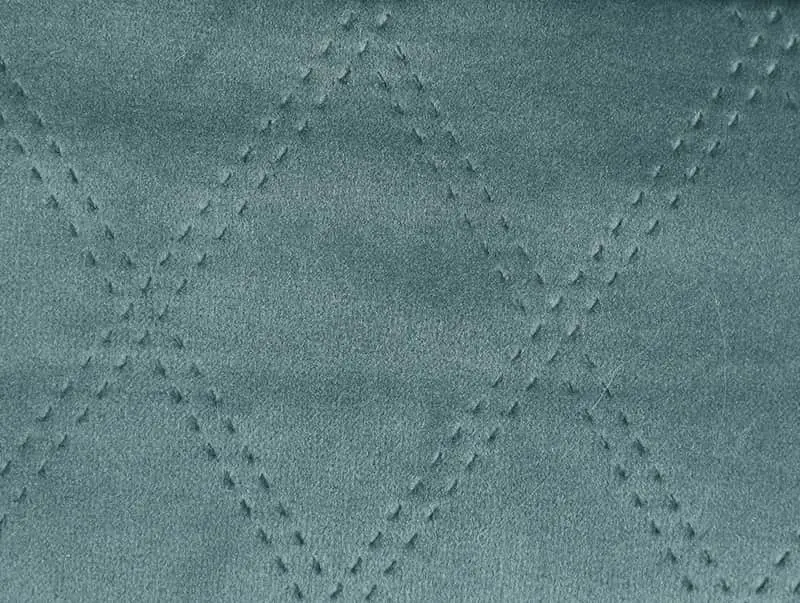
Textural Exploration: Designers are playing with sculpted velvets (where the pile is cut to different heights to create patterns), embossed effects, and contrasting sheens.
-
Bold Colors and Neutrals: While classic rich tones remain popular, there is a strong trend toward warm, earthy neutrals (terracotta, ochre, moss green) and soothing, spa-like hues (soft sage, mist blue, warm grey).
Conclusion: Embracing Luxurious Practicality
Velvet upholstery fabric stands at the perfect intersection of historical grandeur and modern innovation. It challenges the misconception that beauty must be fragile, proving instead that with the right fiber technology and construction, it can be both sumptuous and steadfast. By understanding the different types of velvet, thoughtfully matching the fabric to its intended use, and committing to its simple yet consistent care, you can confidently welcome this timeless textile into your home. Whether as a bold statement piece or a subtle textural accent, velvet adds a layer of depth, comfort, and sophisticated charm that few other fabrics can achieve. It is not merely a covering for furniture, but an experience—a daily touch of luxury that is built to last.