 中文简体
中文简体
 English
 Español
 عربى
عربى
Content
- 1 Understanding Velvet Curtain Fabric
- 2 Selecting Velvet Curtain Fabric for Living Rooms
- 3 Choosing Velvet for Bedrooms
- 4 Using Velvet Curtain Fabric in Dining Rooms
- 5 Velvet Curtains for Home Offices
- 6 Material and Fiber Considerations
- 7 Care and Maintenance Recommendations
- 8 Summary of Velvet Fabric Selection for Different Rooms
Understanding Velvet Curtain Fabric
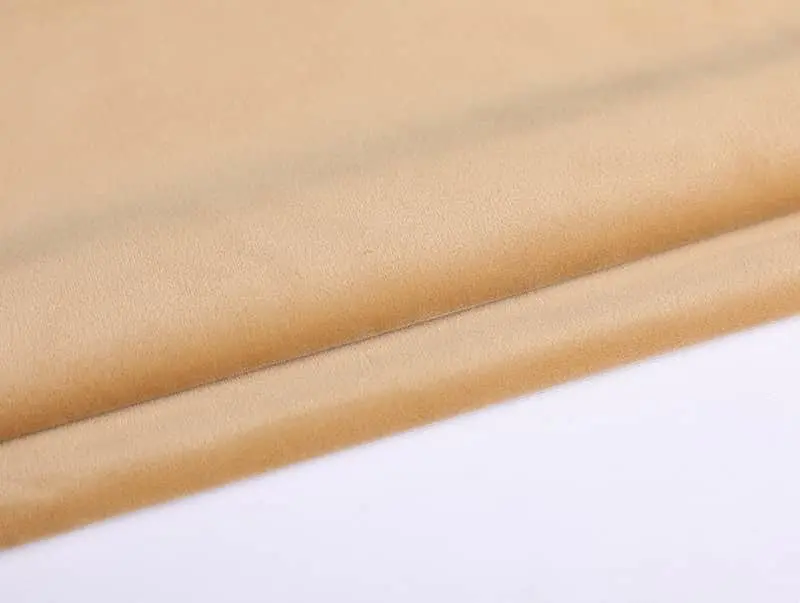
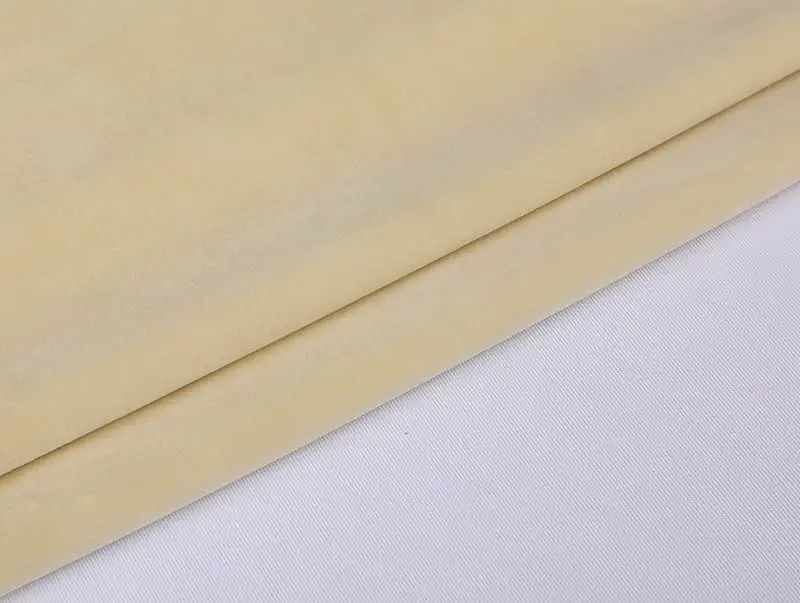
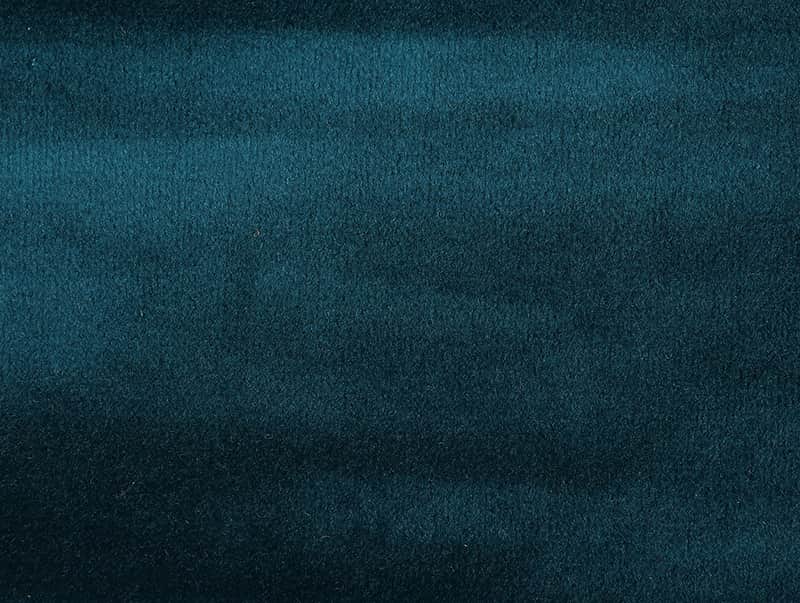
Velvet curtain fabric is a rich, soft material known for its dense pile and luxurious texture. Its unique construction provides both aesthetic appeal and functional benefits such as light control, thermal insulation, and sound absorption. When selecting velvet for different rooms, understanding its characteristics—weight, fiber content, and finish—is essential to achieving the desired visual effect and performance.
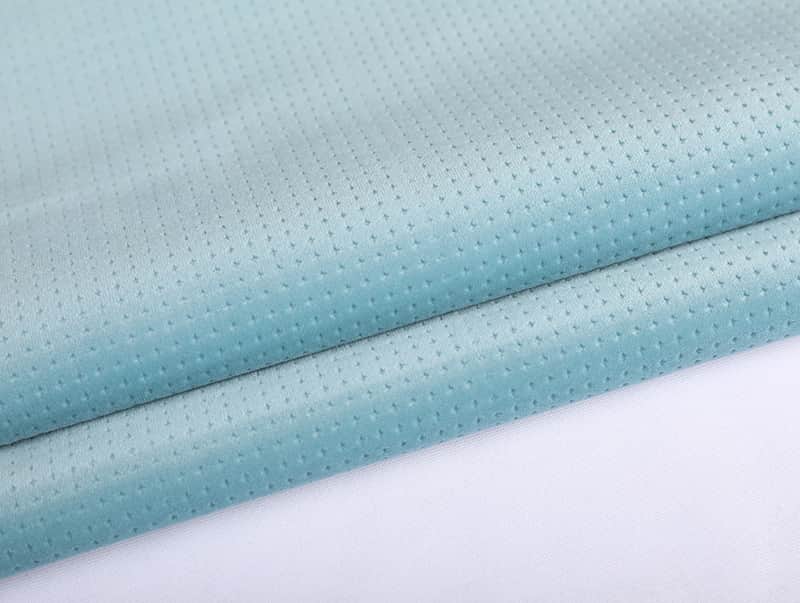
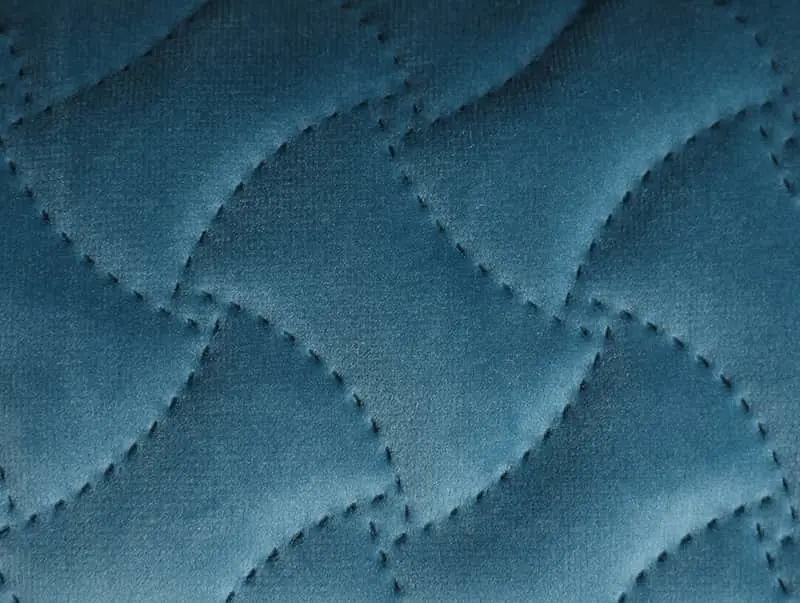
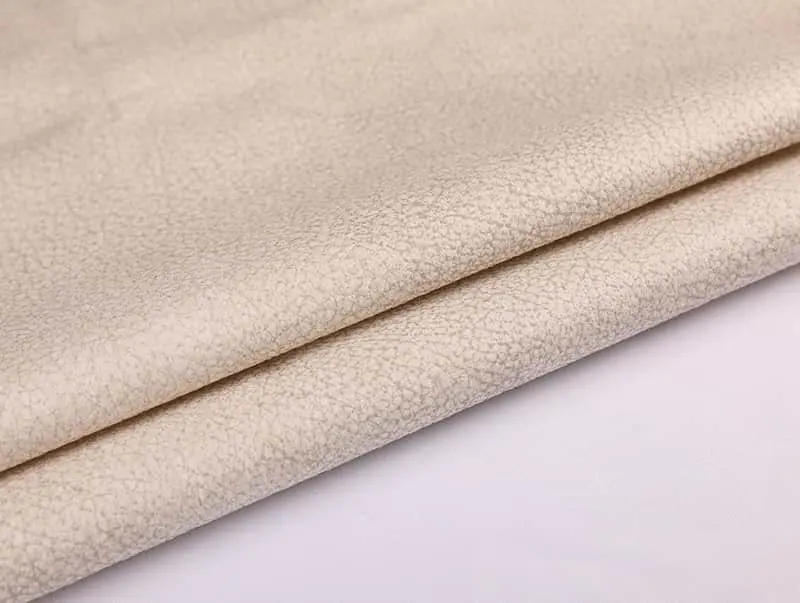
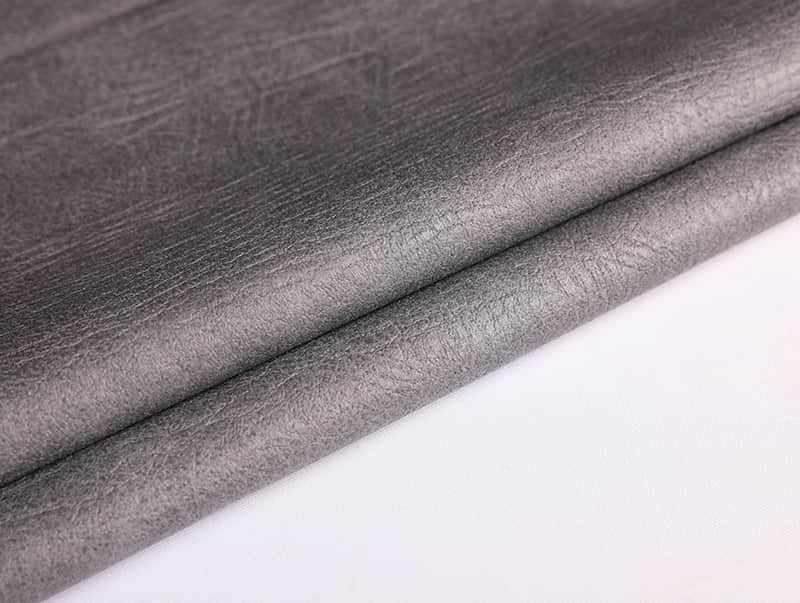
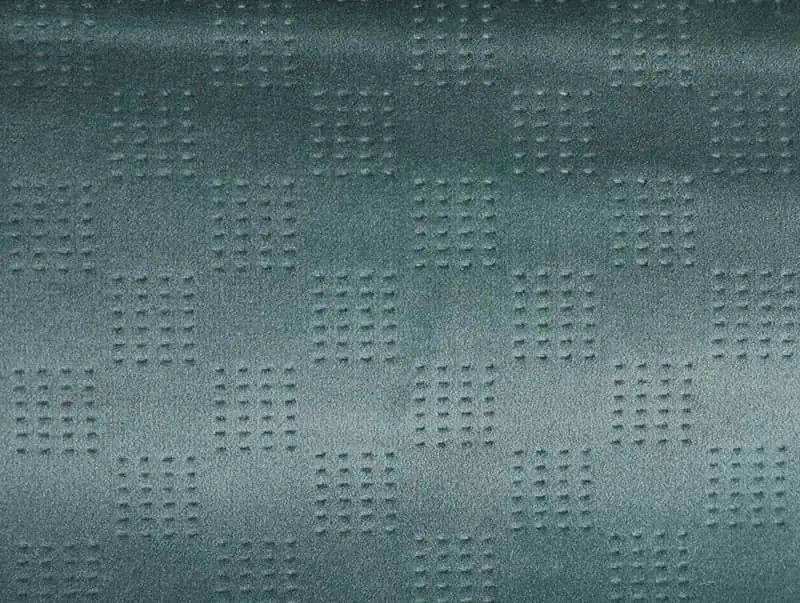
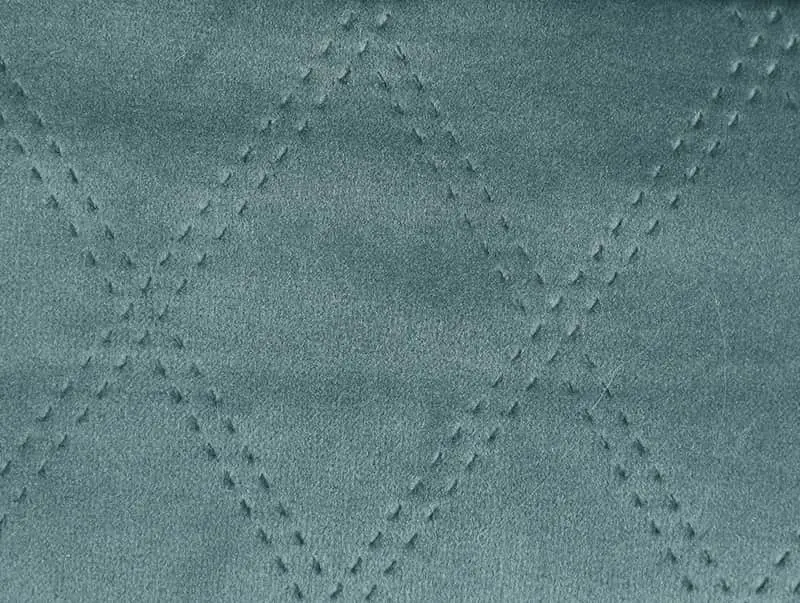
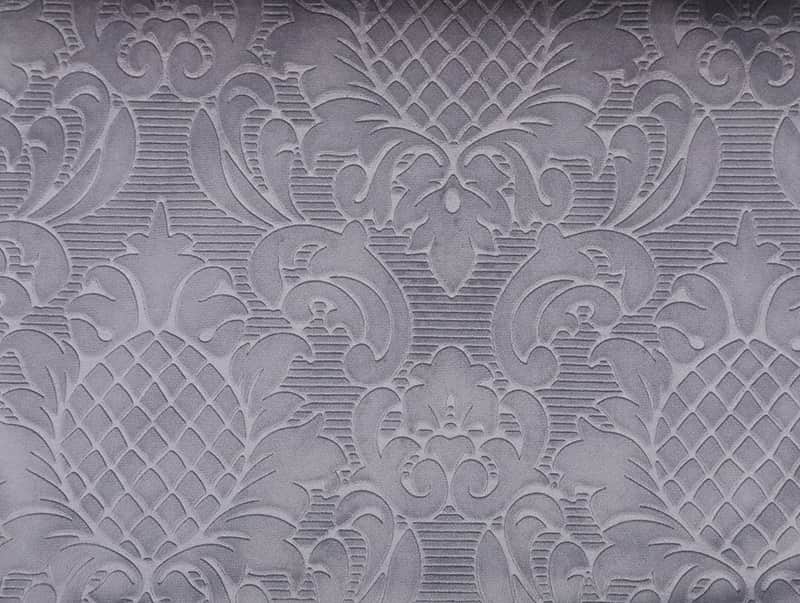
Velvet is available in various types including plain, crushed, embossed, and stretchable versions. Each type has a different visual texture and drape quality, influencing how it interacts with light and complements the room’s decor.
Selecting Velvet Curtain Fabric for Living Rooms
Living rooms often serve as the primary social and entertainment space in a home, requiring a balance between style and functionality. Heavyweight velvet with a dense pile creates an elegant, opulent look while also providing effective light blocking and sound dampening. Lighter velvet can be layered with sheers to add texture without overwhelming the space.
Colors for living room velvet curtains should harmonize with furniture, wall tones, and decorative accents. Deep jewel tones such as emerald, sapphire, and burgundy enhance luxury, while neutral shades like taupe, gray, and cream create a sophisticated backdrop.
Choosing Velvet for Bedrooms
Bedrooms benefit from velvet curtains that provide privacy, thermal insulation, and a cozy atmosphere. Medium to heavyweight velvet is ideal for blocking outside light and reducing temperature fluctuations. The soft texture contributes to a comfortable, intimate setting conducive to rest.
For color selection, soothing tones like pastel blue, soft pink, and muted gray are often preferred. Patterns can be subtle or solid, depending on the desired ambiance, with heavier fabrics suitable for floor-length drapes that enhance the feeling of luxury.
Using Velvet Curtain Fabric in Dining Rooms
Dining rooms often aim for a formal and refined aesthetic. Velvet curtains add depth and richness to the space while softening acoustic reflections from hard surfaces. Lightweight or medium-weight velvet ensures elegant drape without excessive bulk, complementing the dining furniture and decorative elements.
Warm shades such as gold, rust, and burgundy enhance the dining experience by creating an inviting and intimate environment. For patterned fabrics, subtle textures or embossed designs work well without overpowering the overall decor.
Velvet Curtains for Home Offices
Home offices require a balance between style, comfort, and practical functionality. Medium-weight velvet offers sufficient light control to reduce screen glare while providing a professional appearance. Additionally, sound-absorbing properties of velvet contribute to a quieter working environment.
Neutral tones such as gray, beige, or navy are often preferred to maintain focus and create a calm environment. Combining velvet with adjustable blinds or sheers can provide flexible light management throughout the day.
Material and Fiber Considerations
Velvet can be made from natural fibers like cotton or silk, or synthetic fibers such as polyester and viscose. Natural fibers offer superior texture and breathability but may require more care. Synthetic velvets are durable, stain-resistant, and easier to maintain, making them suitable for high-traffic areas.
Choosing the right fiber depends on the room’s function, exposure to sunlight, and maintenance expectations. Combining fibers or blends can optimize both appearance and durability.
Care and Maintenance Recommendations
Velvet curtain fabric requires careful maintenance to preserve its texture and appearance. Regular vacuuming with a soft brush attachment removes dust and debris. Spot cleaning should be done with mild detergent or professional services, depending on the fiber type.
Avoid prolonged exposure to direct sunlight, which can cause fading. Rotating or gently steaming the curtains occasionally helps maintain pile direction and prevents flattening of the texture.
Summary of Velvet Fabric Selection for Different Rooms
| Room Type | Recommended Fabric Weight | Recommended Colors/Styles | Key Considerations |
| Living Room | Heavyweight or layered velvet | Deep jewel tones, neutrals | Light blocking, sound absorption, luxury feel |
| Bedroom | Medium to heavyweight | Pastels, muted shades, solid or subtle patterns | Privacy, insulation, comfort |
| Dining Room | Light to medium-weight | Warm tones, embossed patterns | Acoustic softening, elegant drape |
| Home Office | Medium-weight | Neutral shades, minimalist styles | Light control, professional appearance, quiet environment |