 中文简体
中文简体
 English
 Español
 عربى
عربى
Content
Introduction to Velvet Upholstery Fabric
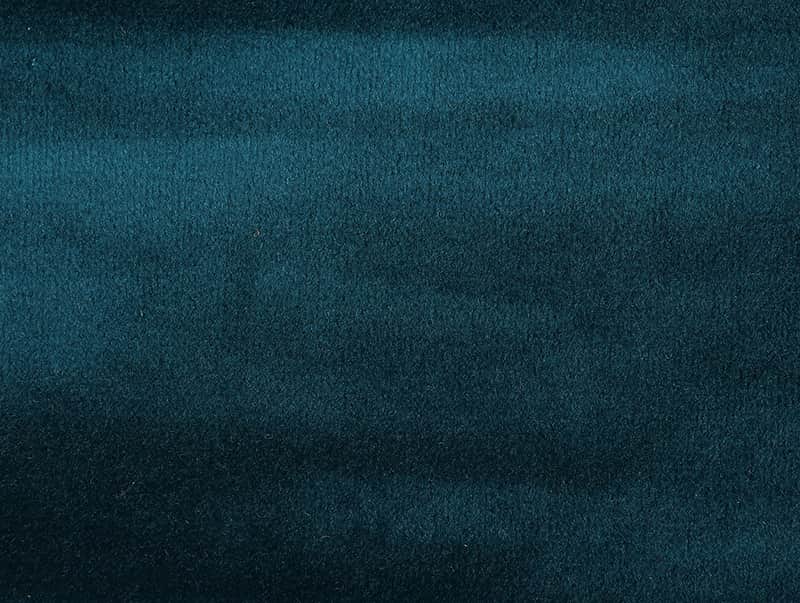
Velvet upholstery fabric has long been synonymous with luxury, comfort, and elegance. Its soft texture, rich colors, and subtle sheen make it a favorite choice for sofas, chairs, ottomans, and decorative furniture pieces. In 2026, velvet continues to evolve with innovative weaving techniques, eco-friendly fibers, and versatile designs, making it suitable for both contemporary and traditional interiors. Understanding the types, applications, and care of velvet fabric is essential for homeowners, interior designers, and furniture manufacturers seeking long-lasting style.
Types of Velvet Upholstery Fabric
Crushed Velvet
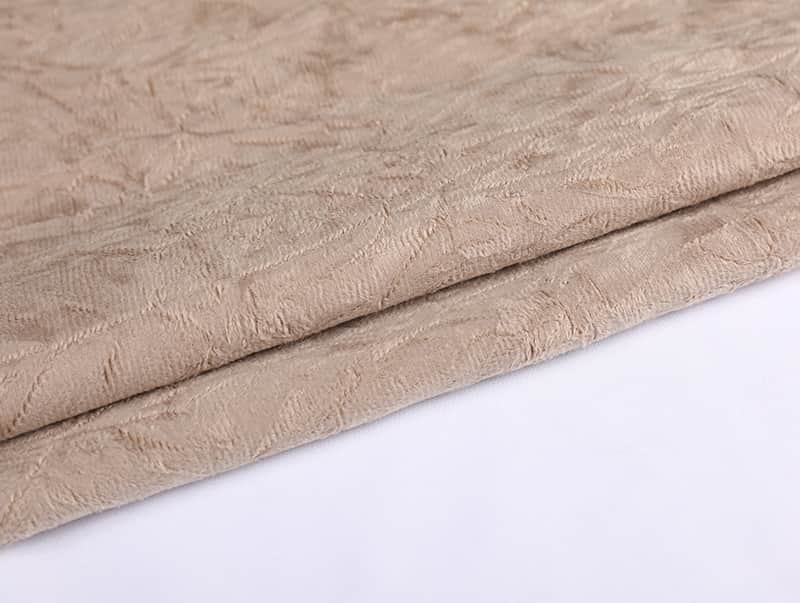
Crushed velvet features a textured, slightly wrinkled appearance created by twisting the fabric while wet. This type of velvet adds visual depth and a luxurious feel to furniture, making it ideal for accent chairs, cushions, and statement pieces. Its rich texture can complement both modern and classic interior styles.
Velvet with Short Pile
Short pile velvet has a smooth, dense surface that is soft to the touch while maintaining durability. It works well in high-traffic areas, such as living rooms or lounges, where the fabric will receive frequent use. The short pile reduces the appearance of wear marks and is easier to clean than longer pile variations.
Velvet with Long Pile
Long pile velvet is plush and luxurious, providing a striking tactile experience. It is perfect for low-traffic furniture or decorative pieces where comfort and aesthetic appeal are priorities. The longer fibers can catch light differently depending on the viewing angle, creating a dynamic visual effect that enhances the richness of the room.
Materials and Weaving Techniques
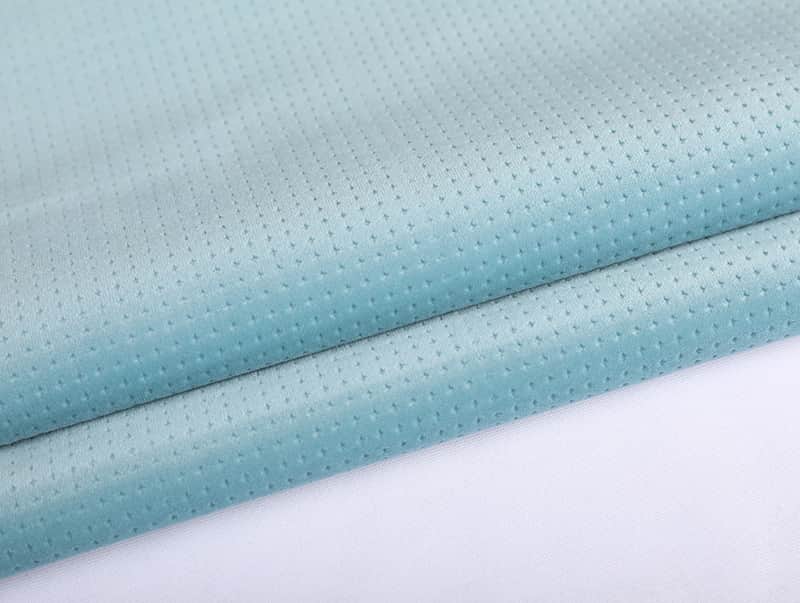
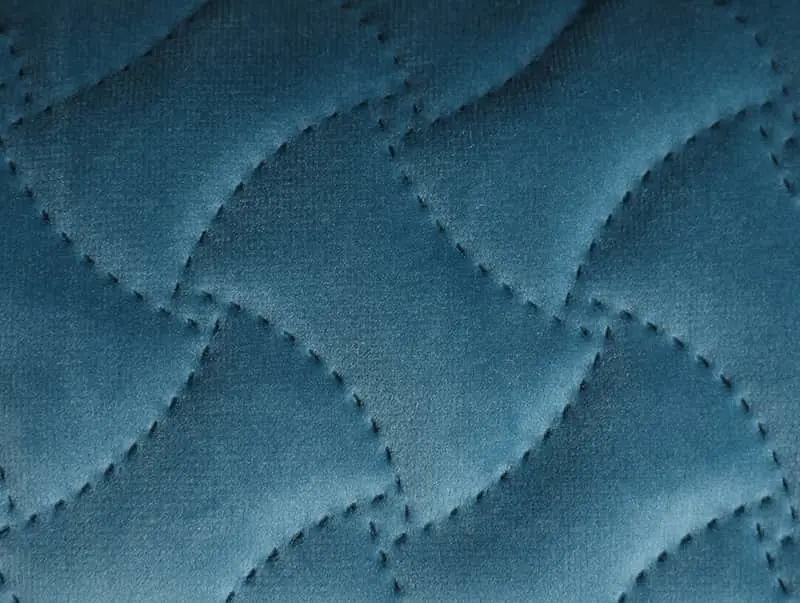
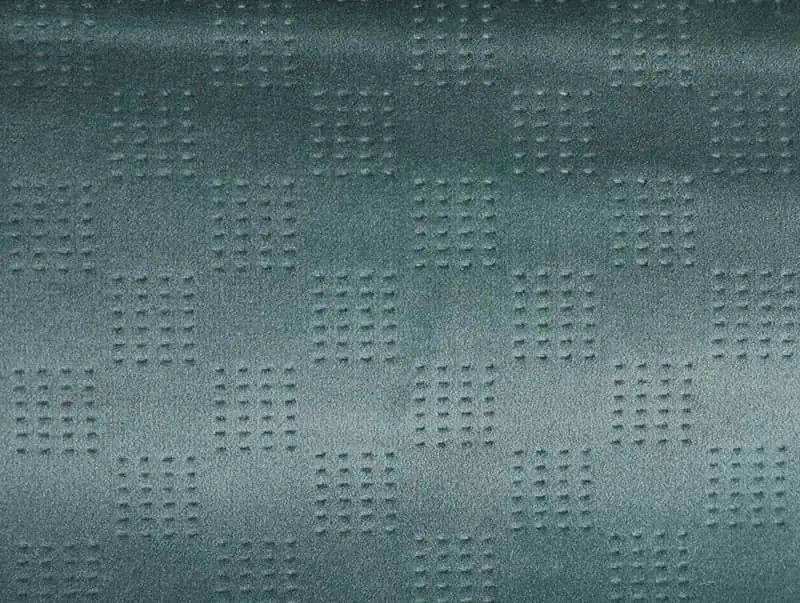
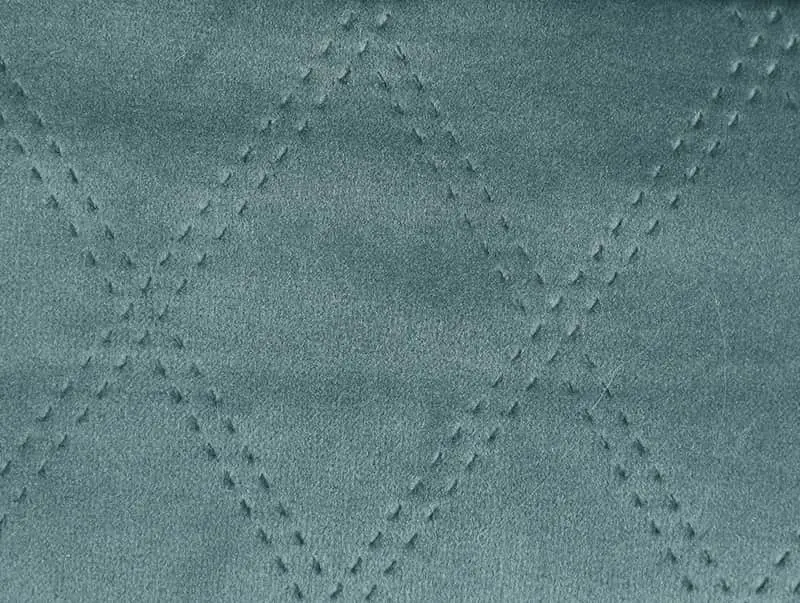
Velvet can be made from natural fibers such as cotton, silk, or wool, as well as synthetic fibers like polyester or a blend of both. Each material provides different qualities: cotton velvet is soft and breathable, silk velvet offers a lustrous finish, and polyester blends enhance durability and stain resistance. Modern weaving techniques also allow for embossed patterns, mixed textures, and eco-friendly production methods that reduce water and energy usage.
Choosing the Right Velvet for Your Furniture
Consider the Room and Usage
High-traffic areas such as living rooms or family spaces benefit from short pile or synthetic velvet blends that are resistant to wear and easy to clean. For decorative chairs or accent furniture, long pile or silk velvet provides a luxurious statement without the concern of frequent maintenance.
Selecting Colors and Patterns
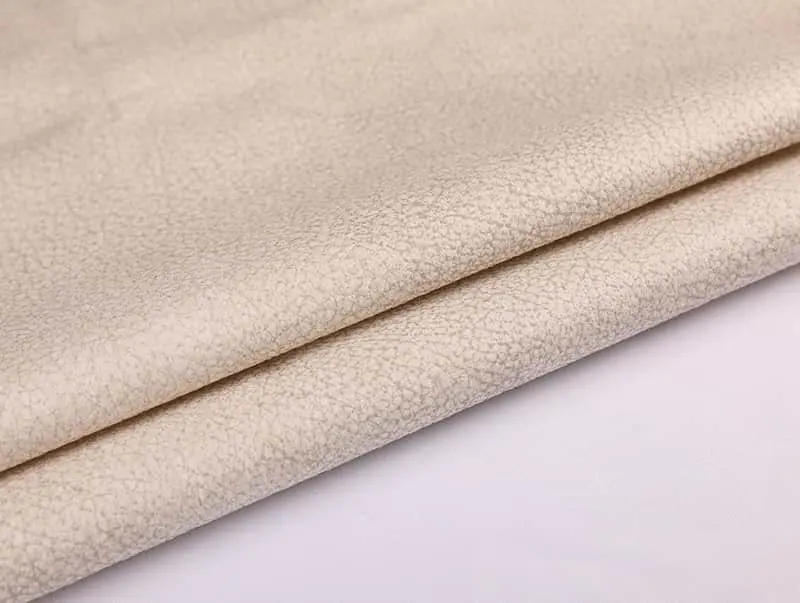
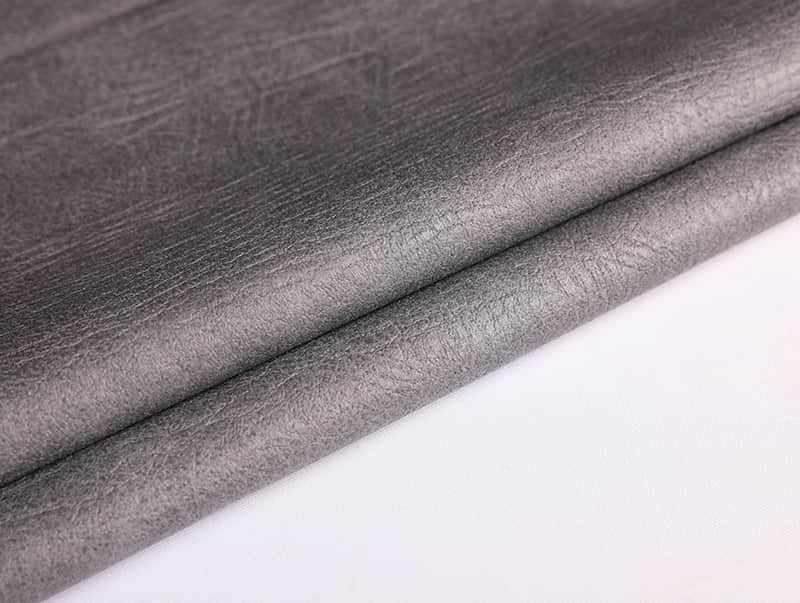
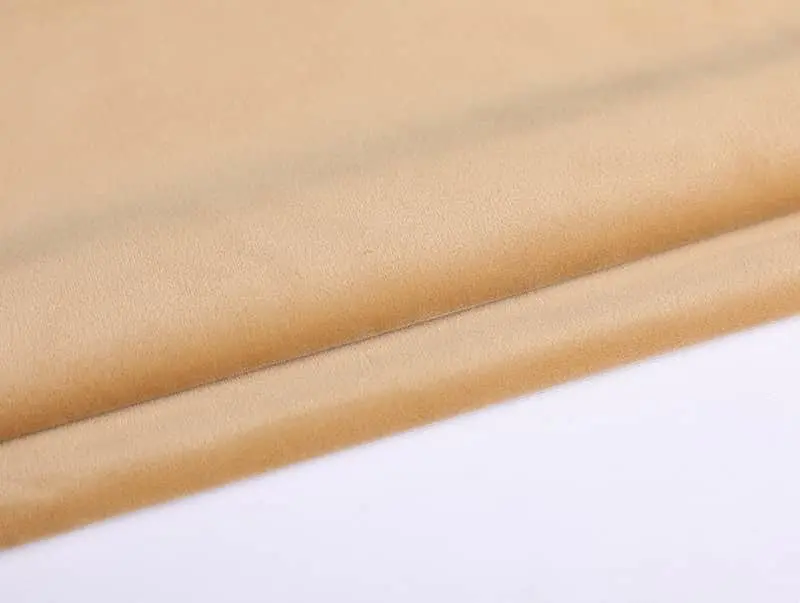
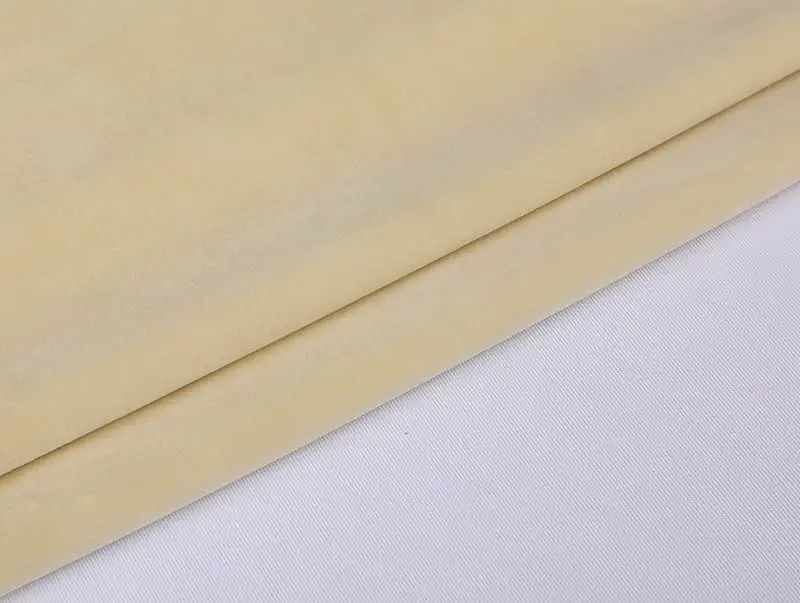
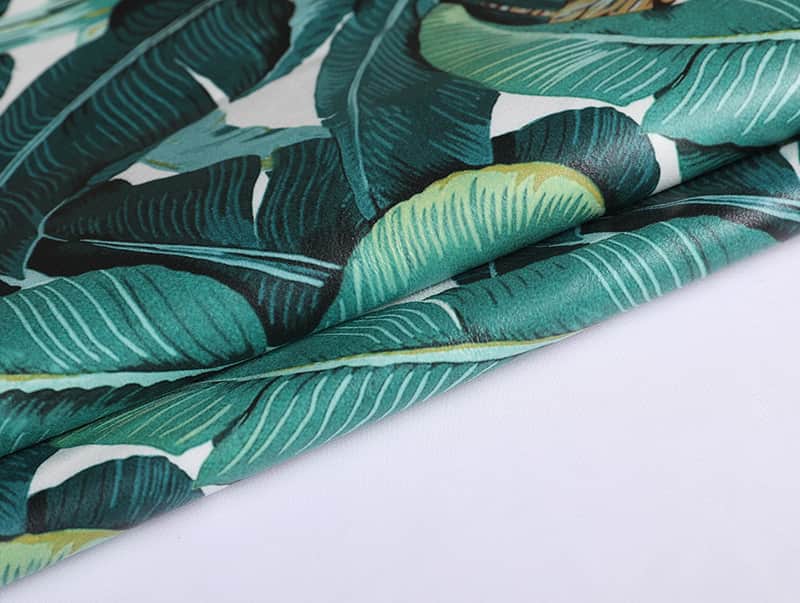
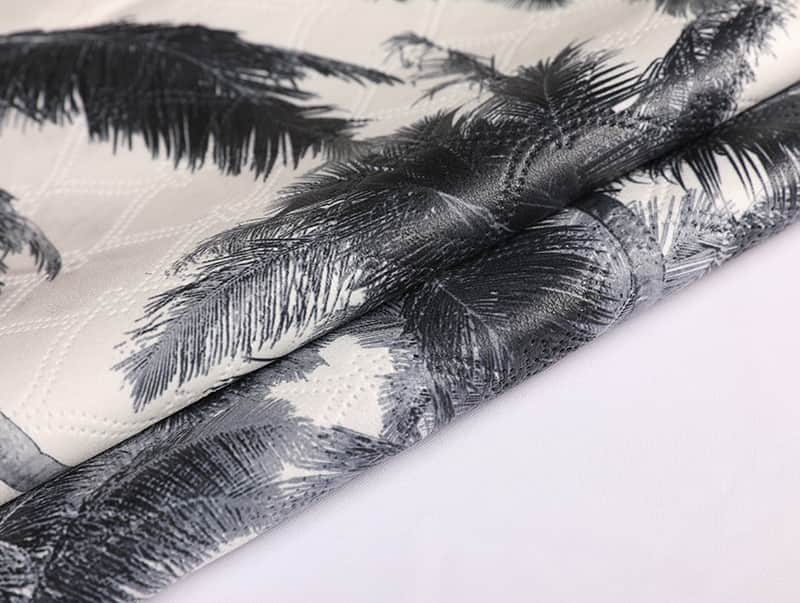
Velvet comes in a wide spectrum of colors, from deep jewel tones to soft pastels. Neutral shades like beige, gray, and cream offer versatility, while bold colors like emerald green, sapphire blue, or ruby red create dramatic focal points. Patterned or embossed velvet can add depth and texture to furniture while complementing room design and décor themes.
Durability and Maintenance
Durability is crucial for upholstery fabric. Velvet with synthetic blends tends to resist stains and fading better than natural fibers, making it ideal for families or commercial use. Regular vacuuming, gentle brushing, and prompt cleaning of spills can preserve the fabric’s softness and sheen for years.
Comparison of Popular Velvet Fabrics
| Velvet Type | Material | Best For | Maintenance |
|---|---|---|---|
| Crushed Velvet | Polyester Blend | Accent Chairs, Cushions | Vacuum and spot clean |
| Short Pile Velvet | Cotton or Synthetic | Sofas, High-Traffic Seating | Regular vacuuming, mild cleaning |
| Long Pile Velvet | Silk or Wool Blend | Low-Traffic Furniture, Statement Pieces | Gentle brushing, occasional professional cleaning |
Tips for Maintaining Velvet Upholstery
- Vacuum regularly with a soft brush attachment to remove dust and debris.
- Blot spills immediately with a clean, dry cloth; avoid rubbing the fibers.
- Use gentle upholstery cleaners suitable for the specific fabric type.
- Rotate cushions periodically to ensure even wear.
- Avoid prolonged exposure to direct sunlight to prevent fading.
Conclusion
Velvet upholstery fabric remains a top choice for homeowners and designers in 2026 due to its luxurious appearance, versatility, and tactile appeal. By understanding the types of velvet, materials, weaving techniques, and maintenance requirements, you can make informed choices for both residential and commercial spaces. Proper selection and care ensure that velvet furniture not only enhances aesthetics but also lasts for years, providing timeless comfort and elegance.