 中文简体
中文简体
 English
 Español
 عربى
عربى
Content
Introduction to Plush Toy Fabrics
Plush toys require fabrics that are soft, durable, and safe for children. Two of the most commonly used fabrics in plush toy manufacturing are polyester velvet and cotton velvet. Each fabric has unique characteristics that affect the toy's texture, longevity, and overall quality. Understanding the differences between these fabrics helps manufacturers, designers, and hobbyists make informed choices for their plush toys.
This article provides an in-depth comparison of polyester velvet and cotton velvet, examining factors such as softness, durability, care, cost, and suitability for different plush toy designs.
Softness and Texture
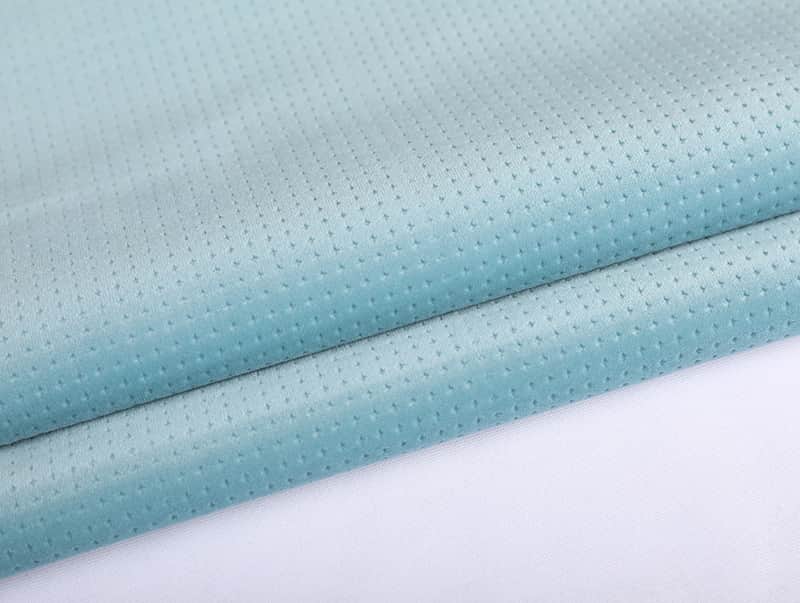
Softness is one of the most important factors in plush toy fabric selection. Polyester velvet is known for its consistent and smooth texture, which gives plush toys a luxurious feel. Its synthetic fibers allow for a uniform pile and gentle touch, making it ideal for toys intended for infants and young children.
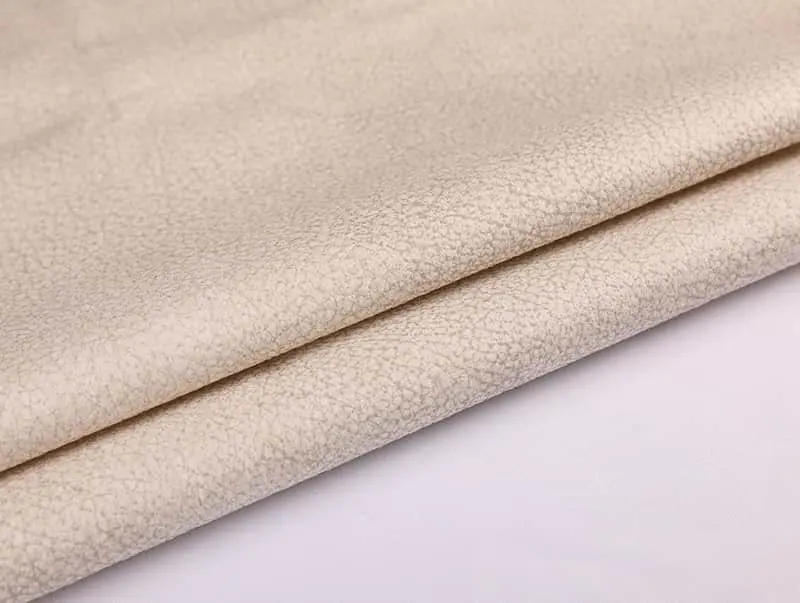
Cotton velvet, on the other hand, has a naturally soft texture but may feel slightly denser and less uniform than polyester velvet. While cotton velvet offers a more natural and breathable feel, it may not provide the same silky smoothness that polyester velvet offers.
Durability and Longevity
Durability is critical for plush toys that will be handled frequently or washed regularly. Polyester velvet is highly resistant to wear, abrasion, and pilling, making it suitable for long-lasting plush toys. Its synthetic fibers maintain color and texture even after repeated use.
Cotton velvet is less resistant to wear and may shrink or lose pile height after multiple washes. While it provides a natural softness, cotton velvet requires more careful handling and maintenance to ensure longevity.
Ease of Care and Maintenance
Polyester velvet is easier to maintain than cotton velvet. It is machine washable, dries quickly, and resists wrinkles and stains. This low-maintenance property makes polyester velvet ideal for plush toys that may require frequent cleaning.
Cotton velvet, although machine washable, often requires gentle cycles and careful drying to avoid shrinkage and pile distortion. It may also need occasional ironing to maintain a smooth appearance, adding extra care requirements for manufacturers and consumers.
Cost and Availability
Cost is a practical consideration when choosing plush toy fabrics. Polyester velvet is generally more affordable due to its synthetic production process and wide availability. Its consistent quality and durability make it a cost-effective choice for large-scale production.
Cotton velvet is typically more expensive, reflecting the natural fibers and labor-intensive manufacturing process. Availability may vary depending on color, pile type, and fabric width, which can affect production planning and costs for plush toy manufacturers.
Safety and Child-Friendliness
Safety is a critical factor in plush toy fabric selection. Polyester velvet is hypoallergenic and resistant to mites, making it suitable for children with sensitive skin or allergies. It is non-toxic and can meet international safety standards for toys.
Cotton velvet is also natural and generally safe for children, but it may require additional treatments to improve stain resistance or durability. While both fabrics are child-friendly, polyester velvet offers more consistent safety performance for mass-produced plush toys.
Comparing Polyester Velvet and Cotton Velvet
| Feature | Polyester Velvet | Cotton Velvet |
| Softness | Smooth, consistent, silky | Soft but denser and less uniform |
| Durability | Highly resistant to wear and pilling | Moderate; may shrink or wear over time |
| Maintenance | Easy; machine washable, quick-dry | Requires gentle washing and careful drying |
| Cost | Affordable, widely available | Higher, sometimes limited availability |
| Child-Safety | Hypoallergenic, resistant to mites | Natural and safe, may require treatments |
Conclusion: Choosing the Right Fabric
Both polyester velvet and cotton velvet have unique advantages for plush toys. Polyester velvet excels in softness, durability, low maintenance, affordability, and consistent safety for children, making it ideal for mass-produced toys. Cotton velvet offers a natural feel and breathability, suitable for boutique or handmade plush toys where premium material and natural fiber appeal are prioritized. Understanding the differences allows designers and manufacturers to select the best fabric for their intended toy design and audience.